Jpic News from John Paul Blog - Vol. 13 - No 09
|
THE NEWS OF THE MONTH
Peace or Profit? The Congo–Rwanda Agreement Under the Banner of Extractivism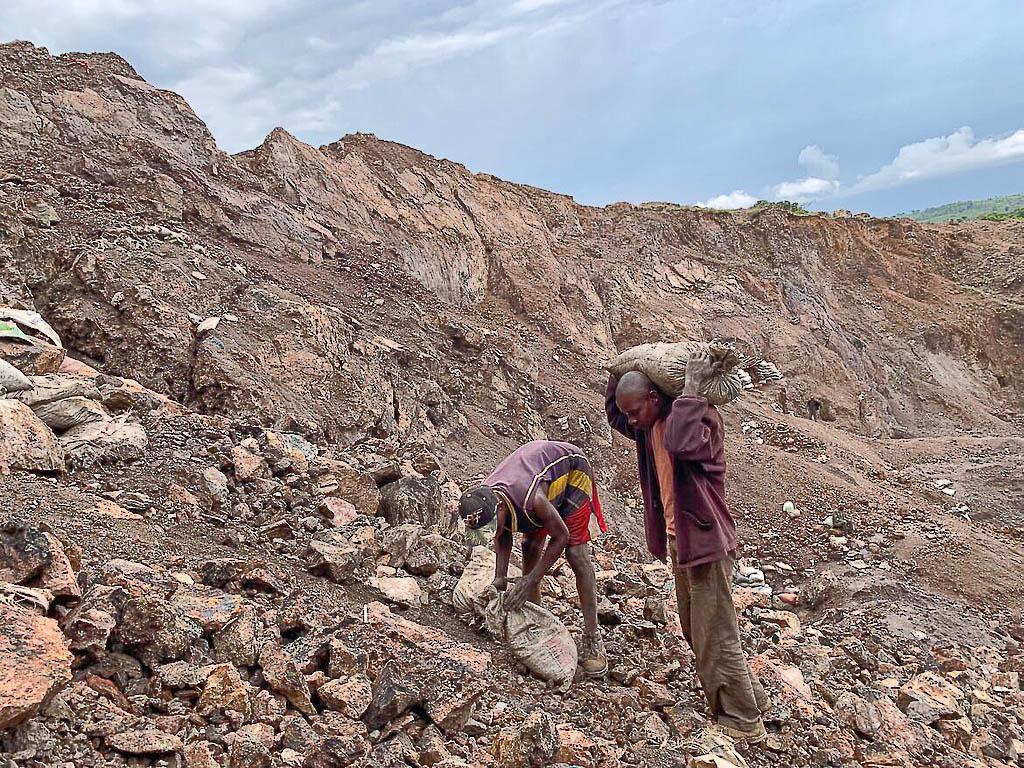
The agreement between Congo and Rwanda, signed in Washington and sponsored by Donald Trump, raises more doubts than hopes: behind the intention for peace lies a clear economic interest, especially for the United States. Criticism has been mounting, from Nobel laureate Denis Mukwege to Human Rights Watch, denouncing neo-colonialism and rewards to Rwanda despite its ongoing violations. In the background are millions of deaths and a very real risk: perpetuating exploitation rather than ending the war. “We are obtaining, for the United States, many of the mining rights from Congo as part of the agreement.” These words, spoken by Donald Trump just minutes after the signing on June 27 in Washington D.C. of the agreement between the Democratic Republic of the Congo (DRC) and the Republic of Rwanda—supposedly intended to end decades of conflict and tension—certainly did not trigger the enthusiasm one might expect after a peace treaty. No one, to be clear, imagines that agreements ending war are the fruit of purely humanitarian impulses devoid of any self-interest. They are the result of compromises that inevitably leave all parties both satisfied and dissatisfied, and at their core lie profits. But for the main sponsor’s first words to be so blatantly focused on his own gains, with no reference whatsoever to the populations that have endured decades of war and mass slaughter, made many observers raise their eyebrows. Soon after, many began to suspect that the pact’s foundations were shaky. Criticism quickly followed, aimed at both the basis of the deal and its practical implications. Go on reading | |
|
A GOOD NEWS
The Common Good: An Ancient Idea for a Future Society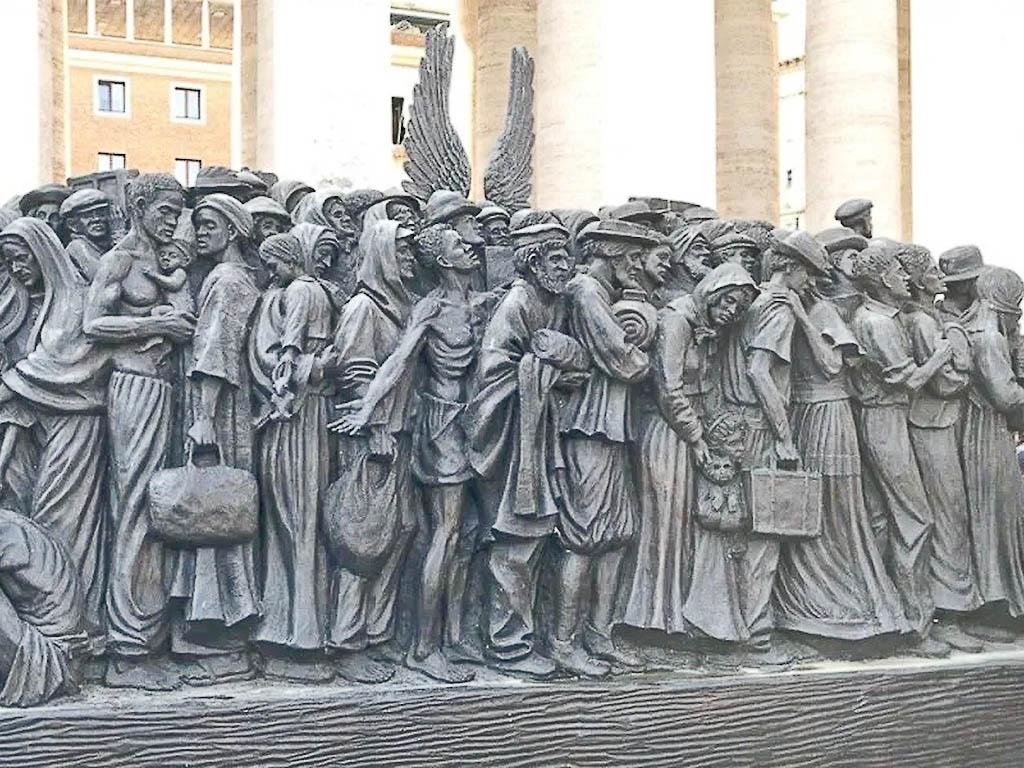
In a world dominated by individualism, rediscovering the common good means returning to thinking in terms of solidarity, social justice, and shared responsibility. The term “common good” is not new. It appears in Aristotelian philosophy, in the social doctrine of the Church, and in the writings of the founding fathers of any democracy. Aristotle spoke of the polis as a community aimed at the good of all citizens. Thomas Aquinas considered it the natural orientation of law and human coexistence. The Italian Constitution, in Article 2, refers to the “irrevocable duty of political, economic, and social solidarity.” Yet, despite this conceptual heritage, the common good today often seems relegated to empty slogans or mere rhetorical flourishes. The common good is not the sum of individual goods. It is something higher: it is what enables each of us to flourish together with others. It is public education that forms citizens, healthcare accessible to all, the environment that sustains life, and social justice that ensures dignity and rights. It is the set of conditions that make a good life possible, not for a few, but for everyone. Go on reading | |
|
NOT SO GOOD NEWS
Why George Soros is under scrutiny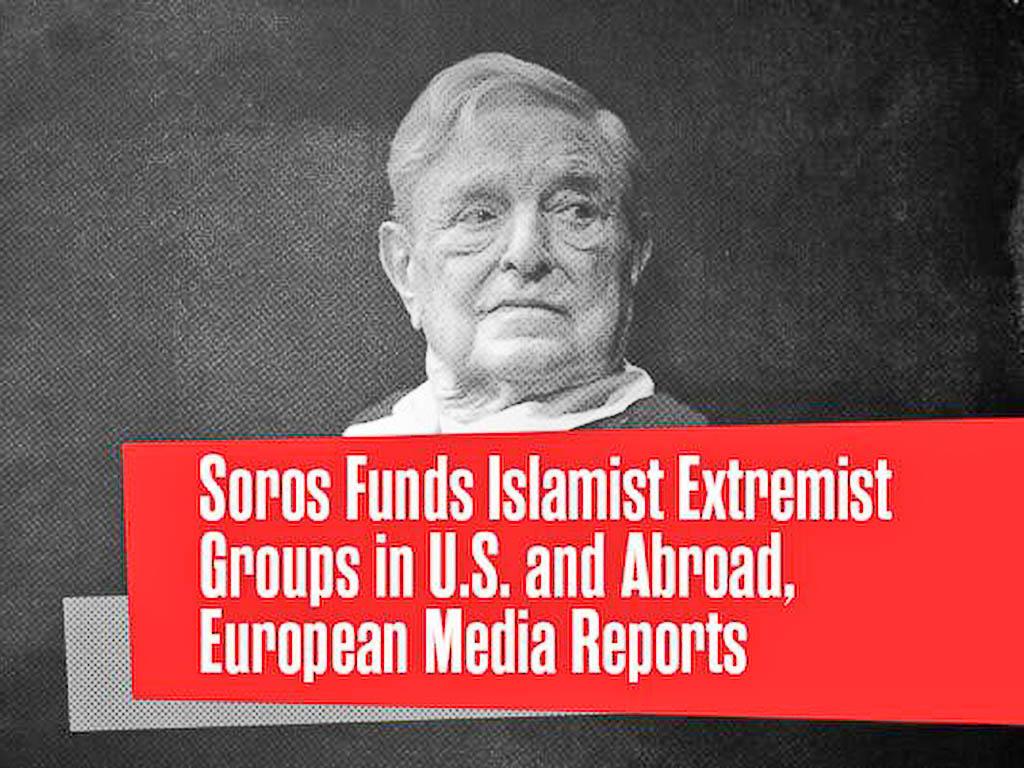
Soros Funds Islamist Extremist Groups in U.S. and Abroad, European Media Reports. In a new low for left-wing billionaire George Soros and his Open Society Foundations (OSF) the Hungarian philanthropist, who has invested huge sums to promote a radical globalist agenda, is funding entities associated with Islamist extremists in the United States, Europe and the Middle East under the pretext of human rights and combatting racism. Judicial Watch - July 01, 2025 – Corruption Chronicles Citing records uncovered by a foreign research institute, various European media outlets report that “millions of euros in funding” from OSF have gone to groups that “function as front organizations or intermediaries for the Muslim Brotherhood in their respective regions.” Most of the terrorist groups have received over a million dollars each from OSF and the money has been used for “political or ideological influence” and to support extremist networks, the records show. OSF is directly linked to factions known to operate as fronts or intermediaries for the Muslim Brotherhood—one of the world’s most influential Islamist groups—throughout the world, according to research cited in one European news story. The extremist organizations with ties to Soros include the Islamic Society of North America (ISNA), the Council on American-Islamic Relations (CAIR), and the European Network Against Racism (ENAR). In Palestinian territories terrorist organizations such as Al-Haq and Al-Mezan, led by figures connected to the jihadist group Popular Front for the Liberation of Palestine (PFLP), have received millions of dollars from OSF. In Europe, extremist platforms such as FEMYSO (Forum of European Muslim Youth and Student Organizations) and the Collective Against Islamophobia in France (CCIF) have also received financial support from Soros. CCIF was dissolved by French authorities a few years ago for its extremist links, which include provoking acts of terrorism in France and abroad. Go on reading | |
|
CELEBRATING!
A Hope for Congo: Blessed Floribert Bwana Chui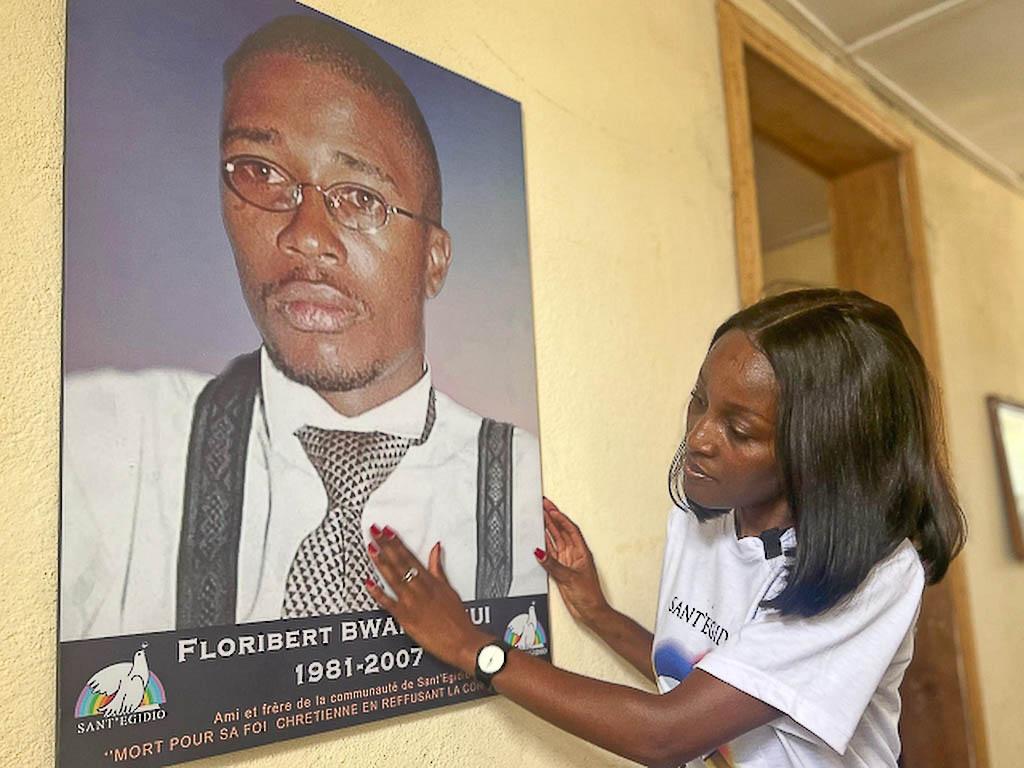
After Blessed Isidore Bakanja, martyr of the faith in the early 20th century, Blessed Anuarite Nengapeta, a nun killed for her fidelity to Christ, and Blessed Albert Joubert and his companions, the Congolese Church has now seen the recognition of Blessed Floribert Bwana Chui, a courageous young layman murdered in 2007 for refusing corruption. A Saint of Our TimeBorn in 1981 in Goma, in the eastern part of the Democratic Republic of the Congo, Floribert worked as a civil servant at the Congolese Office of Control (OCC), where he was responsible for inspecting imported goods, especially food products. In July 2007, he courageously refused to allow spoiled shipments into the country, in defiance of public health risks, despite threats and attempts at bribery. A few days later, on 7 July 2007, he was kidnapped, tortured, and murdered in Goma at the age of 26. He gave his life out of fidelity to his faith and conscience, preferring death to compromise. His powerful and contemporary testimony reminds us that sainthood is not reserved for ancient times, nor only for nuns, priests, and bishops. In Floribert, the Church presents to the world the figure of a young layman, engaged in society and faithful to the Gospel until the very end. His beatification, approved by Pope Francis in 2024, confirms the vitality of Christian martyrdom on Congolese soil. Go on reading | |
|
TAKE ACTION NOW!
In the silence, debt crushes fragile countries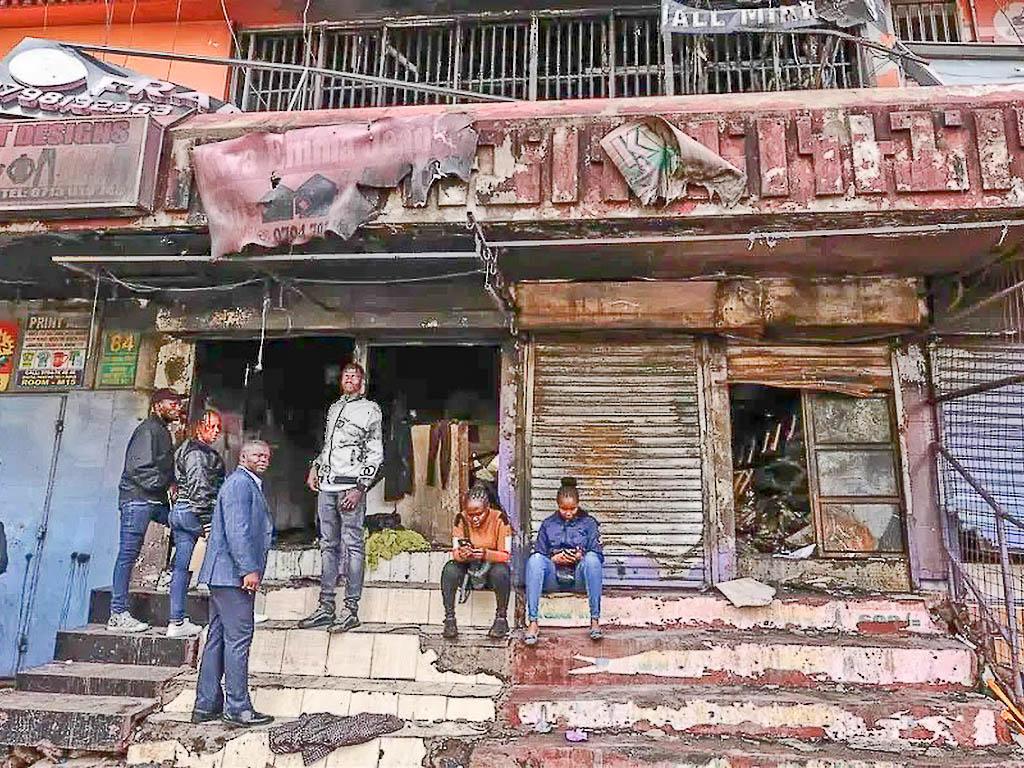
The new UNCTAD report highlights that 3.4 billion people live in countries spending more on debt interest than on health or education. Yields on African ten-year bonds skyrocket. In just one year, the report “A World of Debt” confirms, the total net interest on the debt of vulnerable countries increased by 10%, reaching 1 billion, with these countries being forced to borrow at increasingly higher rates on the global credit market. Overall, global debt has reached 4 trillion (up from trillion in 2023), with one-third of this amount, trillion, being the debt of developing countries. Over the past ten years, debt in fragile countries has grown at twice the rate of that in advanced economies. Go on reading | |
|
INTERNATIONAL RELATIONS
Syria-Lebanon: The Druze at a Historic Turning Point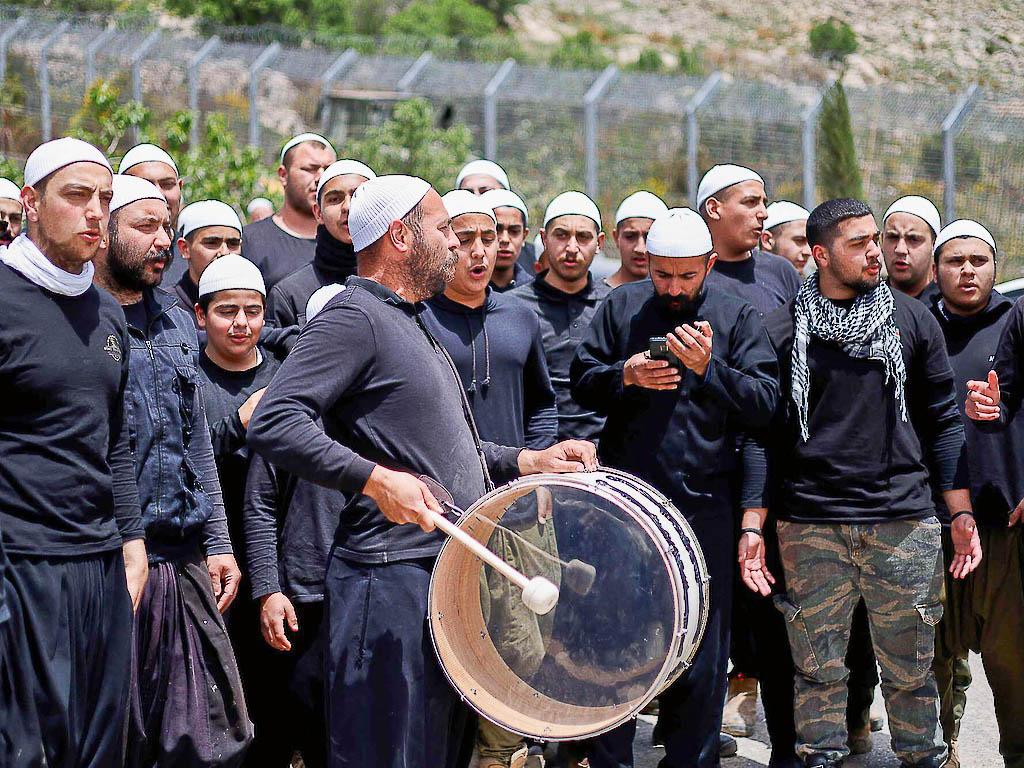
Hundreds of people have been killed since Sunday, July 13, in clashes in Sweida, a southern Syrian city with a Druze majority, between fighters from this community and Syrian government forces. On July 17, Syrian President Ahmed al-Charaa announced that the Druze would be handed responsibility for maintaining security in Sweida, but the conflict has grown more complex with the involvement of the Israeli army alongside Druze armed groups. The massive raids carried out by Israeli air forces against Syrian army convoys of armored vehicles and heavy weaponry near and within Sweida, as well as strikes against the Ministry of Defense, the General Staff headquarters, and other military positions in Damascus, have slowed the advance of troops sent by the Damascus regime. The direct intervention of the Israeli air force enabled Druze armed groups to regain control of part of Sweida, capital of the province bearing the same name, located at the border with Jordan, near the Golan Heights. The emergence of the Israeli factor in this intra-Syrian conflict is not a surprise. In the weeks following the fall of Bashar al-Assad's regime in December 2024, Benjamin Netanyahu and other Israeli leaders clearly expressed their intention to present themselves as protectors of this community of one million people, spread across Syria, Lebanon, Israel, and a small minority in Jordan. Go on reading | |
|
THE WISDOM OF THE WORLD
Psychological Defeat or Moral Misery?
In life, there are many people like the hen in this story. People who give everything for others, who fight to make others happy, who carry everyone’s problems while their own life is in chaos. People who smile during the day but flood their pillow with tears at night. And those who, like the donkey in the story, live tied up in ignorance and illusion. Stories that many live in silence or without even realizing it. The bull invited his friends to a banquet. “I won’t bring anything because I’m already lending my house,” he said. The dog took advantage of this and added, “I will bring a bone I found the other day.” The horse also intervened: “I can contribute with a piece of cheese left from last year’s carnival. It’s a bit rancid, but it hasn’t turned green yet.” | |
|
WHERE THE WORLD IS HEADING
After the War with Israel, Iran Expels Thousands of Afghans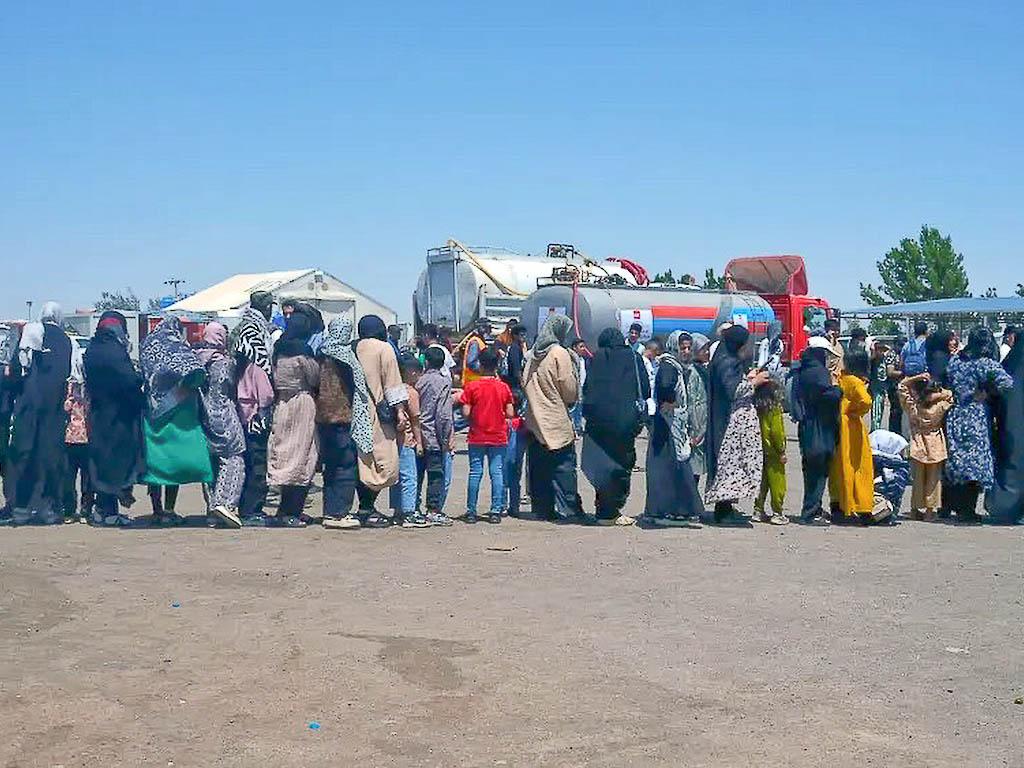
In the aftermath of the war with Israel, Iran has intensified the expulsions of Afghans. More than 256,000 undocumented individuals have been expelled since June, including women and children, marking a new peak in Tehran’s policy of mass deportations. Authorities have also accused several Afghans of espionage. Afghan expulsions are ramping up in Iran. Over 256,000 Afghans have been deported since early June, and according to the International Organization for Migration (IOM), on June 25 alone, more than 28,000 crossed the border back into Afghanistan. “The expulsions of undocumented Afghans are a recurring phenomenon, but they are currently experiencing a notable peak.” According to the Samuel Hall Migration Research Centre, which has been documenting the situation of Afghans since 2010, this increase coincides with the end of the 12-day military conflict between Israel and Iran. Researchers at the centre suggest that this timing indicates a politically motivated crackdown by Iranian authorities under the guise of national security. During the war with Israel, Iranian officials publicly accused several Afghan nationals of spying for the Jewish state. On June 18, an Afghan student was arrested in Tehran, accused of possessing files related to drone and bomb manufacturing on his phone. A few days later, state media broadcast alleged confessions from four other Afghans, despite forced confessions being a widespread and condemned practice in Iran, notably by Amnesty International in its reports on torture. “Although unverified, these allegations were followed by intensified arrests and deportations,” noted the Samuel Hall centre. Go on reading | |
|
WORTH THINKING
The Performance Society: always perform, never surrender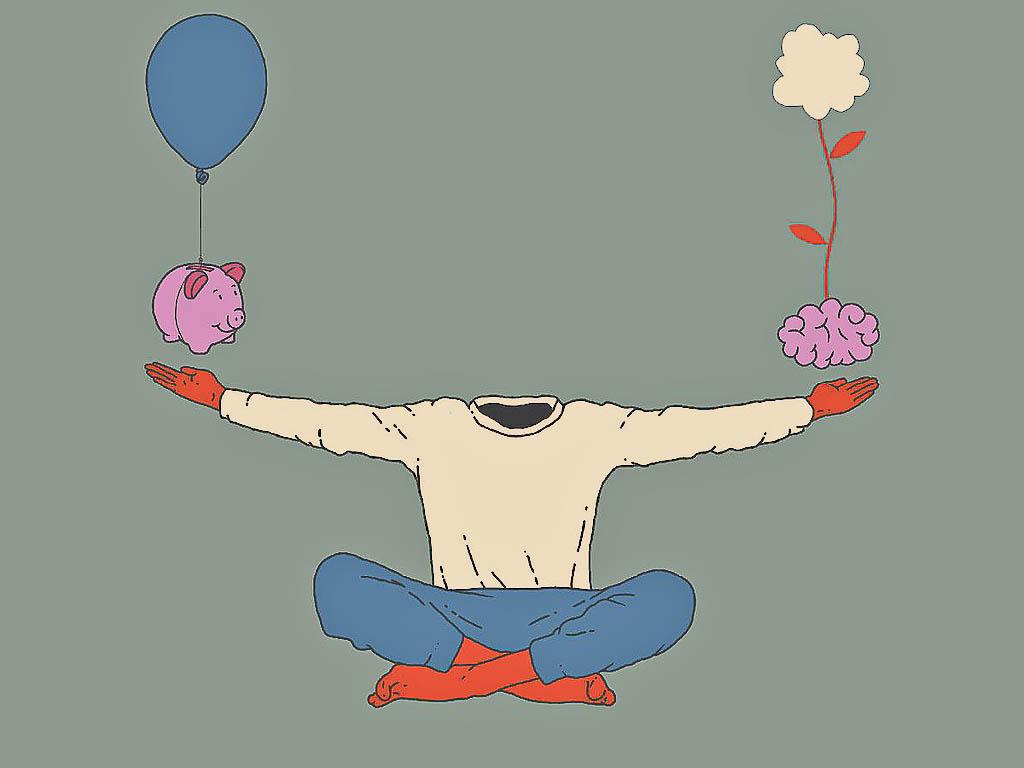
Captivated by the imperative of performance, today’s society is beginning to pay the price. While for some, the debate revolves around choosing between economic growth and respecting individual (and planetary) limits, perhaps it is possible to find a “golden mean.” Working over 80 hours a week. Unpaid. That was the call made by Elon Musk during his time as head of the U.S. Department of Government Efficiency, appealing to “revolutionaries with very high IQs” to take charge of cost-cutting. Musk himself has claimed that he and his employees work 120 hours per week. Given that a week has 168 hours, these extreme work schedules would leave only 6.8 hours per day (weekends included) to sleep, eat, grocery shop, pick up the kids, spend time with a partner, go out with friends, exercise, do laundry, tidy the house, pay bills, and return to the office—since the world’s richest man believes that remote work is “bullshit.” Beyond the anecdote, the more troubling fact is that Musk is not the only tycoon advocating for such measures to “shake the system.” At the end of 2023, Australian billionaire Tim Gurner declared that the unemployment rate should increase by 40% to 50% to “inflict pain on the economy” and “remind people that they work for their employers and not the other way around.” These statements came in the wake of a phenomenon that began after the Covid-19 pandemic and continued in the following years, known as the Great Resignation, when millions of workers quit their jobs en masse, questioning the current way of living and working. Go on reading | |
|
TIME OF HOPE
I Dream of a World without Refugees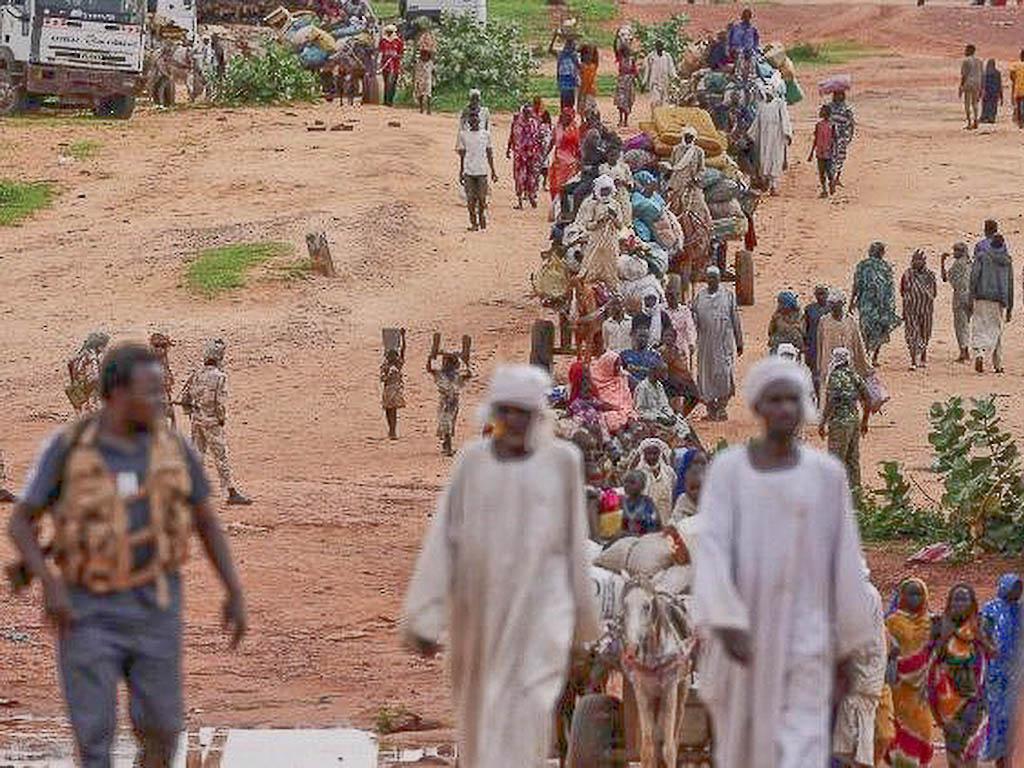
I learned the alphabet and numbers beneath a scrawny acacia at Rwekubo camp in western Uganda, with my slate being a discarded tin plate and my classroom the shifting shade of leaves. A good reflexion towards the World Day of Migrants and Refugees celebrating in the Catholic Church on 4 et 5 October 2025. Those mornings—red earth and sand beneath bare feet, hunger’s ache in my stomach, my mother’s determined whisper that learning was freedom—have never left me. I have dwelled on Rwandan soil for only six of my many years, yet Rwanda has dwelled in me every moment. Exile shaped the very fabric of my identity, forcing the question that haunts every refugee: Where does home go when the road never ends? Philosophers have long wrestled with this question. Diogenes called himself a kosmopolites, a citizen of the world, not as a boast but as a lament for lost belonging. Hannah Arendt warned that the twentieth-century refugee was “the vanguard of its peoples,” a prophetic sign of states that had forgotten how to protect their own. Theology, too, is steeped in exile: Abraham hears God’s promise only after leaving Ur; Moses meets the Burning Bush while tending sheep on a foreign mountain; Mary, Joseph, and the infant Jesus flee Herod’s terror into Egypt; the Prophet Muhammad’s hijra turns flight into the founding moment of a new community. Even science reminds us that homo sapiens is a migratory species. Genetics chronicles an ancient restlessness that scattered our ancestors from the Rift Valley to every shore, proving that movement is as natural to our species as speech. However, willing movement is a pilgrimage; forced movement is torment. Today, torment dominates. The United Nations High Commissioner for Refugees reports that by the end of 2024, 123.2 million people were forcibly displaced—of whom 36.8 million are refugees and 73.5 million are internally displaced. That number is still very high in the first half of 2025, to about 122 million, despite some small returns, nearly doubling compared to a decade ago (unhcr.org, apnews.com). Sub-Saharan Africa bears a heavy burden: the Internal Displacement Monitoring Centre reports 38.8 million Africans displaced within their own borders, almost half of the global total (internal-displacement.org). Sudan’s civil war alone has displaced more than fourteen million people, while Congo, Mozambique, Somalia, Ethiopia, and the Sahel quietly bleed into the statistics. Go on reading |
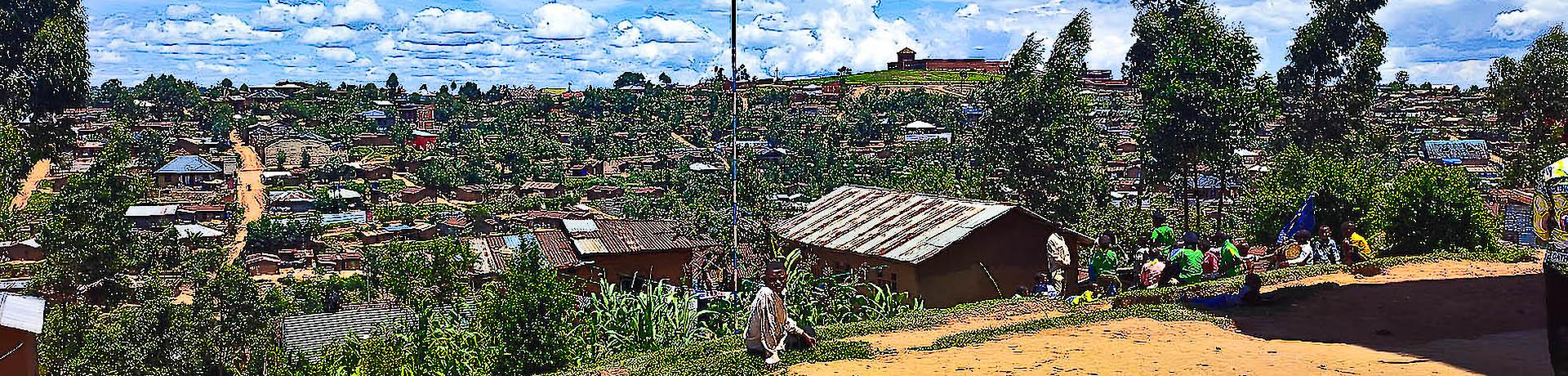
- Butembo (MJL) – RD-Congo
- Please, share your suggestions, opinions, doubts and ideas writing to jampypezzi@gmail.com
- You can subscribe also by writing to jampypezzi@gmail.com
- For all back issues www.comboni.org
- Copyright © www.jpic-jp.org