Justice, Peace, Integrity
of Creation
Justice, Peace, Integrity
of Creation
By John Paul Pezzi, Mccj
Justice, Peace, Integrity
of Creation
By John Paul Pezzi, Mccj
Justice, Peace, Integrity
of Creation
By John Paul Pezzi, Mccj
Justice, Peace, Integrity
of Creation
By John Paul Pezzi, Mccj
To You I Write, Merchants of Death
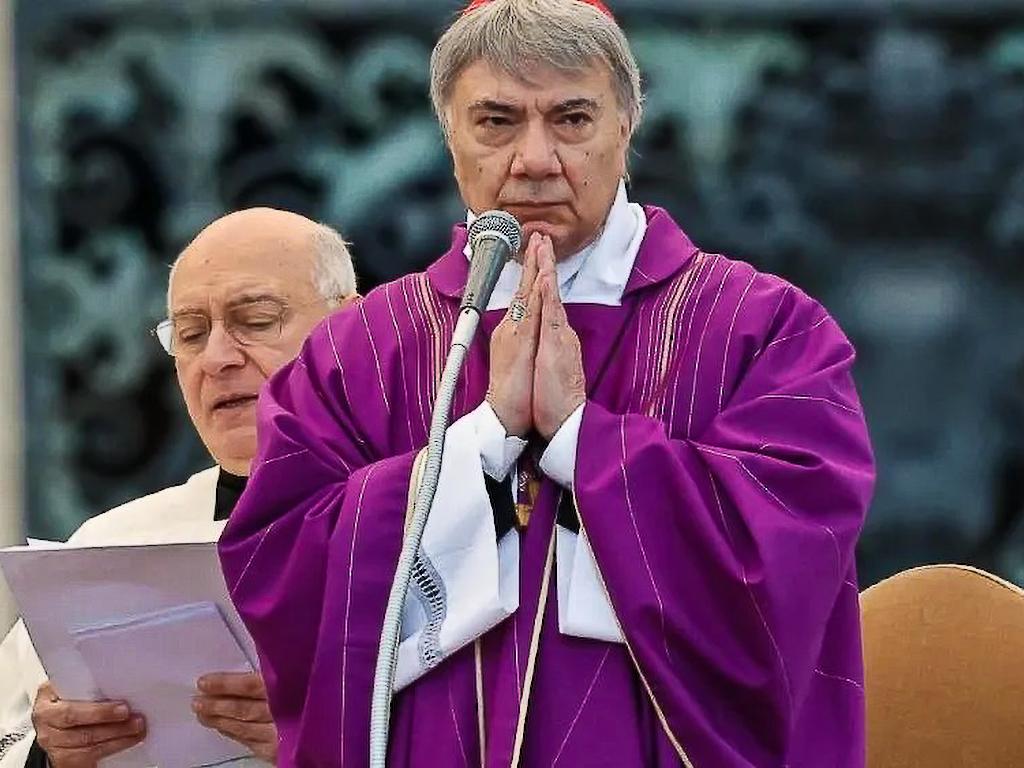
Napoli 08.03.2026 Don Mimmo Card. Battaglia Translated by: Jpic-jp.orgA painful letter addressed to the “merchants of death”, to those who continue to profit from war while the world counts its dead. The letter was published on the website of the Diocese of Naples and has sparked wide interest and reflection.
To the merchants of death, to you who trade in human blood,
to you who count profits while mothers count their children,
to you who call “strategy” what the Gospel calls scandal,
I address words that are born not of diplomacy, but of a wound.
I write to you from this trembling land.
It trembles beneath the steps of the poor, beneath the crying of children, beneath the silence of the innocent, beneath the ferocious roar of the weapons you have built, sold, and blessed in your cynicism.
I write while the world seems to have learned once again the language of Cain.
That ancient and terrible language which asks: “Am I my brother’s keeper?”
And yet, yes, we are. All of us are.
And you more than others, because you have chosen not only to turn your gaze away, but to profit from your brother’s wound.
There are nights, in these times, when humanity seems to lose its way.
Long nights, when the sky offers no comfort and the earth brings back only ruins.
And yet precisely there, in the heart of the night, the Gospel continues to insist.
It continues to say that no man is born to be a target.
That no child is destined for dust.
That no mother should have to learn to recognise her son from a scrap of cloth.
That peace is not a weakness to be mocked, but the highest form of strength.
You do the opposite of bread. Bread is broken to feed.
Weapons break bodies to starve the future.
Bread brings people to the table.
Weapons dig graves, empty homes, and lengthen tables with no guests.
Bread carries the scent of hands. Weapons carry the cold smell of balance sheets.
And tell me: how do you do it?
How do you manage to sleep knowing that behind every contract there is torn flesh?
That behind every signature there is an emptied school, a destroyed hospital, an erased face?
How do you dare call “market” what, before God, has the simplest and most terrible name: sin?
I do not speak to you as a judge. I have no courts to open.
I speak to you as a man and as a pastor. As a believer wounded by the ferocity of our times.
As a bishop who feels in his very being the cry of Christ still crucified in humiliated peoples, in devastated cities, in nameless bodies that the sea returns and war conceals.
For today the Crucified has the hands of civilians buried beneath bombs.
He has the wide-open eyes of children who cannot give a name to horror.
He has the face of women who clutch photographs instead of embracing their children.
He has the thirst of refugees, the fear of the elderly, the trembling of those who no longer have a home nor even a language with which to tell their pain.
And you, merchants of death, continue to pass beneath that cross as the soldiers once did, dividing among yourselves the garments of the condemned.
Only today you do not cast lots for a tunic: you cast lots for entire peoples.
You gamble on borders, on resentments, on escalations, on armed balances.
And meanwhile you call fear peace, domination order, and permanent threat security.
But there is no security where death is sown.
There is no future where the young are educated in suspicion.
There is no justice if the wealth of a few is founded on the mourning of many.
And there will be no peace as long as war remains an acceptable investment.
The Gospel, instead, does not negotiate.
The Gospel does not bless the industries of destruction.
The Gospel does not grow accustomed to the dead.
The Gospel cannot tolerate that pain becomes statistics and that massacres are consumed within the tired commentary of a news broadcast.
The Gospel places a child at the centre. Always.
And when a child stands at the centre, all your arguments collapse.
Military doctrines collapse, opportunistic alliances collapse, geopolitical justifications collapse, the technical language with which you hide shame collapses.
Because before a murdered child there is no longer right or left, East or West, friend or enemy: there is only the abyss.
So I ask you not only to stop.
I ask you to convert. Yes, to convert.
To convert means to stop believing that everything has a price.
It means recognising that human life is sacred, or it will no longer be human.
It means leaving the logic of profit and entering the logic of care.
It means finally having the courage to lose money in order to save human beings.
Have a jolt of conscience. Just one, but real.
Let the crying you have kept outside your rooms reach you.
Let the names of the dead enter your boardrooms.
Let a mother come and disturb your accounts.
Let the Gospel ruin your peace of mind.
Because there is no peace without the disarmament of the heart,
and there is no disarmament of the heart while the hand remains clinging to profit.
War does not begin when the first bomb falls.
It begins much earlier: when a brother becomes an obstacle,
when the poor become irrelevant, when compassion is judged naïve,
when the economy stops serving life and decides to use it.
And yet I do not write to hand you over to despair.
I write because even for you there is a road.
God never stops knocking, even on the most armoured doors.
There is also for you a possibility of redemption.
For you too there is a Good Friday that can open onto Easter.
But you must come down.
Come down from the pedestals of power, from the languages that absolve, from the rooms where death is planned without smell and without face.
You must become human again.
Before executives, shareholders, strategists, intermediaries: men.
Men capable of shame, and therefore of truth.
I dream of the day when your factories will change their vocation.
When iron will no longer become bullets but ploughs,
when ingenuity will no longer serve to perfect offence but to protect life,
when capital will be spent to heal, educate, rebuild and welcome.
I dream of the day when the word “profit” will no longer rhyme with “funeral”.
And I know someone will smile, calling all this naivety.
But the only true naivety today is to believe that war saves.
The only true madness is to think that one can continue to set the world on fire without burning with it.
The only possible realism now is peace.
For this reason I entrust to you a question that I hope will give you no peace: how much blood is still needed for you?
How much pain must still pass through history before you understand that you are trafficking not in goods, but in sons, in mothers, in faces, in flesh loved by God?
Stop. Before it is too late for peoples.
Before it is too late for you.
Stop, and listen to the Gospel of peace, which does not shout but insists, which does not crush but converts, which does not humiliate but calls by name.
Listen to Christ, disarmed and true, who continues to say: “Blessed are the peacemakers.”
Not the calculators of war. Not the guarantors of armed balance.
Not the sellers of fear. The peacemakers.
The world needs hands that lift up, not hands that arm.
It needs awakened consciences, not blind profits.
It needs prophets, not merchants.
And we, the Church of the Gospel, will not remain silent.
Not out of ideology, but out of fidelity.
Not out of naïvety, but out of obedience to Christ.
Not because we ignore the complexity of history, but because we know the infinite value of every life.
To you, merchants of death, I therefore say the final word not as condemnation, but as a plea:
give back the future.
Give back breath.
Give back sons to their mothers, fathers to their homes, dreams to the earth.
Give yourselves back your humanity.
Peace will judge you. But if you wish, peace may still save you.
With sorrow, with hope, with the Gospel in my hands, I write to you.
The comments from our readers (2)
 In 2026, low Earth orbit is no longer simply “space”: it is urban planning. The band between 300 and 1,000 kilometres above our heads increasingly resembles an invisible city rather than [...]
  To the powerful of the earth, peace be with you!
Evil does not always arrive by smashing down a door.
Sometimes it enters silently. It puts on an elegant suit.
It smiles before the cameras. [...]
To the powerful of the earth, peace be with you!
Evil does not always arrive by smashing down a door.
Sometimes it enters silently. It puts on an elegant suit.
It smiles before the cameras. [...] 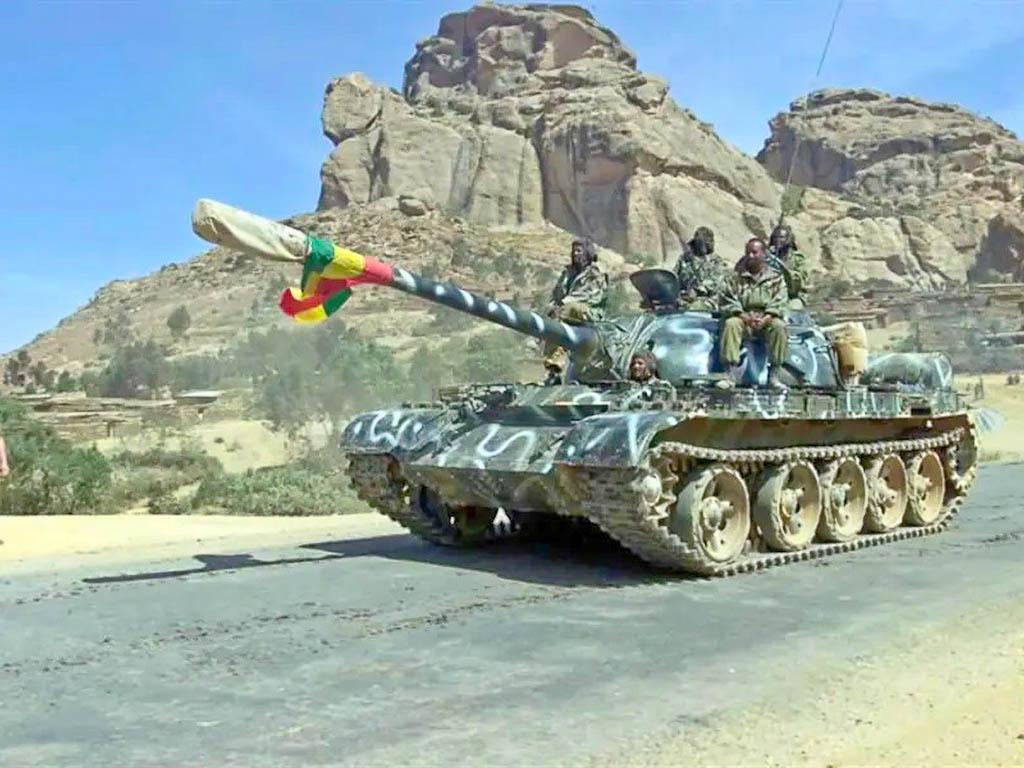 There has never been a humanity unfamiliar with war; which means that there has never been a moment in world history free of armed conflict: somewhere on the globe, there are always groups killing [...]
 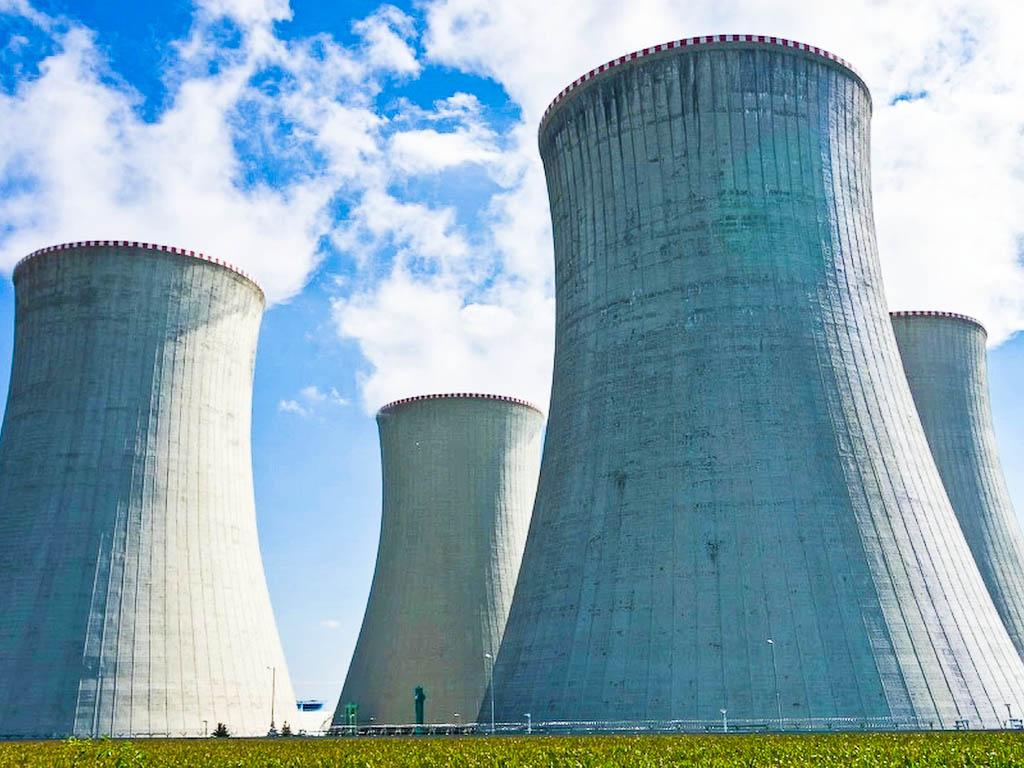 More and more African countries are ready to invest in the construction of nuclear power plants. In addition to South Africa, which already has an operational facility, and Egypt, where one is under [...]
 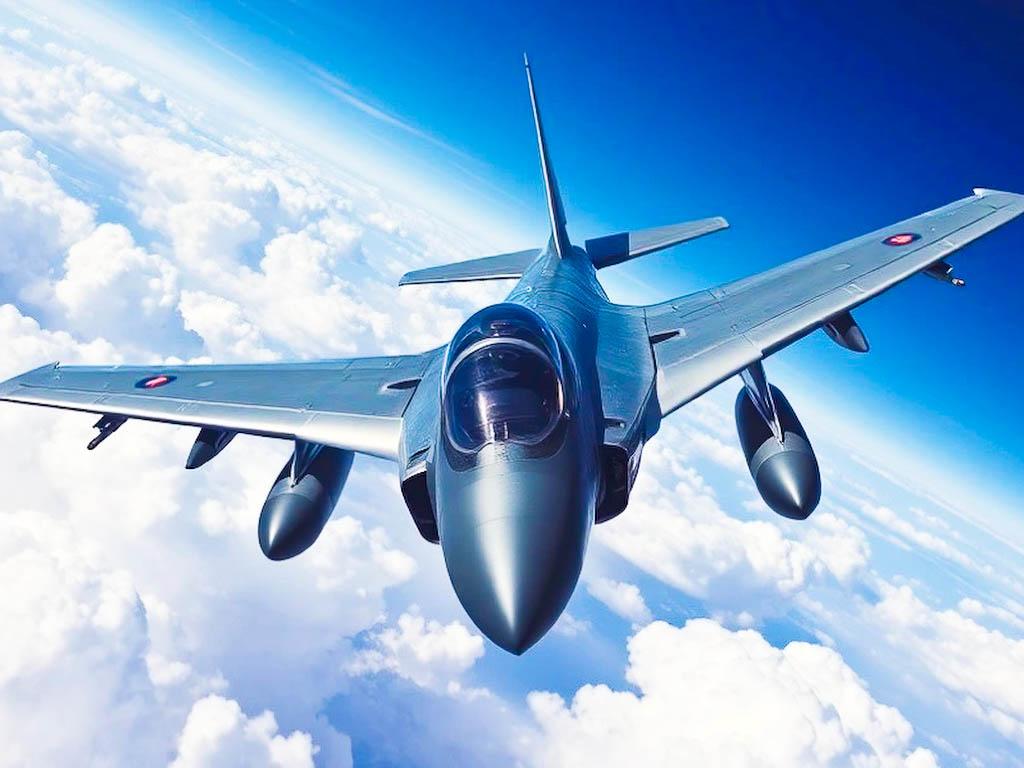 Never since the end of the Cold War has such a marked increase in global military spending been recorded. The record figure of 2,718 trillion dollars spent in 2024, released today in the report from [...]
 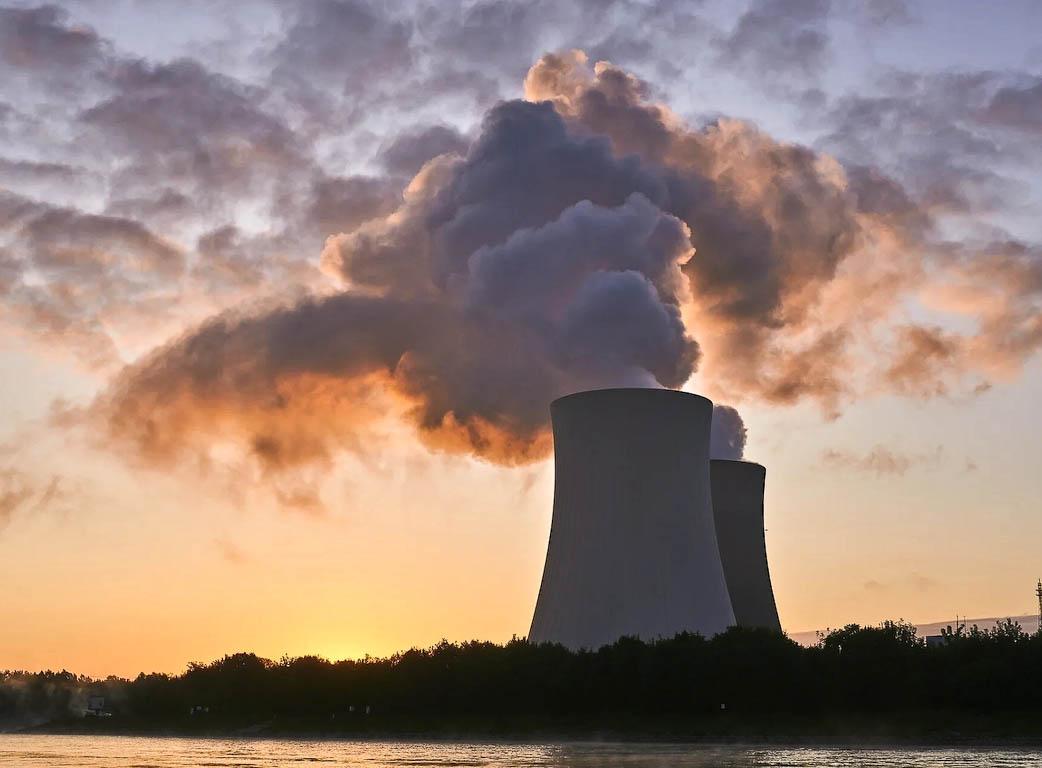 It is a limited but concrete, serious and far-sighted initiative. I sincerely hope that Italy has the wisdom to support it.
The Commission should be tasked to ‘examine the physical effects [...]
It is a limited but concrete, serious and far-sighted initiative. I sincerely hope that Italy has the wisdom to support it.
The Commission should be tasked to ‘examine the physical effects [...] 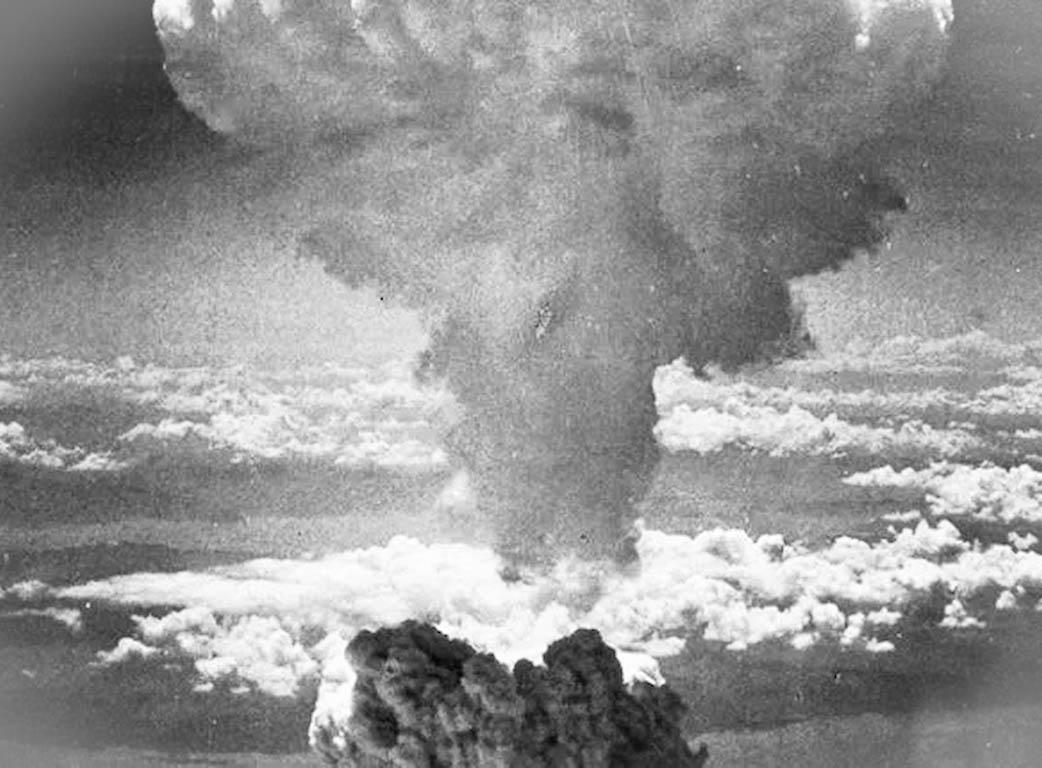 In 2023, China, France, India, Israel, North Korea, Pakistan, Russia, the United Kingdom and the United States spent a total of $91.4 billion on their nuclear weapons, which equates to $173,884 per [...]
 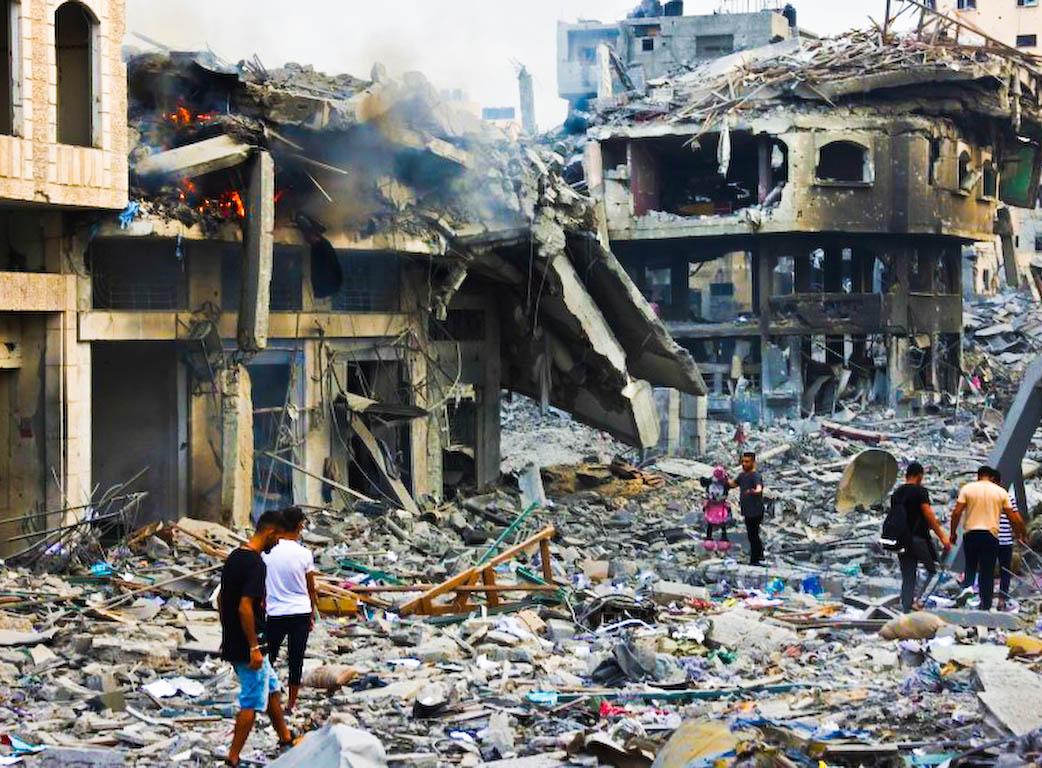 I understand, Lord. No one can give me peace. It is useless for me to hope. Governments, states, continents need peace too and they are not capable of it. And they are all walking down the wrong [...]
 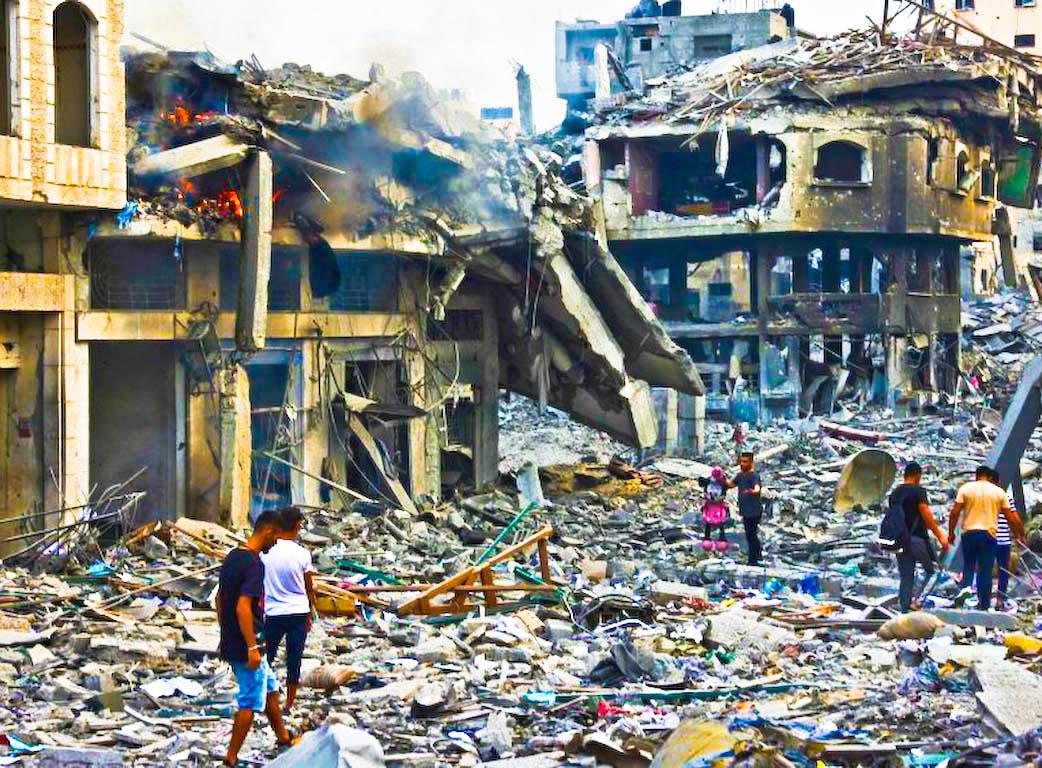 The military are the privileged environmental vandals. Their daily activities are above civil law and are protected from public and governmental scrutiny, even in 'democracies' (Joni [...]
 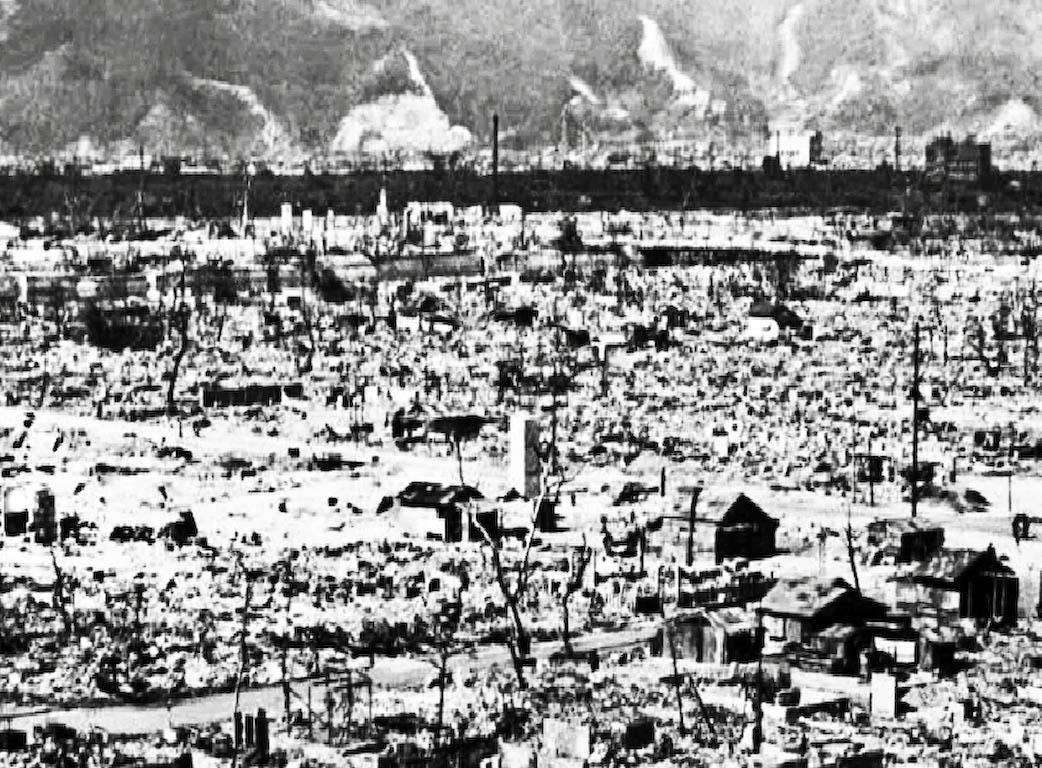 In June of that year Henry Stimson, US Secretary of State for War and a key adviser on the use of this new weapon, recorded an exchange with Truman: “I was a little fearful that before we [...]
 Info
Email: jampypezzi@gmail.com - tel. +39 328 732 6990 / +243 991 457 856
This blog is made in 4 languages: it en fr es

 EDitt | Web Agency
Leave a comment