
Justice, Peace, Integrity
of Creation
Justice, Peace, Integrity
of Creation
By John Paul Pezzi, Mccj
Justice, Peace, Integrity
of Creation
By John Paul Pezzi, Mccj
Justice, Peace, Integrity
of Creation
By John Paul Pezzi, Mccj

Justice, Peace, Integrity
of Creation
By John Paul Pezzi, Mccj
COP31: Between Rhetoric, Contradictions and the Urgency to Act
Butembo 23.11.2026 Jpic-jp.org Translated by: Jpic-jp.orgInternational climate conferences come and go; the speeches grow ever more solemn, the scientific warnings increasingly pressing, and the pledges ever more ambitious. Yet at the close of COP31, held in Antalya, Turkey, from 9 to 22 November 2026, the assessment remains concerning: governments failed to agree on an overarching political decision capable of giving sufficiently strong momentum to global climate action.
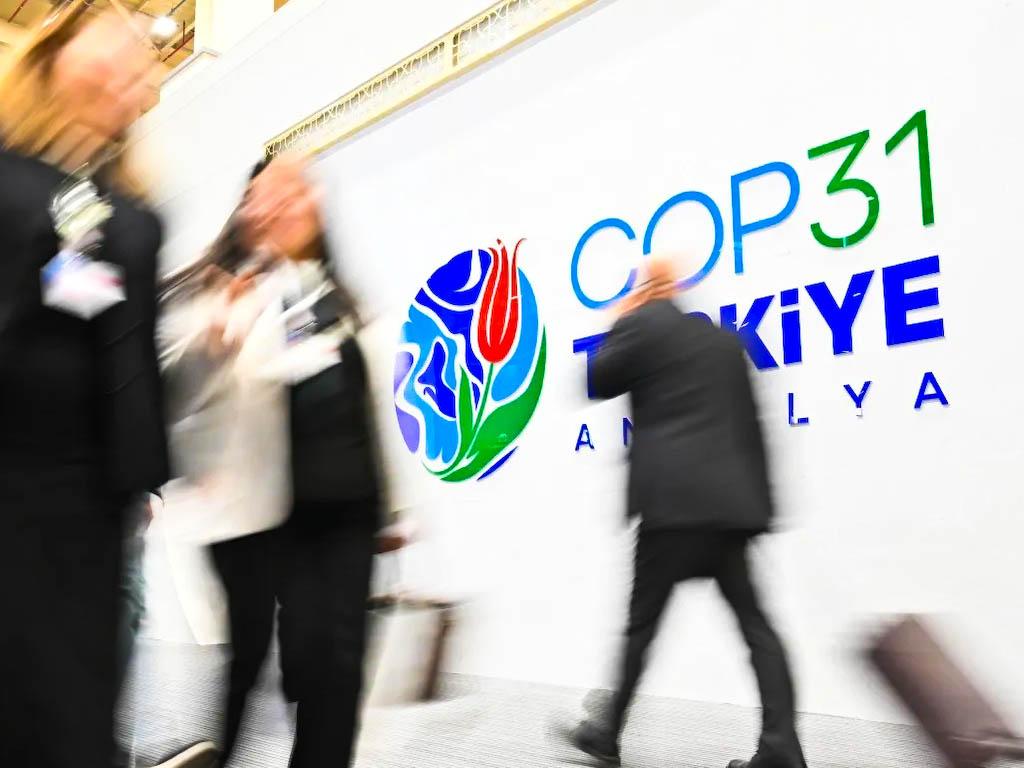
COP31 concluded without the adoption of the Antalya Pact, the comprehensive political text proposed by the summit's presidencies. Disagreements over fossil fuels, climate finance and the ambition of the measures to be taken prevented a consensus. Certain sectoral decisions were nevertheless adopted and several voluntary initiatives emerged. However, the contrast between the climate emergency and the limits of political will remains stark.
Rhetoric and Behaviour Under Scrutiny
It is difficult not to question the consistency between the speeches delivered in the name of tackling climate change and certain behaviours observed during these major international gatherings. The use of private jets and helicopters by a number of participants, while millions of people are being asked to reduce their carbon footprint, is not merely a matter of public relations. It strikes at the very credibility of those who claim to be leading the ecological transition.
Admittedly, circumstances, responsibilities and travel constraints are not identical for everyone. Yet leading by example remains a political and moral imperative. How can populations be asked to change their habits, bear additional costs or give up certain conveniences, if those making the decisions appear at times reluctant to apply the very demands they champion to themselves?
This contradiction cannot, on its own, disqualify the climate negotiations. It serves as a reminder, however, that the credibility of commitments also depends on their alignment with everyday practices.
Young People: Between Concern and Expectation
The climate crisis particularly affects younger generations, who will have to live longer with the consequences of the decisions taken—or not taken—today. Their concern cannot be dismissed as a mere emotional reaction: it is also a legitimate questioning of the future being prepared for them.
The questions raised by young people in public debate deserve to be heard: what kind of world will we leave them? What does governments’ commitment to limiting warming mean in concrete terms? Why are announced decisions taking so long to translate into visible change?
Inviting them to take part in conferences, forums or demonstrations is not enough. Their participation ought to genuinely contribute to decisions, public policies and economic choices. The climate future cannot be negotiated without taking into account those who will inherit it.
Electrification: A Concrete Pathway, Provided It Is Clean
The electrification of transport, industry, buildings and numerous domestic uses represents one of the key pathways of the energy transition. It can help reduce reliance on oil, coal and gas, while fostering the development of renewable sources.
COP31 placed considerable emphasis on this prospect. An international initiative supporting electrification gained the backing of numerous countries. Nevertheless, electrification cannot be regarded as a sufficient solution if it relies primarily on power generation heavily dependent on fossil fuels.
This transformation must therefore be accompanied by the expansion of solar, wind, hydro and other low-emission energy sources, by grid improvements, by access to electricity and by policies that make these technologies affordable, including for the poorest populations.
For much of Africa, where millions of people still lack access to reliable electricity, the energy transition should also be an opportunity to meet a fundamental need. Tackling climate change and tackling energy poverty are not two opposing objectives.
The Less-Talked-About Gases: SF₆
The fight against climate change is not limited to CO₂, coal, oil or natural gas. It must also take into account other greenhouse gases, some of which are less familiar to the general public, yet possess a particularly high global warming potential.
Sulphur hexafluoride, or SF₆, is one such example (See, China's electricity grid – The world's largest emitter of the most powerful greenhouse gas). Used notably in certain electrical equipment for its insulating properties, this gas has a very high warming potential and an exceptionally long atmospheric lifetime (See, China's electricity grid – The world's largest emitter of the most powerful greenhouse gas).
The energy transition must therefore also examine the substances used in the infrastructure that makes this transition possible. Developing new technologies without assessing their environmental impacts, potential emissions and alternative solutions would be an incomplete way of addressing the problem.
The challenge is not to abandon essential infrastructure, but to research, develop and deploy more environmentally friendly alternatives, while ensuring the maintenance, monitoring and recovery of the gases used.
Climate Justice: A Responsibility That Cannot Be Overlooked
One of the most sensitive issues in climate negotiations remains that of justice. The countries that have contributed most substantially to historical greenhouse gas emissions generally possess greater economic, technological and institutional resources to cope with the impacts of climate change.
Conversely, many countries of the Global South, particularly in Africa, are already suffering the consequences of droughts, floods, land degradation, agricultural disruption and extreme weather events, despite their historical contribution to global emissions being far more limited.
Adaptation finance, disaster prevention, access to technology, the protection of vulnerable populations and support for fragile economies are not acts of charity. They are a matter of international responsibility and an imperative of solidarity.
COP31 failed to overcome disagreements on finance and shared ambitions. This deadlock is a reminder that the climate transition cannot be sustainable if it is perceived as a burden imposed on the countries least responsible for the crisis, or if it exacerbates existing inequalities.
Beyond Conferences, the Need to Act
The failure to adopt an overarching political agreement in Antalya does not mean that all the work accomplished is futile. Decisions already taken under the Paris Agreement remain in force, and several initiatives continued to advance despite divisions in the negotiations.
Yet it would be equally dangerous to settle for these partial gains. Climate change cannot be resolved through declarations, distant targets or voluntary pledges that are not backed by resources, monitoring mechanisms and clearly assumed responsibilities.
The question that remains after COP31 is therefore less about the next conference than about the willingness to implement the necessary transformations right now.
Cutting emissions, accelerating renewables, electrifying end uses, protecting ecosystems, supporting vulnerable populations and assuming financial and political responsibilities: these are decisions that cannot wait for another international summit.
The climate crisis does not take a break between two COPs. And the populations bearing the brunt of its consequences do not have the luxury of waiting.
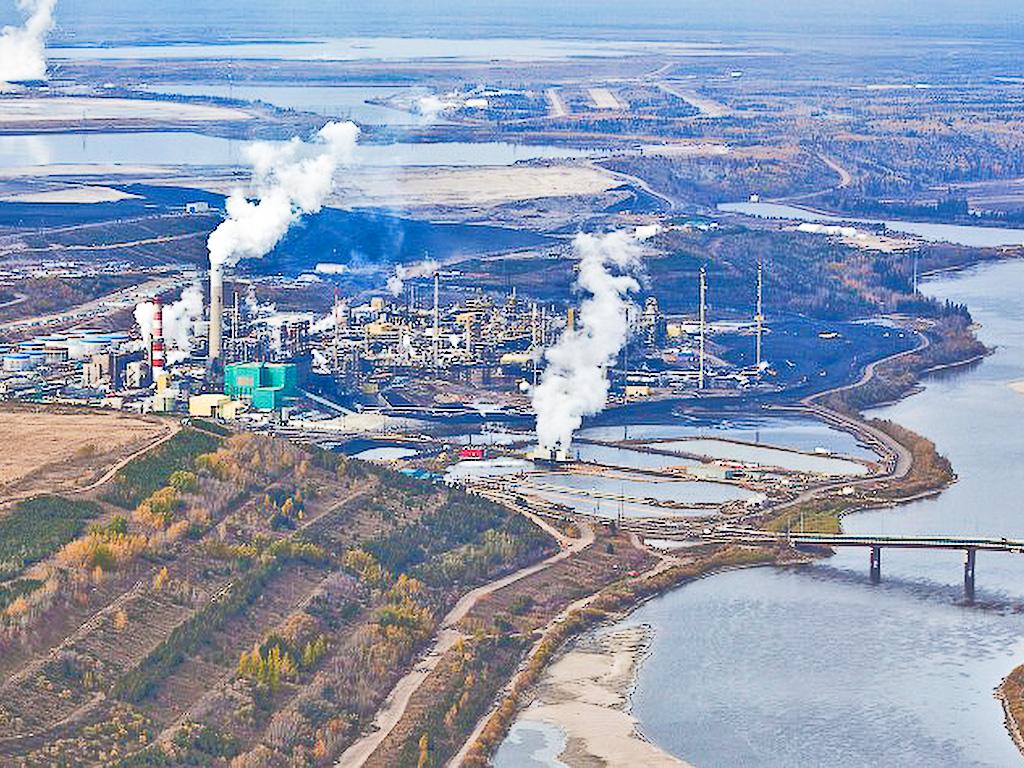
 Recently, the American climate news website Inside Climate News published an article on China's greenhouse gas emissions. Its headline is striking: 'The super-pollutant emitted by China's [...]
 Debt for Climate describes itself as a “movement of movements”, led by the Global South and active in 25 countries. It calls for the total and unconditional cancellation of the financial [...]
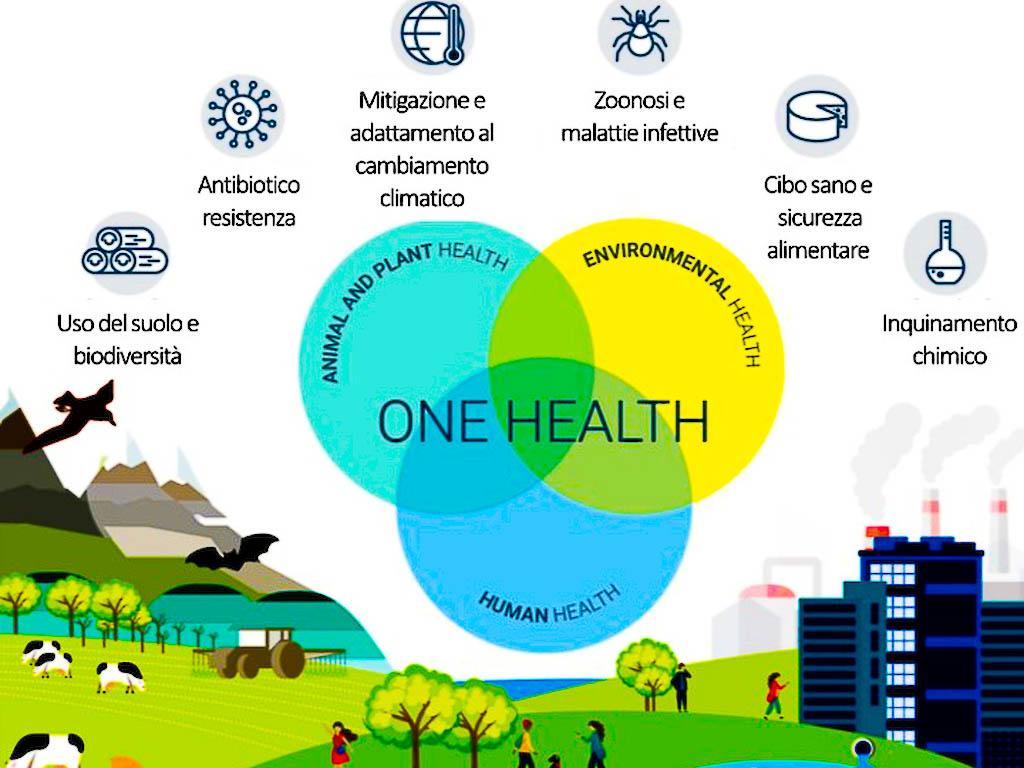 The conception of folly expressed by Erasmus partly diminishes the role of rationality in human existence, provided that one “does not consider anything human as alien to oneself.” But [...]
 The year 2024, the hottest ever recorded worldwide, marked a crucial stage in the climate crisis. It was the first calendar year in which the global average temperature rose more than 1.5°C above [...]
 It is Saturday, 13 November 2021 and, with a one-day delay on the agenda, the 26th UN Climate Change Conference closes with the Glasgow Pact. A document that formally sets down the commitment to [...]
 The richest 1% of humanity has already consumed its 2025 carbon budget, according to a new report by the NGO Oxfam. The carbon budget refers to the amount of climate-altering gases humanity as a [...]
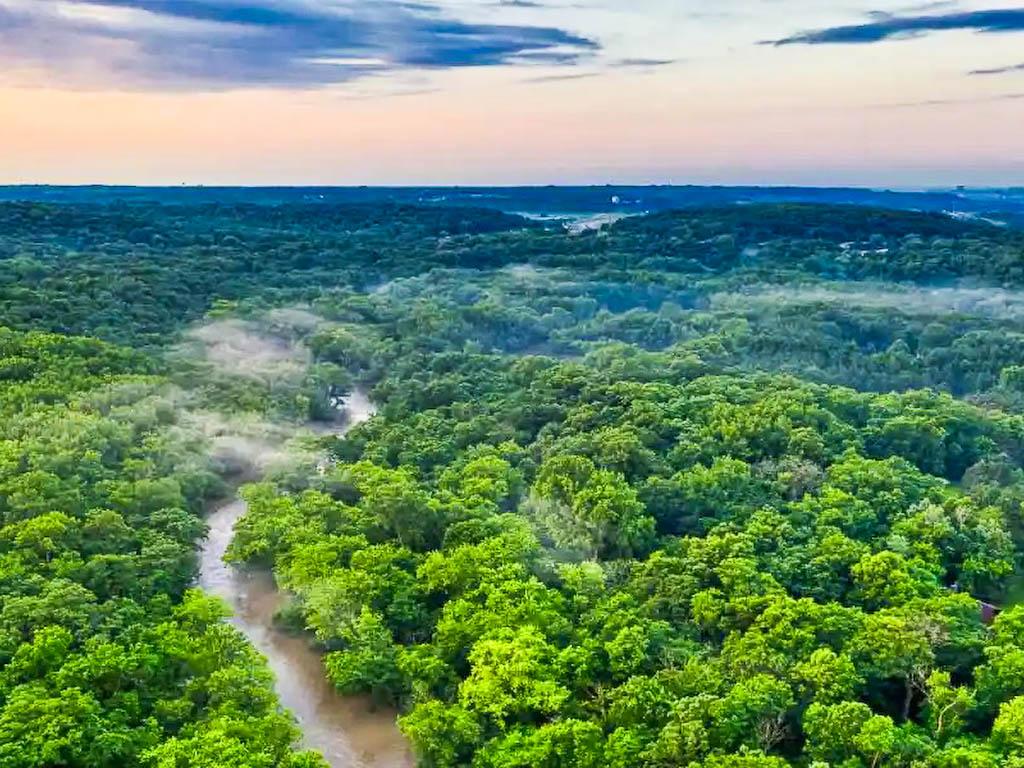 “Over the past 30 years, the world's forest area has shrunk by more than 420 million hectares. At a rate of about 4.7 million hectares per year since 2010.” The capacity of forests in [...]
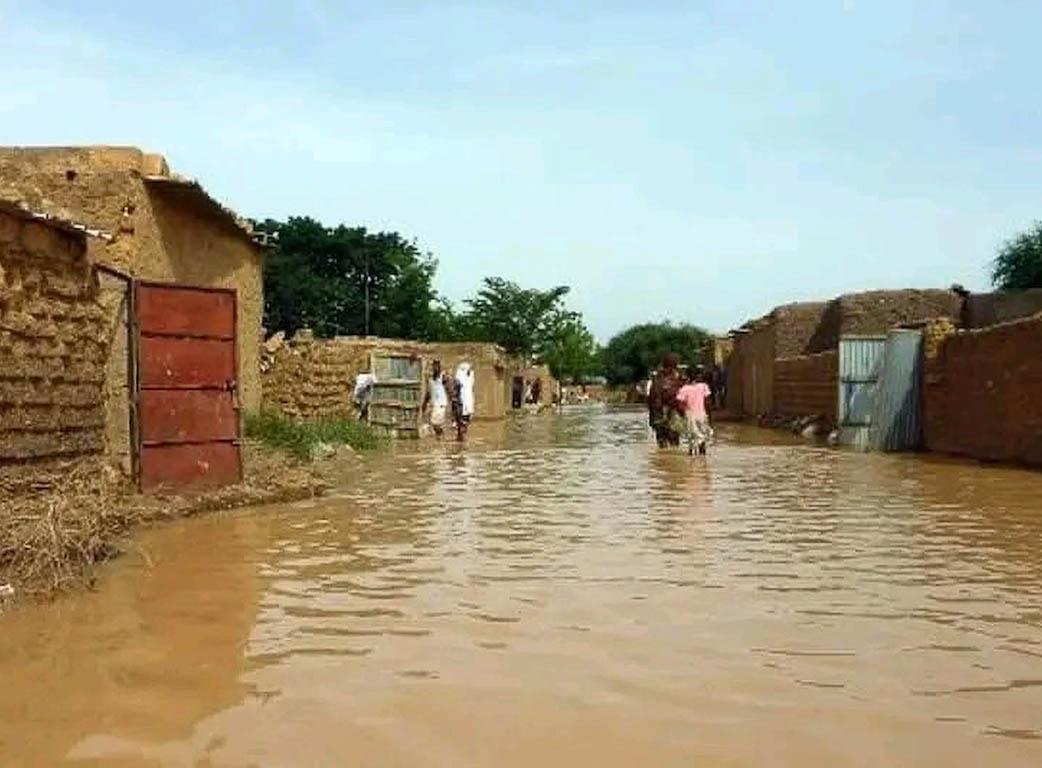 Global warming is nothing new, but in 2024, the tone is more serious than ever in this highly alarming report: The African continent is sinking, both climatically and economically, and the [...]
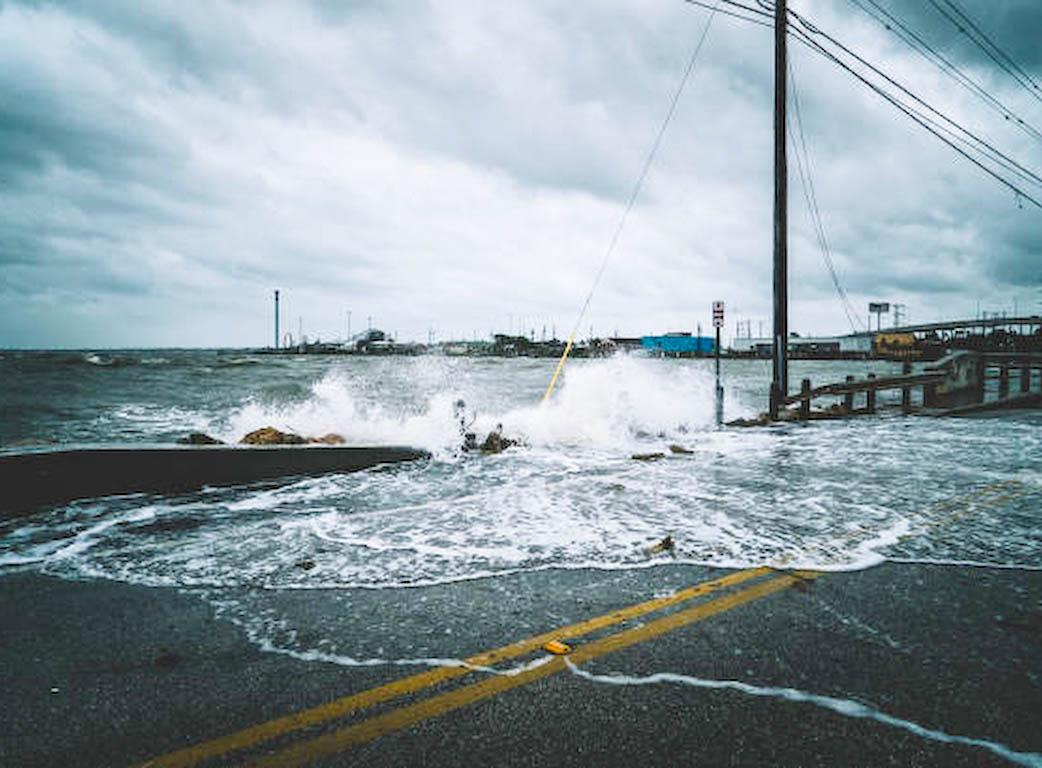 But we didn't believe it. We didn't listen. We have not acted, or have acted only marginally, and we have entered a serious, unimaginable and irreversible phase of our human presence on the [...]
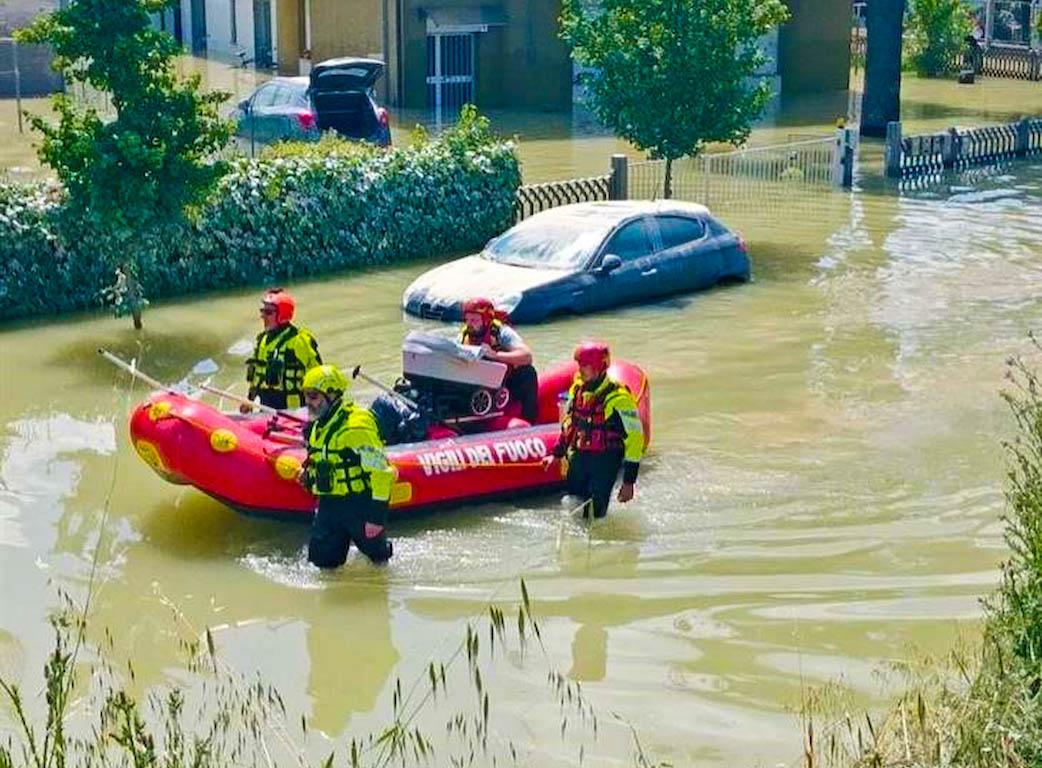 Who pays for the damage caused by the climate crisis? This is the question that inspired a groundbreaking study just published in the peer-reviewed journal One Earth. A question that is also [...]
Info
Email: jampypezzi@gmail.com - tel. +39 328 732 6990 / +243 991 457 856
This blog is made in 4 languages: it en fr es




 EDitt | Web Agency
Leave a comment