Justice, Peace, Integrity
of Creation
Justice, Peace, Integrity
of Creation
By John Paul Pezzi, Mccj
Justice, Peace, Integrity
of Creation
By John Paul Pezzi, Mccj
Justice, Peace, Integrity
of Creation
By John Paul Pezzi, Mccj

Justice, Peace, Integrity
of Creation
By John Paul Pezzi, Mccj
Debt cancellation must go beyond the Jubilee
http://www.valori.it 12.12.2025 Andrea Di Turi Translated by: Jpic-jp.orgOpened on 24 December 2024 by Pope Francis, the Jubilee of Hope concluded on 6th January 2026. But attention to the need to cancel the debt of the world’s poorest countries must not end with it: this is the appeal launched by the Debt for Climate campaign in an Open Letter addressed to Pope Leo XIV ahead of the closure of the Holy Year.
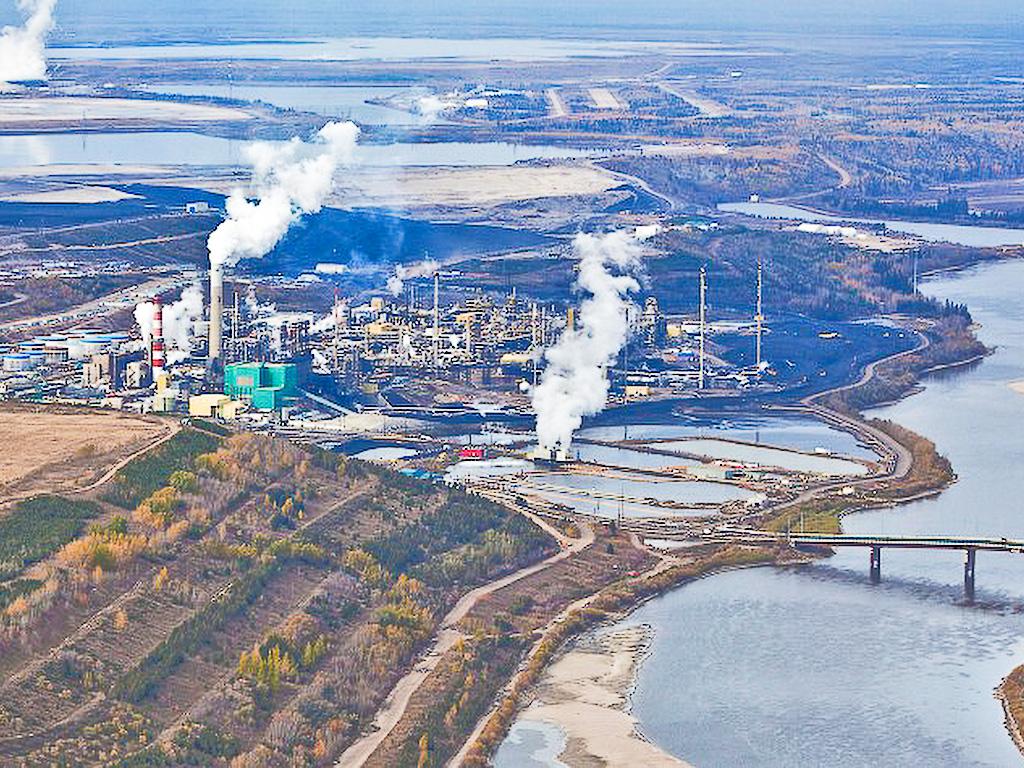
Debt for Climate describes itself as a “movement of movements”, led by the Global South and active in 25 countries. It calls for the total and unconditional cancellation of the financial debts of the world’s poorest countries, which it considers illegitimate, so that they may free up resources to invest in tackling the climate crisis, for which, moreover, these countries are the least responsible.
These are debts that Pope Francis himself described as “unjust and unpayable” in the “Bull proclaiming the Ordinary Jubilee of the Year 2025”. In that document, the former pontiff explicitly called on wealthy nations to “cancel the debts of countries that could never repay them”, stressing that “more than a matter of magnanimity, it is a matter of justice”.
Breaking the vicious circle
The Letter sent to Prevost specifically calls for every day after the close of the Holy Year to be treated as if it were still part of the Holy Year, until unconditional debt cancellation is achieved. This burden forces many countries of the Global South to squander public resources on debt servicing, diverting essential funds from investment in mitigation and adaptation measures to face the ongoing climate collapse. “We need — the Letter states — unconditional cancellation of the illegitimate, illegal and odious debts of the Global South.”
As if that were not enough, the enormous pressure arising from the need to repay debt forces many of these countries to continue allowing extractive industries, including fossil fuel companies, to operate within their territories — the classic vicious circle. Meanwhile, the countries of the Global North, primarily responsible for the climate crisis, profit both from the exploitation of those very resources and from the interest payments they receive on the debt.
For this reason, beyond the debt issue itself, attention is directed towards the current global financial system, for which a profound reform is being demanded: “a new human-centred international financial architecture”, to use the words spoken by Pope Leo XIV in his address to participants at Cop30.
It can be done. Because it has been done before
To those who claim that large-scale debt cancellation is too complex or even impossible, the Letter responds that the opposite is true. Also because history shows it has already happened.
It occurred with the campaign promoted by the Jubilee 2000 Coalition ahead of the Jubilee of the year 2000: over the years, it succeeded in obtaining the cancellation of approximately 130 billion dollars’ worth of debt for highly indebted poor countries. Perhaps the most famous case in history, however, concerned a European country, Germany: the agreement reached in 1953 on Germany’s war debts was one of the factors that enabled the country to become Europe’s economic “locomotive”.
The case of Ecuador dates back to the first decade of the new millennium; the Letter recalls it because the process began with a debt audit — the same tool currently being used in Senegal. A public audit of sovereign debt is indeed indicated as an effective means for heavily indebted countries to regain control over their debt in the name of justice.
Debt for Climate restarts in Italy
Among the signatories of the Letter are groups and organisations working on debt, faith and climate issues, including ActionAid International, Christians for Future, Eurodad and Pax Christi. From Italy, signatories include Attac, Climate Action South Tyrol, Fridays For Future and Ultima Generazione, among others.
“The struggle for the Jubilee demands — comments José Treviño, from the Debt for Climate Coordination for the Global North — cannot reopen only in 25 years’ time. We need leadership, peoples and organised movements that continue fighting every day to uphold the promise of the Jubilee: cancelling debt and restoring the Earth”, referring to the biblical appeal for the restitution of the land found in the Book of Leviticus.
A couple of years ago, the Italian chapter of Debt for Climate had also been launched and was officially presented during the World Congress for Climate Justice in Milan, but it did not then manage to gather sufficient momentum to continue. The international campaign now wishes to try once again to take root in Italy — also because of the strategic importance the country holds as the cradle of the Catholic world.
And the Catholic world, moreover, has been strongly committed on this front. In anticipation of the Jubilee of 2025, Caritas Internationalis promoted the “Turn debt into hope” campaign. In Italy, it was relaunched by the campaign “Cambiare la rotta”, promoted by Caritas Italiana together with a network of organisations including Earth Day Italia, Focsiv, Fondazione Finanza Etica, Salesiani per il sociale and Sermig Arsenale della Pace.
See: La cancellazione del debito dei Paesi poveri vada oltre il Giubileo
Photo. COP30 and climate justice
 The conception of folly expressed by Erasmus partly diminishes the role of rationality in human existence, provided that one “does not consider anything human as alien to oneself.” But [...]
  The year 2024, the hottest ever recorded worldwide, marked a crucial stage in the climate crisis. It was the first calendar year in which the global average temperature rose more than 1.5°C above [...]
  It is Saturday, 13 November 2021 and, with a one-day delay on the agenda, the 26th UN Climate Change Conference closes with the Glasgow Pact. A document that formally sets down the commitment to [...]
  The richest 1% of humanity has already consumed its 2025 carbon budget, according to a new report by the NGO Oxfam. The carbon budget refers to the amount of climate-altering gases humanity as a [...]
  “Over the past 30 years, the world's forest area has shrunk by more than 420 million hectares. At a rate of about 4.7 million hectares per year since 2010.” The capacity of forests in [...]
 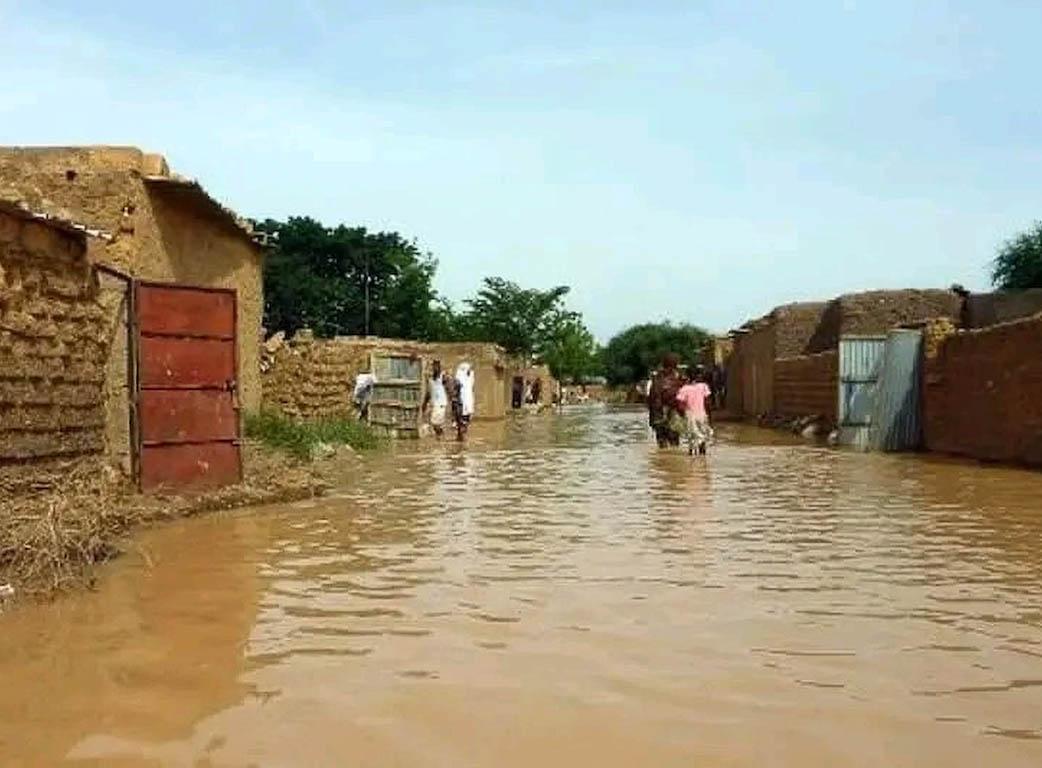 Global warming is nothing new, but in 2024, the tone is more serious than ever in this highly alarming report: The African continent is sinking, both climatically and economically, and the [...]
 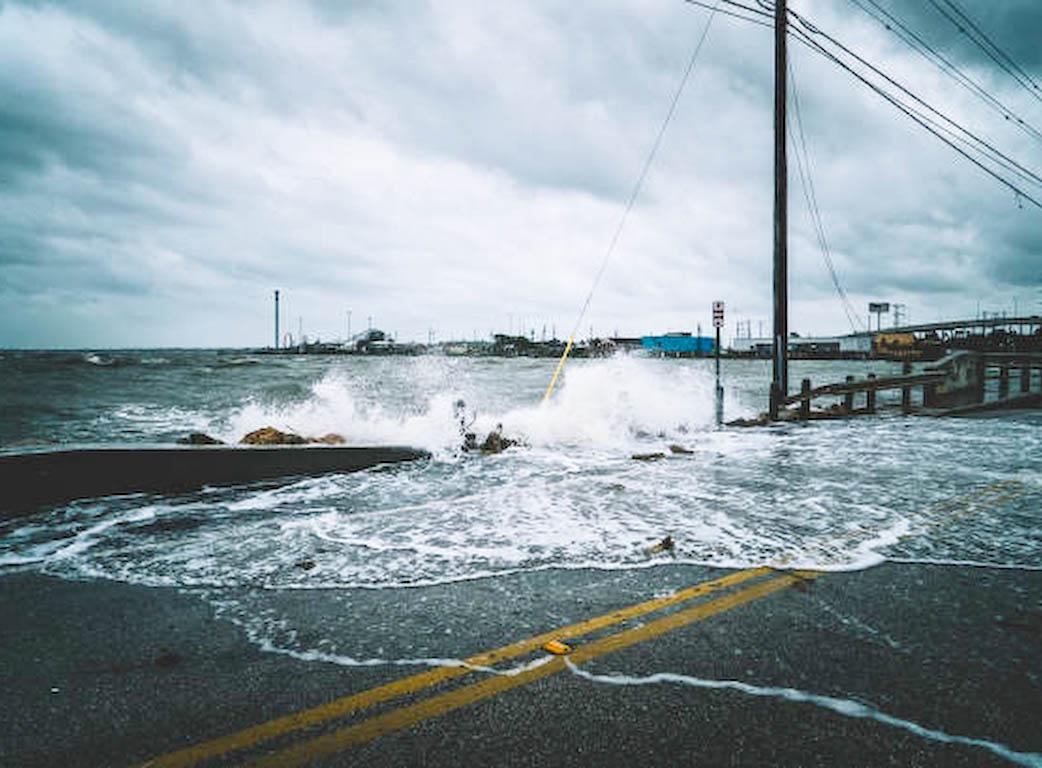 But we didn't believe it. We didn't listen. We have not acted, or have acted only marginally, and we have entered a serious, unimaginable and irreversible phase of our human presence on the [...]
 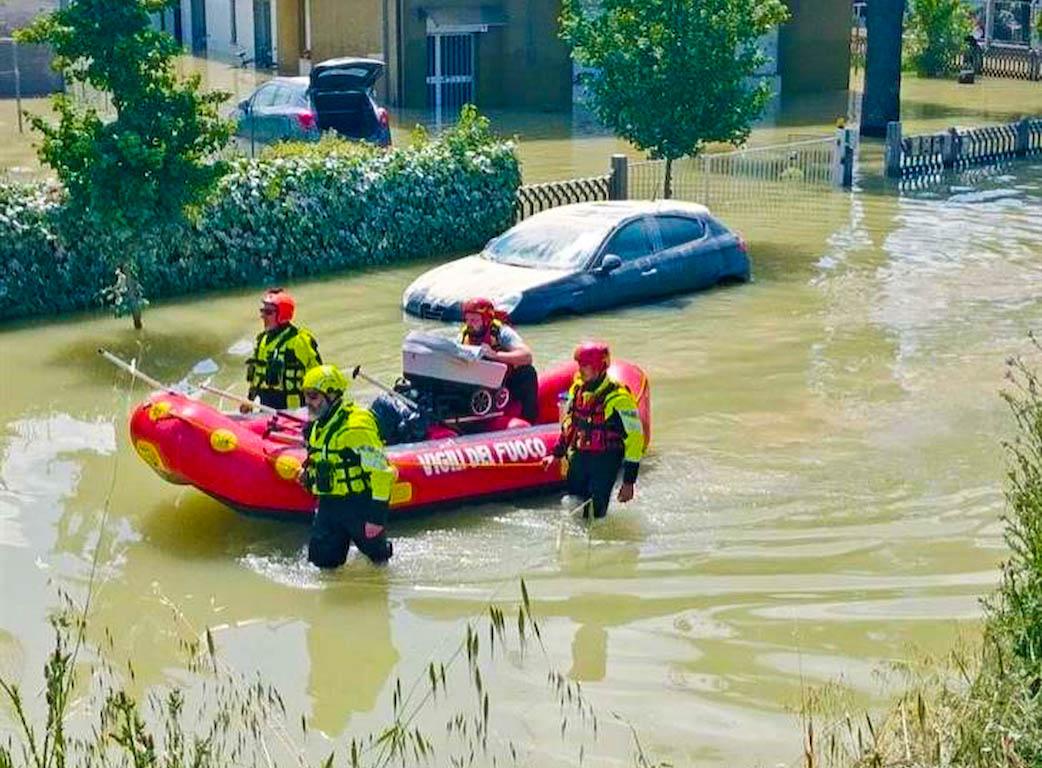 Who pays for the damage caused by the climate crisis? This is the question that inspired a groundbreaking study just published in the peer-reviewed journal One Earth. A question that is also [...]
 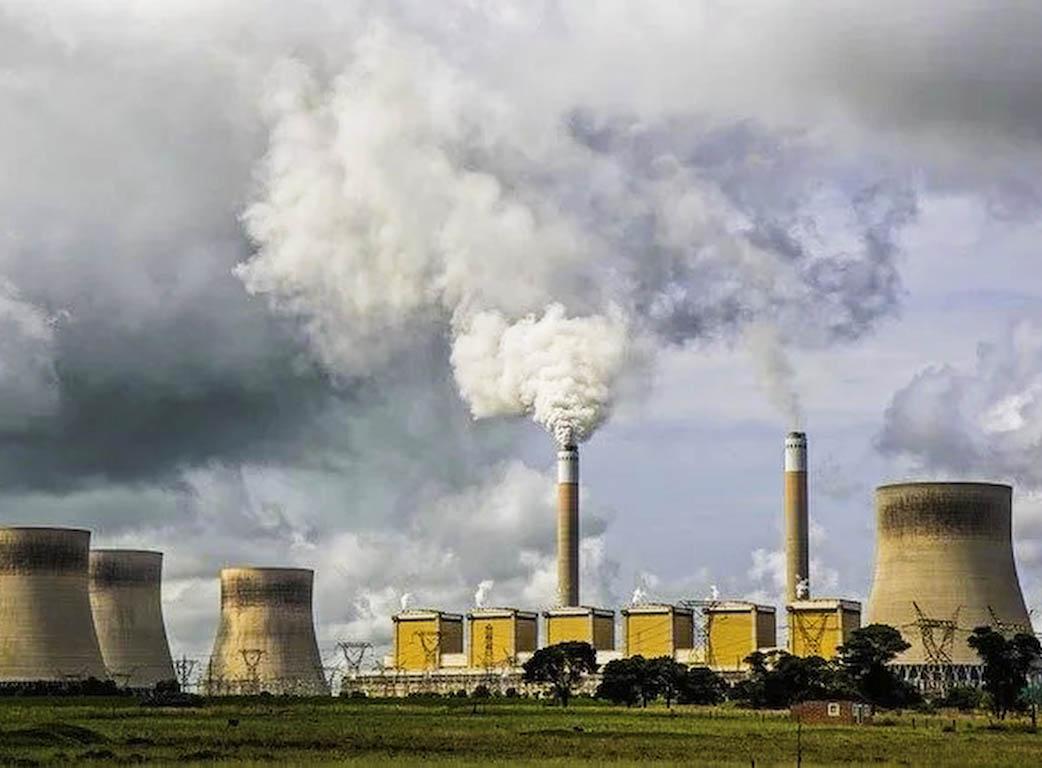 One of the major problems of the transition is that the consumption of fossil fuels in the world is not decreasing. It is increasing. Oil and coal consumption reached record levels last year. Only [...]
  Little girls set pots under the sky to catch the water and ran back slipping and sliding. The small, friendly rivers became deep and wide and covered the sides of their banks. During the darkness, [...]
 Info
Email: jampypezzi@gmail.com - tel. +39 328 732 6990 / +243 991 457 856
This blog is made in 4 languages: it en fr es



 EDitt | Web Agency
Leave a comment