Justice, Peace, Integrity
of Creation
Justice, Peace, Integrity
of Creation
By John Paul Pezzi, Mccj
Justice, Peace, Integrity
of Creation
By John Paul Pezzi, Mccj
Justice, Peace, Integrity
of Creation
By John Paul Pezzi, Mccj
Justice, Peace, Integrity
of Creation
By John Paul Pezzi, Mccj
Excluding the people concerned leads nowhere
Vida Nueva Digital 16.12.2025 Miguel Ángel Malavia Translated by: Jpic-jp.orgTrump’s so-called “peace” between Congolese and Rwandans is failing because it “excludes the people” and pursues essentially commercial objectives, says Cardinal Ambongo, Archbishop of Kinshasa. Any strategy that “normalises the looting of local resources” is doomed to fail. Indeed, shortly after the two countries signed an agreement in Washington, the M23 militia carried out a massacre of the population in Uvira.
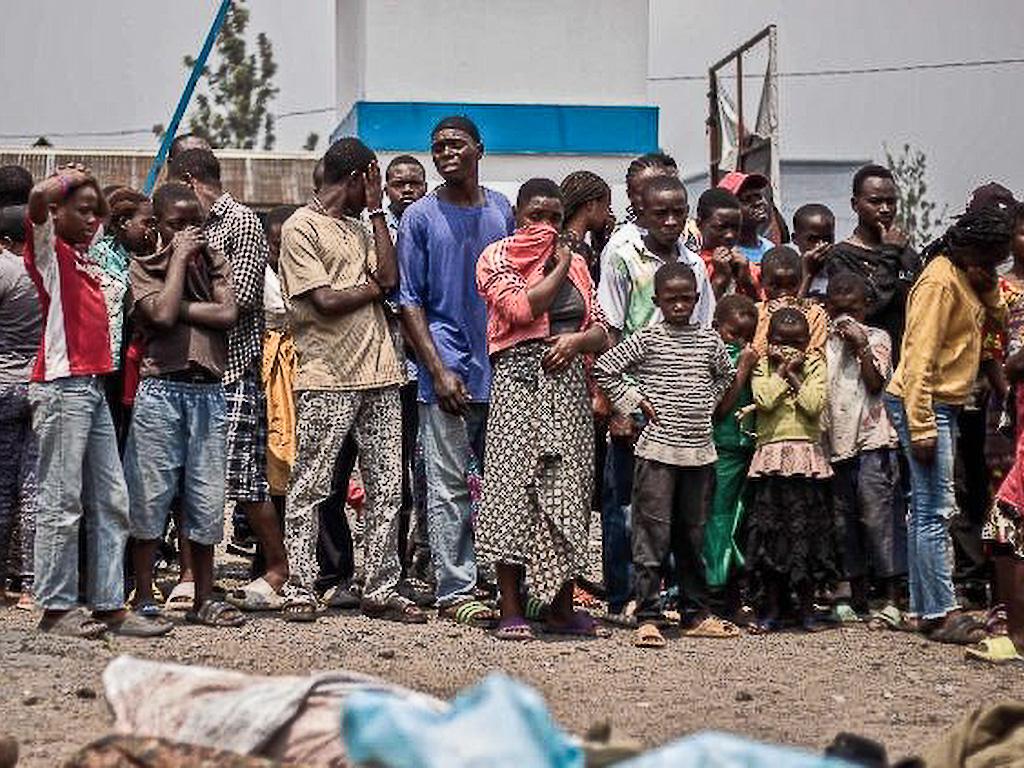
For several years now, and especially in recent months, the situation in eastern Democratic Republic of the Congo has been dramatic. This is largely due to the violent advance of the M23 militia, which, with the barely concealed support of neighbouring Rwanda, has taken control of much of the Kivu region, including its provincial capitals: Goma in the north and Bukavu in the south. These territorial gains have invariably been accompanied by the bloodshed of hundreds of civilians.
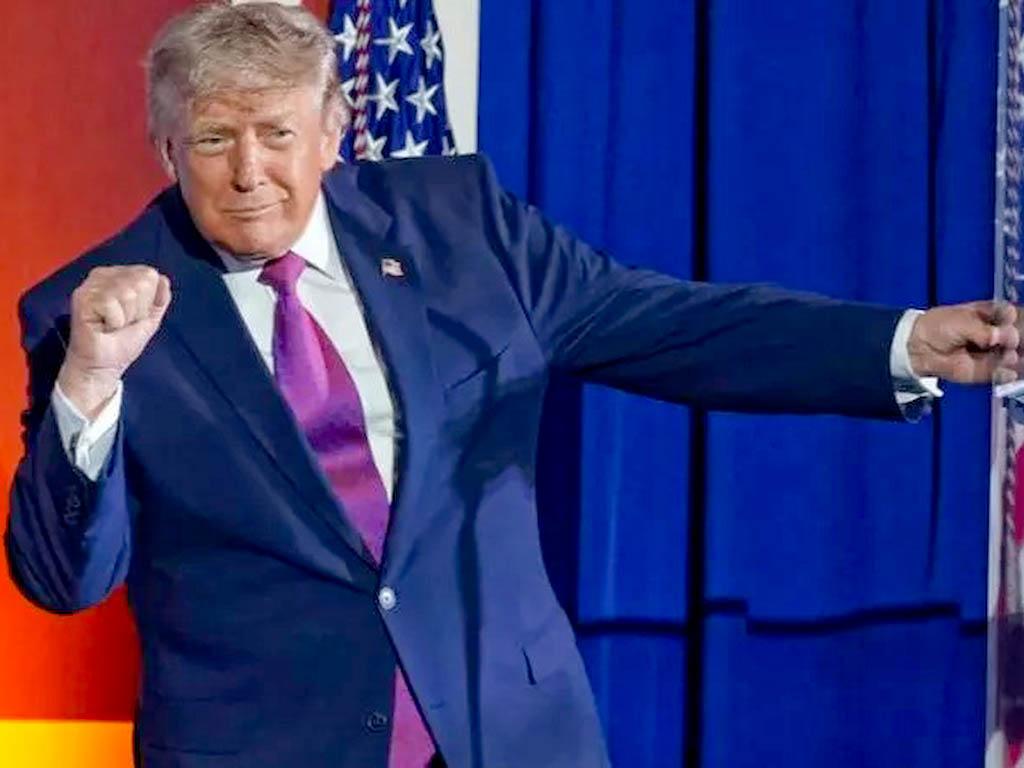
In recent weeks, however, the crisis has entered a phase of heightened volatility. To clearly understand what has unfolded, it is useful to review the main events in chronological order. The first occurred on 4 December, when Donald Trump brought together Congolese President Félix Tshisekedi and Rwandan President Paul Kagame at the White House. There, both leaders ratified a peace agreement that they had theoretically signed on 25 June, but which had never been implemented.
A paradigm shift
The following day, the Trump administration made public the Guidelines of the United States National Security Strategy. As reported by the Vatican agency Fides, the section devoted to Africa states unequivocally that the United States “must seek to cooperate with selected countries.” This cooperation aims not only to “reduce conflicts”, but also to “promote mutually beneficial trade relations and move from an aid-based paradigm to one centred on investment and growth, capable of harnessing the continent’s abundant natural resources and latent economic potential.”
This strategy—mediating in conflicts in order to secure advantageous conditions for the exploitation of local resources—is one the Republican administration has repeatedly pursued, whether in Ukraine or Azerbaijan, for example. In the Congolese case, it initially appeared to have succeeded, with Trump celebrating the prospect of “doing a lot of business” there, benefiting American companies with major interests in a region exceptionally rich in minerals.
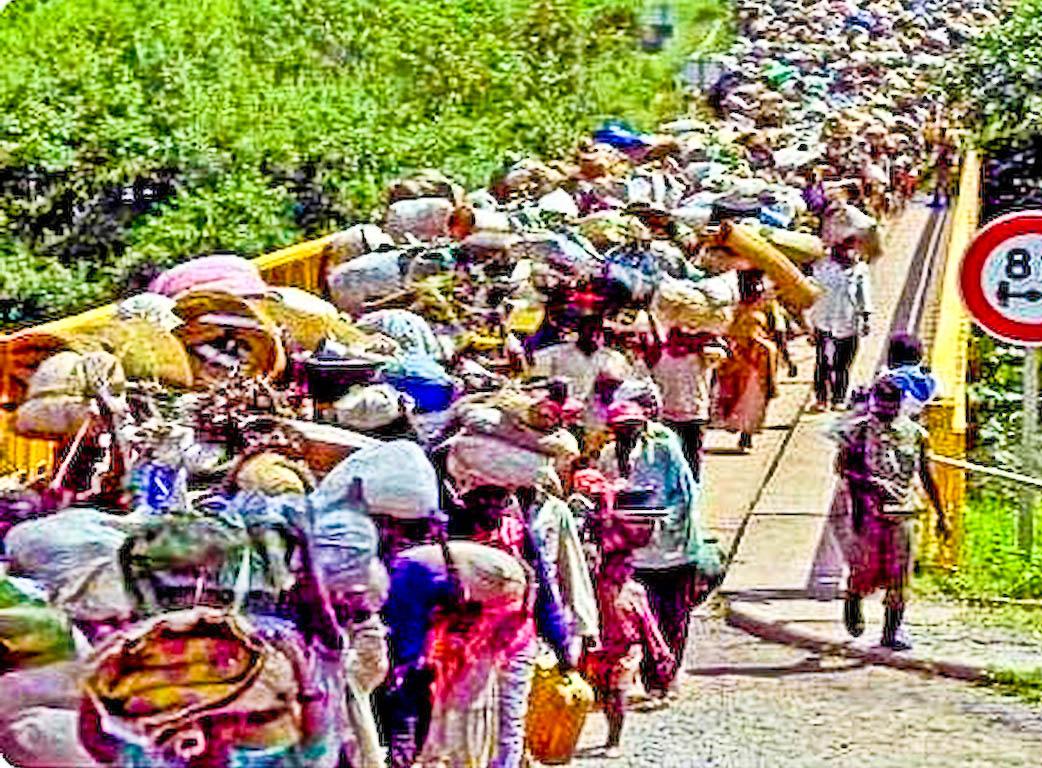
That illusion collapsed on 10 December, when the M23 disregarded the commitments made in Washington and seized Uvira, the second-largest city in South Kivu after Bukavu. As in previous offensives, the militia acted with extreme brutality against civilians, prompting local authorities to report “400 deaths and 200,000 displaced persons” forced to flee their homes in haste.
Papal anguish
Amid this renewed outbreak of violence, Pope Leo XIV, during the Angelus on Sunday 14 December, urged respect for the ceasefire signed only days earlier: “While expressing my closeness to the population, I exhort the parties to the conflict to cease all forms of violence and to seek constructive dialogue, while respecting the ongoing peace processes.”
On the same day, as reported by Radio Okapi, the Archbishop of Kinshasa, Cardinal Fridolin Ambongo, addressed the closing session of the 15th Plenary Assembly of the Association of Episcopal Conferences of Central Africa (ACECA). On that occasion, he offered a message of hope to his people, affirming that “no matter how intense the violence may be, peace remains possible.”
To achieve this, he stressed, it is essential to address the root causes of the conflict and to promote “an inclusive national dialogue” involving all stakeholders, as long advocated jointly by the Congolese Episcopal Conference and the network of evangelical churches. From this perspective, agreements such as Trump’s—driven more by commercial considerations than by humanitarian concerns—lack a solid foundation and inevitably collapse. “How can we understand that, less than a week after the ratification of the Washington agreements, Uvira was occupied?” he asked.
For the Great Lakes region
In order to move forward on a sound footing, Cardinal Ambongo also pointed to the work of the ACECA itself, an alliance of bishops from Burundi—where 40,000 refugees from Uvira have arrived in recent days and where fears are growing that the M23 offensive could spread—together with those of the Democratic Republic of the Congo and Rwanda. This body promotes “peace and social development” throughout the Great Lakes region.
As Cardinal Ambongo concluded, any peace strategy that “excludes the people and normalises the plundering of their resources” is bound to fail. The future can only lie in the pursuit of “a genuine and lasting peace”, founded on “a social pact for peace and coexistence.”
See, La paz de Trump entre congoleños y ruandeses fracasa porque excluye al pueblo y su fin es comercial
The comments from our readers (1)
 Russia’s war on Ukraine is entering a new phase. That does not mean the situation will change overnight, but the chances of escalation and the conflict spreading are growing.
The most [...]
Russia’s war on Ukraine is entering a new phase. That does not mean the situation will change overnight, but the chances of escalation and the conflict spreading are growing.
The most [...] 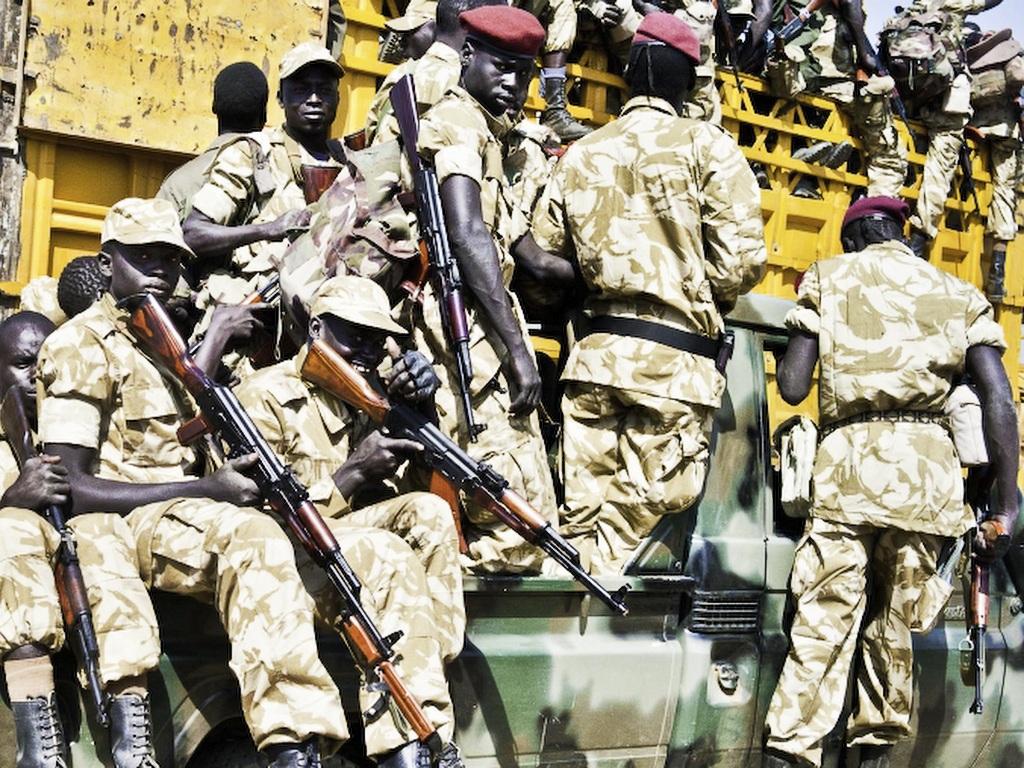 Recently, there was a summit between the United States and China, a meeting that had not taken place since 2017 and that brought together the leaders of the two powers competing for international [...]
  When, on 30 April, nearly 200 activists from the Global Sumud Flotilla were forcibly disembarked at a port on the southern coast of Crete after having been stopped by Israeli special forces, many [...]
  June 1944. Allied troops landed in Normandy to begin the liberation of Europe from Nazi rule. Operation Overlord, an unprecedented military offensive, paved the way to Victory in Europe Day in May [...]
  The situation is incredible, bordering on paradoxical, perhaps even ridiculous: in the midst of secularization, while individuals in their private lives do not care in the least about the dictates of [...]
  How do you assess the attack carried out by the United States and Israel against Iran? What will be its principal consequences?
The Middle East — and perhaps the rest of the world as well [...]
How do you assess the attack carried out by the United States and Israel against Iran? What will be its principal consequences?
The Middle East — and perhaps the rest of the world as well [...] 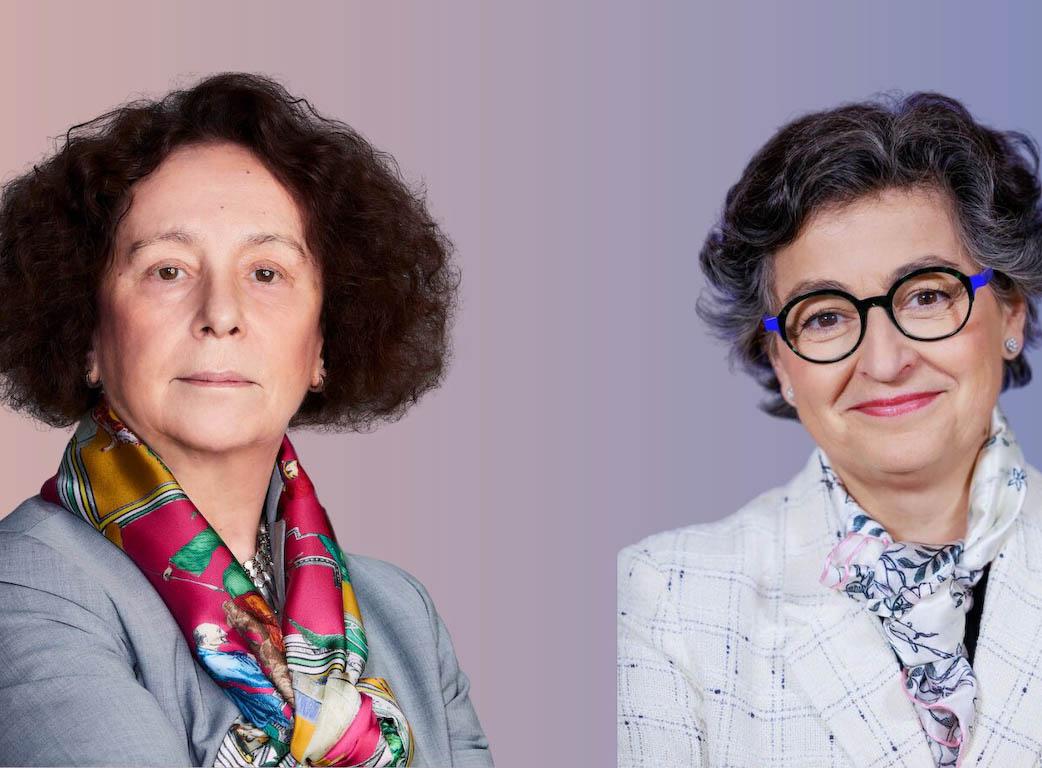 Until little more than a decade ago, the world order was based on a set of rules agreed by the Western bloc after the Second World War. Within that order, a hegemonic country — the United [...]
 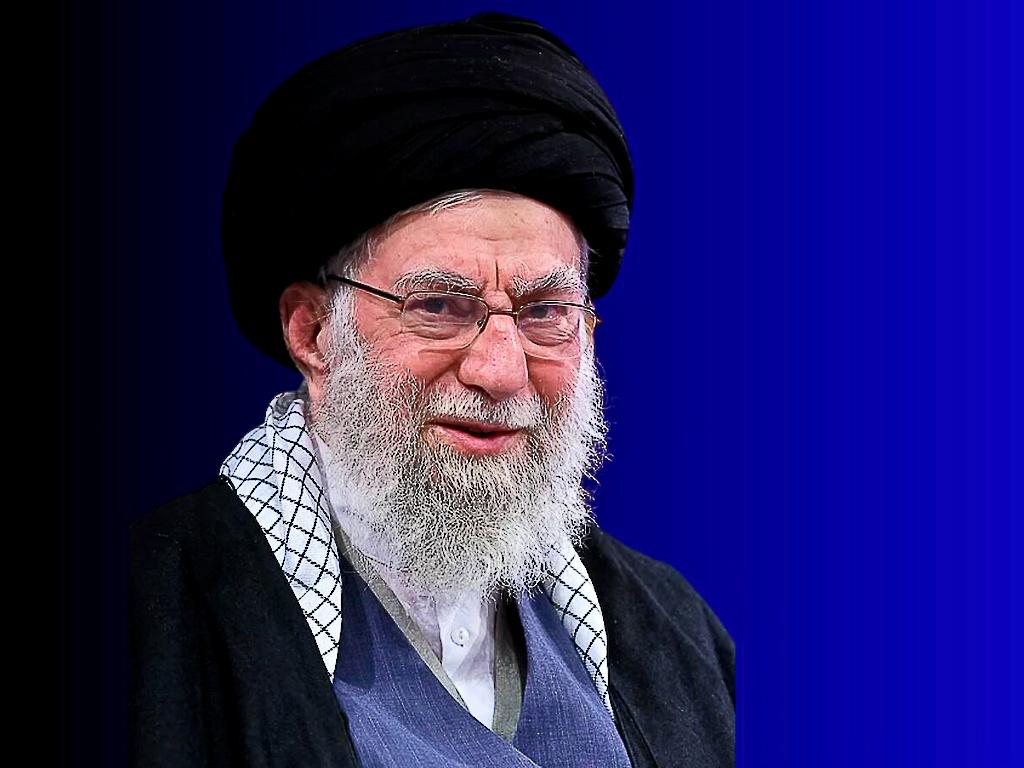 The death of Ali Khamenei does not close a chapter, yet it profoundly disrupts the Middle Eastern chessboard and forces us to ask whether such an assassination might unite a society that was [...]
 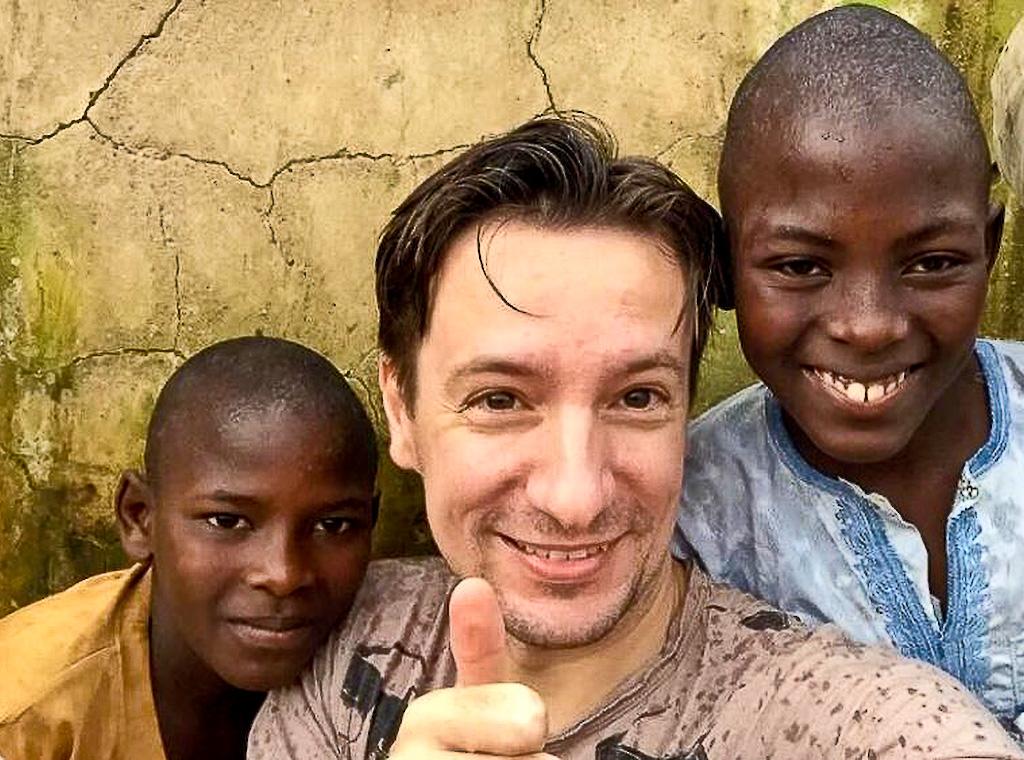 Let us gather the legacy of Luca Attanasio “in order to continue building a world in which peace is more desired than war, in which kindness is more necessary than violence, in which solidarity [...]
 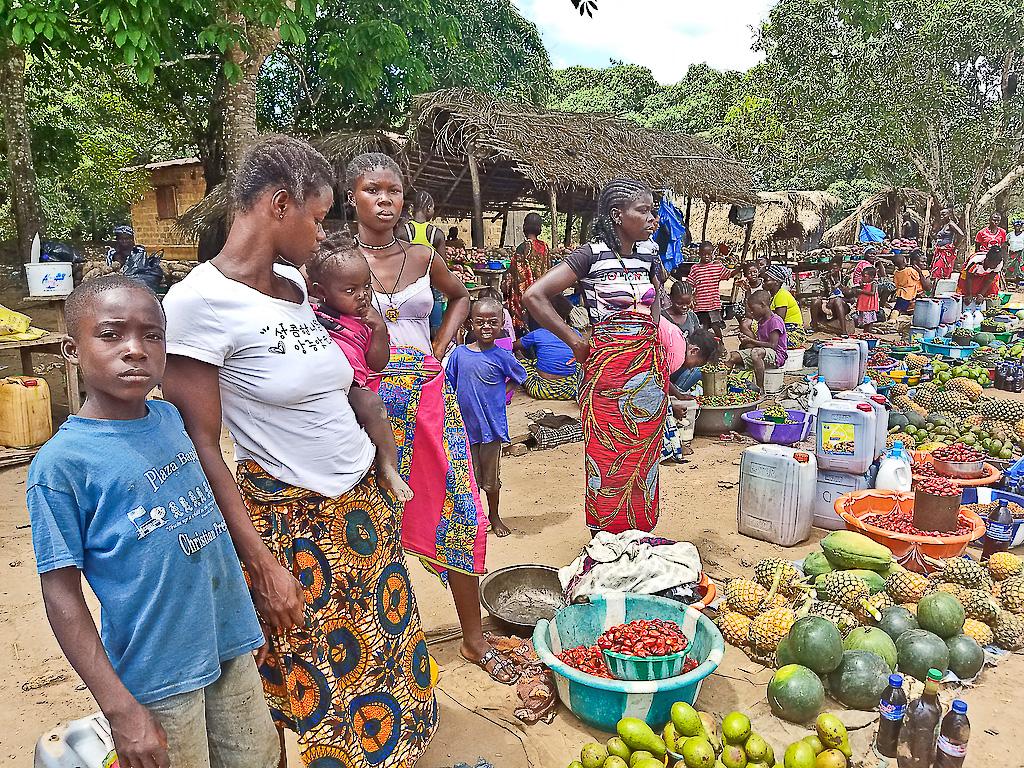 From North America to Africa, passing through Latin America and Oceania, no continent escaped the vast wave of European colonisation. Almost the entire globe experienced some form of European [...]
 Info
Email: jampypezzi@gmail.com - tel. +39 328 732 6990 / +243 991 457 856
This blog is made in 4 languages: it en fr es

 EDitt | Web Agency
Leave a comment