Justice, Peace, Integrity
of Creation
Justice, Peace, Integrity
of Creation
By John Paul Pezzi, Mccj
Justice, Peace, Integrity
of Creation
By John Paul Pezzi, Mccj
Justice, Peace, Integrity
of Creation
By John Paul Pezzi, Mccj
Justice, Peace, Integrity
of Creation
By John Paul Pezzi, Mccj
When Power Replaces Law
El Heraldo de México 07.01.2026 Rodrigo Guerra López* Translated by: Jpic-jp.orgThe right to use force requires respect for the very foundations of law
There are moments in history when the decisive question is not who possesses the greatest strength, but whether an order still exists that is capable of containing it. When international law and the institutions entrusted with upholding it become weakened, power tends to take their place.
“International law” was born with figures such as Francisco de Vitoria, who conceived the community of nations as a moral and legal order directed towards the common good. When law ceases to orient power towards the good, it dissolves into violence. For this very reason, the world needs a reform of the United Nations, and in particular, a reform of its Security Council.
What does “reform” mean?
First: representativeness.
A body that decides upon global peace and security cannot indefinitely reflect the power map of 1945. Latin America, Africa and large regions of Asia rightly demand greater weight. Political legitimacy forms part of legal effectiveness: A Council perceived as an exclusive club loses moral authority and its capacity to mobilise.
Second: limits to the veto.
The veto was created to prevent a rupture between great powers; today, far too often, it functions as insurance for impunity. Mechanisms are needed to prevent a single actor from blocking collective action.
Third: automatic pathways out of paralysis.
If the Council fails to act, an institutional channel with broader universal legitimacy — for instance, the General Assembly — must be activated without delay, enabling coordinated and verifiable decisions rather than mere statements.
Fourth,
and the most difficult: credible coercive mechanisms under multilateral mandate, subject to strict oversight. Without the capacity for legitimate coercion, international law is reduced to exhortation.
Here, the Social Doctrine of the Church provides a compass: peace is not the absence of war but the fruit of justice; and the international community needs institutions that genuinely serve the common good. This requires realism: law without force is fragile. But it also requires morality: force without law is tyranny. The point of balance is an international authority limited by law, structured subsidiarily, oriented towards human dignity, and governed by clear rules. This is how Benedict XVI understood it (“Caritas in veritate”, no. 67).
At this moment, we face a stark alternative: either we strengthen an international order in which power remains subject to law, or we return to a scenario in which law becomes merely the decorative language of the victors. Renewing the UN does not automatically guarantee peace. But failing to renew it points towards a return of the law of the strongest as the habitual grammar of world politics.
Indeed, Pope Leo XIV is not unfamiliar with a perspective in which power is constrained. Looking directly at the case of Venezuela, he states: “The good of the beloved Venezuelan people must prevail over every other consideration and lead to overcoming violence and embarking upon paths of justice and peace, guaranteeing the sovereignty of the country, ensuring the Rule of Law enshrined in the Constitution, and respecting the human and civil rights of each and every person” (4 January 2025).
See: Ver, Cuando el poder sustituye al derecho
Secretary of the Pontifical Commission for Latin America*
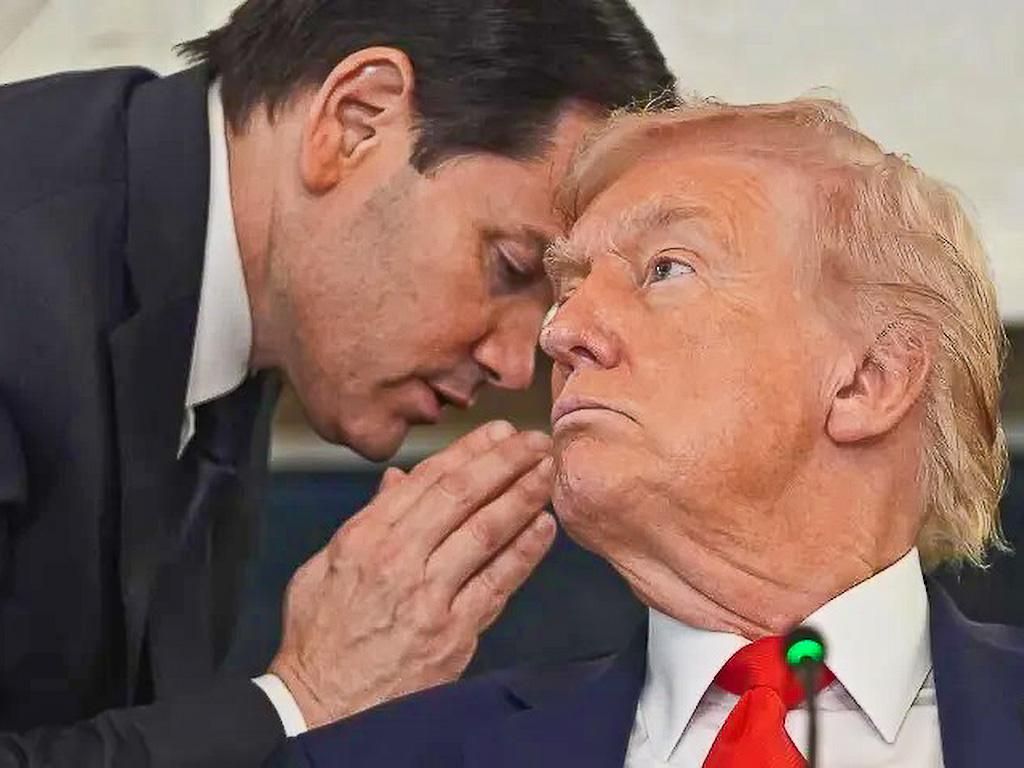
Photo: Marco Rubio and Donald Trump, October 2025 © Evan Vucci / AP Photo
The comments from our readers (1)
 Russia’s war on Ukraine is entering a new phase. That does not mean the situation will change overnight, but the chances of escalation and the conflict spreading are growing.
The most [...]
Russia’s war on Ukraine is entering a new phase. That does not mean the situation will change overnight, but the chances of escalation and the conflict spreading are growing.
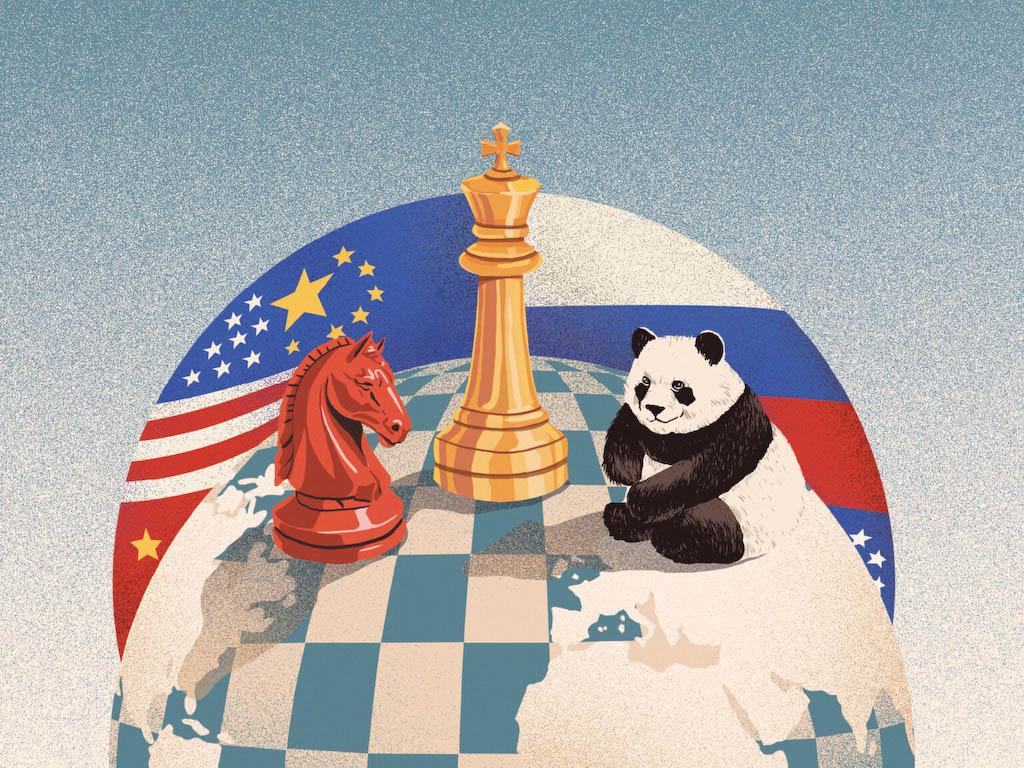
The most [...]  Recently, there was a summit between the United States and China, a meeting that had not taken place since 2017 and that brought together the leaders of the two powers competing for international [...]
 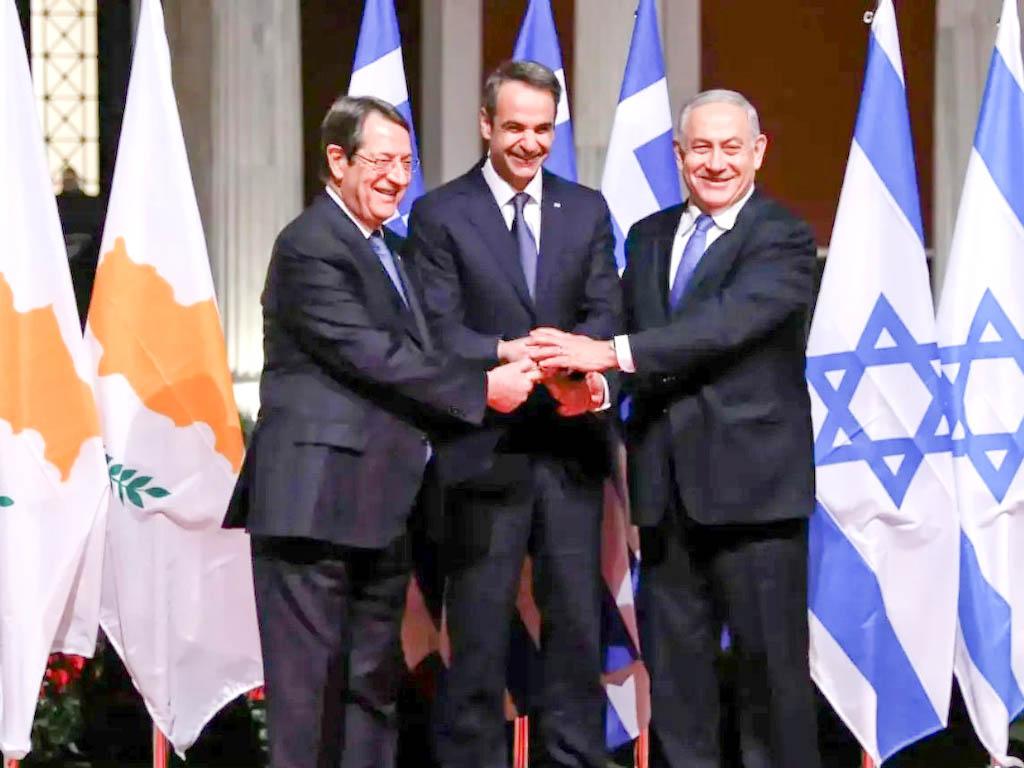 When, on 30 April, nearly 200 activists from the Global Sumud Flotilla were forcibly disembarked at a port on the southern coast of Crete after having been stopped by Israeli special forces, many [...]
  June 1944. Allied troops landed in Normandy to begin the liberation of Europe from Nazi rule. Operation Overlord, an unprecedented military offensive, paved the way to Victory in Europe Day in May [...]
  The situation is incredible, bordering on paradoxical, perhaps even ridiculous: in the midst of secularization, while individuals in their private lives do not care in the least about the dictates of [...]
  How do you assess the attack carried out by the United States and Israel against Iran? What will be its principal consequences?
The Middle East — and perhaps the rest of the world as well [...]
How do you assess the attack carried out by the United States and Israel against Iran? What will be its principal consequences?
The Middle East — and perhaps the rest of the world as well [...] 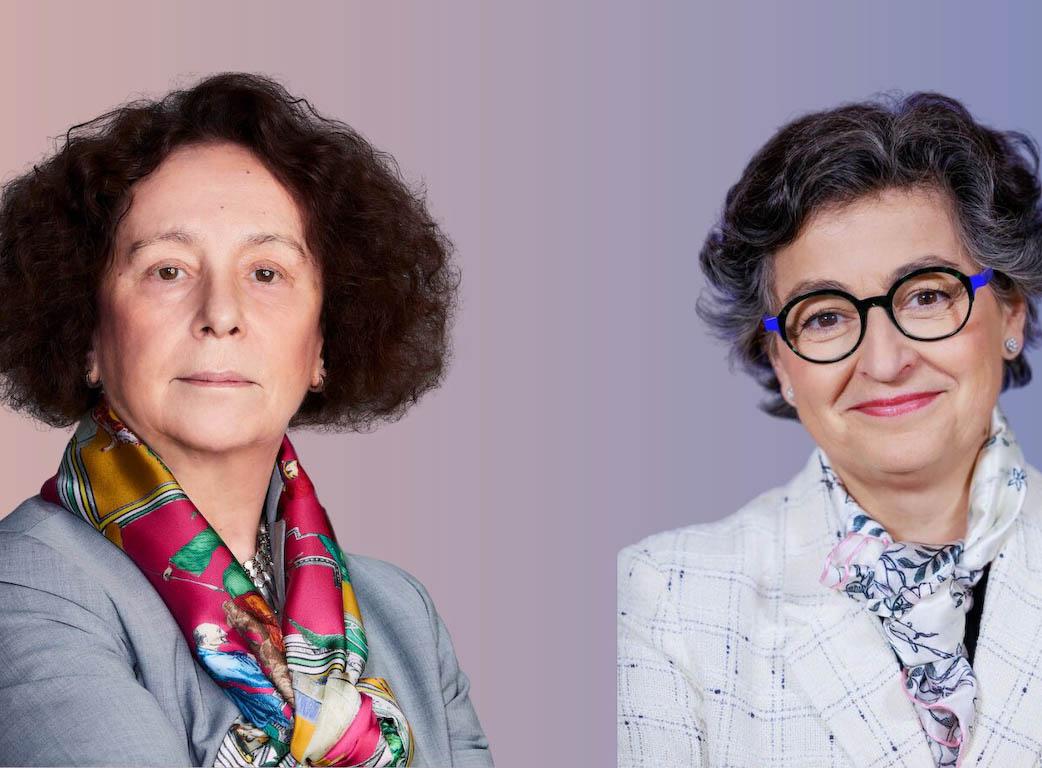 Until little more than a decade ago, the world order was based on a set of rules agreed by the Western bloc after the Second World War. Within that order, a hegemonic country — the United [...]
 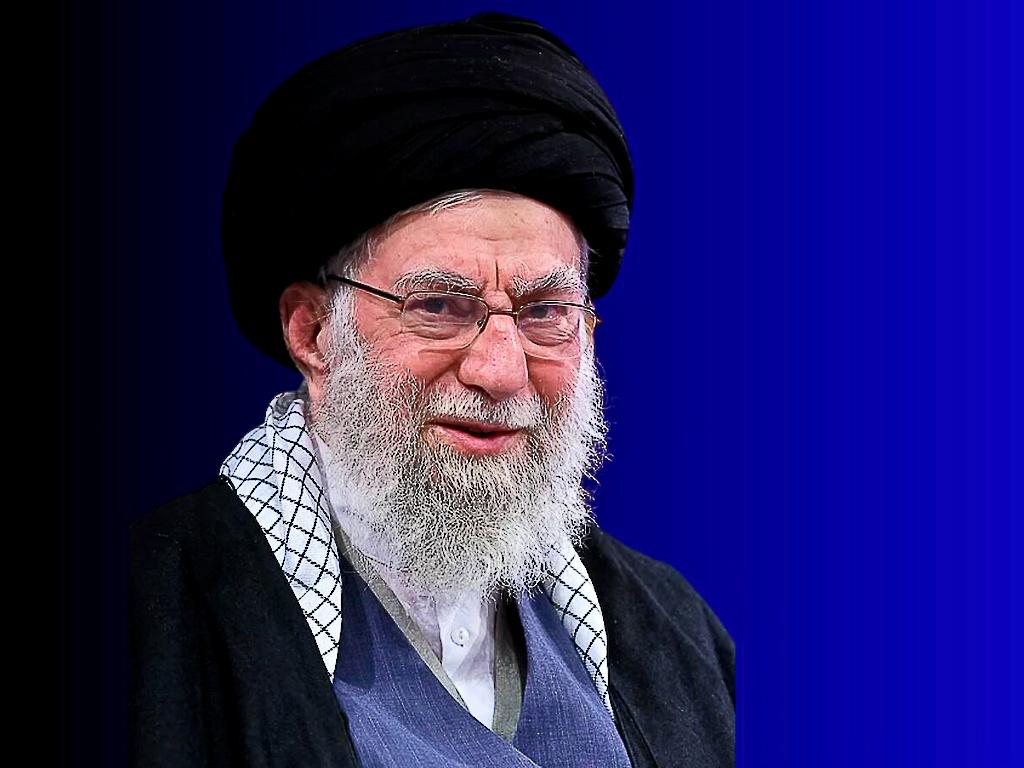 The death of Ali Khamenei does not close a chapter, yet it profoundly disrupts the Middle Eastern chessboard and forces us to ask whether such an assassination might unite a society that was [...]
 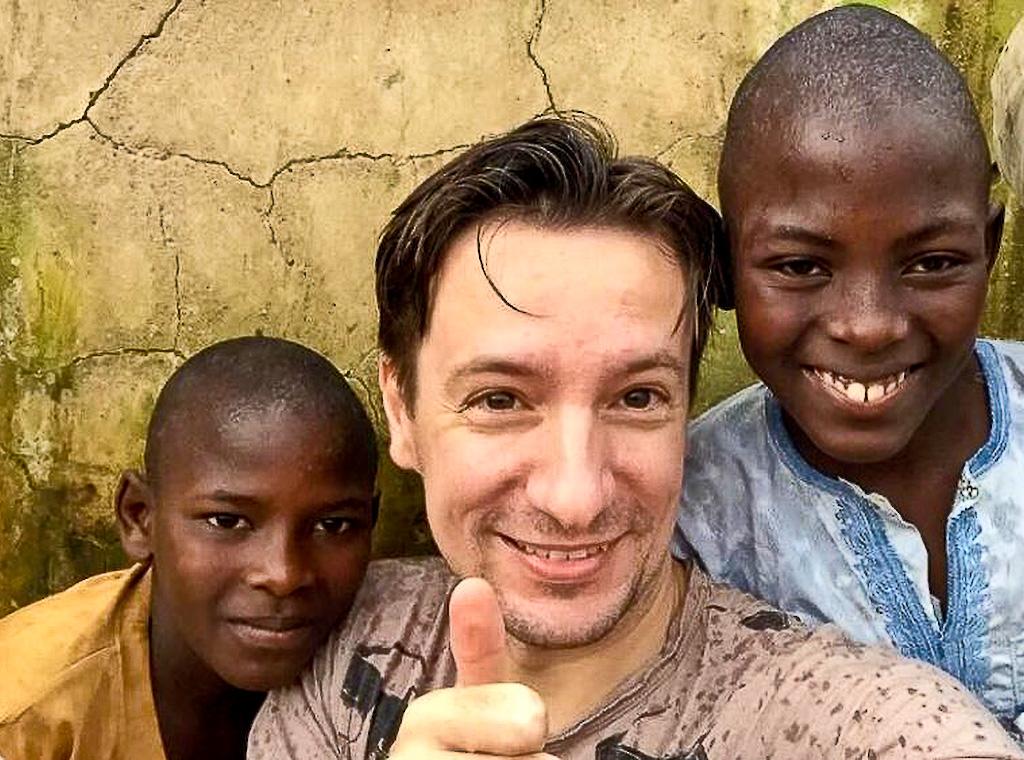 Let us gather the legacy of Luca Attanasio “in order to continue building a world in which peace is more desired than war, in which kindness is more necessary than violence, in which solidarity [...]
 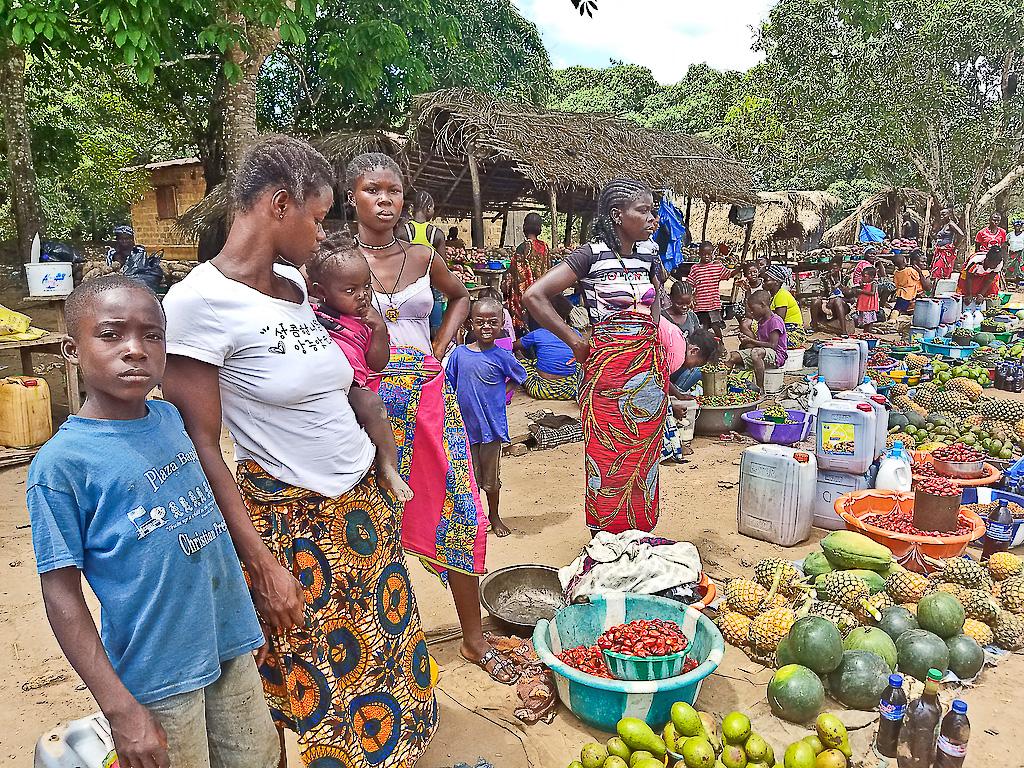 From North America to Africa, passing through Latin America and Oceania, no continent escaped the vast wave of European colonisation. Almost the entire globe experienced some form of European [...]
 Info
Email: jampypezzi@gmail.com - tel. +39 328 732 6990 / +243 991 457 856
This blog is made in 4 languages: it en fr es

 EDitt | Web Agency
Leave a comment