
Justice, Peace, Integrity
of Creation
Justice, Peace, Integrity
of Creation
By John Paul Pezzi, Mccj
Justice, Peace, Integrity
of Creation
By John Paul Pezzi, Mccj
Justice, Peace, Integrity
of Creation
By John Paul Pezzi, Mccj
Justice, Peace, Integrity
of Creation
By John Paul Pezzi, Mccj
From glue to a life of dignity for street children
Settimana News 07.04.2026 Arianna Genesio Translated by: Jpic-jp.orgTone La Maji is located in Nkaimurunya, in Kajiado North sub-county, south of Nairobi. It appears as a rural compound nestled in the forest, with simple buildings and open spaces that immediately convey a deep sense of tranquillity. It is a welcoming place, inviting passers-by to step inside.
In reality, Tone La Maji is a rehabilitation centre run by the Koinonia Community, a Christian community founded in Kenya in the 1990s by Italian Comboni missionary Father Kizito. Its mission is to rehabilitate, care for and educate vulnerable children, before reintegrating them into their families or communities of origin.
The centre currently hosts 45 boys, all minors, with diverse backgrounds and ages. Life at Tone La Maji follows a structured routine: the day begins at dawn with prayer, followed by breakfast and school, with some attending primary education and others higher levels. Staff strive to recreate a typical African family environment, where each child feels welcomed and experiences the warmth of family life.
“A child belongs to the community,” states an ancient African proverb. This principle underpins the entire project: the belief that no child should grow up alone, but within a shared journey where adults take responsibility for guidance, protection and opportunity.
Tone La Maji was established precisely as a sign of hope for children in hardship, particularly those living on the streets.
The harsh reality of street children
In Kenya, an estimated 250,000 to 300,000 children are “connected to the street”. In Nairobi alone, around 3,000 boys and girls sleep on the streets at night, while up to 60,000 others live and work on the streets during the day [Dati Rescue Data Center].
The causes are multiple: poverty, families unable to meet basic needs, and dysfunctional households often marked by abuse, domestic violence and neglect. According to UNICEF, 45% of minors in Kenya—around 9.5 million under 18—live in poverty.
Poverty, and with it hunger, becomes the greatest enemy, forcing children to turn to the streets as a survival strategy. Lack of regular access to food and water drives them to seek any means to ease hunger and exhaustion. In such extreme conditions, substances such as glue, bhang or other light drugs become their only “companions”.
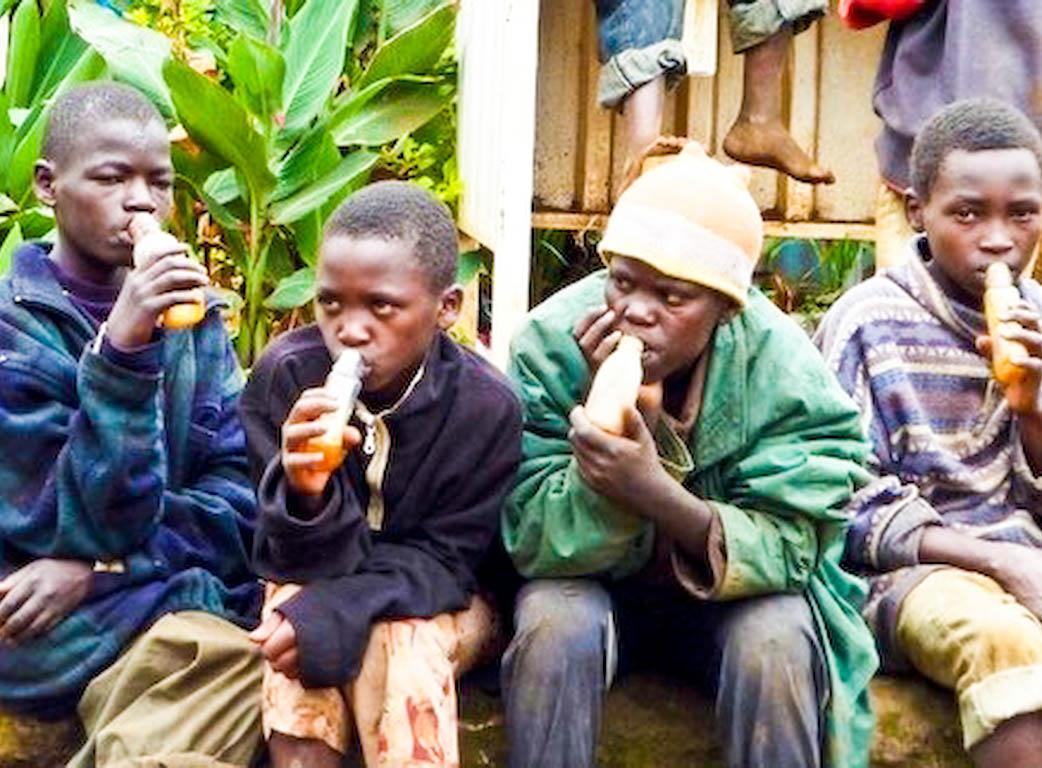
Glue, particularly shoe glue, is widely abused. It is inhaled to induce a temporary high. Known locally as kamusina, it is supplied by local cobblers, themselves living in poverty, fuelling a cycle of exploitation that benefits a few at the expense of vulnerable children.
The primary function of such substances is to forget. Even briefly, users escape hunger, cold and daily violence. “When I sniff glue, for a few hours I don’t feel pain, hunger or fear. It’s the only way to survive,” said one street child in Nairobi.
In the short term, inhaling kamusina causes intoxication-like effects. However, in the long term it has devastating consequences: depression, loss of concentration and impaired coordination. These children are often referred to as “zombie children”, wandering aimlessly with plastic or glass bottles, sold for less than 25 cents along the roadside.
This search for immediate relief carries severe risks: addiction, brain damage, lung impairment and even overdose.
It also fuels criminal networks exploiting children’s vulnerability. To obtain these substances, minors are often forced to steal or comply with demands from adults or criminal groups. Street life thus becomes a relentless cycle of hunger, abuse and dependency, where daily survival overrides all other rights.
A story of rebirth
Among these children, two now live at Tone La Maji: Baraka and Daniel, aged 11 and 13, who once survived on Nairobi’s streets by sniffing glue.
Through sustained outreach and trust-building, staff welcomed them into the centre. They underwent a symbolic ritual of burning their clothes, marking the break from their past life, before gradually rebuilding their lives in Kajiado.
Rehabilitation goes far beyond removing children from the streets: it requires safety, trust, education and social reintegration. The first step is always contact and trust-building, approached with respect and without judgement, often offering food, water or simply attention.
At Tone La Maji, the boys are slowly reclaiming their childhood, security and the chance to grow without fear. Beyond schooling, they rediscover themselves through sport, spiritual support, leisure and community life.
Today, Baraka and Daniel are no longer invisible children. Day by day, they regain confidence and belief in their abilities. Tone La Maji has helped mend their broken childhoods, restoring dignity, care and hope.
“Koinonia”, from the Greek meaning “communion”, reflects this mission: a place where the vulnerable belong.
 More than once, looking back on the eight years I spent in that country—my first real missionary experience—I have been told that the past is past, that history does not return, and that [...]
  A desert outing — in a landscape that is beginning to bloom — was organised for the children attending the nursery school of the Mihtawish Bedouin community, which lives in the villages [...]
  Yet, people work, sing, laugh, pray, bicker, marry and make plans. As if nothing is going on? Carefreeness, carelessness, superficiality, an effort to escape the present, resilience? Perhaps a bit of [...]
 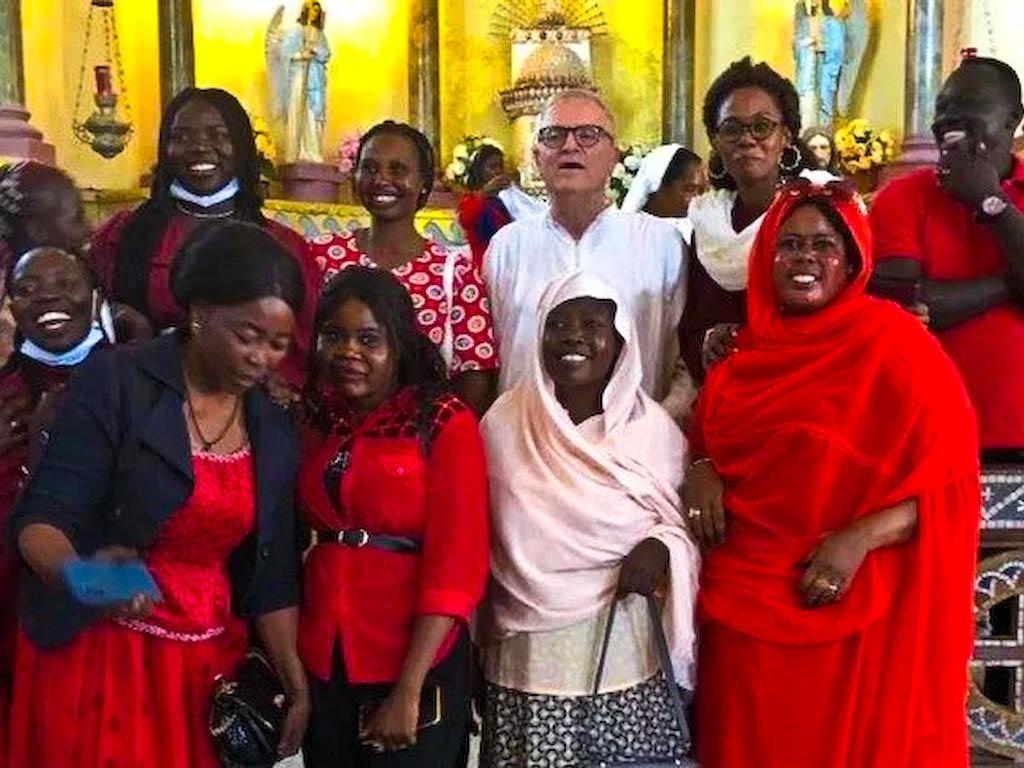 The students, the school, the buzz of the packed classrooms, the religious services attended with "great joy" and the charitable work. On his return to Sudan ten days ago, Father Norberto [...]
 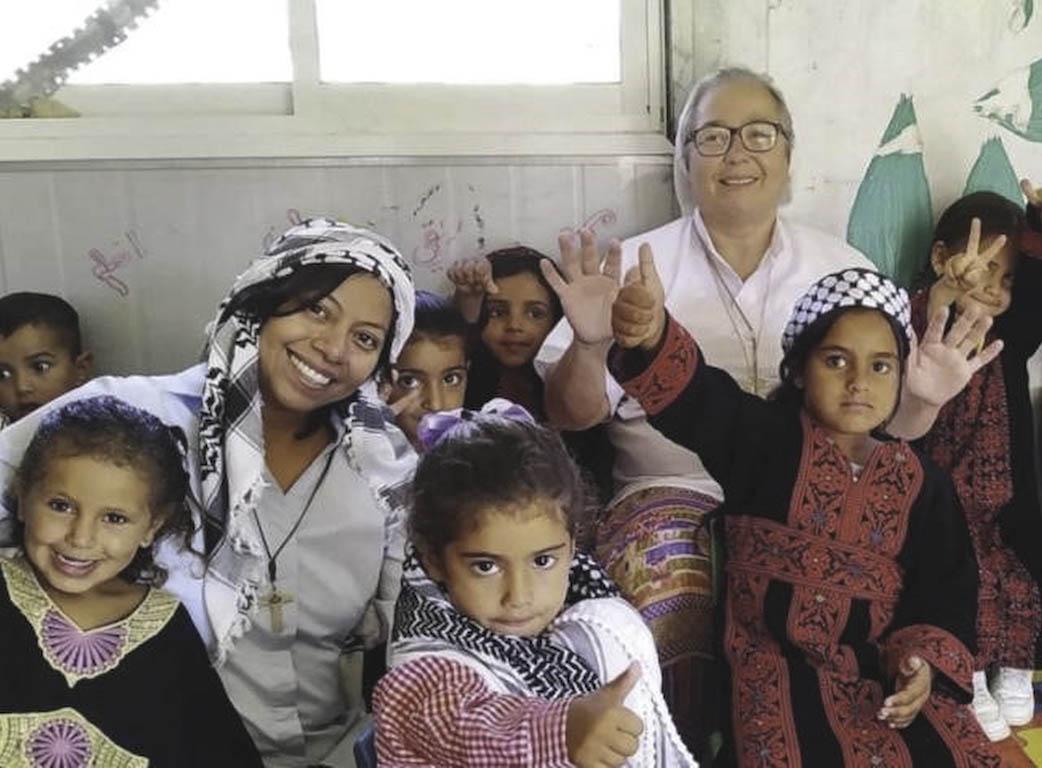 Assalamu Alaikum (‘Peace be upon you’) is the greeting with which we are greeted every time we visit the Bedouin communities in Palestine. Although the word ‘peace’ is part of [...]
 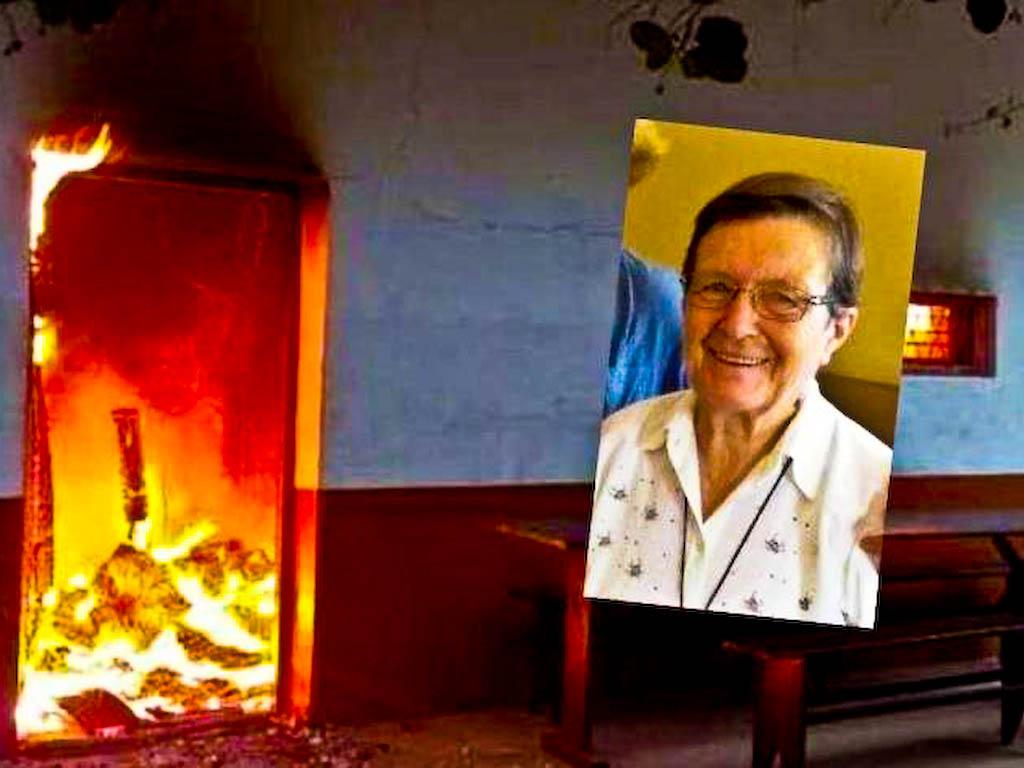 They arrived at the mission around nine in the evening on pickup trucks and started shooting and throwing grenades. One commando entered the nuns’ house, shooting at everything they saw. In the [...]
 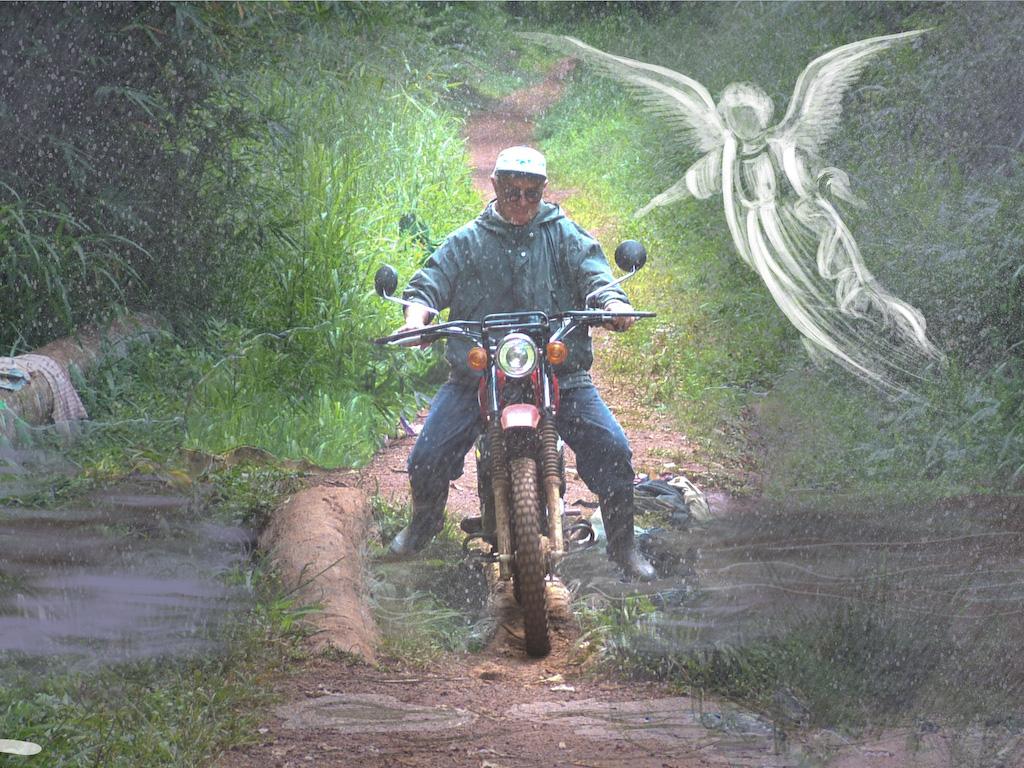 On the morning of a splendid day, I left at dawn for Sunday Mass at the Ekango Chapel, Maboma Mission (DRC). Ekango is a modest Christian community, not very organized, where catechists and leaders [...]
 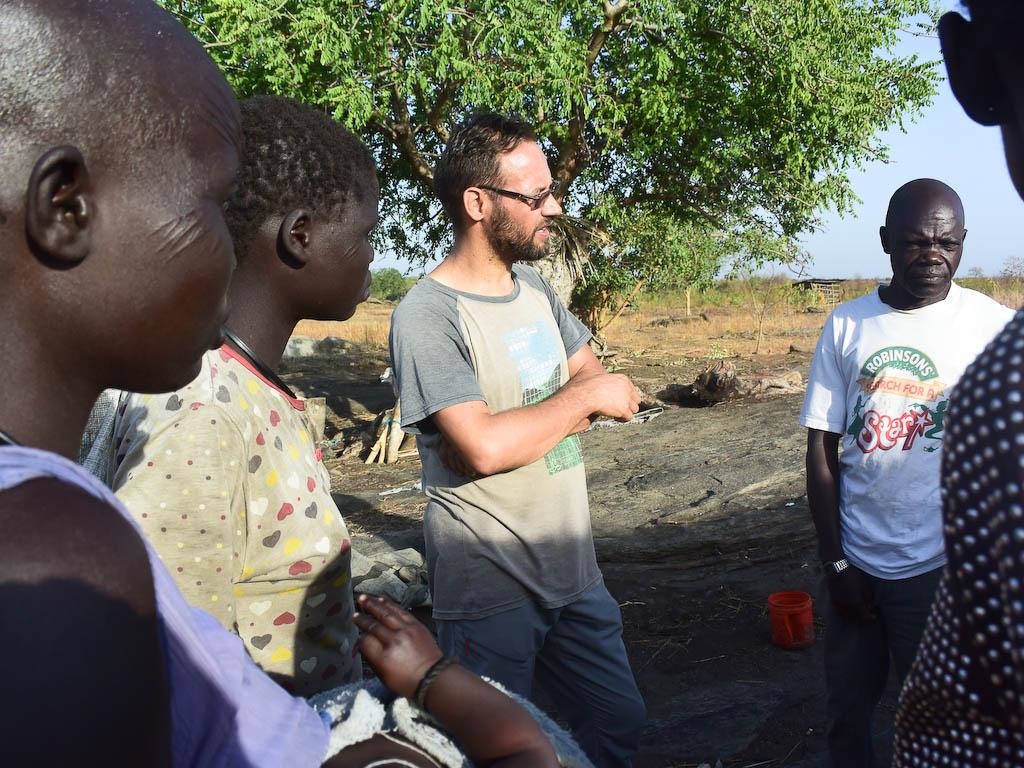 My confreres were very helpful and they were a continuous point of reference for me. I made friends with many Nuer youths who endeavoured to teach me their language. Every day I spent hours under the [...]
  I contemplate the borderless Wau’s land. While the ground passes behind, a cloud of memories suddenly brought me back to the past. Wau! A name I heard first long time ago, in 1957 when I joined [...]
 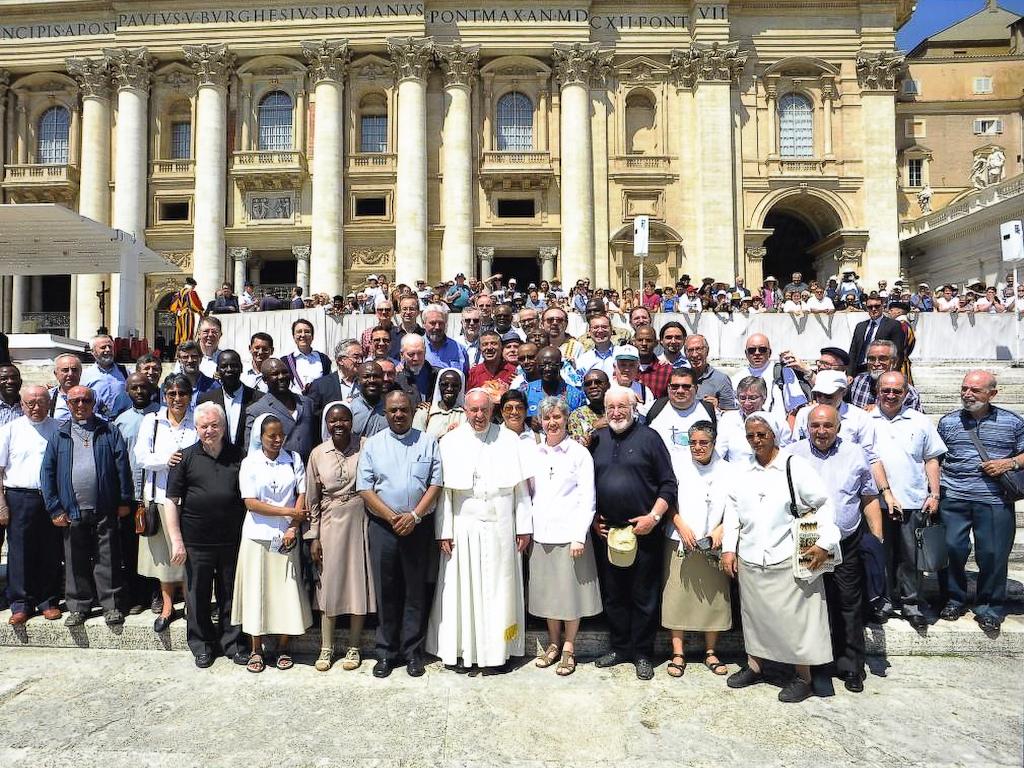 The birth of our Institute did not happen in a laboratory. Rather, it is the fruit of a long process of life and mission. It was a painful birth at a time of major change in the world. We were born [...]
 Info
Email: jampypezzi@gmail.com - tel. +39 328 732 6990 / +243 991 457 856
This blog is made in 4 languages: it en fr es

 EDitt | Web Agency
Leave a comment