Justice, Peace, Integrity
of Creation
Justice, Peace, Integrity
of Creation
By John Paul Pezzi, Mccj
Justice, Peace, Integrity
of Creation
By John Paul Pezzi, Mccj
Justice, Peace, Integrity
of Creation
By John Paul Pezzi, Mccj
Justice, Peace, Integrity
of Creation
By John Paul Pezzi, Mccj
Leo's Africa visit: A way to enter the global conversation
UCA 24.04.2026 Antonio Spadaro Translated by: Jpic-jp.orgThe first great apostolic trip of Pope Leon XIV — eleven days, four countries, an all continent as horizon — was more than a pastoral pilgrimage.
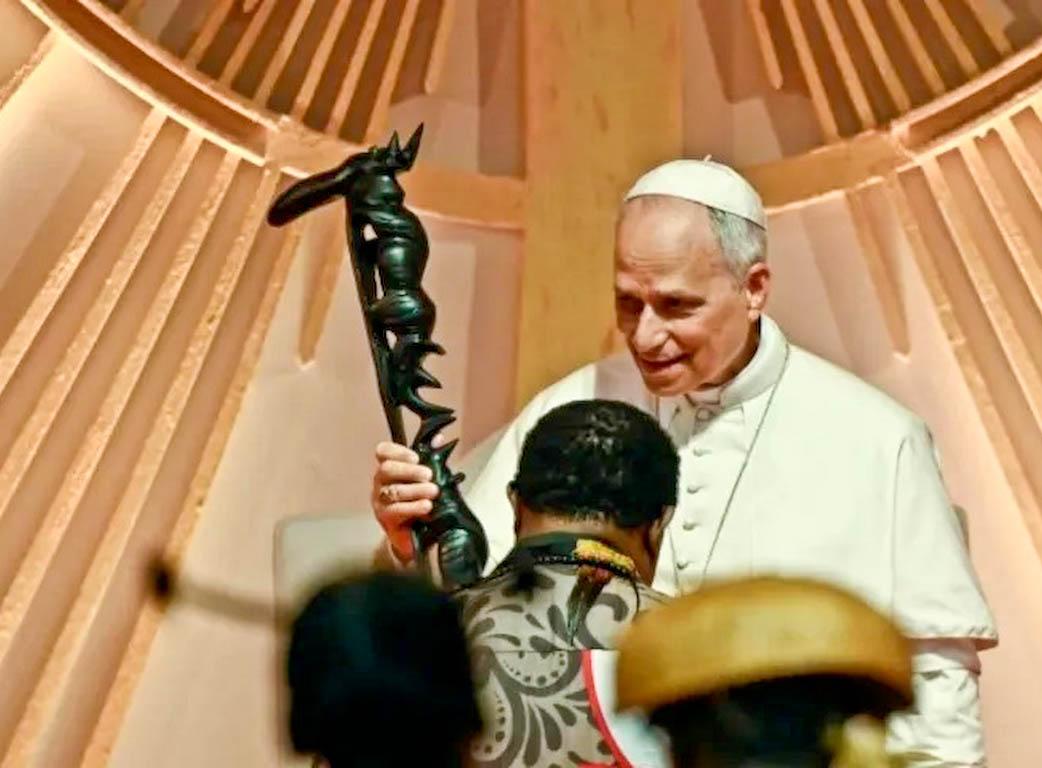
A journey is never just an itinerary. It is a way of speaking. And Pope Leo XIV’s trip to Africa reads as the opening movement of a pontificate that intends to address the world without hesitation.
What emerges is not a list of themes but a single, coherent vision. At its centre lies a refusal: that war can ever be a legitimate instrument for resolving conflicts. Against that assumption, Leo proposes a more demanding idea of peace — not merely the suspension of violence, but a fabric woven from justice, dignity, and forgiveness.
It is a peace that disarms not only arsenals but also imaginations, undoing the knots that violence only tightens.
From here, his gaze widens to encompass the forces that shape the present global order. The old language of colonial domination has not disappeared; it has taken a new form. It survives in the relentless extraction of resources, in economic systems that convert inequality into profit, and in a technological race that risks becoming an extension of conflict by other means.
Africa stands at the centre of this tension, not as a passive ground for exploitation, but as the place where the contradictions of globalization are most visible.
In this landscape, power itself is called into question. Tyranny and corruption are not treated as moral lapses but as structures that produce fear, sadness, and division, eroding the very possibility of trust.
Leo counters this with a vocabulary that is at once simple and radical: relationship, joy, hope, solidarity. These are not decorative words but forces capable of reconfiguring public life.
The same logic applies in the international sphere, where the erosion of law yields to the primacy of force. The pope’s insistence on shared rules, accountability, and multilateral responsibility is not procedural; it is ethical. Without it, even the most advanced technologies — artificial intelligence among them — risk becoming instruments of domination rather than tools for human flourishing.
Yet the most striking shift is a change in perspective. Africa is not treated as an object of concern but as a subject — bearer of a wisdom and a vitality that the so-called dominant world seems, in part, to have lost. The invitation is neither rhetorical nor paternalistic: it is a call not to yield, not to be absorbed into a flattened global sameness.
One year after the death of Pope Francis, recalled with emotion during the flight to Malabo, continuity is unmistakable. But so is the forward thrust. The questions on the table — militarized artificial intelligence, the geopolitics of rare earths, climate instability, digital exclusion, and deepening polarization — belong unmistakably to the present.
This was not merely a trip. It was a beginning: a way to enter the global conversation not from the margins but from a moral centre that refuses to yield to the logic of inevitability.
See, Leo's Africa visit: A way to enter the global conversation
 World Slowness Day was founded on the idea that speed is not always synonymous with progress or happiness. In the contemporary world, we are constantly encouraged to rush: work, travel, communication [...]
 Resentment spreads everywhere, but it is not a natural condition. It is rather an illness, one that we can and must heal through openness of mind and heart.
Hatred, in fact, sadly begets hatred. The [...]
Resentment spreads everywhere, but it is not a natural condition. It is rather an illness, one that we can and must heal through openness of mind and heart.
Hatred, in fact, sadly begets hatred. The [...]  In an era marked by growing geopolitical tensions, bloody conflicts, and a troubling return to the logic of rearmament, a radical and bold proposal emerges strongly, yet is deeply rooted in the [...]
 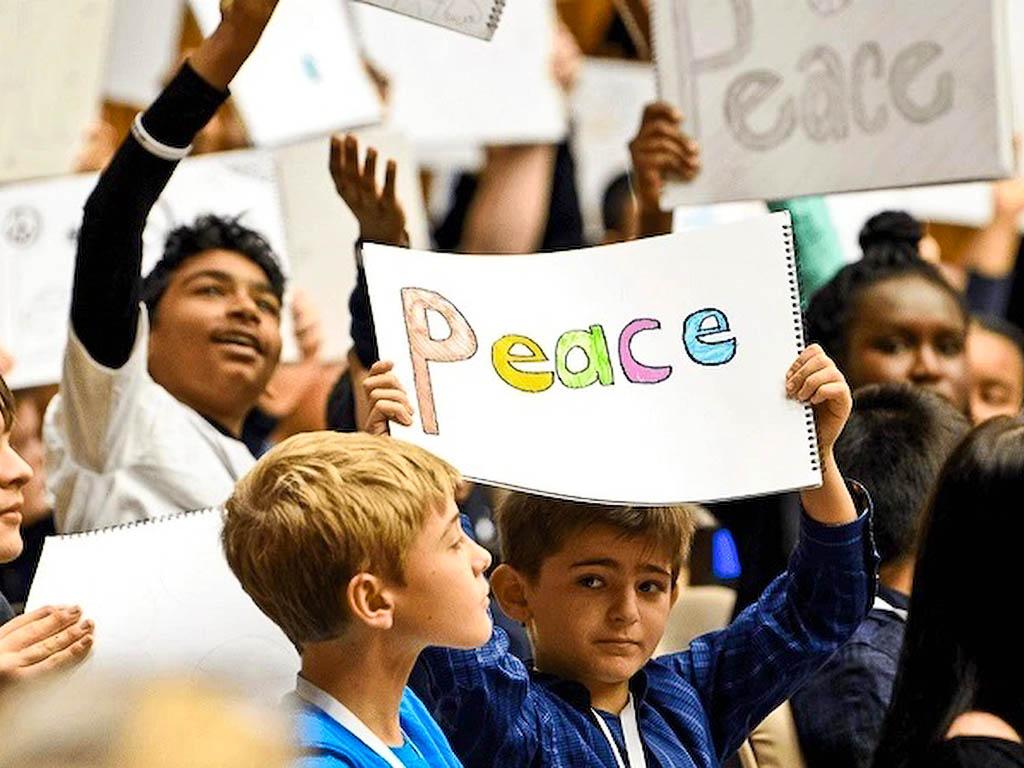 In recent years, the world is witnessing a worrying phenomenon: the habit of war. Mass psychological campaigns, aimed at presenting catastrophe as a normal horizon, are turning conflict into a [...]
 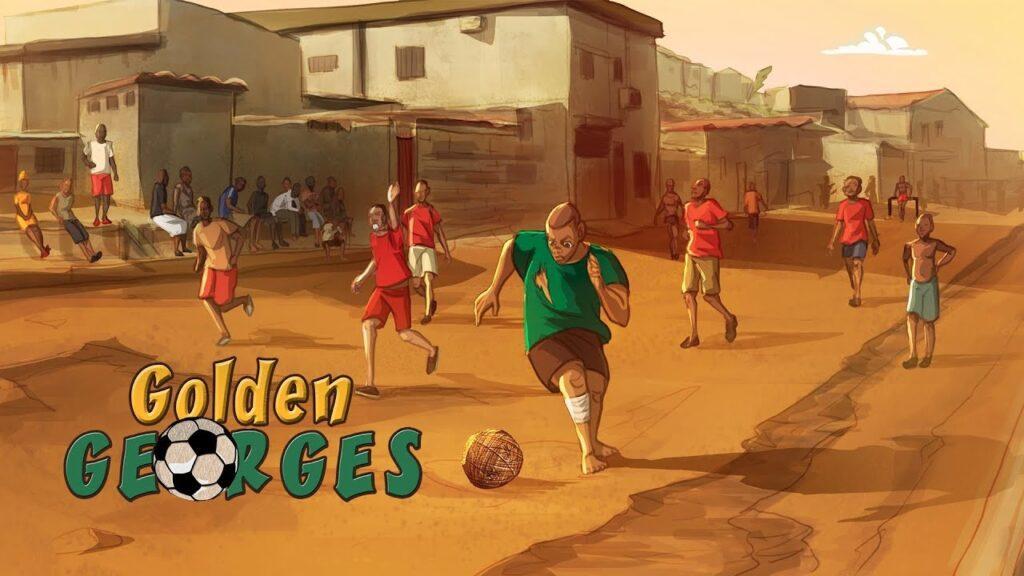 Africa paralysed by some sort of curse is the opposite of the image of the more 'developed' world: industrious, energetic, perpetually evolving. And yet, every time I cross the Mediterranean, [...]
 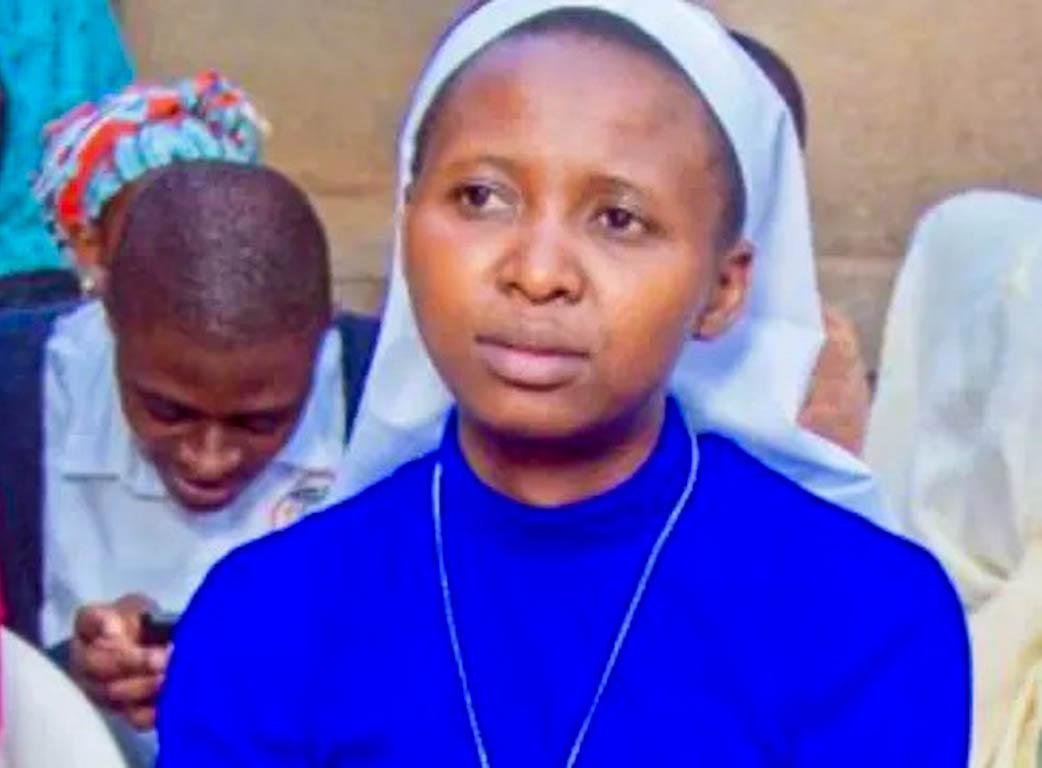 It is once again a chilling figure that Aid to the Church in Need revealed in a press release on 27 December 2022. More than 100 priests and nuns were kidnapped, arrested or killed during the year [...]
 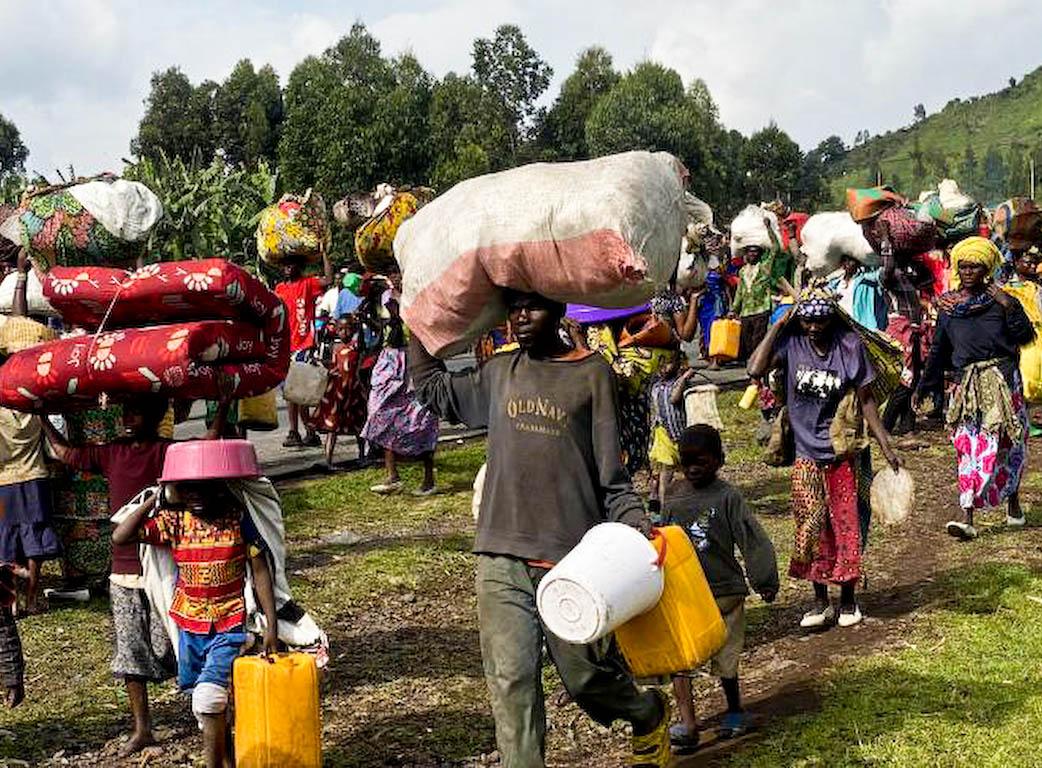 A country whose vast province is being invaded by rebels supported by a neighbouring country... Where, after two decades of continuous presence, the Blue Helmets are powerless and content to count [...]
 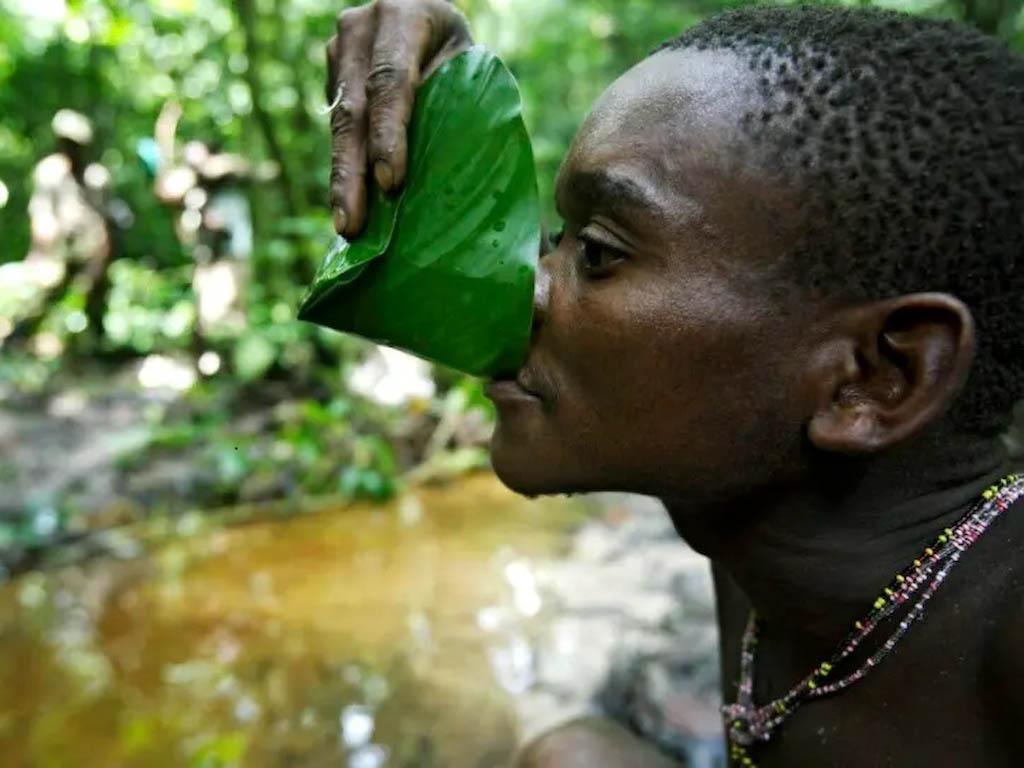 Messok Dja, an area of Congo rainforest especially rich in biodiversity, is the ancestral land of the Baka people who have managed the forest since time immemorial. The Baka are one of the many Pygmy [...]
 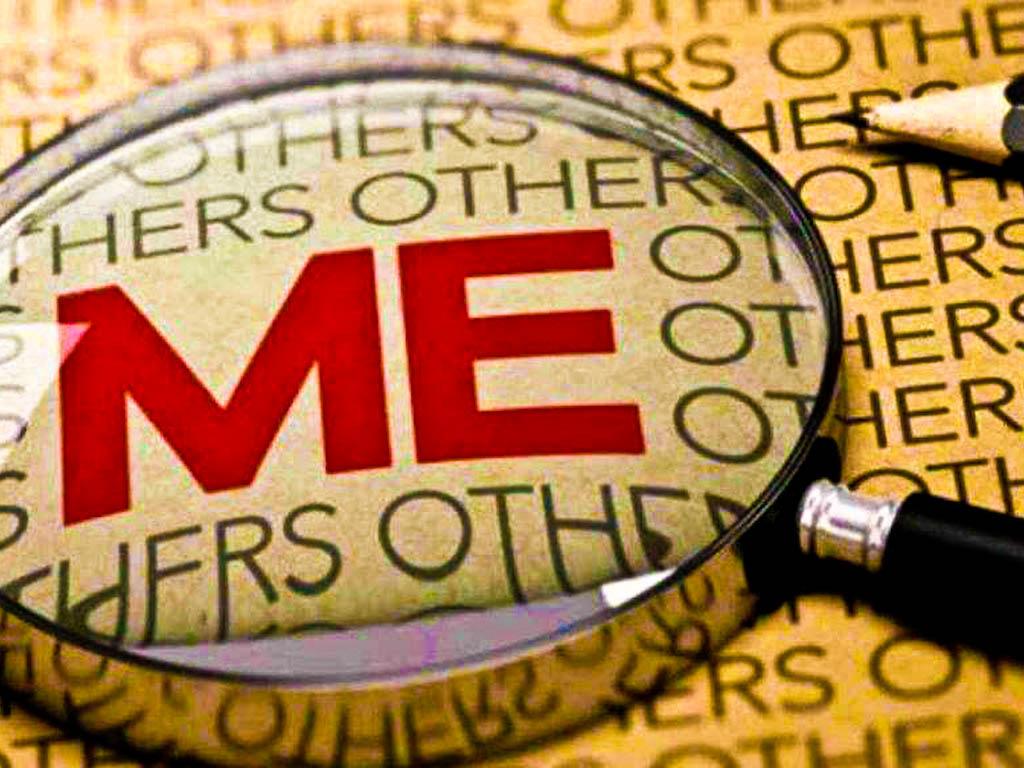 People are ready to take full credit for their successes and to blame others for their failures & bad luck. In psychology, it is a subjective evaluation that is distant from reality, and not [...]
 Info
Email: jampypezzi@gmail.com - tel. +39 328 732 6990 / +243 991 457 856
This blog is made in 4 languages: it en fr es

 EDitt | Web Agency
Leave a comment