Justice, Peace, Integrity
of Creation
Justice, Peace, Integrity
of Creation
By John Paul Pezzi, Mccj
Justice, Peace, Integrity
of Creation
By John Paul Pezzi, Mccj
Justice, Peace, Integrity
of Creation
By John Paul Pezzi, Mccj
Justice, Peace, Integrity
of Creation
By John Paul Pezzi, Mccj
Africa’s Role in the War in Ukraine
Rivista Nigrizia 24.02.2026 Brando Ricci Translated by: Jpic-jp.orgFour years after the launch of Russia’s invasion, an assessment. From the impact on food insecurity to political and military alliances, and peace efforts.
Russia’s invasion of Ukraine has affected Africa and its people very directly—and in many different ways. From the thousands of citizens from African countries who have gone to fight on the front line in Eastern Europe, often under false pretences, to the millions of residents across the continent who have seen their food security deteriorate due to the global repercussions of the conflict.
The political consequences of the war in Ukraine have also been significant and remain so. While Russia’s growing influence has certainly played a role in shaping the stance of many countries on the continent regarding developments on the battlefield, Kyiv’s efforts to expand its capacity to exert influence in the region should not be underestimated.
What emerges, in the background, is an increasingly evident centrality of the continent on the international stage, even in relation to conflict thousands of kilometres away.
24 February 2022
An analysis of the impact on Africa of Russia’s invasion of Ukraine is necessary on the occasion of the fourth anniversary of the outbreak of the conflict. From 24 February 2022 to the present day, thousands of civilians have lost their lives, the vast majority in Ukraine—around 15,000 according to a United Nations estimate considered conservative by its own authors.
Hundreds of thousands of soldiers from both sides, meanwhile, have been killed in the hostilities. More than 3.5 million people are internally displaced within Ukraine, while nearly six million are refugees abroad.
The war has devastated key civilian infrastructure and caused damage estimated at around 200 billion dollars, according to assessments by the World Bank, the United Nations, the European Union and the government in Kyiv.
After four years, Moscow remains far from fully subjugating Ukrainian territory and, according to consistent estimates, controls roughly one fifth of it, concentrating its presence in the eastern Donbas region and in Crimea. In other words, it has consolidated its hold over territories whose partial occupation or annexation had already begun in 2014, the year when tensions first escalated into what would eventually become the 2022 invasion.
A Food War
The impact of four years of war on Africa has been considerable. To understand its magnitude, it is enough to recall that Russia and Ukraine are among the world’s largest exporters of wheat, maize, vegetable oils and fertilisers—essential components of the diet of many people across the globe and particularly in Africa.
Before the outbreak of the war, the two countries together supplied around 40% of Africa’s imported wheat, with a massive impact on countries such as Egypt, Sudan, Benin, Kenya, Madagascar and the Republic of the Congo.
The war has severely disrupted global supply chains for these commodities for a number of reasons, including blockades imposed at various stages on Ukrainian Black Sea ports, from which the vast majority of these goods were shipped, the extensive damage inflicted on Ukraine’s agricultural sector, and the consequences of sanctions on Russian exports.
Several initiatives have allowed trade in wheat and fertilisers to resume, from the Black Sea Grain Initiative—abandoned by Russia in July 2023—to the Grain from Ukraine Initiative promoted by Kyiv and still ongoing.
Nevertheless, according to an estimate published in the specialist journal Nature, food prices in Africa increased by between 60% and 100% from 2021 to 2023, contributing to the rise of malnutrition among millions of people—affecting more than 100 million in 2023 alone.
According to the latest FAO report on food security, the number of people in Africa unable to afford a healthy diet increased by 130 million between 2019 and 2024.
It should be recalled that the impact of the war in Ukraine struck the continent’s supply chains while the effects of the Covid-19 pandemic were still being felt. Moreover, the war also led to a simultaneous increase in energy costs, with further repercussions on the cost of living for African populations.
On the other hand, sanctions imposed on Russia and the abrupt distancing from Moscow as an energy supplier prompted several countries to seek to diversify their partnerships in this sector.
This development placed a number of African countries in a favourable position. Italy offers a striking example. Within weeks of the invasion, Rome strengthened its energy partnerships with Algeria (its leading supplier of natural gas), the Republic of the Congo and Mozambique.
On the Front Line
The war has affected Africa even more directly. As recently reported by Nigrizia, thousands of citizens from the continent have joined the ranks of the Russian army. A precise figure was provided in recent weeks by All Eyes On Wagner, a Franco-Swiss organisation composed of journalists and intelligence experts and supported financially by the Open Society Foundation.
According to its report, 1,417 individuals from 35 countries—many of them African—have been deployed by Moscow on the Ukrainian front. More than 300 are believed to come from Egypt. Some reportedly enlisted voluntarily, attracted by wages, while others were deceived by fake job offers.
Another investigation by Thierry Vircoulon of the French Institute of International Relations (IFRI) suggested that more than 3,000 Africans may have been sent to the Ukrainian front. The findings of All Eyes on Wagner are supported by several corroborating elements.
Among them is a recent investigation by Kenyan authorities that uncovered a recruitment network coordinated by two shadowy agencies operating in the country. A similar scheme has also been exposed in South Africa.
The case came to light last November, when 17 South African citizens sent a plea for help to President Cyril Ramaphosa from Russia, claiming they had been recruited into the army under false pretences.
Subsequent investigations led to the resignation of MP Duduzile Zuma-Sambudla, daughter of former president Jacob Zuma, historically close to Moscow. She was accused of being the mastermind behind the recruitment network.
Ramaphosa has since thanked his counterpart Vladimir Putin for facilitating the return of the first four South African citizens, followed by another eleven in recent days, while two remain in Russia.
An Old Friend
Russia’s invasion of Ukraine also finds a natural political outlet in Africa. This is natural because Russian influence in Africa was significant during the Cold War years and has intensified again over the past fifteen years, following a decline after the collapse of the Soviet Union.
Moscow seeks to expand its sphere of influence in Africa and has been even more determined to do so since the annexation of Crimea in 2014 and the subsequent progressive isolation imposed by the Western international community.
Relations with African countries are based on cooperation without conditions regarding human rights and democracy, an approach that finds favour with governments often accused of despotic policies or violations of the rule of law.
The Kremlin also benefits from a relatively favourable historical position on the continent. In its relations with Africa, Russia can point to the absence of a colonial past. On the contrary, Moscow can claim its support for various liberation movements during the Cold War. This is an important element when considering that many African countries are still governed by parties that led those struggles against colonial rulers.
Although these political formations have largely freed themselves from the old political and economic frameworks of the Cold War era, it remains much easier for Moscow to find favourable elites than for other actors—certainly easier than for Paris. It is no coincidence that much of the expansion of Russian influence in the Sahel and Central Africa, particularly in the countries forming the Alliance of Sahel States (Mali, Niger and Burkina Faso) and in the Central African Republic, has taken place at the expense of France.
The European country is accused of attempting to maintain a form of neo-colonial control and of having been ineffective—if not harmful—in its policy to combat terrorist and armed groups.
Russia is also the continent’s main supplier of certain basic food products and fertilisers, as already mentioned, but also of weapons, according to data from the Stockholm International Peace Research Institute (SIPRI).
To all this must be added a significant military presence, initiated about ten years ago with the Wagner Group, a private contractor organisation closely linked to the Kremlin. This presence has now evolved with the creation of Africa Corps, effectively the name under which Wagner was taken over by the Russian Ministry of Defence in 2024.
Votes and Meetings
Once this framework is understood, it becomes easier to understand the political positioning adopted by many African countries after the launch of the invasion of Ukraine. Another factor must also be added: widespread distrust in Africa towards NATO, which developed decisively after the 2011 offensive against Libya.
An intervention that exceeded the mandate authorised by the Security Council, turning into an open regime-change operation against then-president Muammar Gaddafi, one of the most influential African political figures since the Second World War.
According to several analysts, NATO’s eastward expansion contributed to the outbreak of the war by making Moscow feel encircled. This interpretation is highly debated, but it may have found fertile ground in a region where NATO’s real intentions are questioned more than elsewhere.
That said, it must nevertheless be observed that Africa’s positioning on the Ukrainian conflict has not been homogeneous at all. However, there is a tendency to analyse Africa’s contribution to international politics as if it were a single bloc. In doing so, the near-unanimous condemnation of the Russian invasion that characterised much of the Western international community does not appear to come from the continent.
Since 2022, the UN General Assembly has voted on five resolutions concerning the war. The number of countries voting for positions broadly supportive of Ukraine has been in the majority most of the time, but there has always been a high number of abstentions.
In at least one case, when voting on whether to exclude Moscow from the UN Human Rights Council, 24 African countries abstained, nine voted against and only ten voted in favour. Even the most recent General Assembly document, voted exactly one year ago, recorded more abstentions than favourable votes. The resolution presented a peace plan proposed by the United States but was amended at the initiative of the European Union. After the amendment, the language condemning the Russian invasion became much stronger.
Beyond UN votes, over the past four years several African leaders have travelled to Russia—most recently the Malagasy president, General Michel Randrianirina—while Russian Foreign Minister Sergei Lavrov has visited Africa several times (unlike Putin, who is subject to an arrest warrant from the International Criminal Court).
Politically influential countries such as South Africa have had no difficulty conducting joint military exercises with Moscow. The most recent took place last month, while a previous one had been held during the second anniversary of the invasion, in a context considered openly provocative.
Kyiv’s Countermoves
While the Russian presence is therefore well established, Kyiv has also attempted to expand its network of relations in Africa since the outbreak of the war. This reaction highlights the continent’s growing centrality in the international geopolitical landscape.
A few months after the start of the conflict, Ukraine appointed a special envoy for the continent. Over the past four years, Kyiv has opened seven embassies in Africa, while the two foreign ministers who have served since the beginning of the war have visited 17 African countries from 2022 to the present day. President Volodymyr Zelensky also travelled to South Africa last year.
To all this must be added the benefits of the already mentioned grain export initiative.
Ukraine has also attempted to counter Russian dominance in the field of communication by launching its own strategy. Moscow can rely on several international media outlets—although some have been weakened by sanctions—and on a dense and powerful network of counter-information and targeted disinformation, as documented by several journalistic investigations.
The Cases of Mali and Sudan
The confrontation between Kyiv and Moscow in Africa may have gone beyond words and intelligence operations on at least two occasions. In July 2024, Malian authorities accused Ukraine of providing key information to a Tuareg separatist group that later killed dozens of Russian contractors in an attack.
The accusations were initially confirmed by a statement from a Ukrainian military intelligence official, Andriy Yusov. Kyiv later denied having collaborated with the rebels.
In Sudan as well, Ukrainian special forces are believed to have intervened in the war that has been ongoing in the country since April 2023 in an attempt to counter the presence of Russian mercenaries. The revelations originated from Kyiv media citing intelligence sources and were later confirmed by the international press. However, even in this case, Ukrainian involvement cannot be considered certain due to the lack of definitive confirmation.
The Peace Delegation
During these four years, a peace initiative led by the African Union (AU) also appeared on the international scene, further confirming the complexity of the continent’s involvement. The AU intervened at the initiative of the Brazzaville Foundation, an African peace NGO based in London.
Its intervention consisted of a ten-point de-escalation proposal presented in Ukraine and Russia during an official mission to both countries by seven African presidents, including Ramaphosa and the then rotating president of the organisation and president of Senegal, Macky Sall. The delegation’s trip took place in June 2023.
The African initiative did not produce concrete results and was in fact met with scepticism from the outset, both because of the position considered ambiguous of some countries—South Africa in particular—and because of the growing number of conflicts affecting the African continent itself.
Nevertheless, it was a historic first occasion in which an African delegation was received as a mediator. The opposite situation is far more common, namely African leaders hosting foreign negotiators attempting to resolve conflicts on African soil.
See, Il ruolo dell’Africa nella guerra in Ucraina
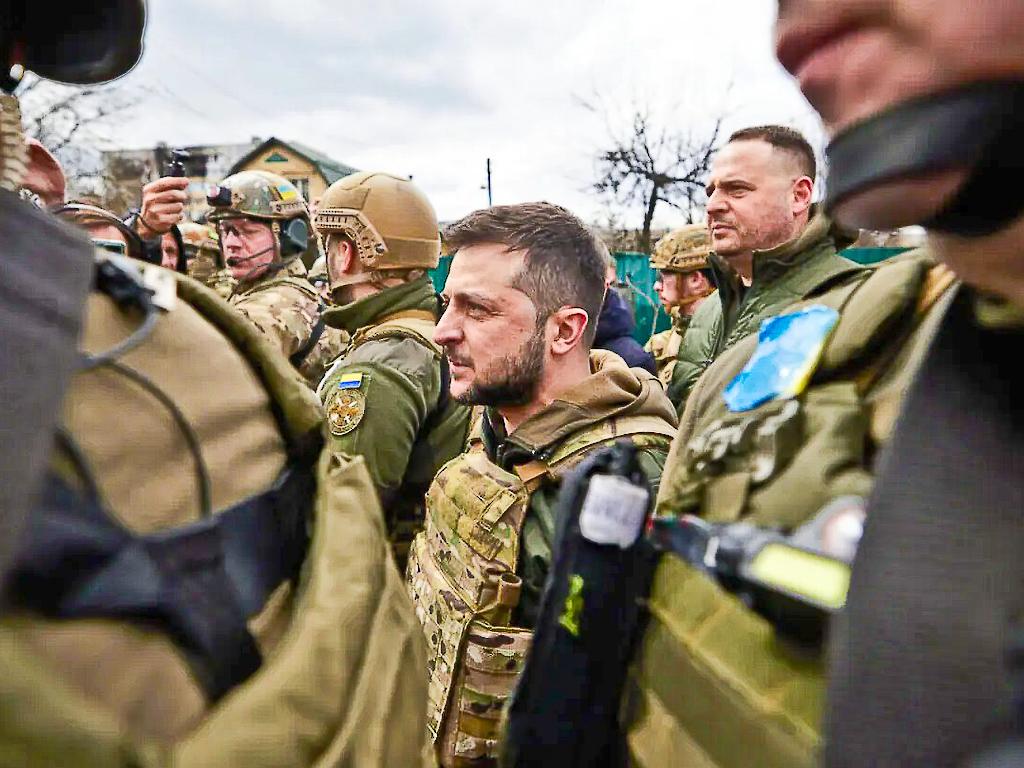
Photo. The Ukraine’s president Zelensky (From his own profile in Flickr)
The comments from our readers (1)
 Two stories, two faiths that meet, speak to one another and do not demonise each other. They part with mutual respect, and the Sultan offers gifts. Among them is the ivory horn still preserved today [...]
  Seated side by side were Catholics, Hindus, Buddhists, Jews, Orthodox Christians and Muslims. At the centre, in the place of honour, lay a document signed by them all which, at this historical moment [...]
 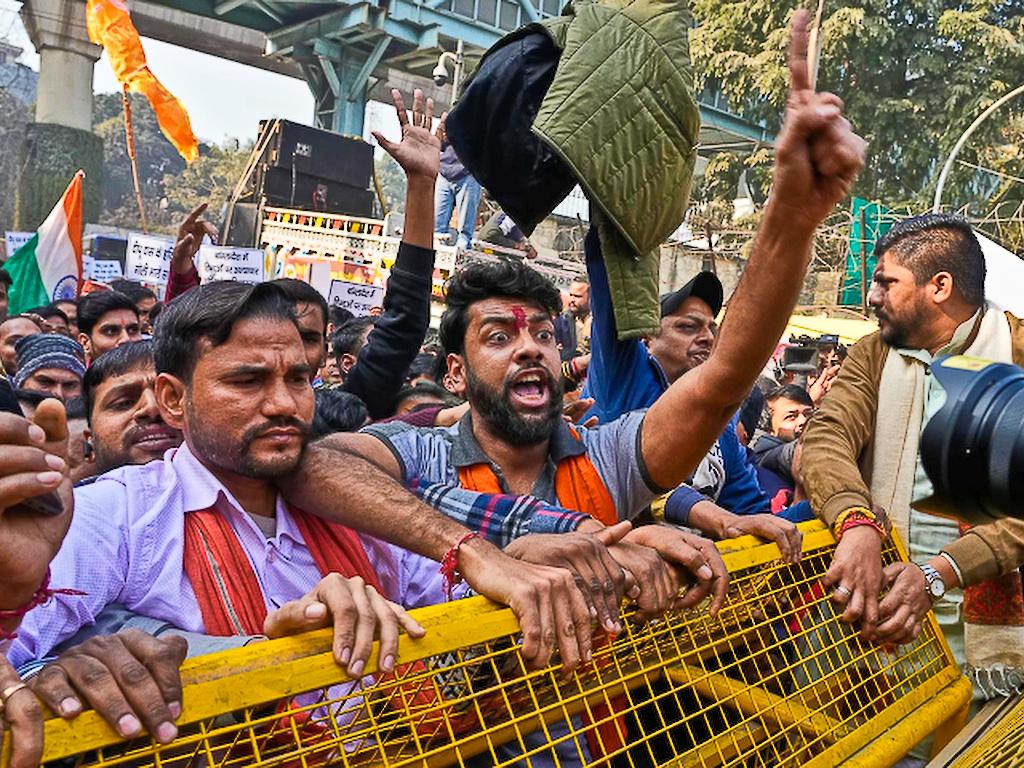 The pastor and his family had been attending a prayer meeting in a private residence together with other families in the village of Parjang, in Dhenkanal district, when a group of around twenty [...]
 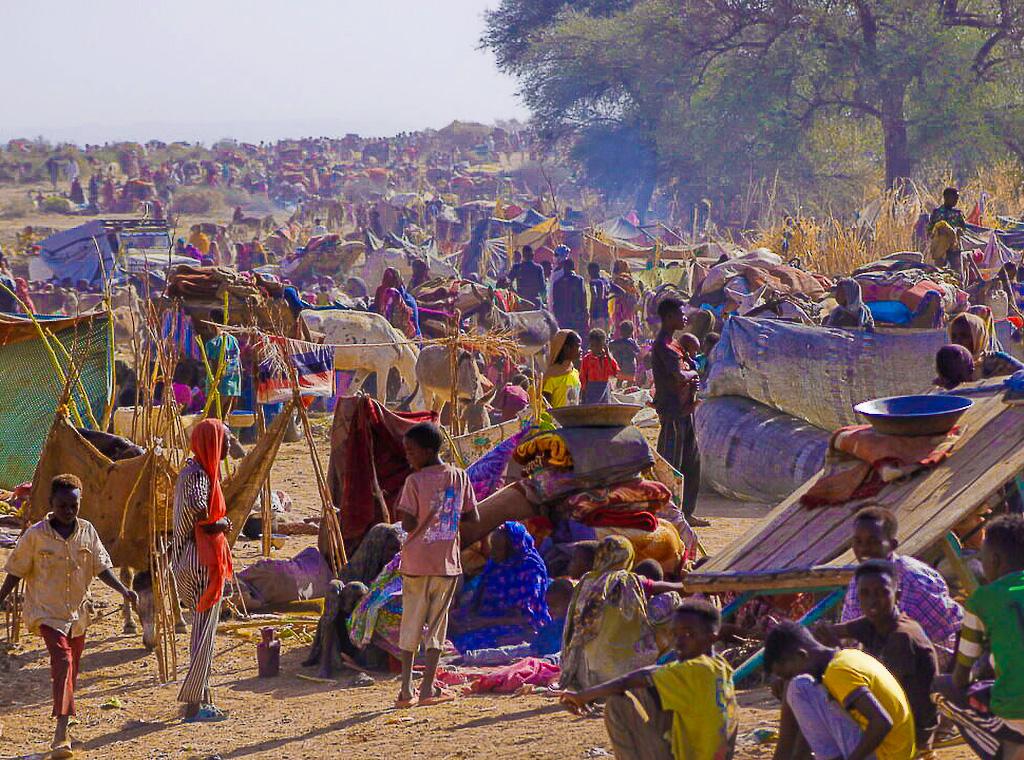 Sudan has been at war since April 2023. The conflict was sparked by two generals, Mohamed Hamdan Dagalo and Abdel Fattah al-Burhan, once allies, now vying for control of the country and determined to [...]
 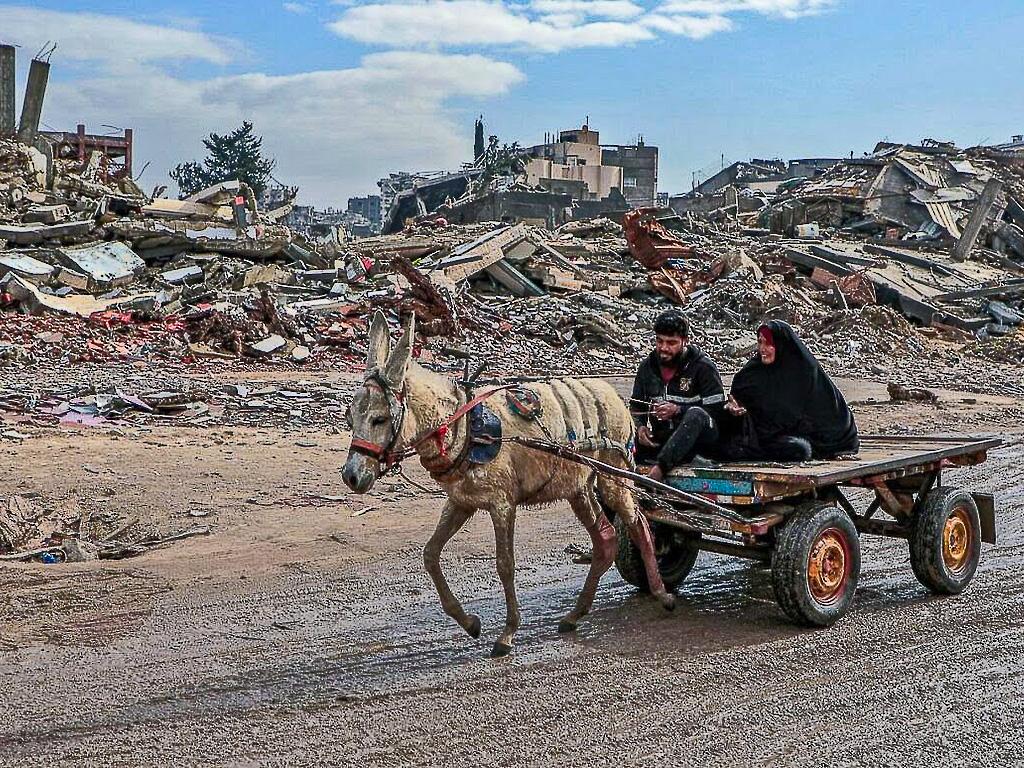 All’s well that ends well? The triumphant scenes of the signing of the treaty in Sharm el-Sheikh, in the presence of more than twenty presidents and prime ministers from across Europe and the [...]
 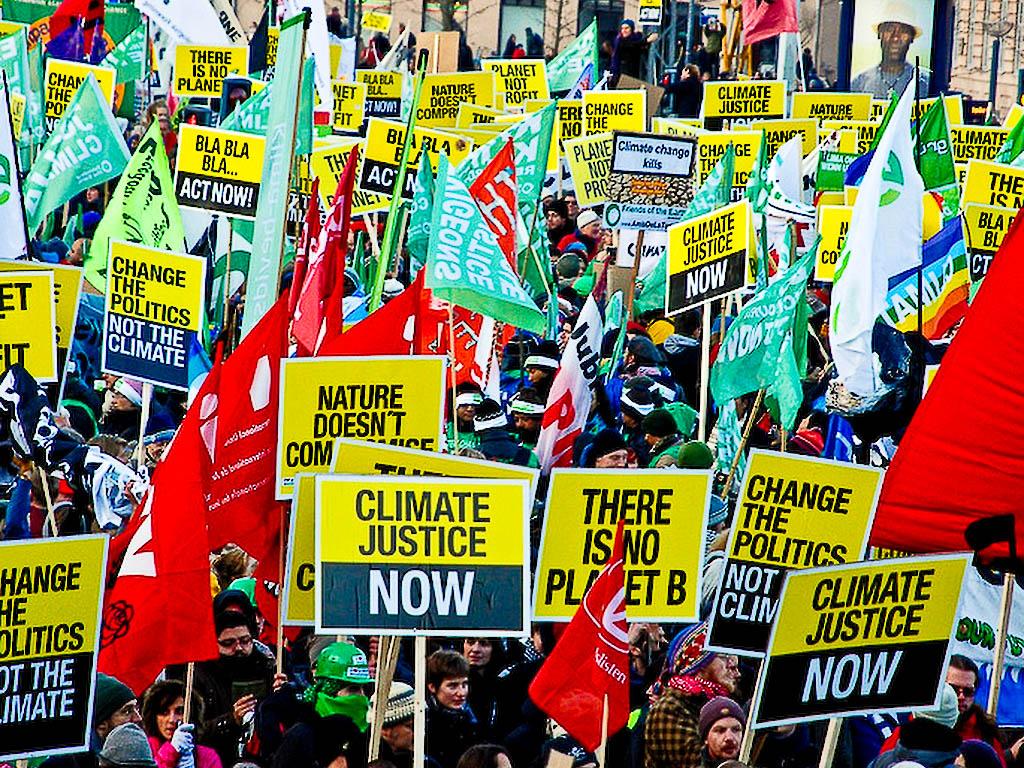 Few people take responsibility for two sins of omission in recent history: education in the common good and fraternity, fundamental for a just and united society; the failure to foresee the future [...]
 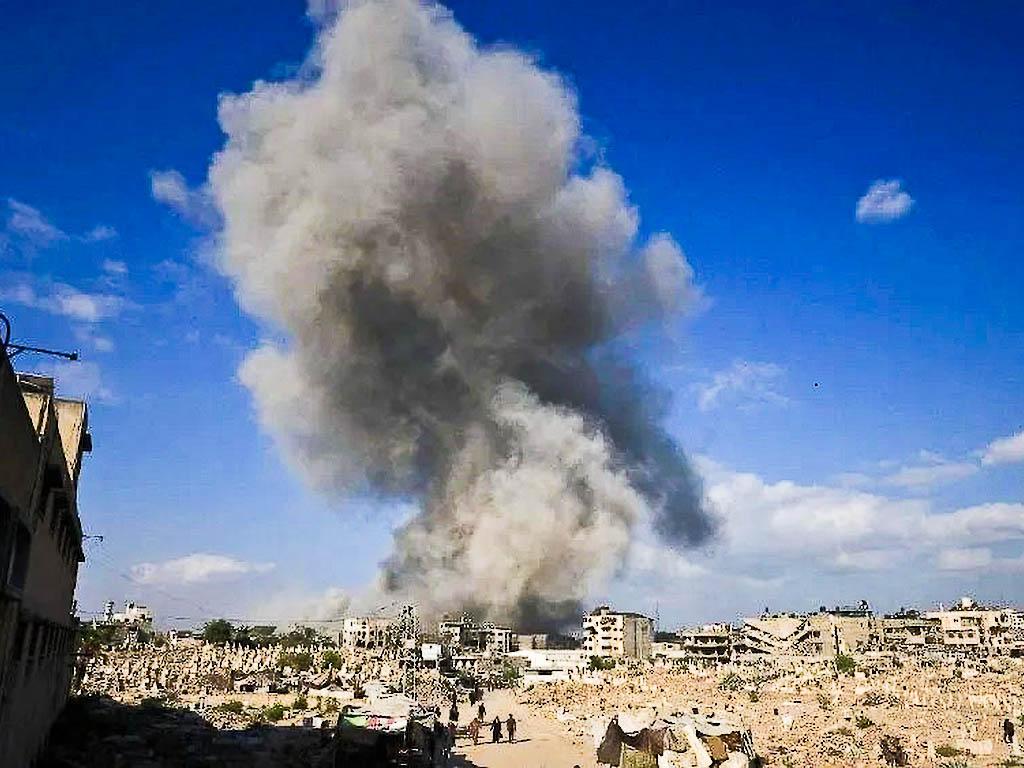 We live in a time of war. And it is no coincidence that the main seats of power are occupied by strongmen. It is not only the most mediatised cases. The delirious declarations of Donald Trump on [...]
 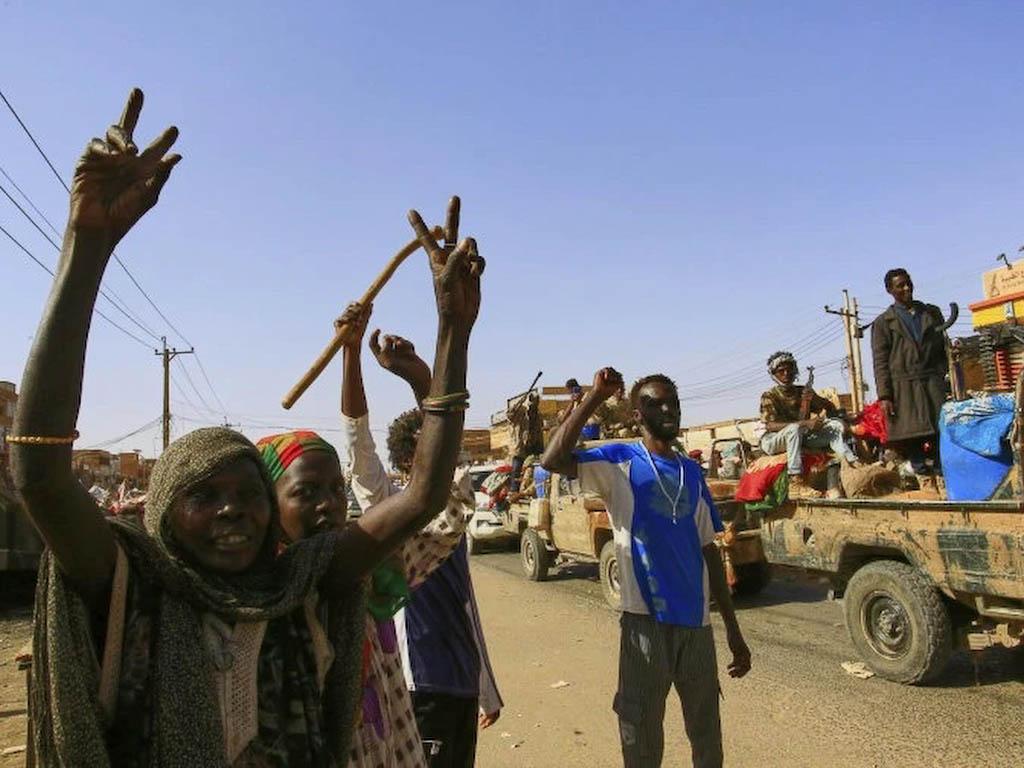 In Sudan, the war that broke out two years ago has caused the most serious humanitarian crisis in the world and in recent decades. 30 million people out of a total population of 50 million are in [...]
 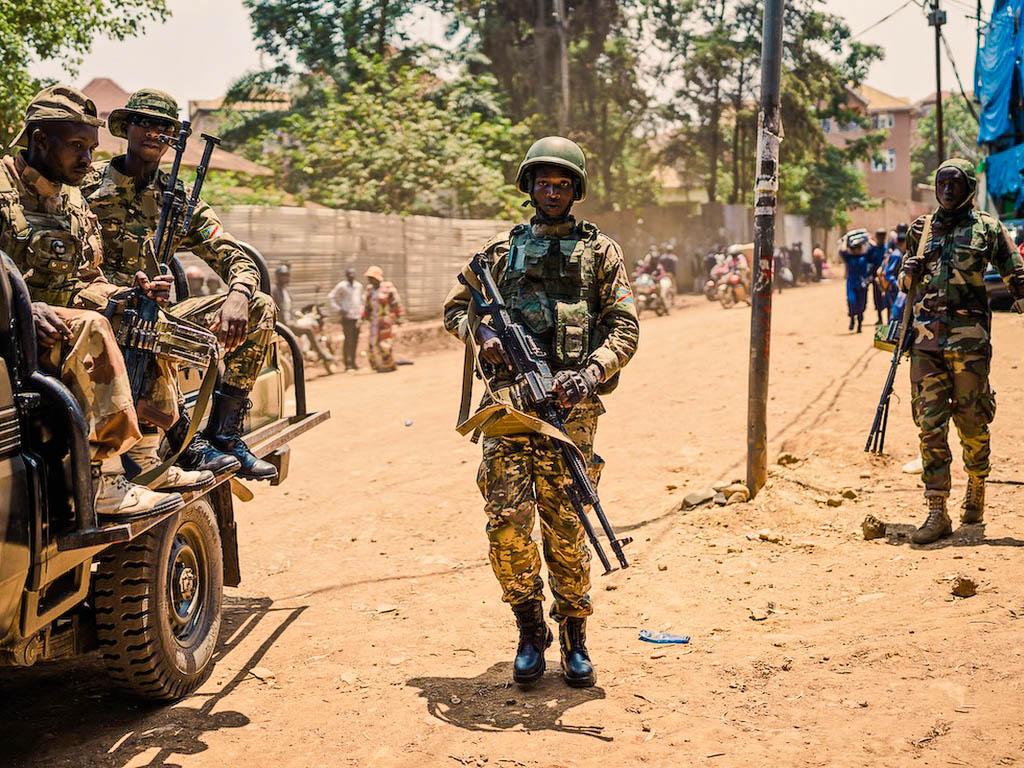 In an interview last week, responding to repeated accusations that the Congolese armed group M23 includes thousands of Rwandan soldiers, its political leader Corneille Nangaa stated: “I [...]
 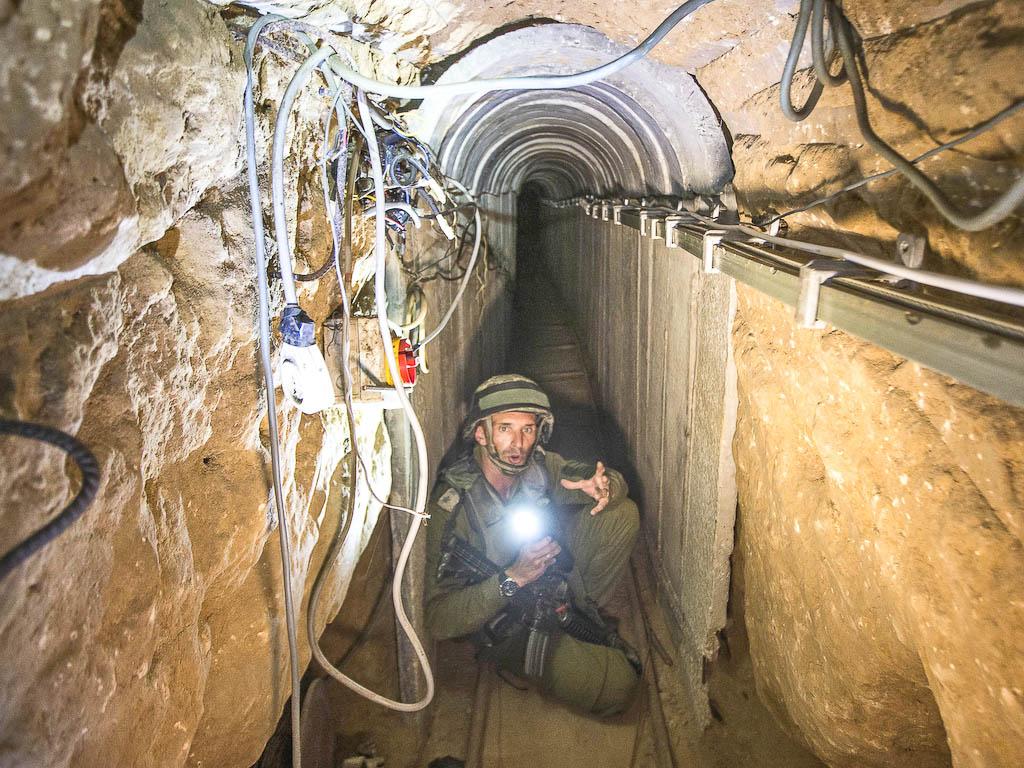 In his investigation, the New York Times reveals that the head of Hamas had a secret police force at his disposal to repress dissent in Gaza. This secret police force, called the General Security [...]
 Info
Email: jampypezzi@gmail.com - tel. +39 328 732 6990 / +243 991 457 856
This blog is made in 4 languages: it en fr es

 EDitt | Web Agency
Leave a comment