Justice, Peace, Integrity
of Creation
Justice, Peace, Integrity
of Creation
By John Paul Pezzi, Mccj
Justice, Peace, Integrity
of Creation
By John Paul Pezzi, Mccj
Justice, Peace, Integrity
of Creation
By John Paul Pezzi, Mccj
Justice, Peace, Integrity
of Creation
By John Paul Pezzi, Mccj
How Far Resilience Can Go
IPS 12.12.2025 Giornalista IPS Translated by: Jpic-jp.orgShabnam, a 26-year-old woman who has nearly completed her law degree, manages to live and work in Afghanistan by disguising herself as a man. In a crowded market, amid the bustle of street vendors and the smells from nearby restaurants, a small anonymous shop blends into the chaos. The author is an Afghan journalist who received training with Finnish support before the Taliban seized power. IPS keeps her identity anonymous for security reasons.
Inside, rusty shelves line the walls, empty soft-drink cans hanging on them add a splash of colour, and an old table covered with a worn cloth stands in a corner. To passers-by, the shopkeeper is a young man. No one realises that, behind this disguise, a young woman breathes between fear and hope.
“I never had a childhood,” Shabnam says. “While other children played in the streets, I opened the shop.” She continues: “From the age of ten I worked part-time alongside my father, and I kept doing so while continuing my university studies under his guidance.”
Today, however, her father is elderly and partially paralysed, and she is the family’s only source of income. Her greatest wish, she says, is that her younger brother will grow up and succeed.
A secret known by very few
Residents of the surrounding neighbourhoods know her only as a polite young man. Every day municipal officials collect taxes from traders, demanding payment whether they have sold anything or not. On that day they even issued her with a formal warning after their visit.
“Hey, boy, pay your taxes!” the collector shouted. “Grow your business. Get yourself a small cart and sell on the street,” he demanded. Then he asked: “By the way, whose shop is this?”
Terrified, the frightened “young man” replied timidly: “It belongs to my father. He is paralysed and stays at home.”
“Rent out your shop and pay your taxes with the rent!” the tax collector shouted again. “All shops pay taxes. How much have you sold so far?”
“I have earned 75 afghanis (1.10 dollars),” Shabnam replied.
“Come on, that’s not enough! Go and buy a small cart and work harder — sell vegetables and fruit! Do you understand?” the collector insisted.
Two neighbouring traders, close friends of the young woman’s father, say they are deeply impressed by her resilience and determination.
“If this girl did not exist, her family would go hungry,” one of them says. “But if the Taliban discovered she was a woman disguised as a man, she would be in danger. Unfortunately, her little brother is still too young to run a shop.”
This secret is part of the young woman’s daily life. Because she wears the clothes of a teenage boy, fortunately no one in the neighbourhood — where most residents are tenants — recognises her in the street. Not even relatives come to propose suitors for marriage, as they would if they knew the truth, in keeping with Afghan custom.
Some neighbours gossip and say: “May God never make our family like hers — a young woman running a shop? No one in our tribe has ever been so shameless.”
A constant cloud of fear
Every morning when she opens the shop door, an intense fear takes hold of her.
“I have never started a day without fear. When the Taliban pass in front of the shop, my heart races. I wonder if this will be my last day here,” she says.
Yet she has no other choice. If she does not work, her family does not eat. Each evening they wait at home for her to close the shop before dinner.
“When my mother sees me, her eyes fill with tears. She kisses me and says, ‘You are a brave and strong girl — and a lawyer as well!’,” Shabnam recounts.
She adds: “My mother wanted to work; she wanted to wash clothes for others, but I would not allow it. Recently, when I came home, I saw her sewing quilts and mattresses for other people. I realised it was my turn to declare her a brave and strong woman.”
The small income her mother earns helps cover the cost of her father’s hypertension medication. The family, composed of five members, includes two sisters and one brother.
“We often go to bed hungry if we earn less than 100 afghanis (1.60 dollars) a day. My brother cries himself to sleep, but I try to keep smiling, even though inside I am crying,” Shabnam says.
Her words reflect the reality faced by thousands of Afghan women across the country.
A small dream that seems out of reach
Despite the risks, Shabnam clings to a modest dream.
“One day I want to have enough capital to set up a business for women in this shop,” she says with a faint smile.
Instead of burnt crisps and soft drinks that upset everyone’s stomachs, she would sell fresh bolani, a traditional Afghan flatbread usually filled with potatoes, spinach, pumpkin or leeks.
But she has neither the capital nor the security needed to apply for a loan to buy the necessary equipment.
Neighbours watch Shabnam’s life closely. They have seen her cry behind the shop shelves and understand the exhaustion that drains her.
“This girl is like my own daughter,” one neighbour says. “I always admire her courage. She would not even accept any free offer from me.”
A society of silenced women
According to the United Nations, more than 80 per cent of Afghan women have lost their jobs since the Taliban returned to power in August 2021.
The regime of the fundamentalist Islamist political and military movement had already ruled the country between 1996 and 2001 and imposes strict compliance with Islamic law — the Sharia — confining women to the domestic sphere without the possibility of studying or working.
Women who once supported their families are now confined to their homes. In this context, a young woman who still dares to keep her shop open becomes a symbol of silent resistance.
Yet this resistance could end at any moment with a single threat.
Her greatest fear is the arrival of tax collectors. She quietly pays what she can. There is no way out.
Economic experts warn that the exclusion of women from the labour market has pushed countless families into extreme poverty.
Shabnam’s story is only a small example of a much larger social crisis.
The shop as a refuge of hope
For Shabnam, the shop is more than a workplace. It is a refuge where she feels alive.
Every soft-drink can hanging as decoration is a sign of hope. She tries to bring colour into the shop even amid poverty and threats.
“The secret of my success is the small disguise that makes everyone think I am a 16-year-old boy,” she says.
But, she adds, “lately I almost always wake up afraid because of the taxes. Will I be able to open the shop today? What if the municipal officials come and take everything away in an instant and throw it into the street? What if I cannot buy a small tray or have to stop renting my shop? What will they do to me?”
“My story could be that of thousands of other women still struggling for bread, for life and for their dignity,” she reflects.
Despite the enormous challenges, Shabnam still harbours the ambition of finishing her law studies and becoming the lawyer she once set out to be.
See: Bajo régimen talibán, joven afgana trabaja disfrazada para alimentar a su familia
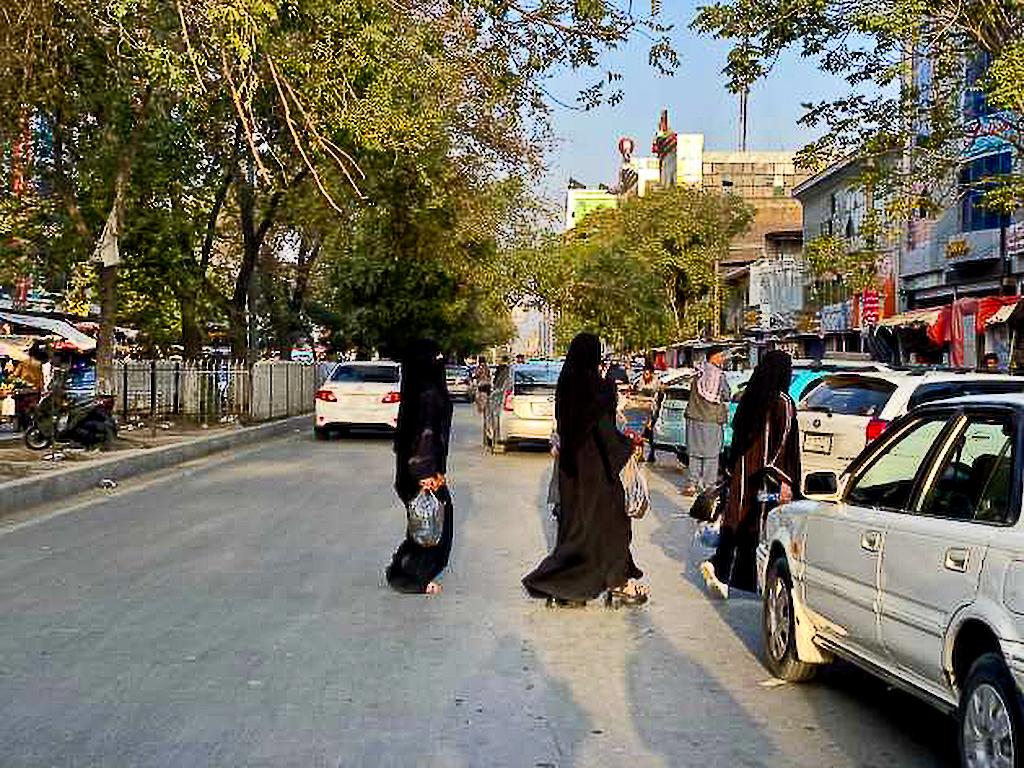
Photo: Under Taliban restrictions, women’s movement and work have become increasingly limited across Afghanistan. © Learning Together
 Every age has had its principal social classes, those upon which peace, wars, wealth, poverty, rights and happiness depended. In the Middle Ages, they were the aristocrats and the serfs; during the [...]
  The Taliban have introduced new laws which, in practice, legalise domestic violence against women and children. Afghanistan’s supreme leader, Mullah Hibatullah Akhundzada, signed a decree in [...]
  Philosophy has examined, on the one hand, the need to preserve the individual and his or her identity and, on the other, the necessity of building and living within a community. How can the self and [...]
 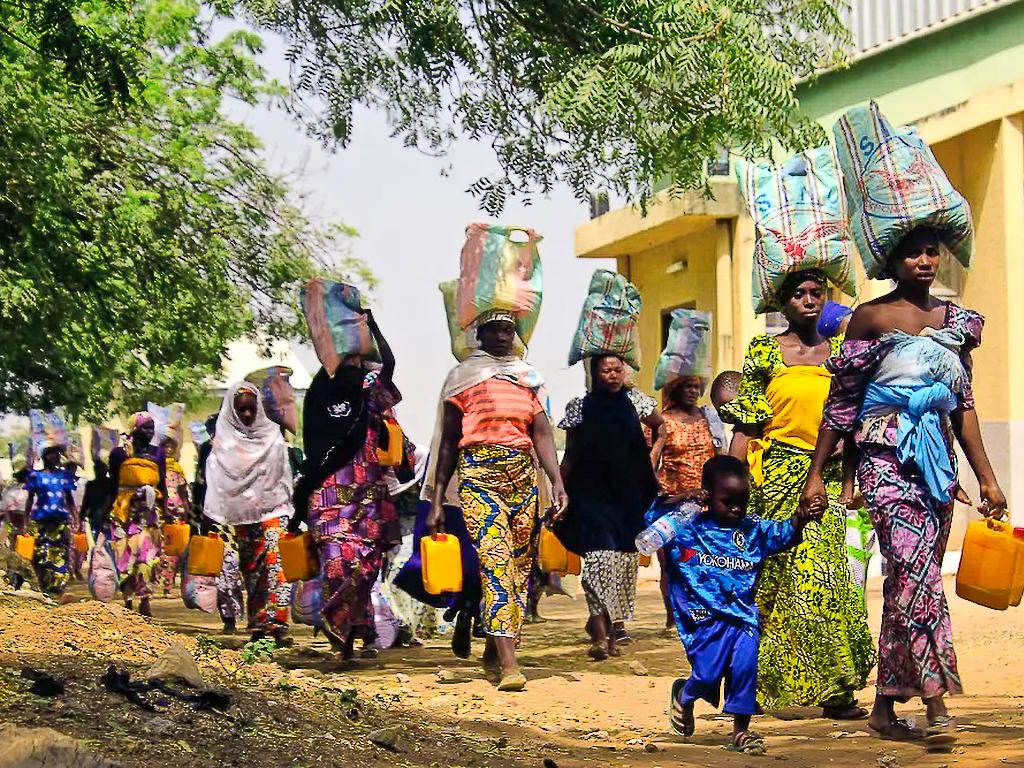 Livelihoods – especially in the rural north – have become increasingly fragile, yet federal and state authorities have failed to provide effective responses to the growing vulnerability. [...]
 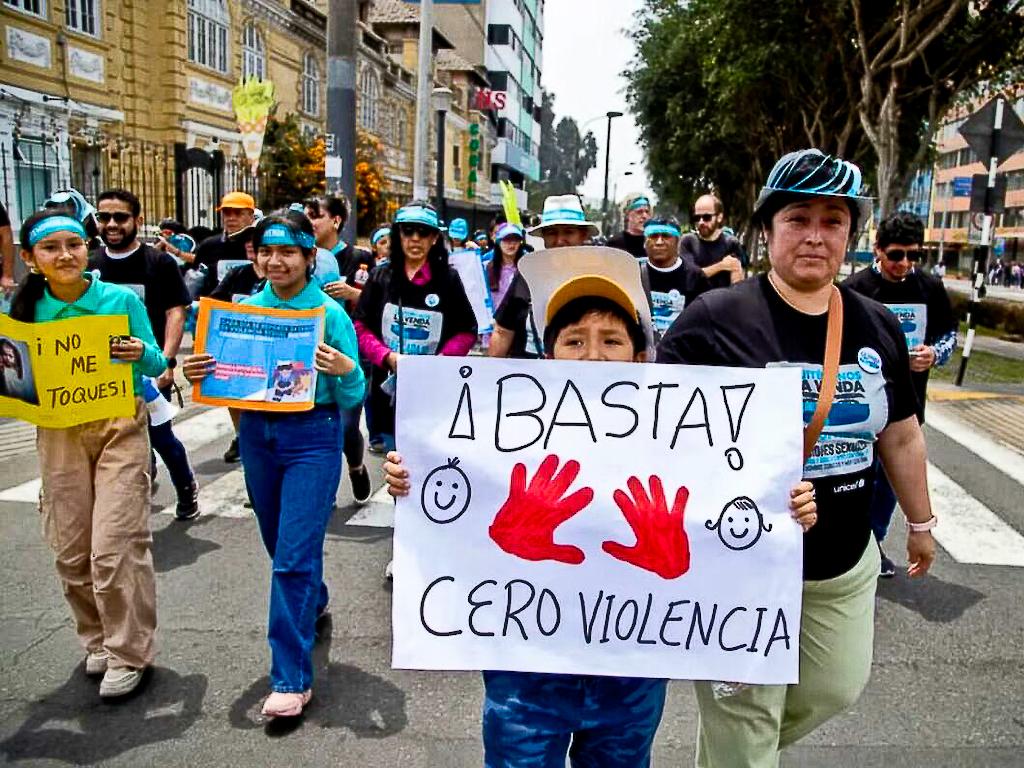 Over a seven-year period, between 2015 and 2022, 53,318 children and young people were killed in Latin America, evidence that violence continues to pose a serious threat to the lives and well-being [...]
 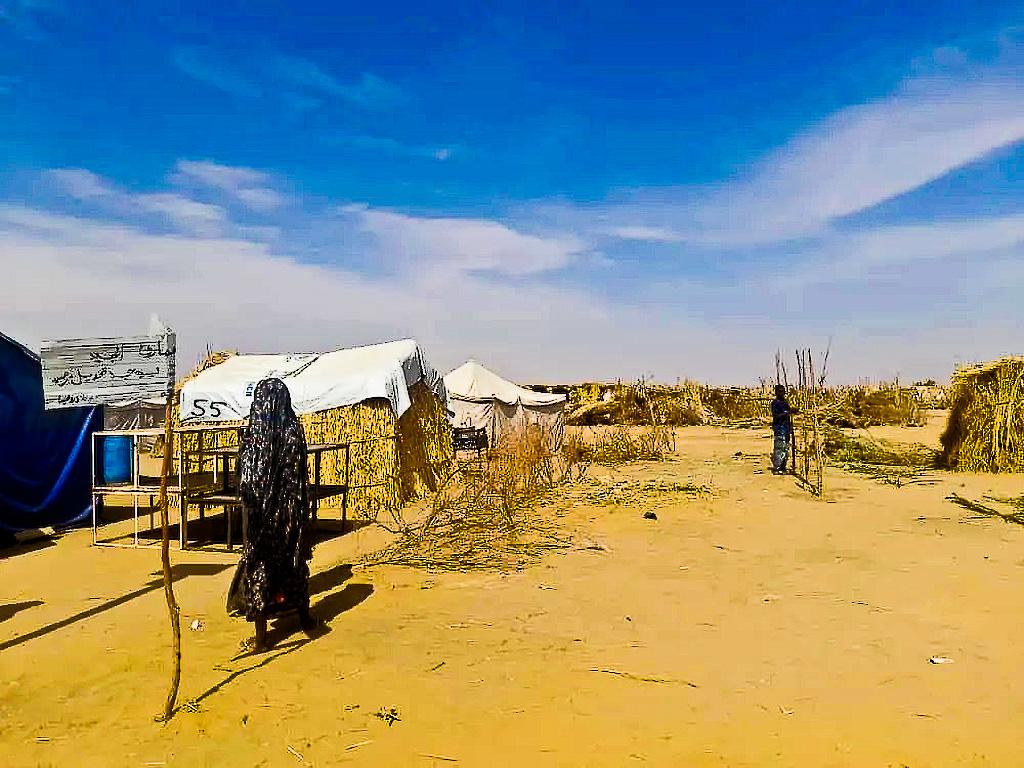 The camp hosts nearly 15,000 people from the western Darfur region who fled attacks by the UAE-backed Rapid Support Forces after the group seized the city of El Fasher on 26 October, killing [...]
  In Christian humanism, the range of the word poverty is very wide. It goes from the despair of those who suffer poverty because of others or through misfortune, to those who freely choose poverty as [...]
 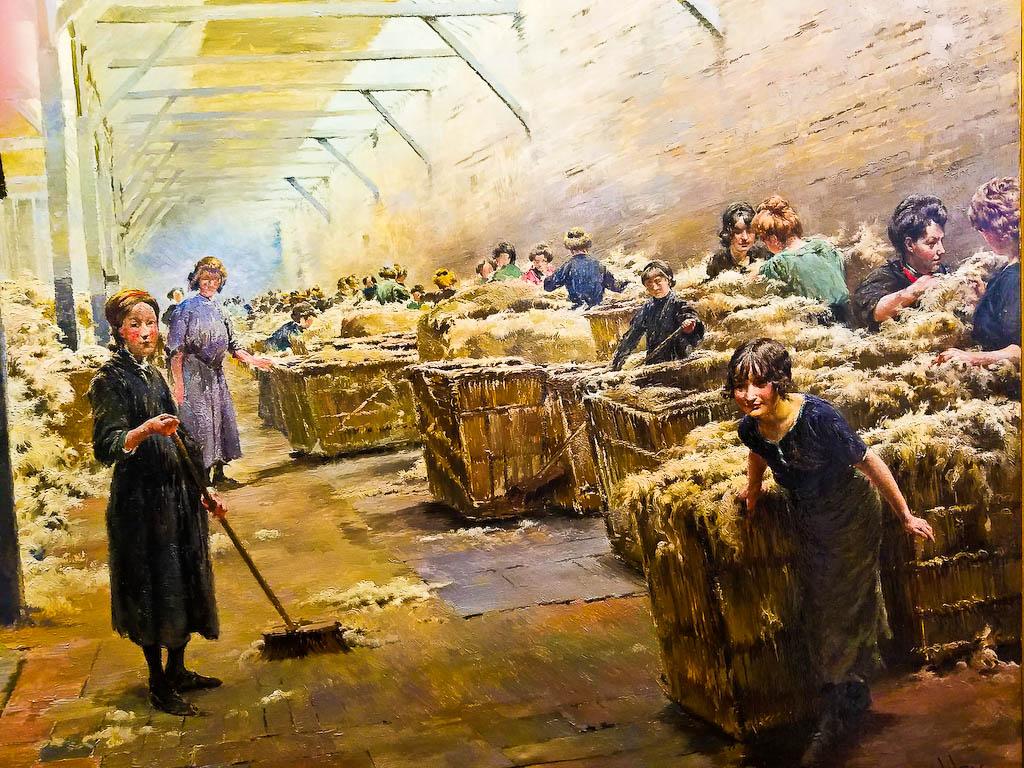 More than 49.6 million people (0.61% of the global population) are subjected to slavery worldwide. To put this grim fact into perspective, if enslaved people were to rally together, they would be the [...]
 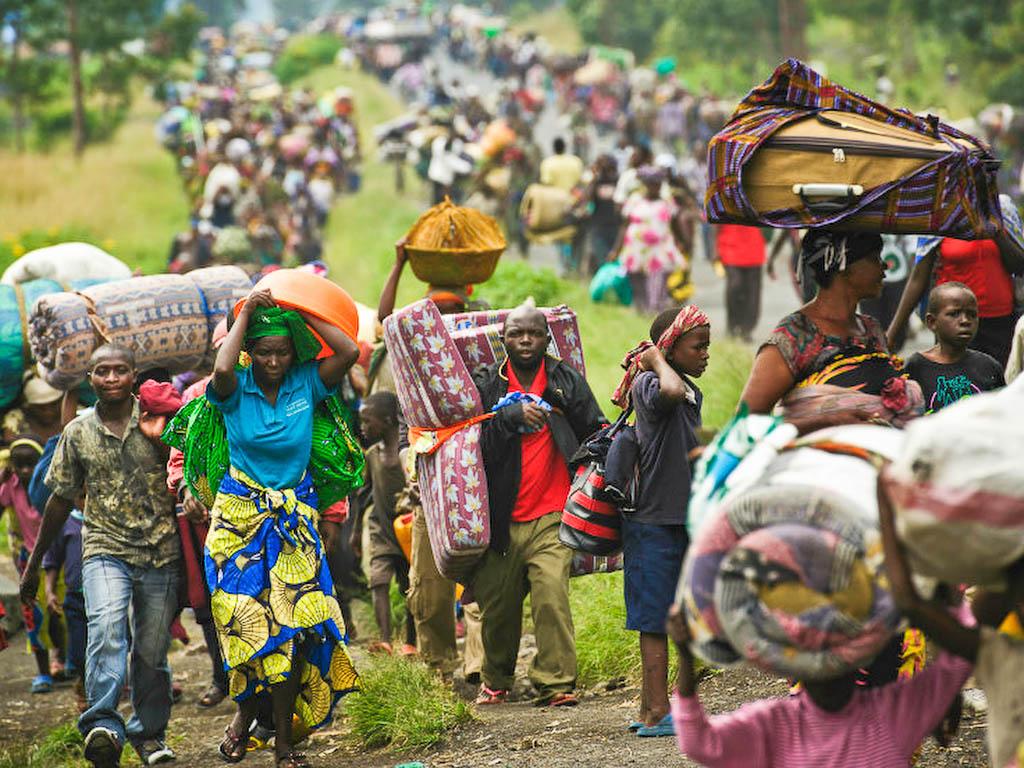 Massacres and Mass Graves. According to the United Nations (UN), around 3,000 bodies have been found strewn across the streets of Goma, still awaiting burial after the city fell to M23 and its allied [...]
 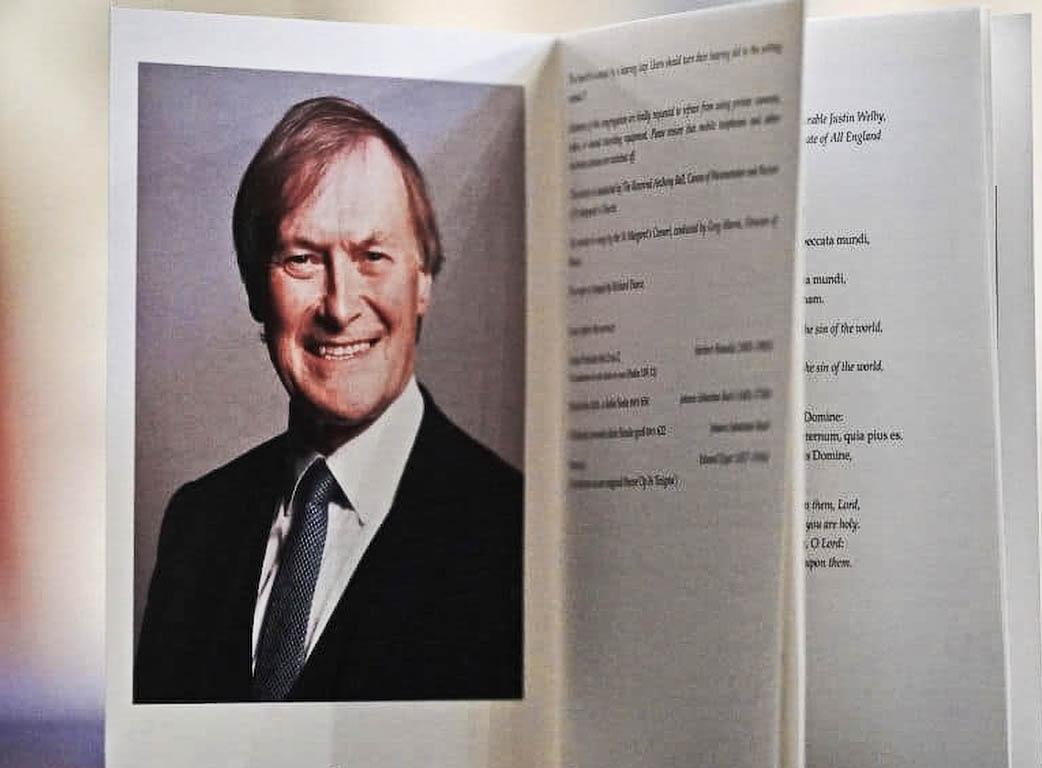 The findings come in a report by the Observatory on Intolerance and Discrimination against Christians in Europe (OIDAC Europe). It notes that in 2023, there were 2,444 anti-Christian hate crimes [...]
 Info
Email: jampypezzi@gmail.com - tel. +39 328 732 6990 / +243 991 457 856
This blog is made in 4 languages: it en fr es


 EDitt | Web Agency
Leave a comment