
Justice, Peace, Integrity
of Creation
Justice, Peace, Integrity
of Creation
By John Paul Pezzi, Mccj
Justice, Peace, Integrity
of Creation
By John Paul Pezzi, Mccj
Justice, Peace, Integrity
of Creation
By John Paul Pezzi, Mccj
Justice, Peace, Integrity
of Creation
By John Paul Pezzi, Mccj
More than 53,000 children killed in Latin America in seven years
IPS 27.01.2026 Corrispondente IPS Translated by: Jpic-jp.orgIn its most extreme form — homicide — violence against minors caused more than 53,000 deaths in Latin America and the Caribbean over a seven-year period, and in recent years the number of adolescent girls murdered has doubled.
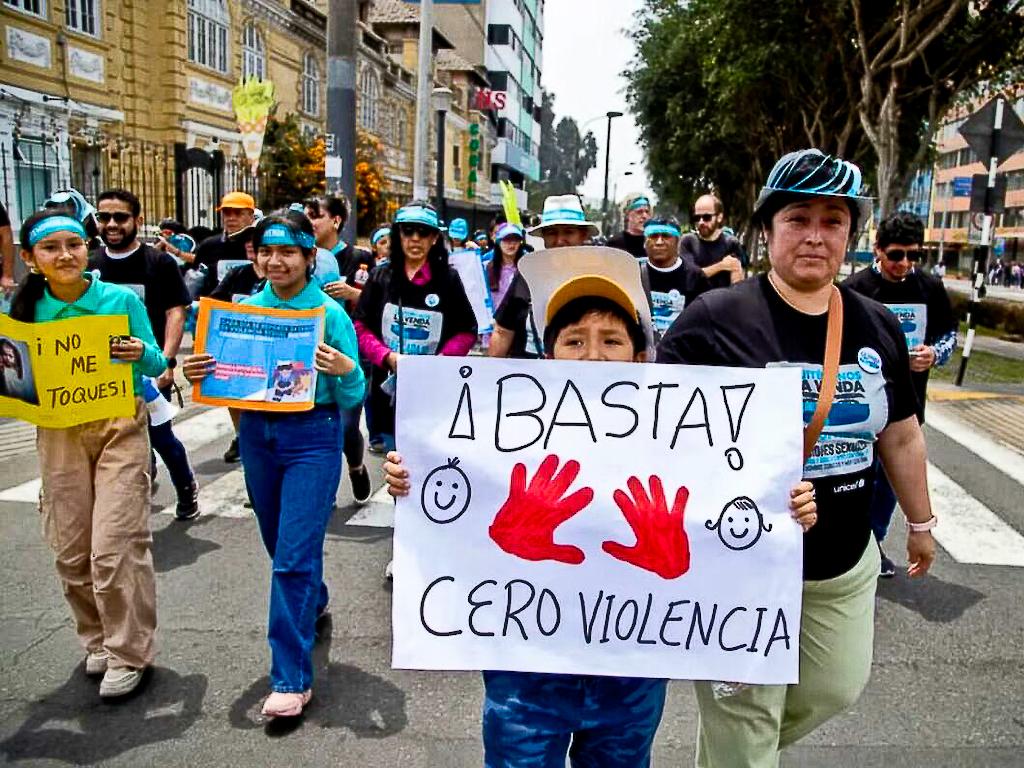
Over a seven-year period, between 2015 and 2022, 53,318 children and young people were killed in Latin America, evidence that violence continues to pose a serious threat to the lives and well-being of millions of minors, according to a report by the Pan American Health Organization (PAHO).
The document, “Violence Against Children and Adolescents in Latin America and the Caribbean”, produced jointly with the United Nations Children’s Fund (UNICEF), also reveals that between 2021 and 2022 the rate of young women murdered doubled, rising from 2.13 to 5.1 deaths per 100,000 inhabitants.
Lethal violence is linked to organised crime, easy access to firearms, social inequalities and harmful gender norms.
However, violence is present from very early ages. Six out of ten children under the age of 14 experience some form of violent punishment at home, while one in four adolescent girls reports being subjected to school bullying. Abuse in digital environments is also on the rise.
Roberto Benes, UNICEF’s Regional Director, stated that “many places and situations across the region present real risks and dangers for children.”
“Every day, millions of children and adolescents in Latin America and the Caribbean live exposed to violence — at home, at school, and in communities where gangs are present,” Benes said.
For his part, Jarbas Barbosa, Director of PAHO, stressed that “violence has a profound and lasting impact on the physical and mental health of children and adolescents and undermines their right to grow up in safe environments — at home, at school and within their communities.”
Data from the study focusing on adolescents aged 15 to 17 reveal contrasting trends by gender. While the homicide rate among adolescent girls doubled, the rate among boys declined from 17.63 to 10.68 deaths per 100,000 inhabitants, a level that nonetheless remains high.
Across the region, six in ten children and adolescents under the age of 14 are subjected to some form of violent discipline at home, while one in four girls aged 13 to 17 experiences bullying at school.
Nearly one in five women in Latin America and the Caribbean reports having suffered sexual violence before the age of 18. Violence is also increasingly occurring in digital environments, although available data remain limited.
The report was validated during a regional consultation held in October 2025, attended by more than 300 participants, including ministers and senior officials from the health, education, justice and child-protection sectors, as well as representatives of civil society, youth leaders and international partners.
The UNICEF-PAHO study proposes evidence-based solutions: strengthening child-protection legislation, controlling access to firearms, training teachers, police officers and health workers, supporting parents and caregivers, investing in safe educational environments, and expanding response services.
Barbosa noted that “health services play a key role in prevention and response: when health professionals identify individuals and groups at risk at an early stage and provide timely and high-quality support, they can make a real difference for survivors, their families and their communities.”
Benes concluded: “We know how to end violence. In Latin America and the Caribbean, strong and sustained public policies are required to prevent and respond to violence in all its forms, so that every child can grow up in a safe environment.”
See: Más de 53 000 niños asesinados en América Latina en siete años
Photo. A demonstration in Lima highlighting violence against children. © Pajuelo / UNICEF
 Every age has had its principal social classes, those upon which peace, wars, wealth, poverty, rights and happiness depended. In the Middle Ages, they were the aristocrats and the serfs; during the [...]
  The Taliban have introduced new laws which, in practice, legalise domestic violence against women and children. Afghanistan’s supreme leader, Mullah Hibatullah Akhundzada, signed a decree in [...]
  Philosophy has examined, on the one hand, the need to preserve the individual and his or her identity and, on the other, the necessity of building and living within a community. How can the self and [...]
  Livelihoods – especially in the rural north – have become increasingly fragile, yet federal and state authorities have failed to provide effective responses to the growing vulnerability. [...]
 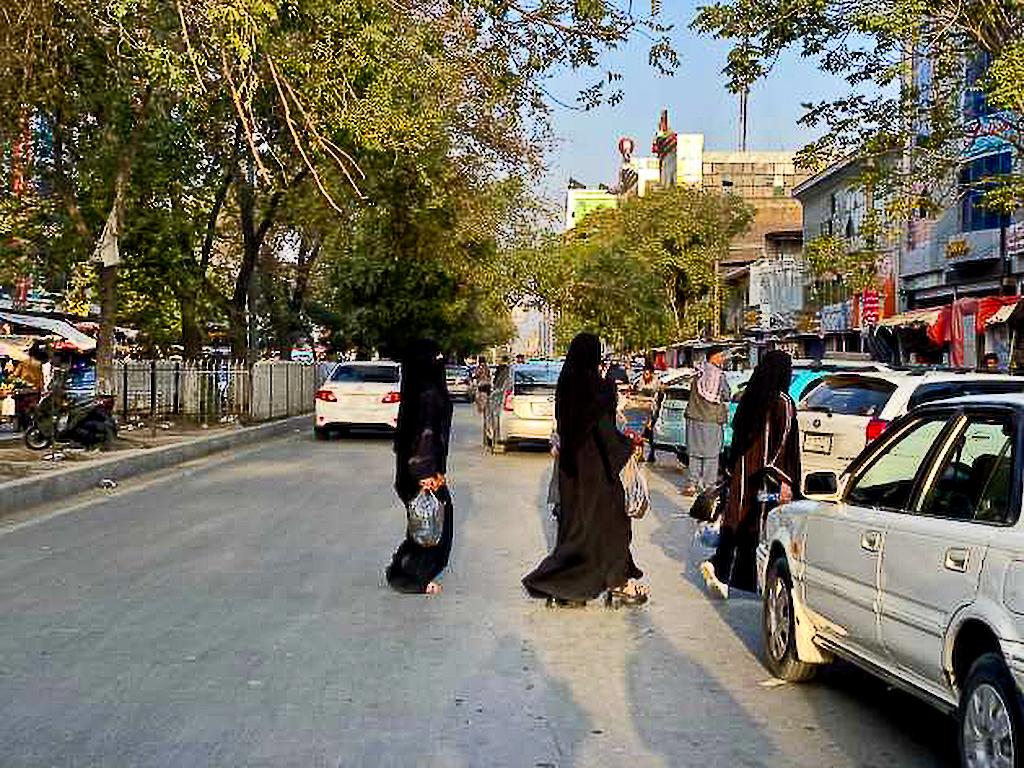 Inside, rusty shelves line the walls, empty soft-drink cans hanging on them add a splash of colour, and an old table covered with a worn cloth stands in a corner. To passers-by, the shopkeeper is a [...]
 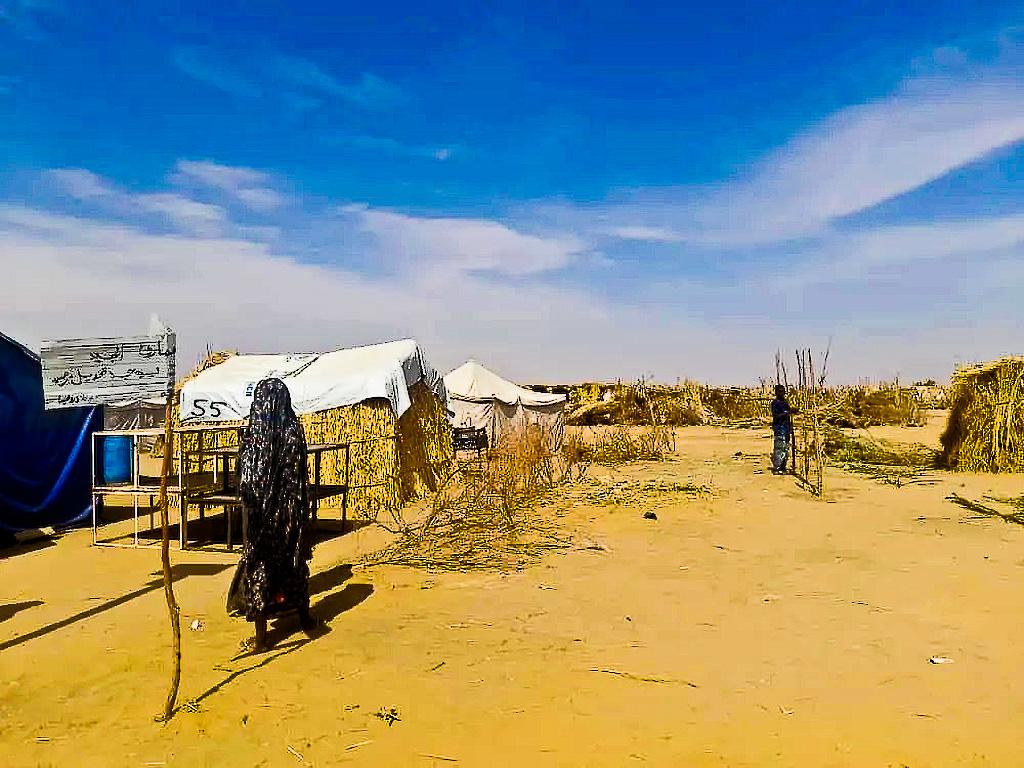 The camp hosts nearly 15,000 people from the western Darfur region who fled attacks by the UAE-backed Rapid Support Forces after the group seized the city of El Fasher on 26 October, killing [...]
 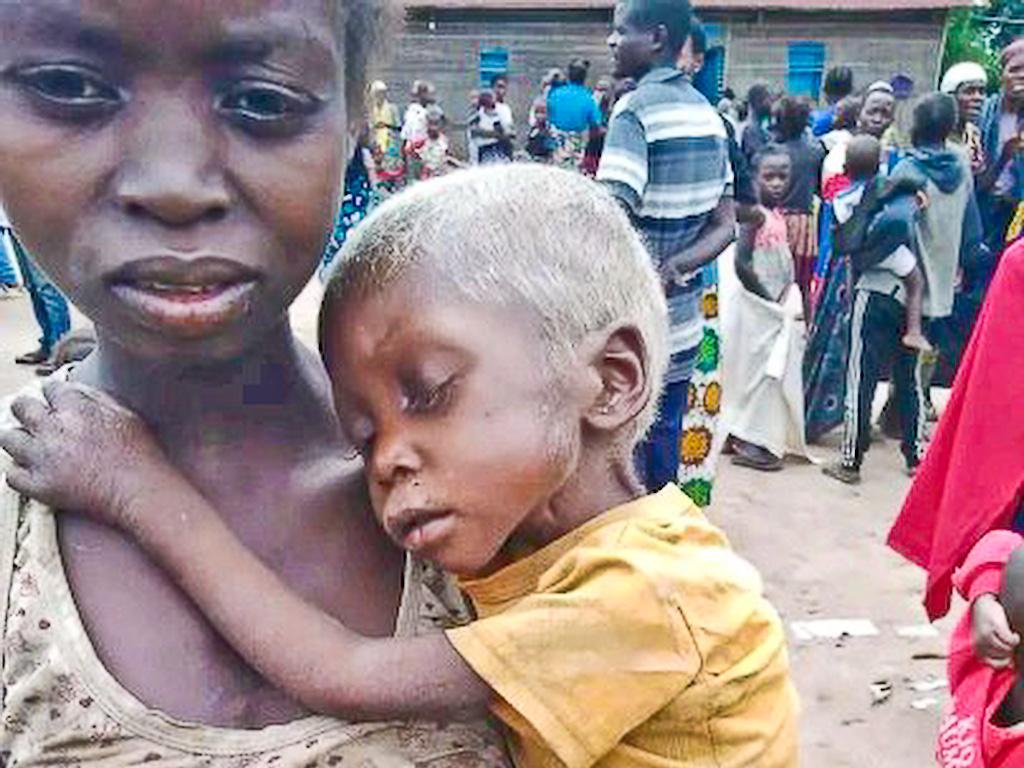 In Christian humanism, the range of the word poverty is very wide. It goes from the despair of those who suffer poverty because of others or through misfortune, to those who freely choose poverty as [...]
 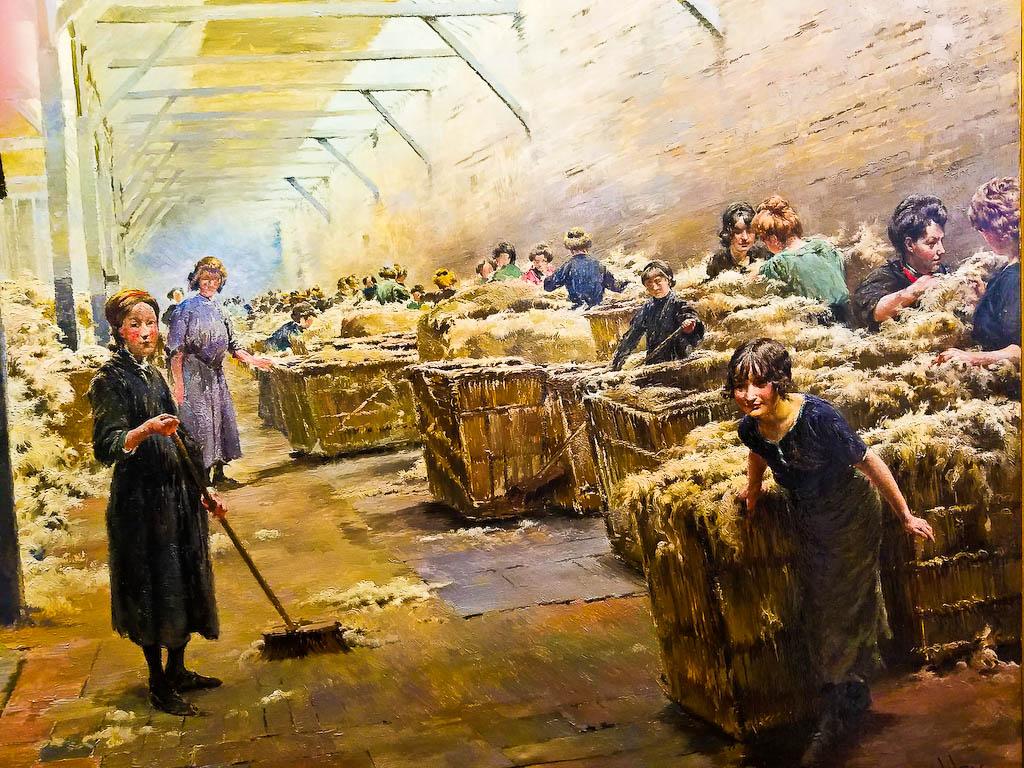 More than 49.6 million people (0.61% of the global population) are subjected to slavery worldwide. To put this grim fact into perspective, if enslaved people were to rally together, they would be the [...]
 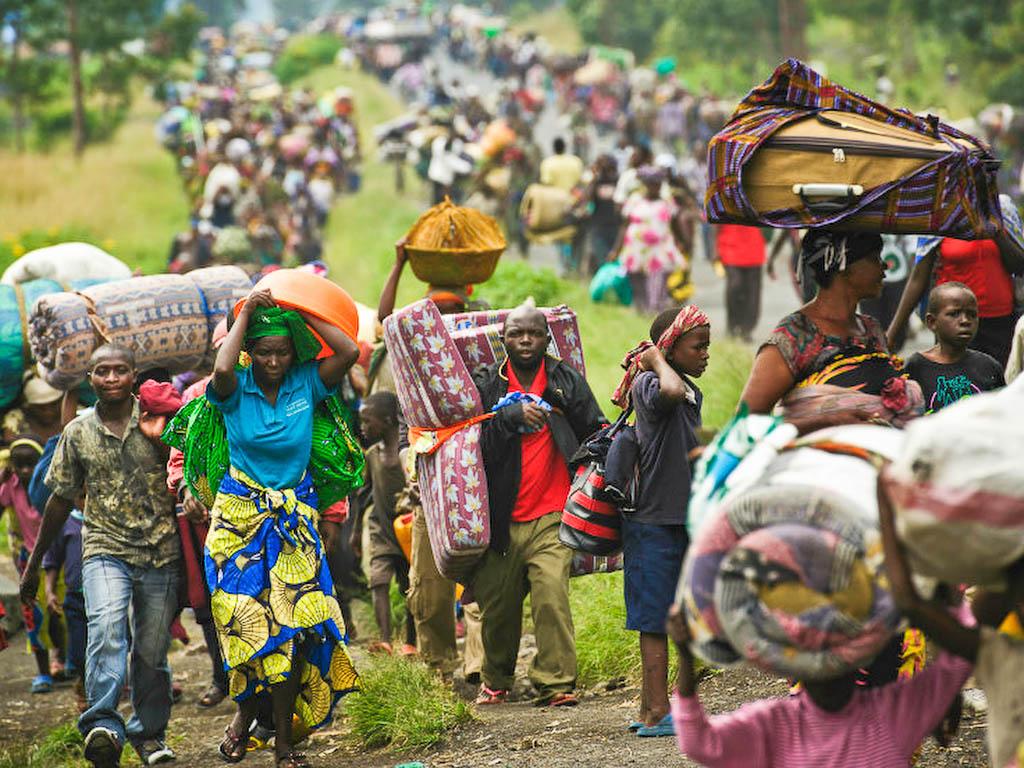 Massacres and Mass Graves. According to the United Nations (UN), around 3,000 bodies have been found strewn across the streets of Goma, still awaiting burial after the city fell to M23 and its allied [...]
 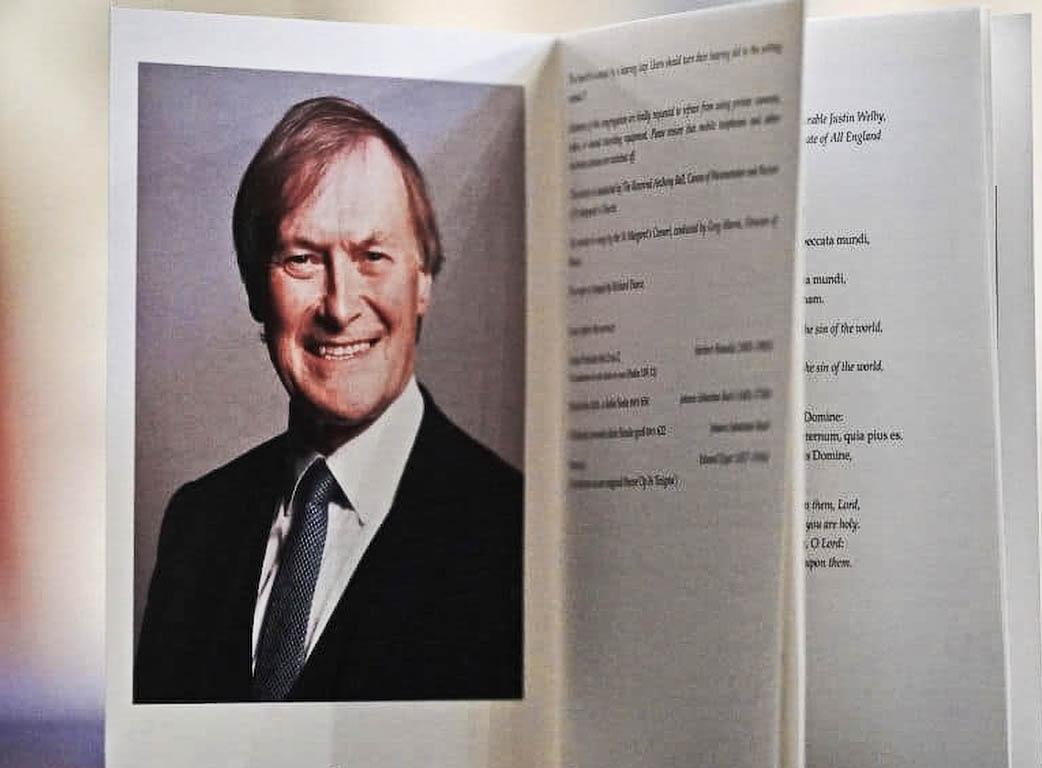 The findings come in a report by the Observatory on Intolerance and Discrimination against Christians in Europe (OIDAC Europe). It notes that in 2023, there were 2,444 anti-Christian hate crimes [...]
 Info
Email: jampypezzi@gmail.com - tel. +39 328 732 6990 / +243 991 457 856
This blog is made in 4 languages: it en fr es

 EDitt | Web Agency
Leave a comment