Justice, Peace, Integrity
of Creation
Justice, Peace, Integrity
of Creation
By John Paul Pezzi, Mccj
Justice, Peace, Integrity
of Creation
By John Paul Pezzi, Mccj
Justice, Peace, Integrity
of Creation
By John Paul Pezzi, Mccj

Justice, Peace, Integrity
of Creation
By John Paul Pezzi, Mccj
Is the recognition of Somaliland a source of “serious consequences”?
Butembo 16.01.2026 Manariho Etienne Translated by: Jpic-jp.orgYes, for many Arab countries, for the Arab world as a whole and for several other states as well. But why? And why has Israel taken this step after more than thirty years of waiting, while other countries continue to manoeuvre in ambiguity?
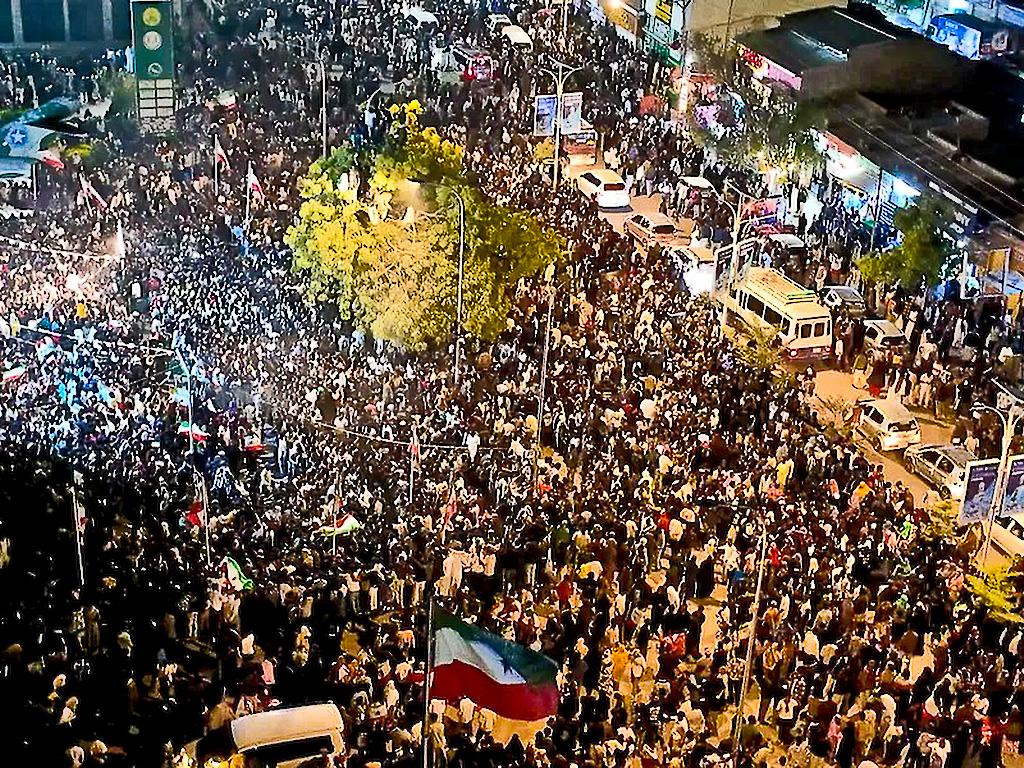
On 26 December 2025, Israel officially recognised Somaliland as an independent state, becoming the first country in the world to do so — a move that breaks a long-standing diplomatic taboo. This recognition entails the establishment of full diplomatic relations, including embassies and political, economic and security cooperation.
For many Arab and Islamic countries, this decision constitutes a violation of international law and of the United Nations Charter, particularly the principles of sovereignty, unity and territorial integrity of states, which would thereby be weakened.
Beyond the legal dimension, several governments believe that such recognition sets a dangerous precedent, likely to encourage other secessionist movements in Africa, the Middle East or elsewhere, with potentially destabilising effects on international peace and security.
Some commentaries — including within circles close to the United Nations — also point to geopolitical or military considerations (indirect links to Gaza, hypotheses of strategic installations in the region), further fuelling the controversy.
An affront to sovereignty and regional stability
To date, Somaliland is regarded by the vast majority of the international community — including Arab states, the African Union and the Organisation of Islamic Cooperation — as an integral part of Somalia. Israel’s recognition is therefore perceived as a unilateral interference in Mogadishu’s internal affairs, liable to damage diplomatic relations and intensify tensions in the Horn of Africa.
The Horn of Africa and the Red Sea region are highly sensitive from a geopolitical and security standpoint. This decision could exacerbate existing tensions, particularly with armed groups such as al-Shabab, which may exploit it as justification to step up their activities.
Some Arab countries and the Palestinians view the Israeli move as part of a broader regional strategy. Unconfirmed rumours have circulated about controversial plans to relocate Palestinian populations to Somaliland, further stoking hostility towards this initiative.
A broadly shared condemnation
Israel’s move has been widely contested.
- The Somali federal government denounced the decision as illegal, even describing it as an “attack” on its sovereignty, insisting that Somaliland remains an integral part of Somali territory. The Somali president warned against any attempt to export conflicts or to use this recognition to justify the displacement of Palestinian populations towards the Horn of Africa.
- In the Arab world, Saudi Arabia and other states described the decision as a breach of international law and a threat to regional stability. The Arab League, the Gulf Cooperation Council (GCC) and several foreign ministers rejected the recognition and reaffirmed their support for Somalia’s sovereignty. Egypt coordinated consultations with Somalia, Turkey and Djibouti to challenge the decision, considering it a factor of regional instability. The Organisation of Islamic Cooperation (OIC) issued a joint statement with more than twenty countries — including Jordan, Egypt, Algeria, Pakistan, Oman and Saudi Arabia — condemning the recognition as a danger to international peace and security. Qatar joined this condemnation, judging the decision to be devoid of international legitimacy.
- The European Union also reaffirmed its commitment to Somalia’s territorial integrity, stressing that stability in the Horn of Africa rests on respect for internationally recognised borders.
In the face of Israel’s recognition of Somaliland, support for Somali unity therefore appears relatively solid. It brings together several countries of the region — Djibouti, Ethiopia (cautious but officially supportive of unity), Kenya — as well as the African Union, attached to the principle of the inviolability of borders inherited from decolonisation. Almost unanimously, the Arab and Muslim world (Saudi Arabia, Egypt, Qatar, Jordan, Algeria, Morocco, the Arab League, the OIC) aligns with this position, out of fear of separatist precedents and distrust of Israel’s regional strategy. The United Nations, consistent with its de facto stance, maintains its non-recognition of Somaliland in the name of regional stability and respect for international law.
Amid these firm positions, the ambiguity of several major powers stands out. China and Russia reaffirm the principle of sovereignty but remain cautious and relatively silent, in order to avoid repercussions on the Ukrainian file. The United States officially supports Somali unity without openly condemning the Israeli decision, while de facto cooperating with Somaliland in the fields of security and counter-terrorism. The United Kingdom, for its part, maintains historical ties with Somaliland without formal recognition, sustaining discreet dialogue.
Why did Israel recognise Somaliland?
Israel’s motivations are primarily geopolitical. Somaliland’s strategic position on the Red Sea and in the Horn of Africa is central. The territory controls the port of Berbera, on the Gulf of Aden, close to the Bab el-Mandeb Strait — a maritime checkpoint vital to global trade and access to the Suez Canal.
This location offers Israel opportunities for geopolitical and security influence in an area close to Yemen, where Iranian-backed Houthi rebels remain active. In this dual respect, it allows Tel Aviv to strengthen its monitoring and operational capacities in the Red Sea and to counter adverse regional influences, notably Iranian and, to a certain extent, Egyptian.
Israel has also framed this recognition as being in line with the “spirit of the Abraham Accords”, namely a process of expanding normalisation and diversifying its alliances beyond the Middle East, towards Africa and the world’s major commercial routes.
Somaliland, which has sought recognition for more than thirty years, sees this move as a decisive first step towards international legitimacy. For Israel, it is therefore a means of asserting its diplomatic weight and of giving the Abraham Accords a strategic scope that goes beyond their immediate regional dimension.
A decision at the heart of controversy
From a legal standpoint, accepting Israel’s decision entails a distortion of a key norm of international law, namely the principle of territorial integrity. Moreover, this decision is taken in a fragile region, with the risk of exacerbating geopolitical imbalances and encouraging other secessionist movements.
Nevertheless, it should be recalled that broad international consensus has not always accompanied the emergence of new states, that has often been built gradually, through the acceptance of established facts by states.
For Somaliland’s authorities, Israel’s recognition is perceived as the beginning of a potential domino effect that could pave the way for further recognitions. For Israel, the stakes remain maritime security, indirect access to the Red Sea, regional influence and the strengthening of its position vis-à-vis Iran and its allies.
Somaliland and other cases of contested recognition
To understand the roots of the controversy and the ambiguous reactions, three comparisons are instructive: Kosovo, Taiwan and Western Sahara.
Kosovo, independent since 2008, has been recognised by many Western countries but rejected by Serbia, Russia and others. Its recognition remains deeply political.
Taiwan has functioned as a sovereign state for decades, despite being officially recognised by very few countries due to Chinese opposition. The lack of recognition does not prevent its de facto existence.
Western Sahara (SADR), proclaimed in 1976, enjoys partial recognition but remains at the centre of a conflict with Morocco. Here again, recognition reflects regional alliances more than a legal consensus. As in these cases, Somaliland lies at the heart of an international divergence where political interests prevail.
At the core of the debate therefore stand, on the one hand, the principle of territorial integrity, the fear of a dangerous precedent and regional solidarity; and on the other, the existence of a de facto state stable for decades, recognition as an essentially political act rather than a strictly legal one, and a context strongly influenced by the Israeli-Palestinian conflict.
Conclusion
Ultimately, many states defend territorial integrity and non-interference, in line with a strict reading of international law. Yet the recognition of a state remains fundamentally a political act. Compared with the cases of Kosovo, Taiwan or Western Sahara, the Somaliland situation illustrates that international practice is above all shaped by power relations. Through this move, Israel secures a local strategic gain, but at the cost of regional diplomatic isolation and heightened tensions with the Arab, African and Muslim worlds. Two realities stand out: The Horn of Africa has once again become a theatre of rivalries, and the Red Sea is increasingly emerging as a central strategic axis of both geopolitics and international trade.
Photo. Crowds gather around Hargeisa’s war memorial as Somalilanders celebrate Israel’s decision to recognise their state on Boxing Day © FARHAN ALELI/AFP
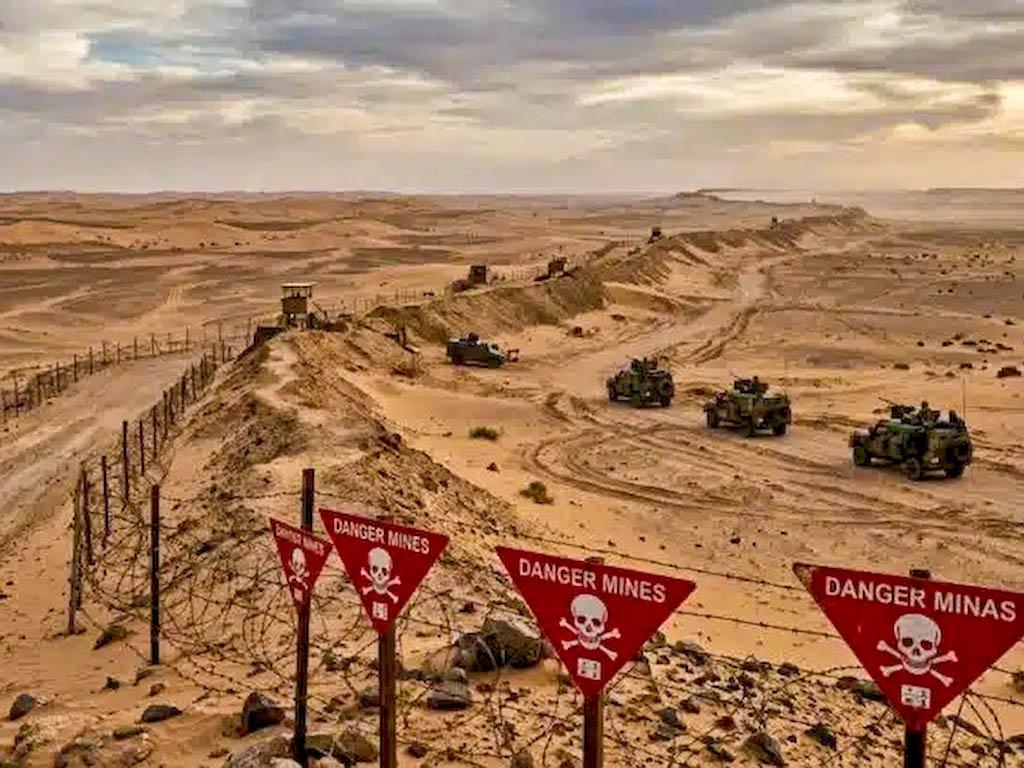 It is a project born out of a war over a desert. It all began with a confrontation near Ouarkziz (Saharan mountain range located across southern Morocco and the far west of Algeria) in 1980. A few [...]
  He seems increasingly fixated on the idea that the United States should take over this gigantic icebound island, with one official saying the president wants to buy it and another suggesting that the [...]
 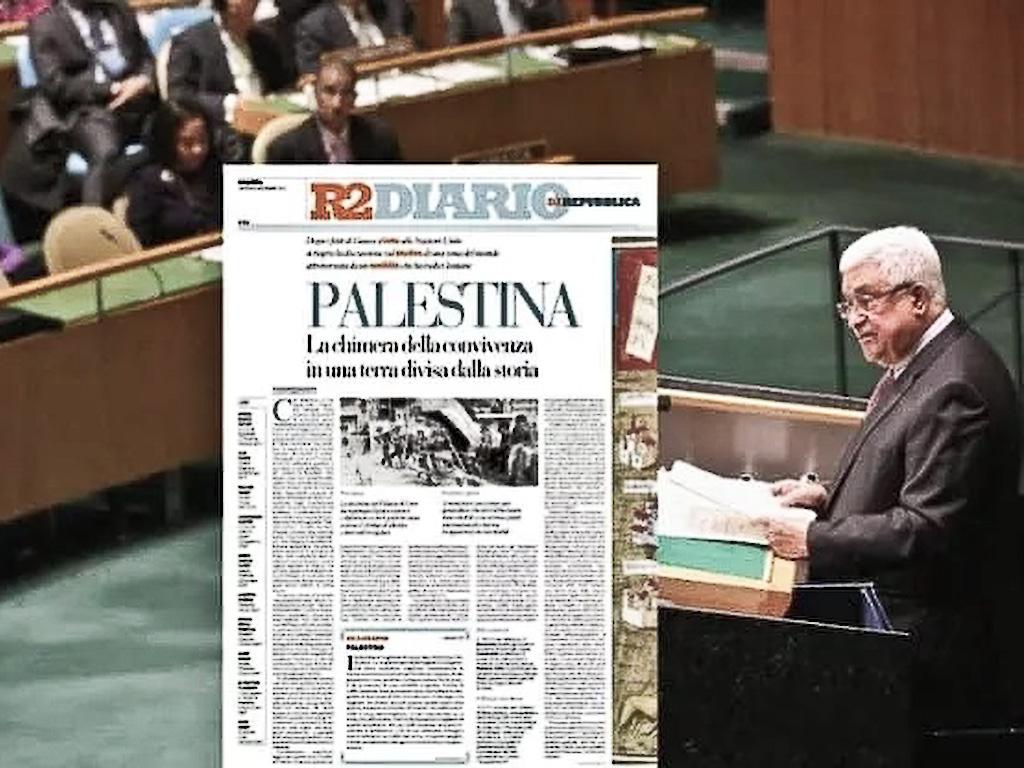 What difference is there between the Holy See and Palestine? According to the UN, none, since on 29 November last year the General Assembly elevated, by an overwhelming majority (138 in favour, 9 [...]
 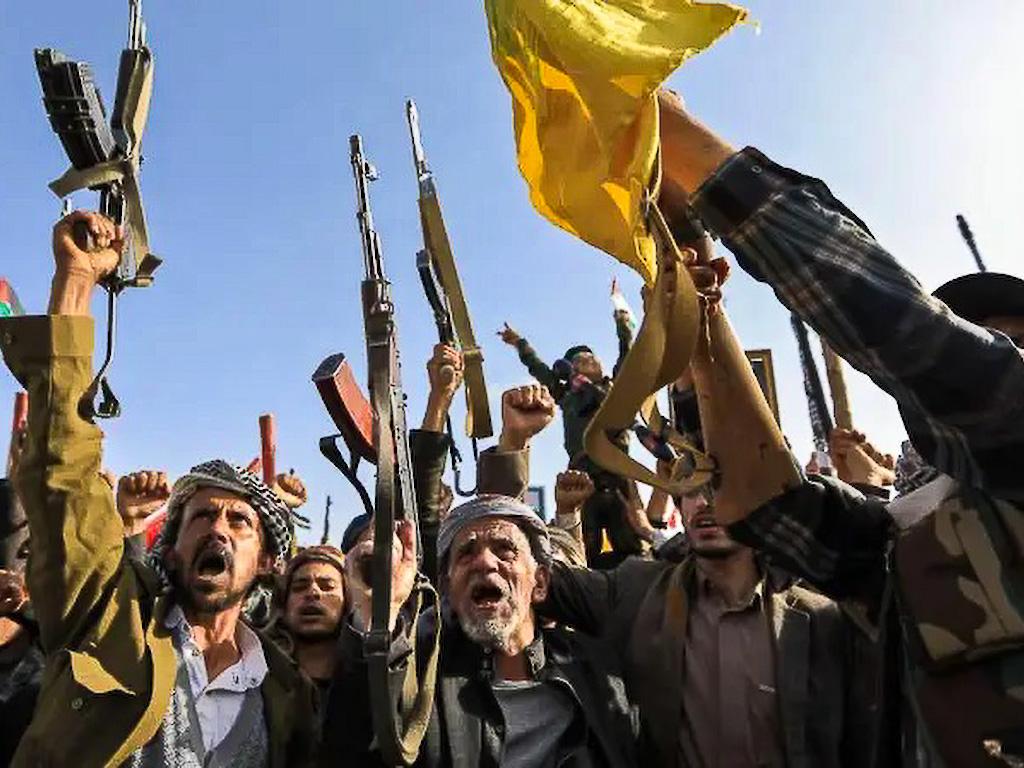 Self-proclaimed members of the “axis of resistance”, a term referring to armed groups hostile to Israel aligned with Iran, the Yemeni Houthis have claimed, since October 7, 2023, multiple [...]
  Israel’s National Security Minister, Itamar Ben Gvir, could not have been clearer in stating his goal: “A total suspension of humanitarian aid.” He justified his words as follows: [...]
  In response to the tragedy of Gaza, many react to the culpable loss of proportion in the Netanyahu government’s reaction by treating Israel as a foreign body rather than as a founding member of [...]
 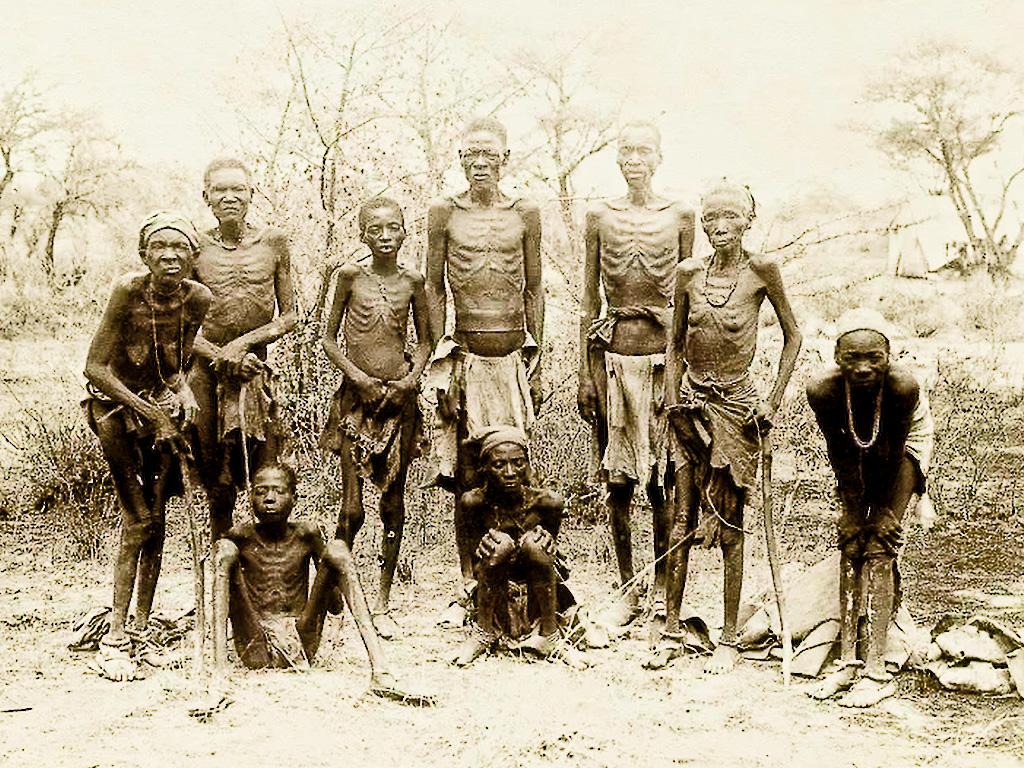 On the 2nd October of 1904, German General Lothar von Trotha, head of the military administration in colonial Namibia, ordered the extermination of the Herero and Nama peoples. That order marked the [...]
 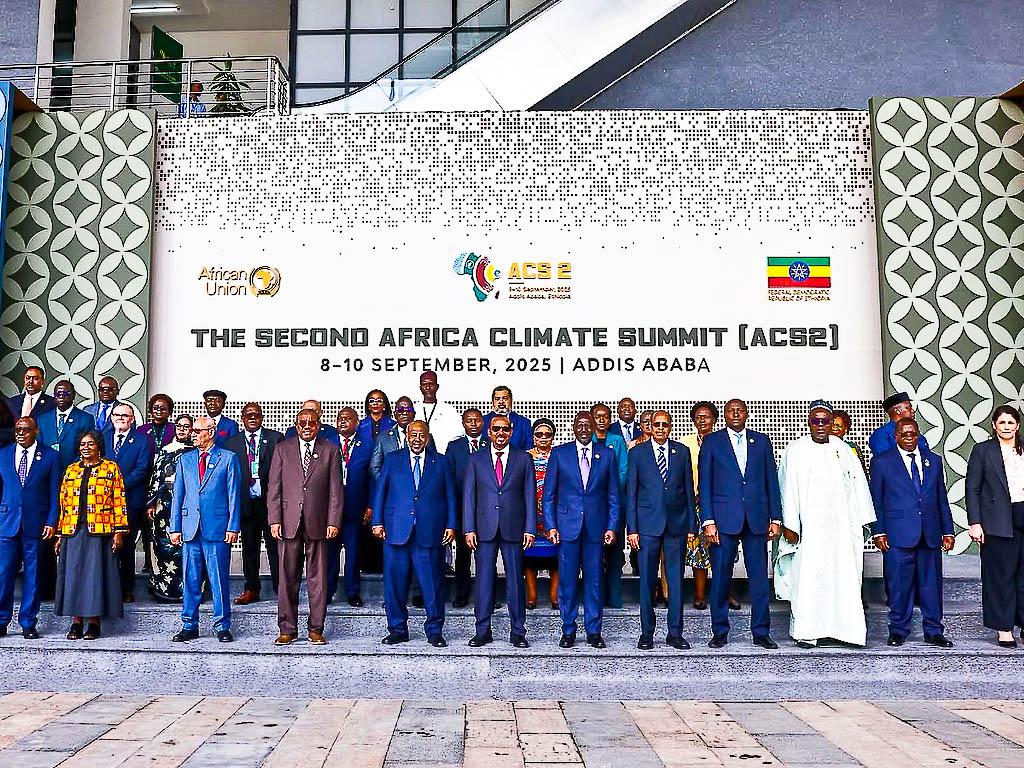 The second African Union Climate Summit (ACS2) has ended in Addis Ababa, Ethiopia. This preparatory meeting was held ahead of the United Nations Climate Change Conference (COP30), scheduled in Belem, [...]
 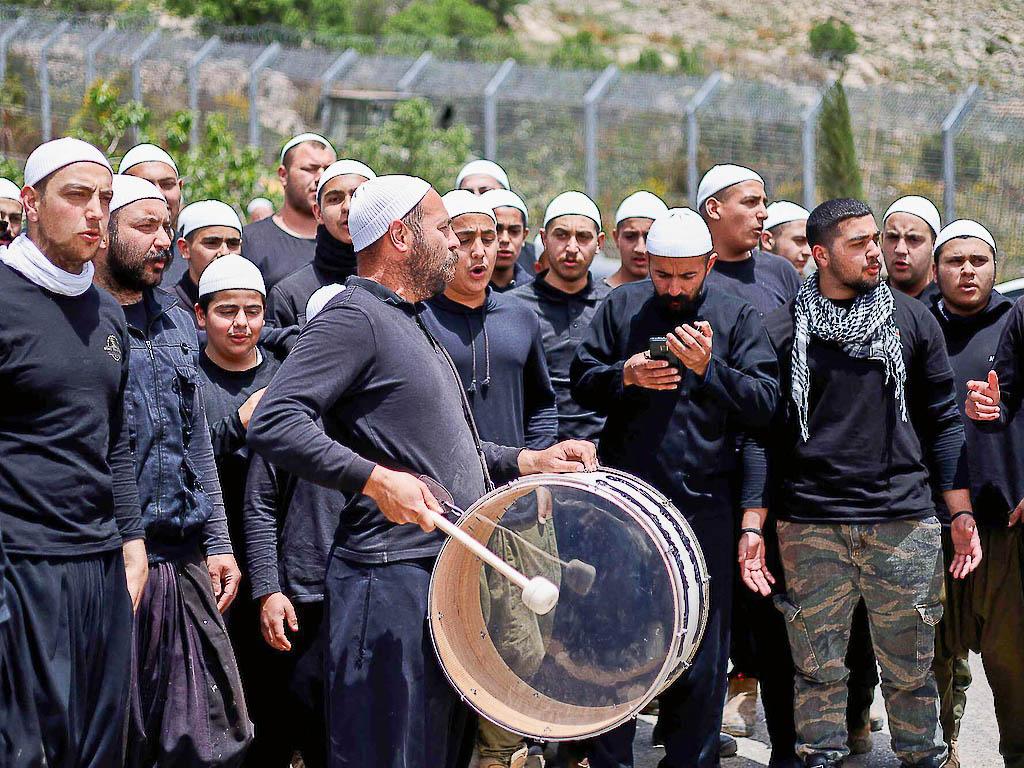 The massive raids carried out by Israeli air forces against Syrian army convoys of armored vehicles and heavy weaponry near and within Sweida, as well as strikes against the Ministry of Defense, the [...]
  Citing records uncovered by a foreign research institute, various European media outlets report that “millions of euros in funding” from OSF have gone to groups that “function as [...]
 Info
Email: jampypezzi@gmail.com - tel. +39 328 732 6990 / +243 991 457 856
This blog is made in 4 languages: it en fr es

 EDitt | Web Agency
Leave a comment