Justice, Peace, Integrity
of Creation
Justice, Peace, Integrity
of Creation
By John Paul Pezzi, Mccj
Justice, Peace, Integrity
of Creation
By John Paul Pezzi, Mccj
Justice, Peace, Integrity
of Creation
By John Paul Pezzi, Mccj
Justice, Peace, Integrity
of Creation
By John Paul Pezzi, Mccj
The Chimera of Coexistence in a Land Divided by History
Repubblica.It 29.11.2025 Lucio Caracciolo Translated by: Jpic-jp.orgIn 1977, the UN General Assembly declared 29 November the “International Day of Solidarity with the Palestinian People”. That date was chosen because on 29 November 1947 Resolution 181 was adopted, providing for the “Partition Plan for Palestine”. On 29 November 2012, the UN granted the State of Palestine the status of permanent observer. Here is an analysis by Lucio Caracciolo published on 6th december 2012. After 7 October, the data have changed, but the geopolitical reality remains essentially the same.
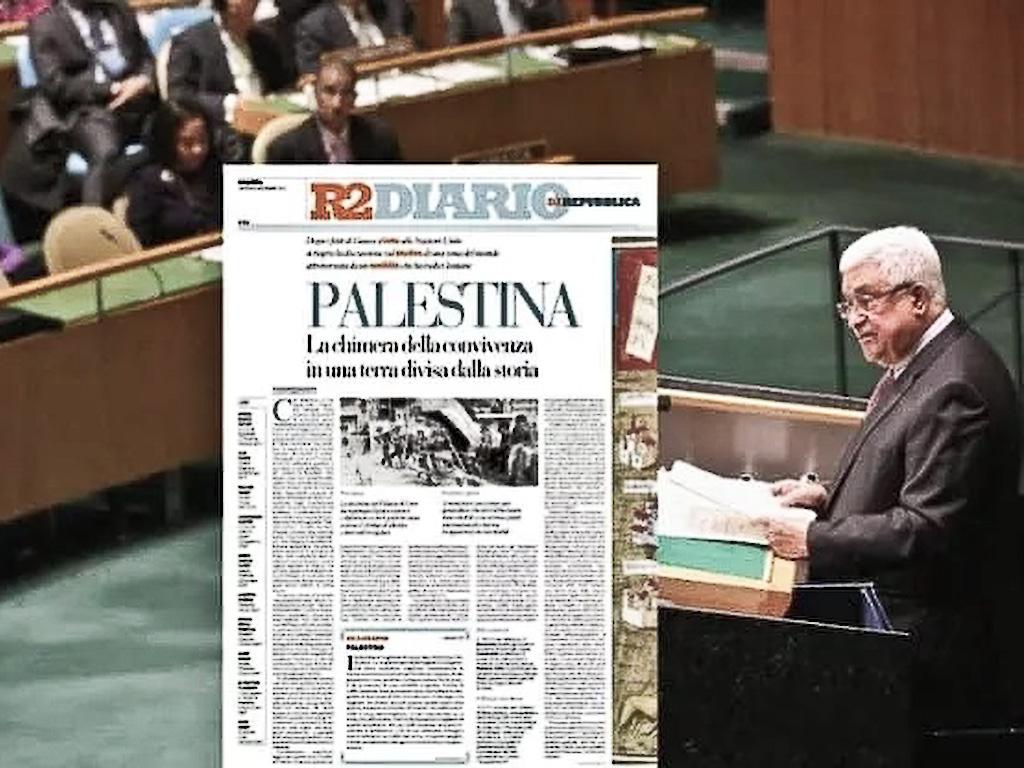
What difference is there between the Holy See and Palestine? According to the UN, none, since on 29 November last year the General Assembly elevated, by an overwhelming majority (138 in favour, 9 against and 41 abstentions), the Palestinian National Authority (PNA) to the rank of “non-member observer State”, the same status enjoyed by the Vatican entity. Yet while the papal monarchy, with its 572 citizens in 0.44 square kilometres, is a fully-fledged State, the PNA of the “mayor of Ramallah”, Abu Mazen, remains a category of the mind.
It controls no sovereign territory: what remains of the West Bank occupied by Israel, amputated by the Wall and colonised by Jewish settlements – including genuine fortified cities – is tightly controlled by the armed forces of Jerusalem. Thus today, in “historic Palestine”, alongside the State of Israel, we find two isolated fragments – Gaza and parts of the West Bank – that elude any geopolitical definition.
In the first, as large as the former Italian province of Prato, more than one and a half million souls are crammed together under the Islamist rule of Hamas. In the second, smaller than the province of Perugia, two and a half million Palestinians are packed in, along with almost half a million Jewish settlers.
Against this backdrop, the refrain “two peoples, two states” that the “international community” – another indefinable entity – continues stubbornly to chant sounds rather mocking. The vote at the Glass Palace will certainly not make it any less abstract. Yet around it another rhetorical-diplomatic theatre has come to life, in which the protagonists of the Israeli-Palestinian dispute feel the need to stage at irregular intervals in order to certify that the dispute is still alive – and therefore their right to deal with it as professionals of virtual negotiation.
The theatrical dramatisation should not make us lose sight of the substance: the dream (or nightmare) of two states remains a chimera. For many reasons, two of them decisive: The Palestinian people are far from forming a nation; at the same time, the growing heterogeneity of Israel’s population pushes Jerusalem to cement the internal front in a logic of permanent emergency, guaranteeing the geopolitical status quo and thus its title as the leading regional power.
Let us consider the Palestinians. Today they number about 12.5 million. Of these, four million live in the Occupied Territories (Gaza and the West Bank), which Israel considers “disputed lands.” Only one third of the total, therefore. The rest (4.5 million) consists of refugees in Arab countries, often crammed into unliveable camps, treated as pariahs by regimes that nonetheless proclaim themselves defenders of their cause; others (1.2 million) are citizens of Jordan, confined in the dilapidated house of the Hashemite king; a similar number are scattered across the world, especially in Europe and North America.
Finally, almost one and a half million are Israelis. Non-Zionist citizens of what some of them still consider a “Zionist entity”, are treated as second-class subjects by the government in Jerusalem and as traitors by the most fanatical among their compatriots (not fellow citizens). Yet they are reluctant to exchange the well-being and relative guarantees of Israeli democracy for the cage of Gaza or the occupied and depressed West Bank.
Among Palestinians, moreover, ancient clan hierarchies prevail. Some of these are reflected in political fragmentation, polarised between the “moderates” (because accepted by the West) of Fatah and the “extremists” (classified as “terrorists” by Israel) of Hamas, in addition to a rosary of minor formations, ranging from the most secular and liberal to those of Islamist inspiration close to Iran.
Each of these organisations has its own militia and intelligence services, almost always more than one. Rather than devoting themselves to fighting the Zionist enemy – often in fact cooperating with Mossad – these groups compete for all kinds of trafficking that proliferate in the shadow of the Israeli occupation. In short, the Palestinian people suffer, survive thanks to international aid (which contributes to their denationalisation), but are far from forming a compact nation determined to claim its own State.
Israel, for its part, does everything to prevent the various Palestinian factions from coming together in a single front. With the paradoxical result that it understands Hamas better – today the “lesser evil” in the Strip, infiltrated by Qaedist groups and pro-Iranian militias – thanks also to the mediation of Morsi’s new Egypt, than it does the Ramallah clan, which is in any case easily blackmailed because of its hyper-corruption.
Do not be deceived by the Hamas-Israel “maintenance wars”, which serve to lubricate the mechanisms of a stalemate that neither side intends to abandon, for lack of better alternatives.
As for the Israeli people. The citizens of the State of Israel number about eight million, of whom nearly six are classified as Jews, 1.7 million as Arabs and 0.3 million as belonging to other groups. According to official statistics, therefore, a quarter of the inhabitants of the Jewish State are not Jews. From time to time, the alarm over the Arab demographic overtaking within the space of the former British Mandate, between the Mediterranean and the Jordan, resurfaces, recently reiterated by Ha’aretz on the basis of questionable statistics derived from tax data.
But the greatest problem for the Jewishness of the Jewish State does not stem so much from Arab growth along its vague borders (that is, within the limits of “Greater Israel”, extending into Judea and Samaria/the West Bank), as from divisions within the Jewish majority itself. Not only the classic original split between Sephardim and Ashkenazim, but also those recently accentuated by the immigration of new Israelis of African and above all Slavic descent.
Recent immigrants who, among other things, make up the bulk of the national army. Starting with Jews of Russian origin, some of whom might better be described as Russians of Jewish origin (sometimes claimed), who occupy prominent positions in Israel’s political elite and social hierarchies, often holding dual or triple passports.
Not to mention the lack of communication between ultra-religious extremists, concentrated between Jerusalem and the settlements, and much more secular Jews, prevalent in Tel Aviv and its surroundings.
Once upon a time, when priests felt like eating meat on Fridays, they called it fish. The “ego te baptizo Palestinam” pronounced by the UN General Assembly may amuse cynics, but it does not change the terms of the drama. Palestine is elsewhere.
Vedi, La chimera della convivenza in una terra divisa dalla storia
The comments from our readers (2)
 It is a project born out of a war over a desert. It all began with a confrontation near Ouarkziz (Saharan mountain range located across southern Morocco and the far west of Algeria) in 1980. A few [...]
  He seems increasingly fixated on the idea that the United States should take over this gigantic icebound island, with one official saying the president wants to buy it and another suggesting that the [...]
  On 26 December 2025, Israel officially recognised Somaliland as an independent state, becoming the first country in the world to do so — a move that breaks a long-standing diplomatic taboo. [...]
 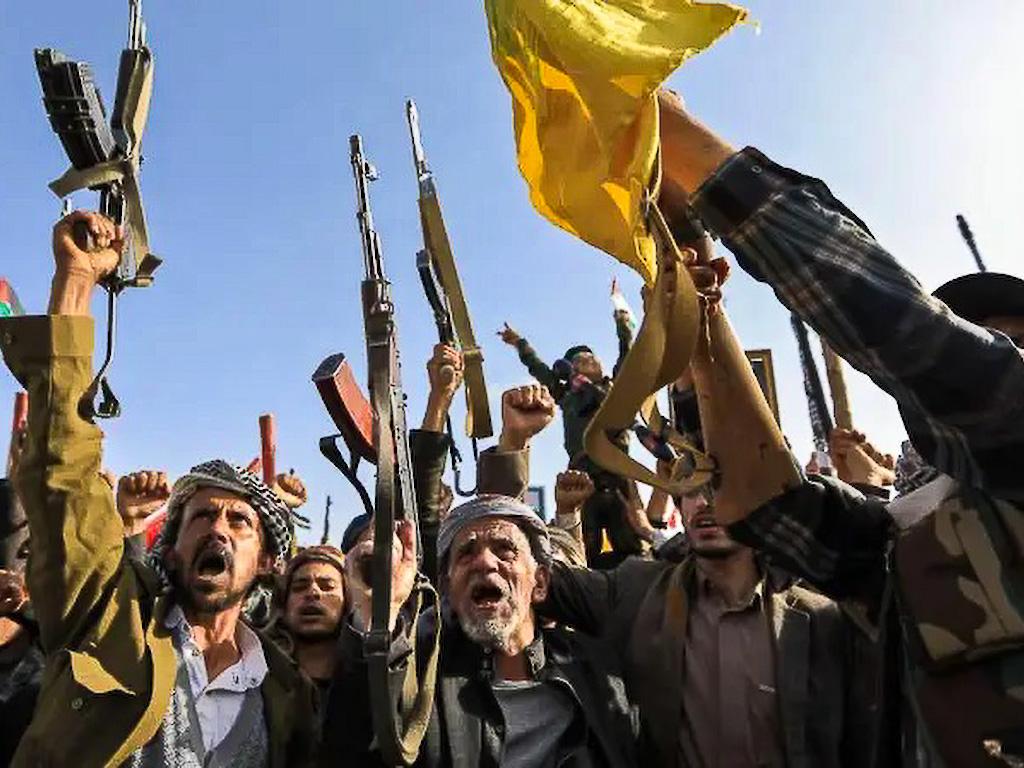 Self-proclaimed members of the “axis of resistance”, a term referring to armed groups hostile to Israel aligned with Iran, the Yemeni Houthis have claimed, since October 7, 2023, multiple [...]
 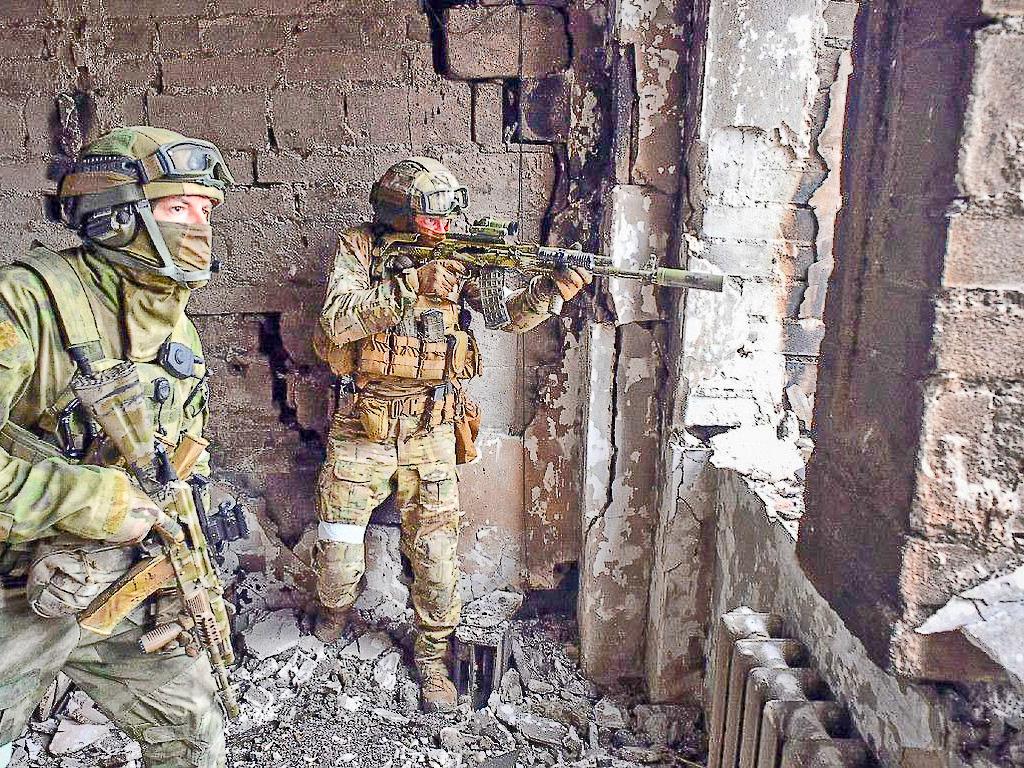 Israel’s National Security Minister, Itamar Ben Gvir, could not have been clearer in stating his goal: “A total suspension of humanitarian aid.” He justified his words as follows: [...]
  In response to the tragedy of Gaza, many react to the culpable loss of proportion in the Netanyahu government’s reaction by treating Israel as a foreign body rather than as a founding member of [...]
 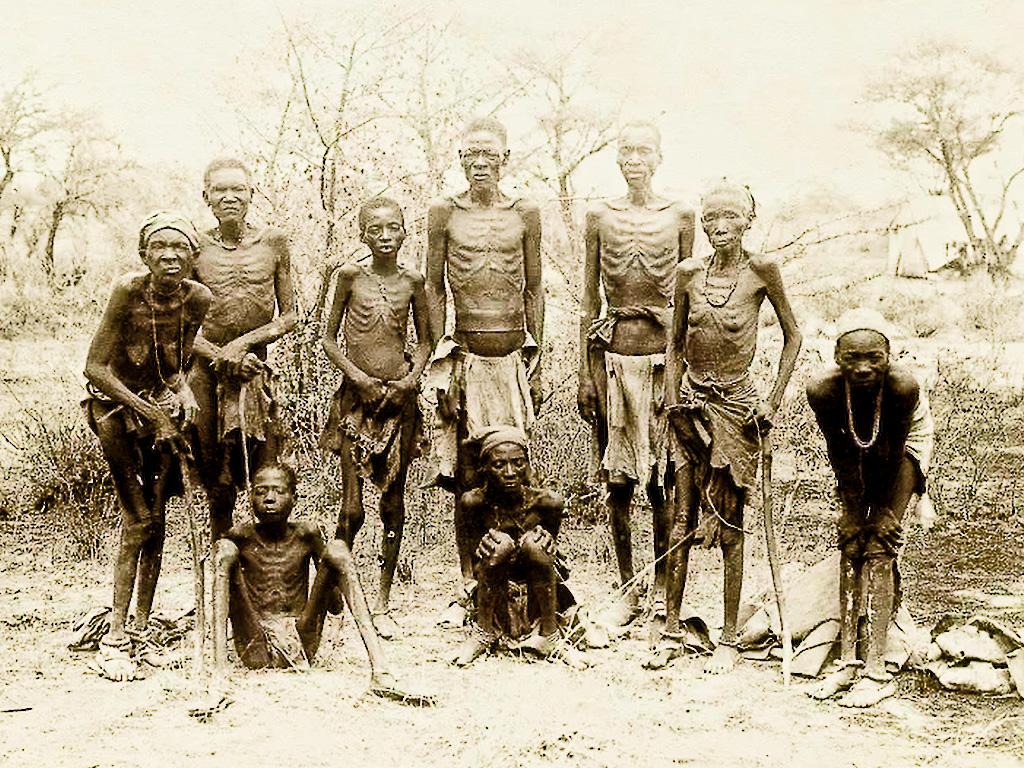 On the 2nd October of 1904, German General Lothar von Trotha, head of the military administration in colonial Namibia, ordered the extermination of the Herero and Nama peoples. That order marked the [...]
 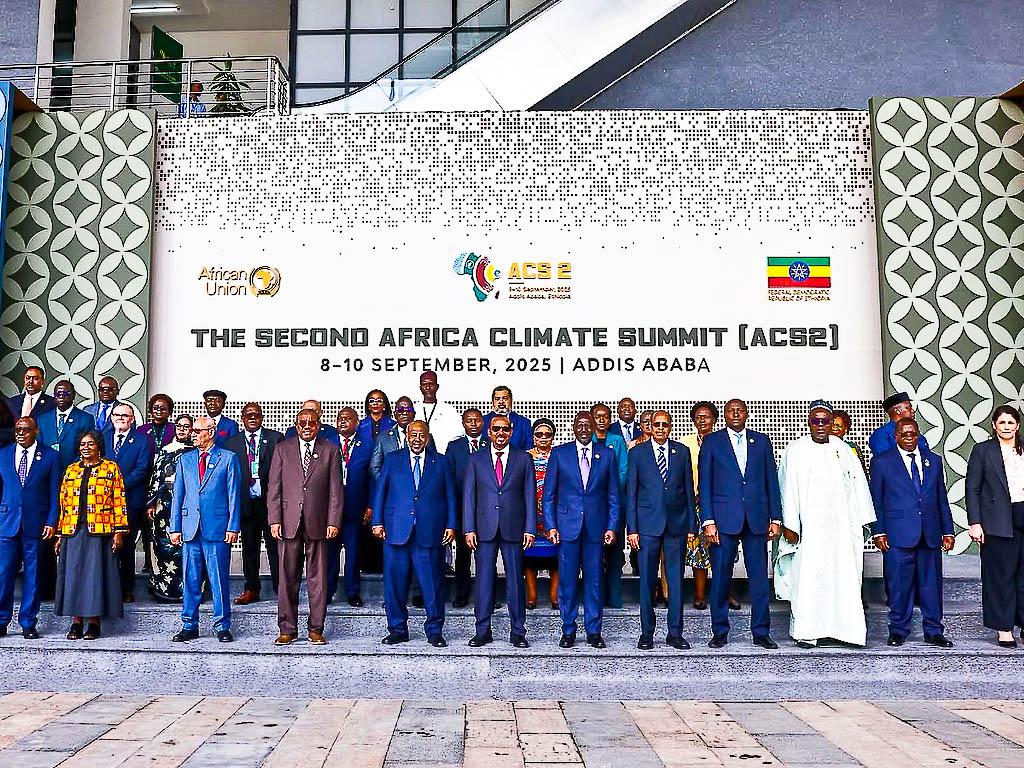 The second African Union Climate Summit (ACS2) has ended in Addis Ababa, Ethiopia. This preparatory meeting was held ahead of the United Nations Climate Change Conference (COP30), scheduled in Belem, [...]
 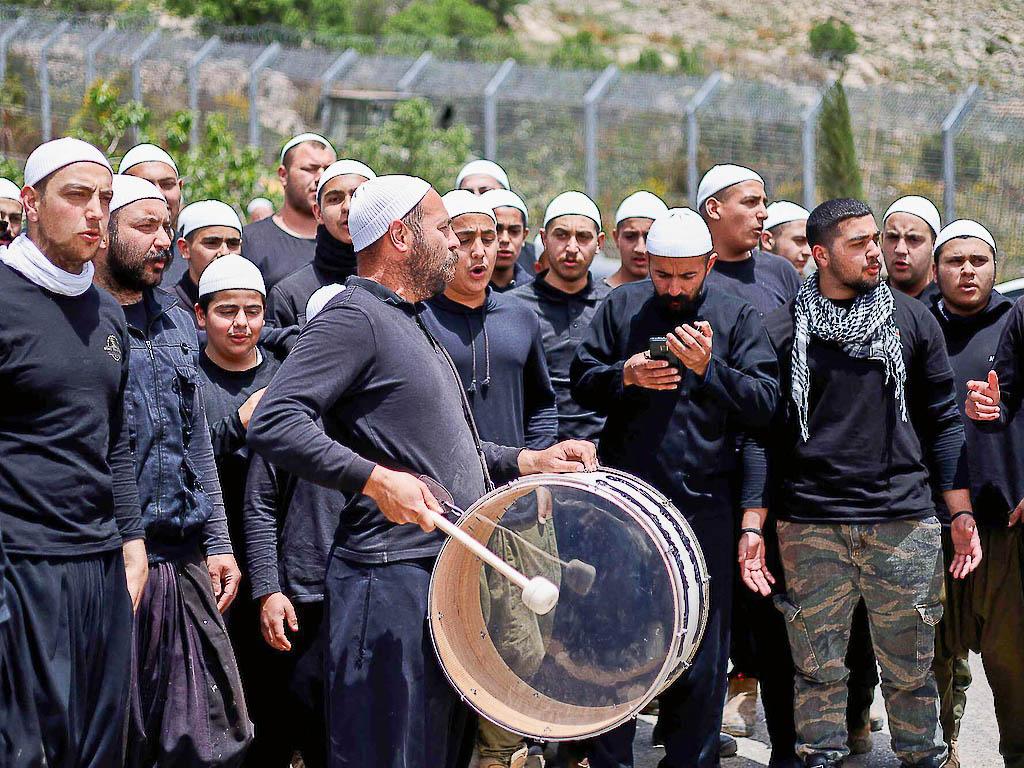 The massive raids carried out by Israeli air forces against Syrian army convoys of armored vehicles and heavy weaponry near and within Sweida, as well as strikes against the Ministry of Defense, the [...]
 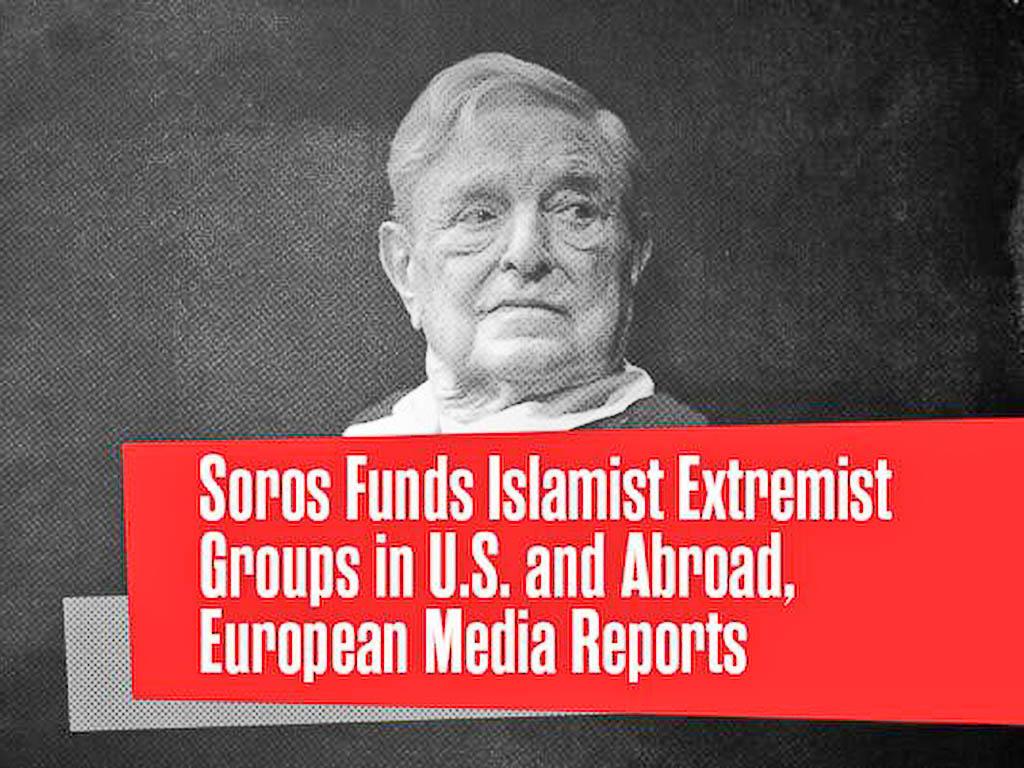 Citing records uncovered by a foreign research institute, various European media outlets report that “millions of euros in funding” from OSF have gone to groups that “function as [...]
 Info
Email: jampypezzi@gmail.com - tel. +39 328 732 6990 / +243 991 457 856
This blog is made in 4 languages: it en fr es

 EDitt | Web Agency
Leave a comment