Justice, Peace, Integrity
of Creation
Justice, Peace, Integrity
of Creation
By John Paul Pezzi, Mccj
Justice, Peace, Integrity
of Creation
By John Paul Pezzi, Mccj
Justice, Peace, Integrity
of Creation
By John Paul Pezzi, Mccj

Justice, Peace, Integrity
of Creation
By John Paul Pezzi, Mccj
The Donkey Trade
Ovunque 18.03.2026 Sconosciuto Translated by: Jpic-jp.orgMarkets can generate wealth and progress, yet they also carry significant risks. Greed and the illusion of easy profit often prevail. Those who promise returns that seem too good to be true frequently aim to deceive the most trusting. This tale serves as a reminder that in business prudence may sometimes be worth more than money, and that the powerful can unite to exploit the poor, turning the market into an instrument of oppression.
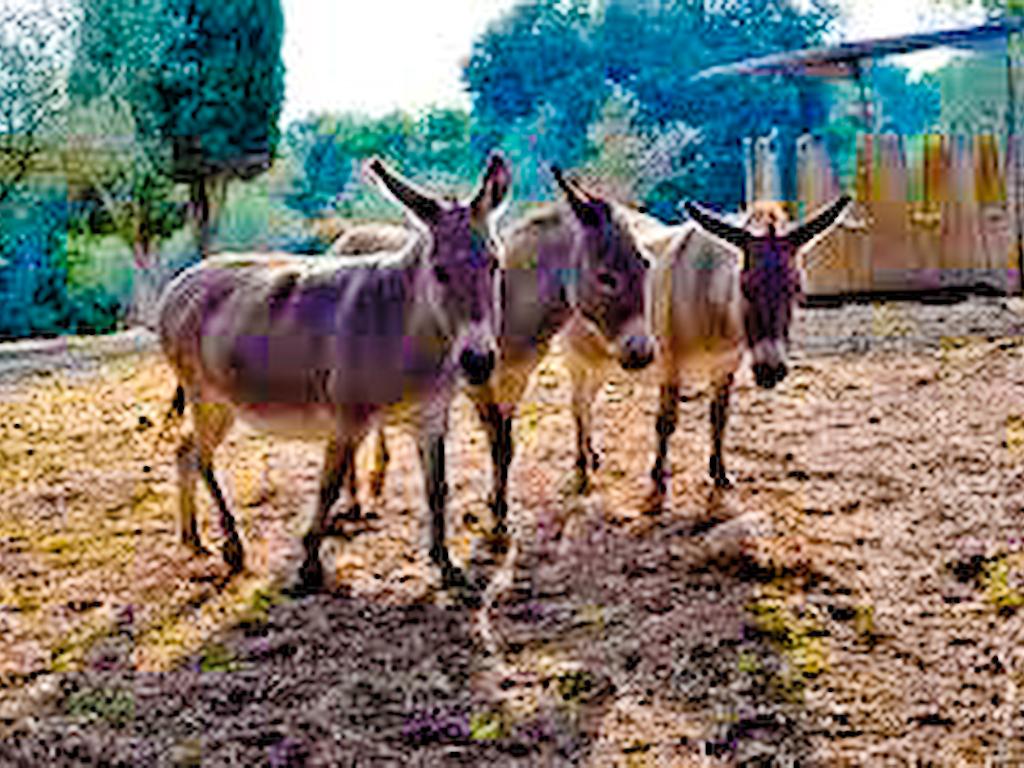
One day, a man wearing an elegant suit and a fine tie made a striking entrance into a village.
Climbing onto a crate, he loudly announced to anyone willing to listen that he would buy every donkey offered to him for €1,000 each.
The villagers found the offer unusual, yet the price was highly attractive, and those who struck a deal with him walked away smiling.
He returned the following day, this time offering €1,300 per head. Once again, a large number of villagers sold their animals.
Over the following days, the man with the elegant tie raised his offer to €2,000 per head, and those who still owned a donkey sold it immediately. The stranger then observed that not a single donkey remained in the village. He announced that he would return exactly eight days later and would pay €4,000 per head. With that, he left the village.
The next day, he entrusted the herd of donkeys he had purchased to his associate and sent him back to the same village with instructions to sell the animals for €3,000 each.
The villagers soon saw a man dressed in a dull grey suit arriving with a herd of donkeys. Everyone thought to themselves: “Next week the man with the fine tie will pay €4,000 per head. If we buy a donkey from the man in the grey suit, we can resell it for a profit of €1,000.”
One by one, the villagers bought back their donkeys, paying up to three times the price at which they had sold them. Naturally, in order to pay the man in the grey suit, they all had to borrow money.
The two businessmen — the one with the fine tie and the one in the grey suit — then left to enjoy well-deserved holidays, investing the money they had made. The villagers, meanwhile, found themselves deeply in debt.
The unfortunate villagers tried in vain to resell their donkeys — which were of little value — in order to repay their loans. The price of donkeys collapsed.
The banker then seized the animals and rented them back to their former owners, who could not do without them for their work. At the same time, the banker appealed tearfully to the mayor for financial assistance, arguing that if he failed to recover his funds he too would be ruined and would be forced to demand immediate repayment of all loans granted to the municipality.
To avoid such a disaster, the mayor — who had initially considered giving money directly to the villagers so that they could settle their debts — ultimately handed the funds to the banker, who happened to be both his close friend and deputy mayor. Once his liquidity had been restored, however, the banker did not cancel either the villagers’ debts or those of the municipality, leaving everyone on the brink of over-indebtedness.
As the debt soared and the municipality was squeezed by rising interest rates, the mayor sought help from neighbouring towns. Yet they replied that they were unable to assist, as they had suffered the very same misfortunes.
Following what were described as the banker’s wise and impartial recommendations, all the municipalities decided to cut public spending: less funding for schools, fewer resources for social programmes, road maintenance and municipal policing. Local government jobs were eliminated, salary increases and bonuses were cancelled, assistance to the most vulnerable was reduced, and taxes were raised.
These measures, it was said, were unavoidable. At the same time, promises were made to regulate the scandalous donkey trade.
In a gesture of remarkable generosity, the banker, the man with the fine tie and the man in the grey suit promised to finance the electoral campaigns of the incumbent mayors.
The bitter irony of the story became clear when it emerged that the banker, the man with the fine tie and the man in the grey suit were brothers. The three of them lived together on a paradise island of which they were the happy owners.
Even today they are known as the Market Brothers.
 Corruption in Africa “remains a serious problem.” This is stated in the latest report by Transparency International, which shows that most countries in sub-Saharan Africa are ranked among [...]
 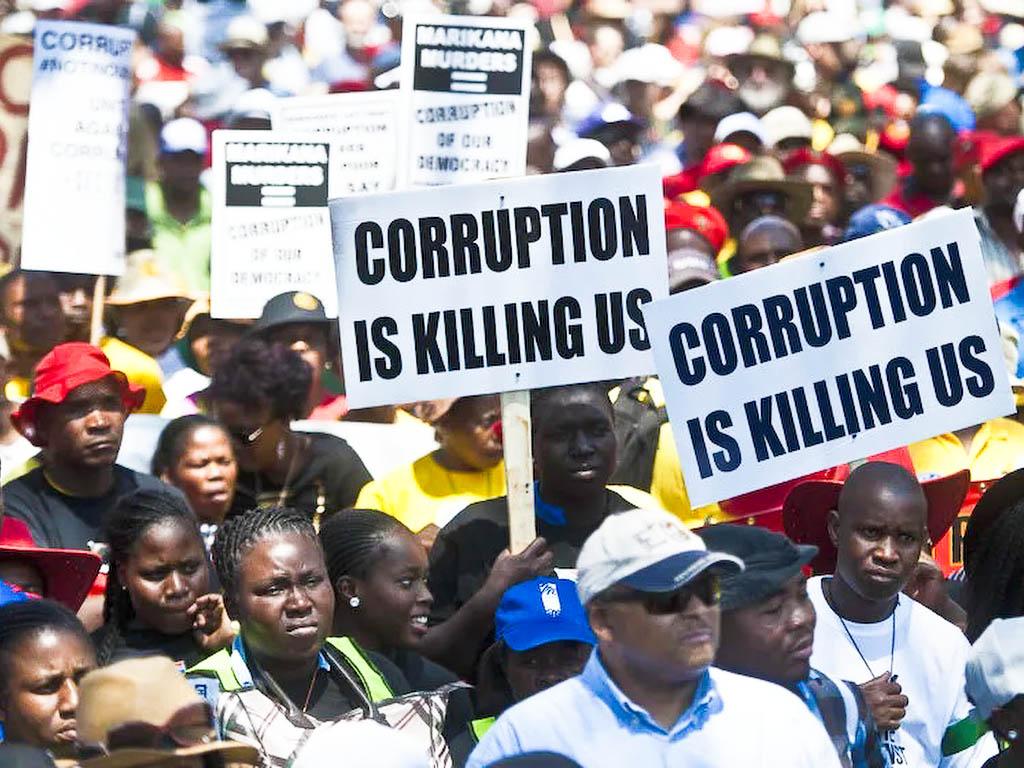 Africa is experiencing a clear economic paradox: it is the continent with the greatest need for resources for its development and, at the same time, it loses over $587 billion annually due to capital [...]
  A thousand people have been arrested in 19 African countries in a major operation against cybercrime, Interpol announced on 26 November 2024. The international criminal police organisation conducted [...]
 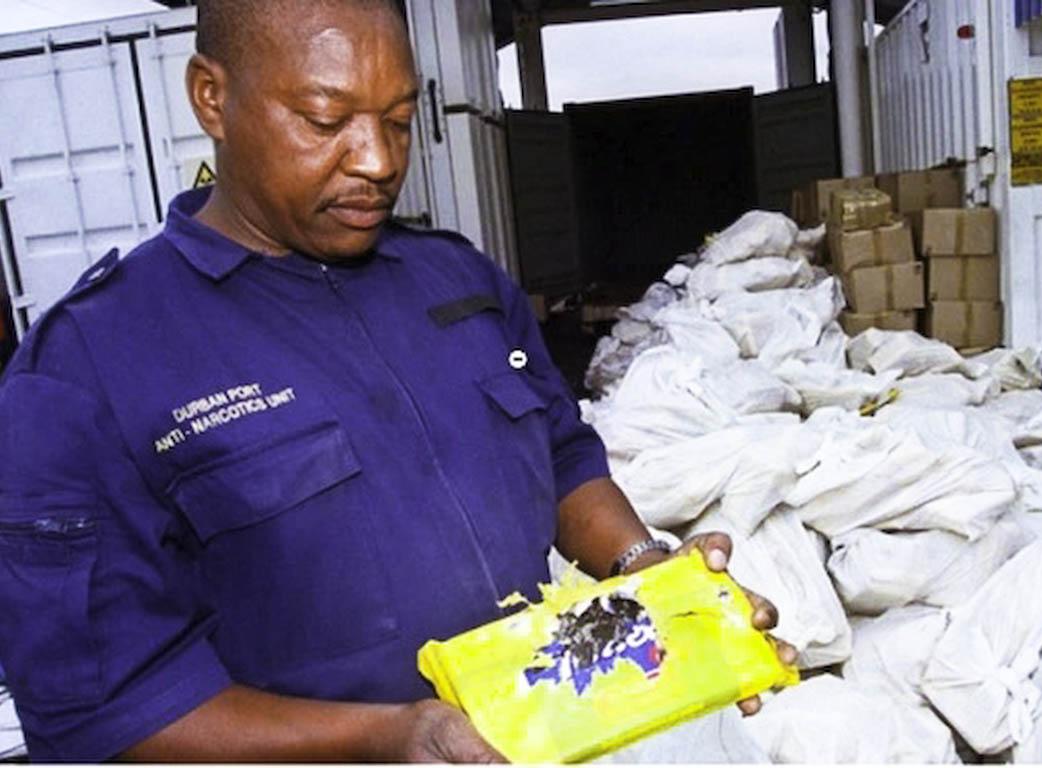 The African continent is still and above all a land of transit with respect to the diffusion of cocaine, but with significant increases also in domestic consumption.
After the partial deceleration [...]
The African continent is still and above all a land of transit with respect to the diffusion of cocaine, but with significant increases also in domestic consumption.
After the partial deceleration [...] 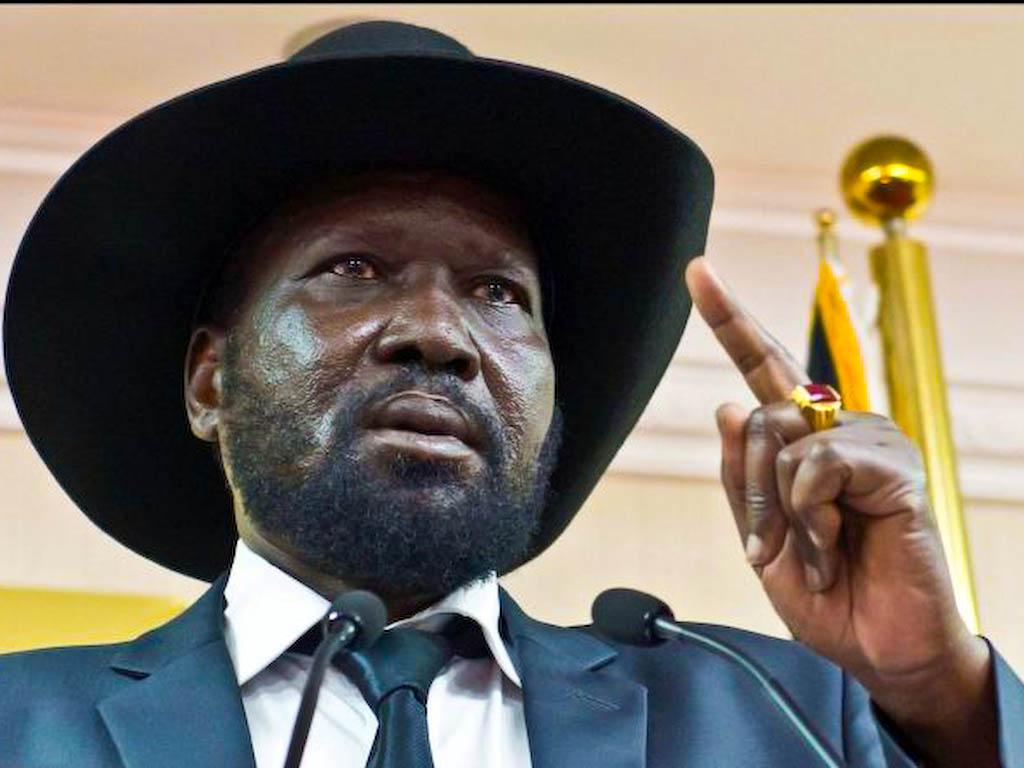 Research by the American think-tank The Sentry continues into the business and financial interests of Africa's most unstable countries, with the aim of understanding, and unmasking, those who [...]
  With such as data number, it is not surprising that the scandal affects rich people all around the world, including a few Africans. Specifically, the names of Uhuru Kenyatta, Denis [...]
 Info
Email: jampypezzi@gmail.com - tel. +39 328 732 6990 / +243 991 457 856
This blog is made in 4 languages: it en fr es


 EDitt | Web Agency
Leave a comment