Justice, Peace, Integrity
of Creation
Justice, Peace, Integrity
of Creation
By John Paul Pezzi, Mccj
Justice, Peace, Integrity
of Creation
By John Paul Pezzi, Mccj
Justice, Peace, Integrity
of Creation
By John Paul Pezzi, Mccj
Justice, Peace, Integrity
of Creation
By John Paul Pezzi, Mccj
Africa between exclusion and leadership
Rivista Africa 21.12.2025 Mario Giro Translated by: Jpic-jp.orgBeijing is looking towards Asia, the Brics are struggling to gain momentum, and the West appears distracted. If the African continent risks being left on the margins of the new global geopolitics, the mistake made by the major powers lies in believing that Africa is still waiting for instructions. Africa, on the contrary, makes its own choices: more autonomous, more aware, more independent.
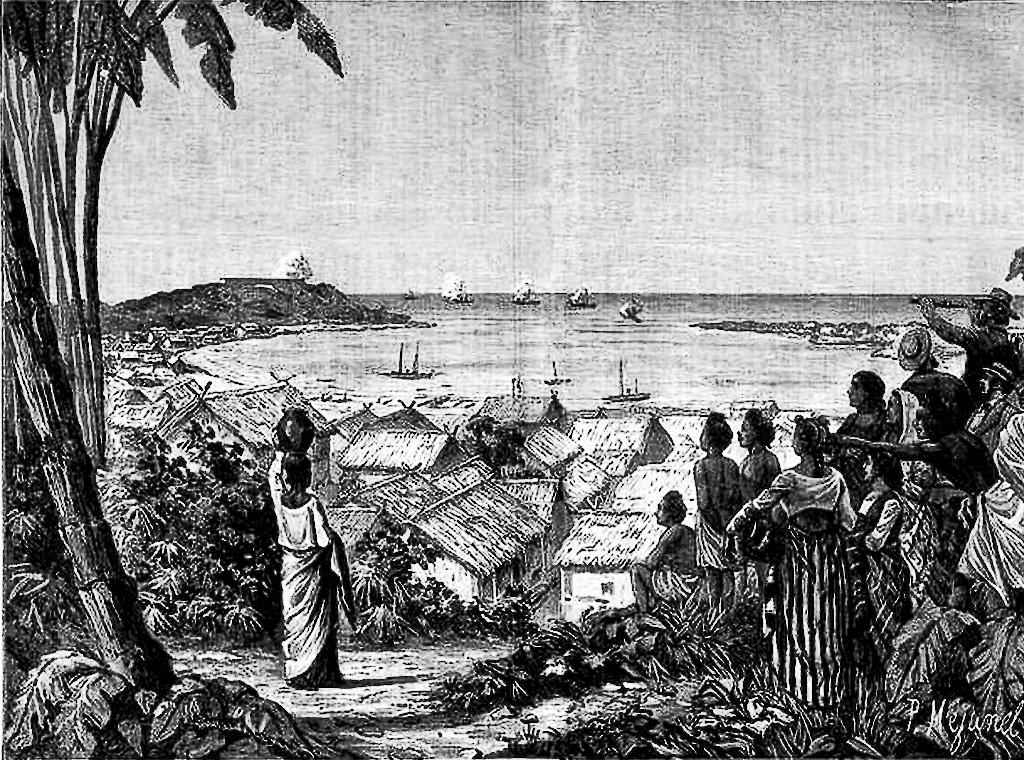
Brics or the Shanghai Cooperation Organisation? This is the question many observers are asking when considering Africa’s future, following the parade in Beijing last September. Within the former framework, the continent finds a place; within the latter, it is excluded. Yet the real issue lies elsewhere: the geopolitical centre of gravity is shifting towards Asia, the main arena of strategic competition with the United States, the fastest-growing economic region, and a crucial bridge between two oceans, particularly towards the Pacific.
Meanwhile, the Brics are faltering. Brazil and South Africa, though critical of the West, remain anchored to democratic systems and to a culture of rights that does not align with the authoritarian models promoted by Moscow and Beijing. The South African case is emblematic. The ANC has historically carried a radical ideological legacy, tempered by Nelson Mandela’s leadership and by the Truth and Reconciliation Commission chaired by Archbishop Desmond Tutu. Yet while South Africa has promoted economic empowerment and black business, it has also internalised global norms on human rights and emerging social sensitivities, often finding itself at odds with Moscow and Beijing. Pretoria nonetheless remains the only genuine African power with global reach, to the extent that it has attracted both Trump-era hostility — including the unfounded allegation of “white genocide” — and Russian irritation, since it cannot disregard its obligations towards the International Criminal Court. This constraint forced Vladimir Putin to forgo attending the most recent Brics summit held in Pretoria.
In Asia, the picture is more straightforward. Moscow finds a natural environment for its “Asianist” vocation, the alliance with Beijing grows stronger, and Africa risks slipping to the margins of the new global architecture, much as it once did in relation to the West. Concepts such as “African Renaissance” and “African Solutions for African Problems” have enjoyed symbolic resonance but limited practical implementation. Neither the United States, nor Europe, nor China, nor Russia appear willing to engage decisively in African crises. The war in Sudan is a striking example. On one side stand the Sudanese Armed Forces (SAF), led by General al-Burhan, the country’s president; on the other, the highly irregular militias of the Rapid Support Forces (RSF) under the former janjaweed leader Hemetti. The international community should decide whom it recognises, but prefers not to do so. The United Arab Emirates, Libya’s General Haftar and Chad support Hemetti. Egypt should support the SAF but maintains a careful balance, as does Saudi Arabia. No one wishes to intervene to seek solutions to this war, yet everyone has interests to protect. The European Union has stated that it will recognise the SAF as the de facto government, a modest step forward. The RSF complains of being side-lined in various international formats addressing the crisis, despite enjoying Emirati backing. China remains on the side-lines, despite its strategic interests. The United States attempted, during the Biden administration, a triangulation with Riyadh, but without tangible results.
And Italy? Some African countries perceive it as a less threatening partner than the major powers and one more inclined towards dialogue. This is the context in which the Mattei Plan is positioned, aiming to help Africa process its raw materials locally, fostering industrialisation and added value. It is a long-term objective that will require decades before producing concrete outcomes.
The truth is that the greatest mistake made by both the West and Asia is to believe that Africa is still waiting for guidance. In reality, the continent is moving forward on its own terms, as it should: more independent, more aware, more autonomous. It no longer seeks protection or paternalism. It decides, it chooses, it sometimes makes mistakes — but these are its own mistakes, not ones imposed from outside. This is a reality the world must learn to accept.
The comments from our readers (1)
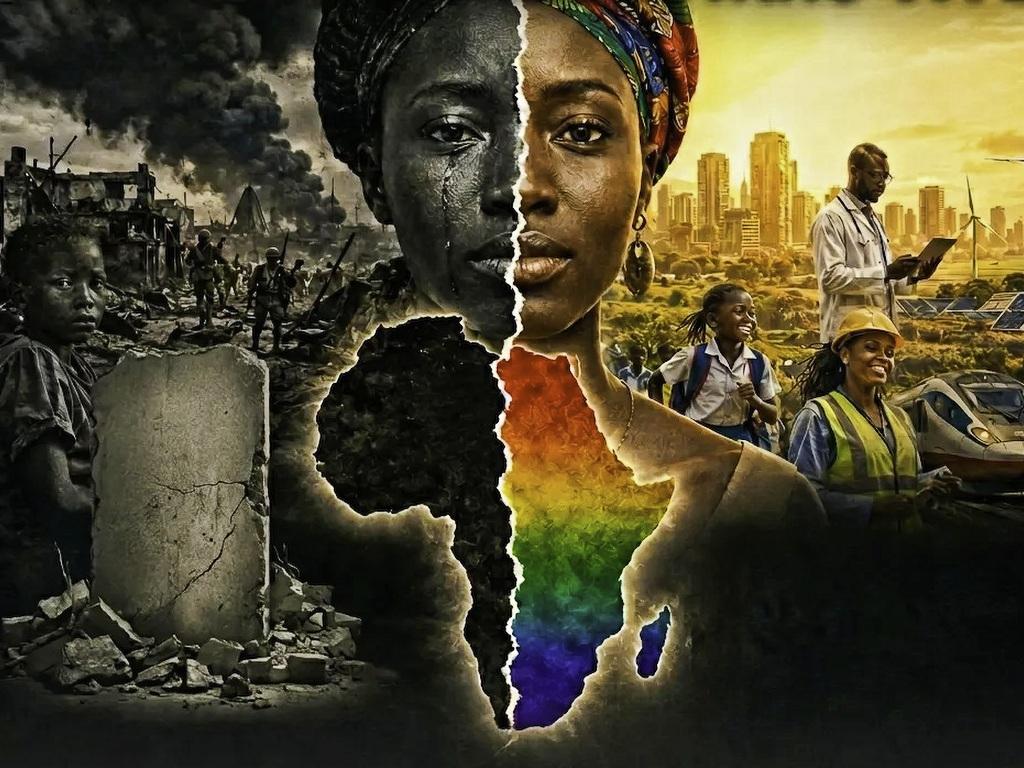 Africa pays an extraordinarily high price for negative stereotypes. According to the 2024 report The Cost of Media Stereotypes to Africa, by Africa No Filter and Africa Practice, the continent loses [...]
 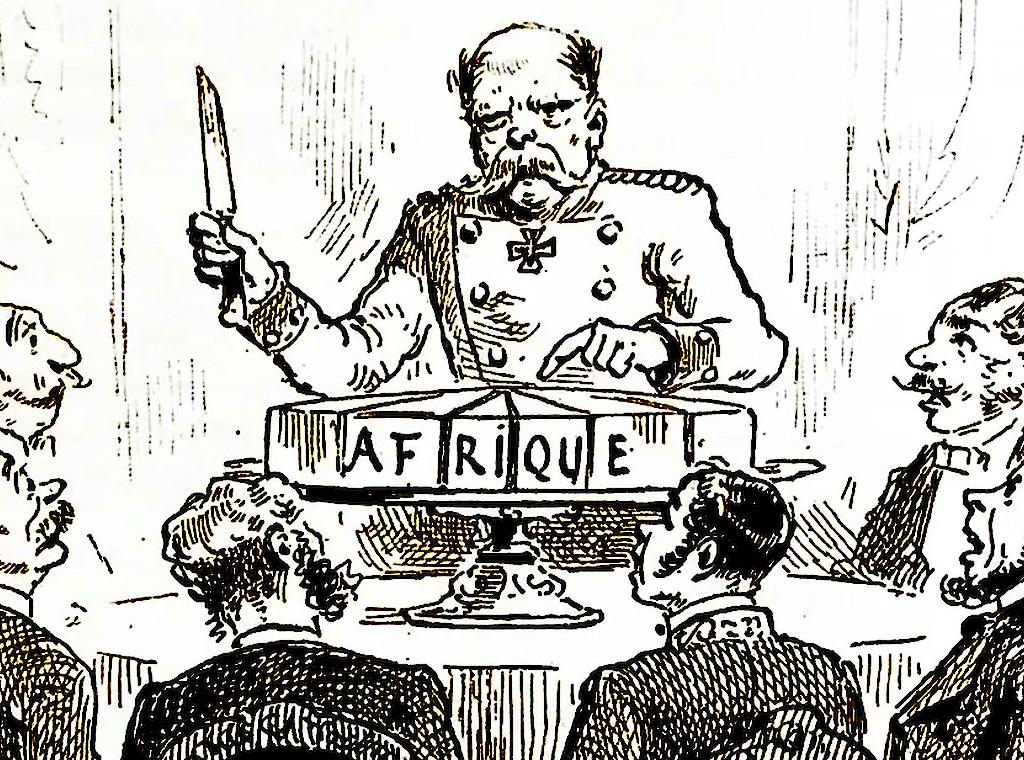 Borders are always imposed by political powers from the centre upon distant regions. The idea that African borders are solely the result of colonisation is, moreover, itself a colonial idea.
The [...]
Borders are always imposed by political powers from the centre upon distant regions. The idea that African borders are solely the result of colonisation is, moreover, itself a colonial idea.
The [...]  Soumaila Diawara, originally from Mali, is a writer, political activist, and refugee. Raised in Bamako, he became involved in student movements advocating democratic opposition. After the military [...]
 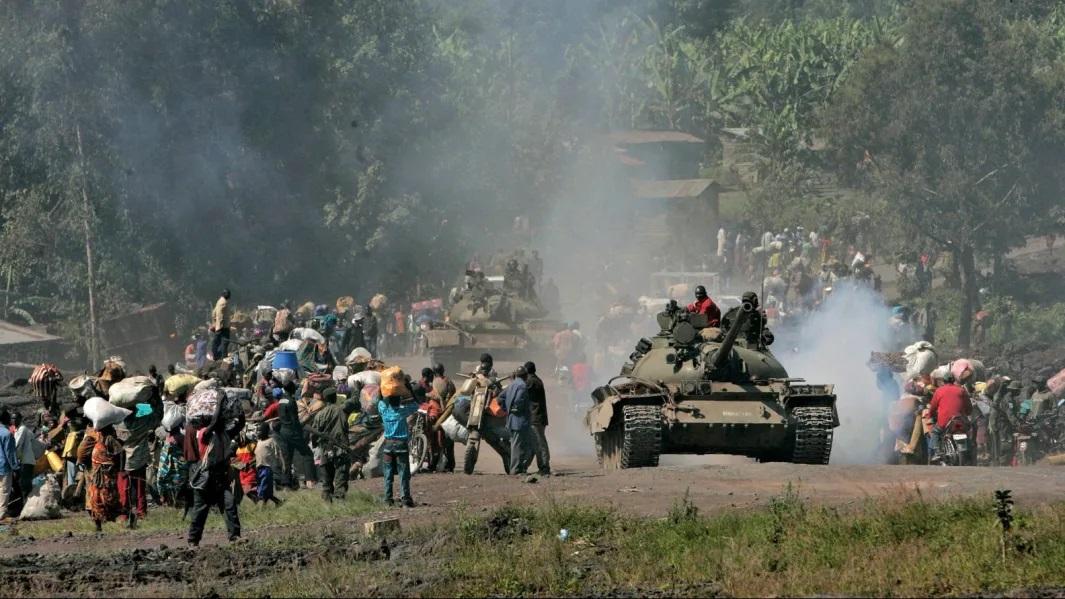 The book (Infinito Edizioni, 2024, pp. 101, € 14.00) by journalist Enzo Nucci, who for sixteen years was RAI's (Italian Radio & TV broadcasting) correspondent from Nairobi, is entitled [...]
 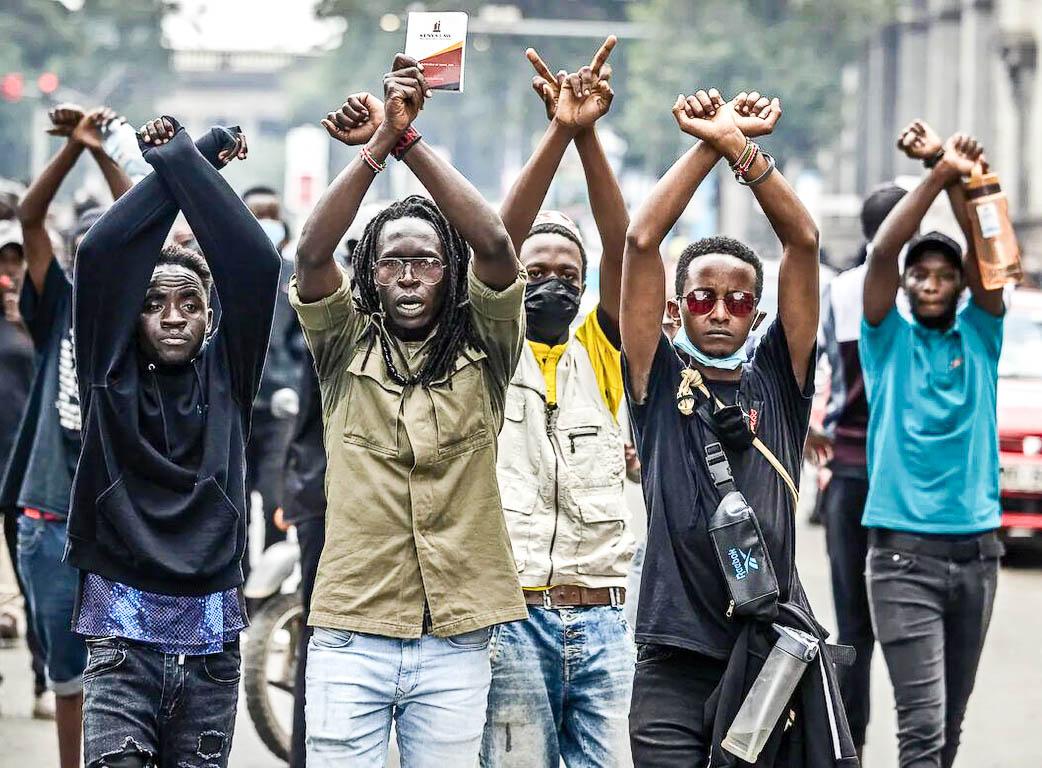 They resent political leaders deemed “corrupt,” “incompetent,” “in the pay of the West” (accused of imperialism and neo-colonialism). We have seen them parading in [...]
 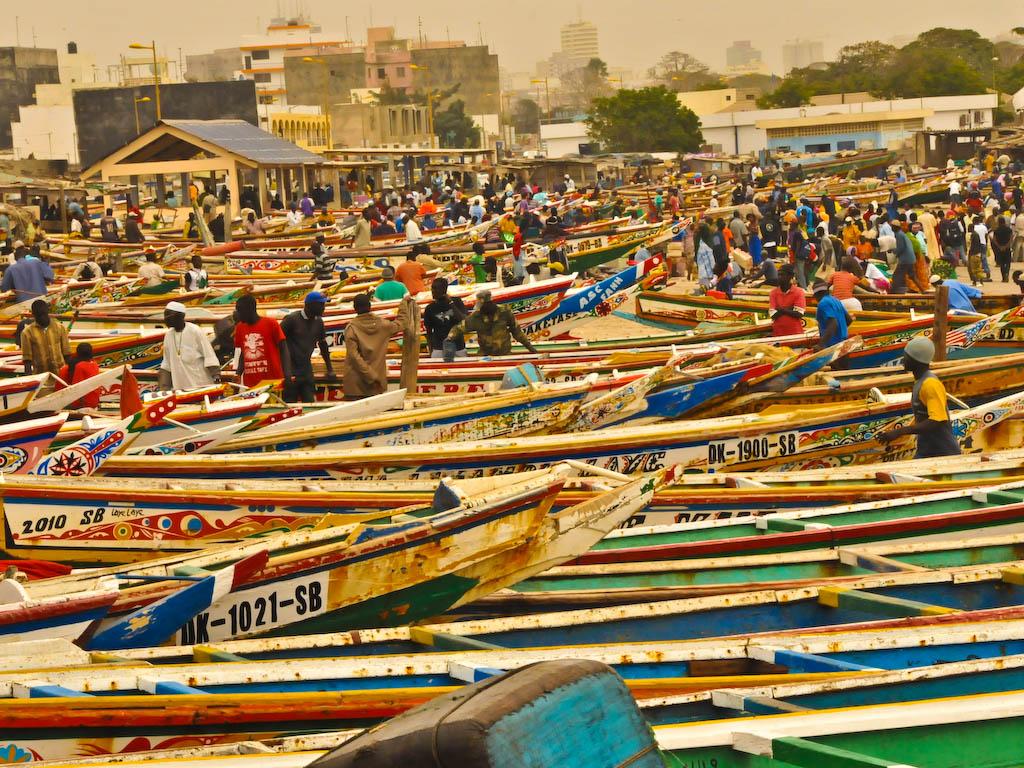 The year 2023 on the African continent has seen the opening of many global construction agendas that deserve attention and much implementation work. There are at least three international events that [...]
 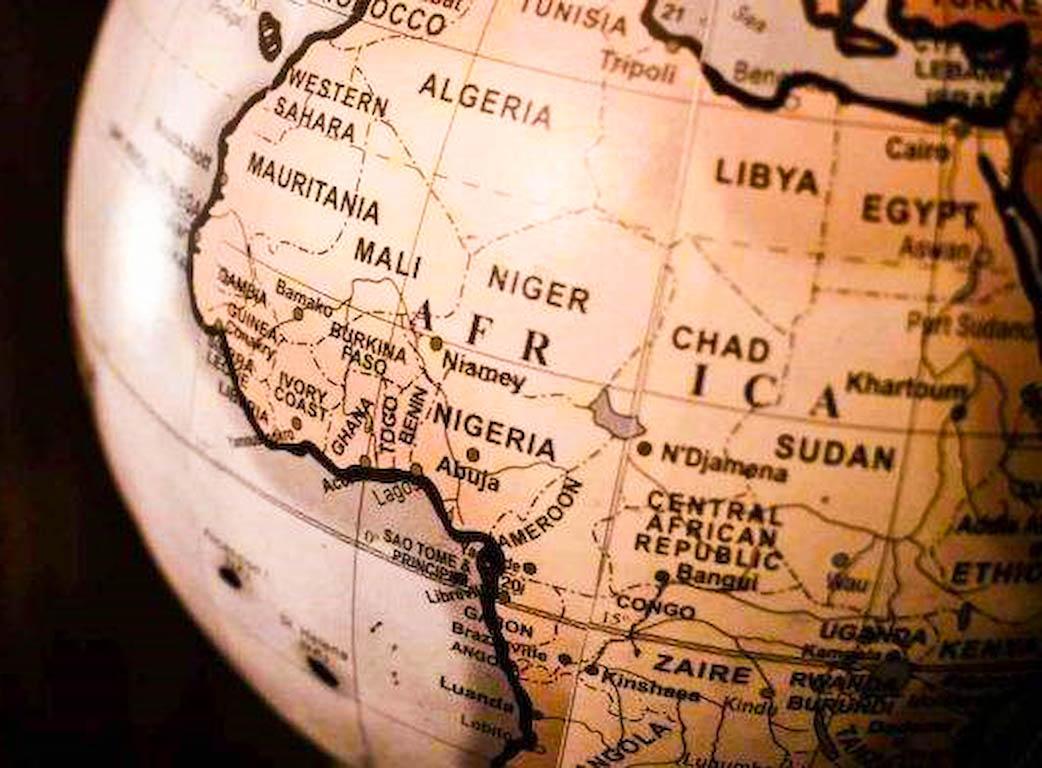 The complexity of Africa is rendered perhaps by the number of its languages: someone will have counted them. In Zimbabwe alone there are 16 official ones, while in South Africa there are 11. In this [...]
 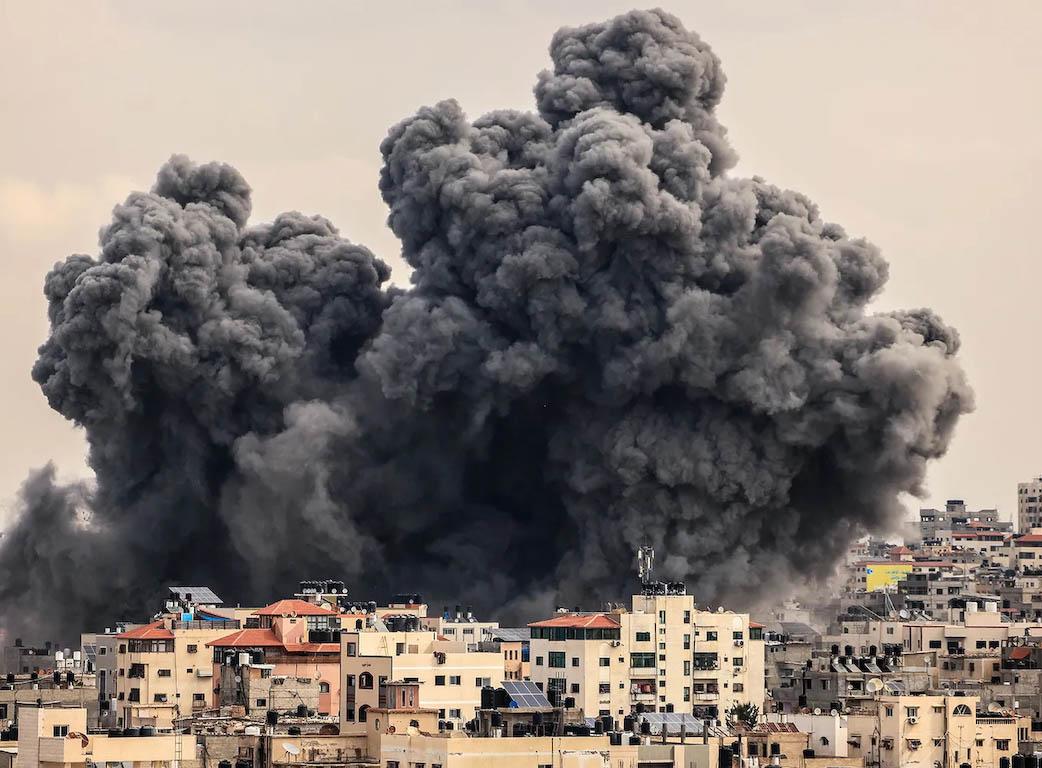 All of this was blown to bits when Hamas launched an attack on Israeli territory from the Gaza Strip on 7th October 2023. The images were truly chilling, both for the number of deaths and the cruelty [...]
 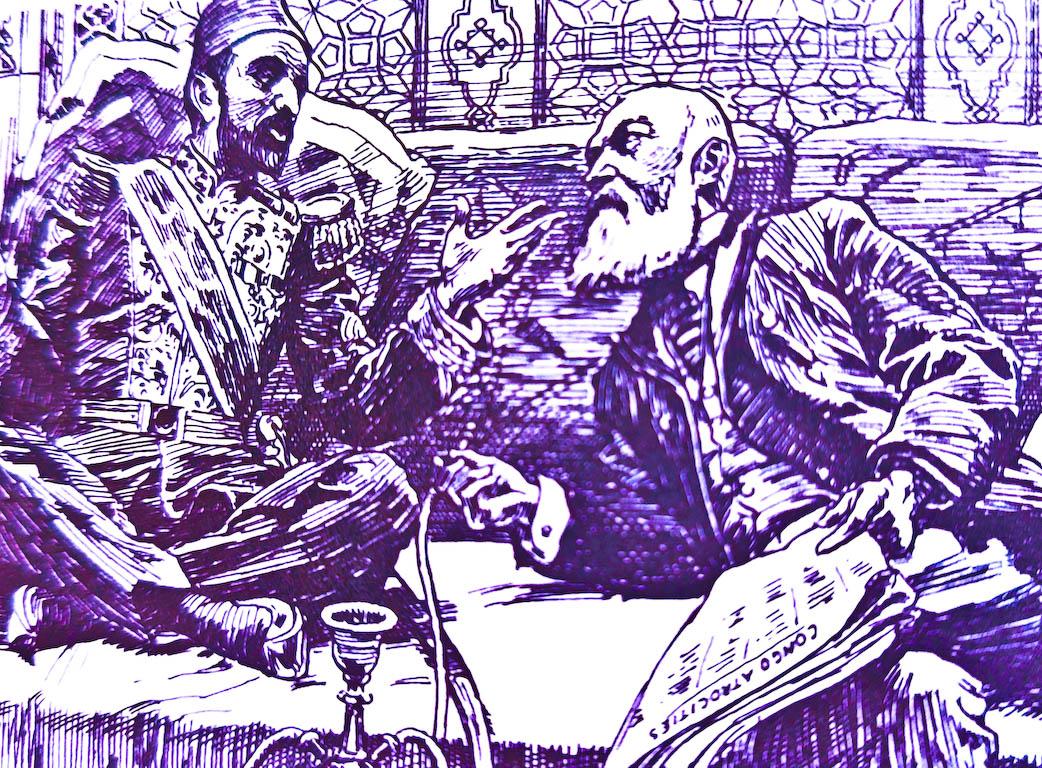 The book King Leopold’s Ghost, by Adam Hochschild, is a book relating through its more than 360 pages “A story of greed, terror, and heroism in colonial Africa.” In fact, “It [...]
 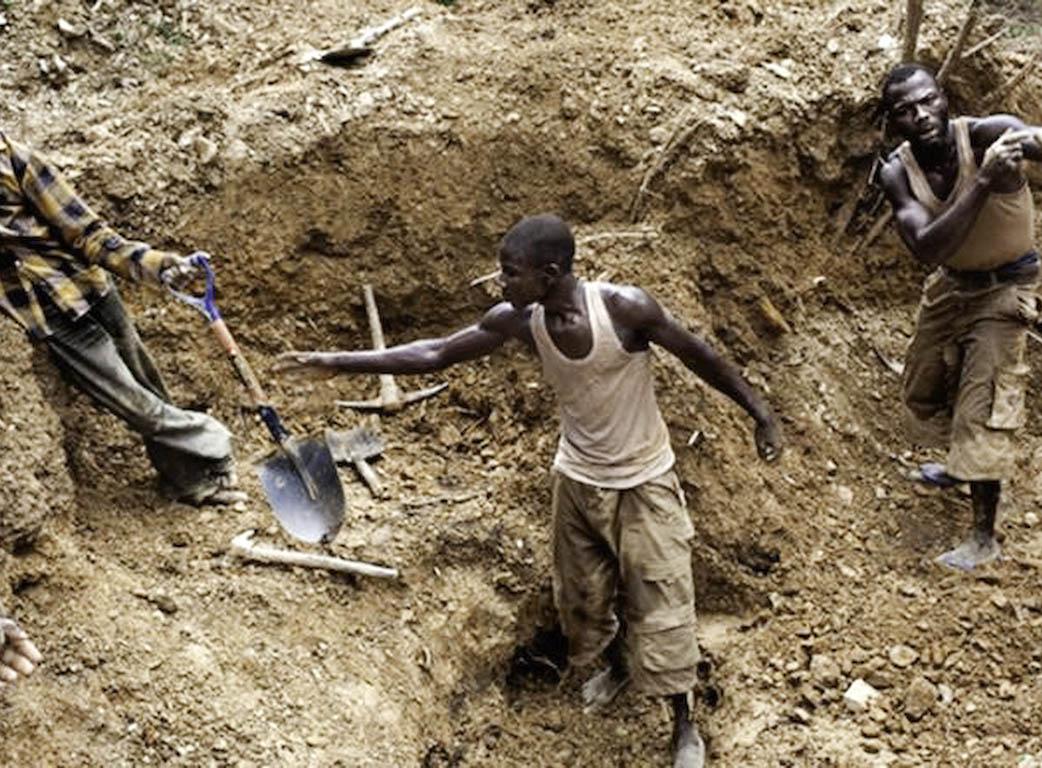 How is the African economy doing? According to the World Bank's latest Africa's Pulse report, the continent is experiencing a diverse situation. Global inflationary pressures, the threat of [...]
 Info
Email: jampypezzi@gmail.com - tel. +39 328 732 6990 / +243 991 457 856
This blog is made in 4 languages: it en fr es

 EDitt | Web Agency
Leave a comment