Justice, Peace, Integrity
of Creation
Justice, Peace, Integrity
of Creation
By John Paul Pezzi, Mccj
Justice, Peace, Integrity
of Creation
By John Paul Pezzi, Mccj
Justice, Peace, Integrity
of Creation
By John Paul Pezzi, Mccj
Justice, Peace, Integrity
of Creation
By John Paul Pezzi, Mccj
Celebrating Slowness
https://labarcaeilmare.it 07.05.2026 Bruno Felice Duina* Translated by: Jpic-jp.orgIn a world that is moving ever faster, celebrating slowness may seem to go against the tide. Yet it remains a great value. Perhaps that is why a special day has been dedicated to it. Established in Italy in 2000, it was initially celebrated on different dates, but in recent years it has been observed on the first Monday of May. Its aim was to promote a less hectic way of life and a greater appreciation of the quality of relationships, work and leisure time.
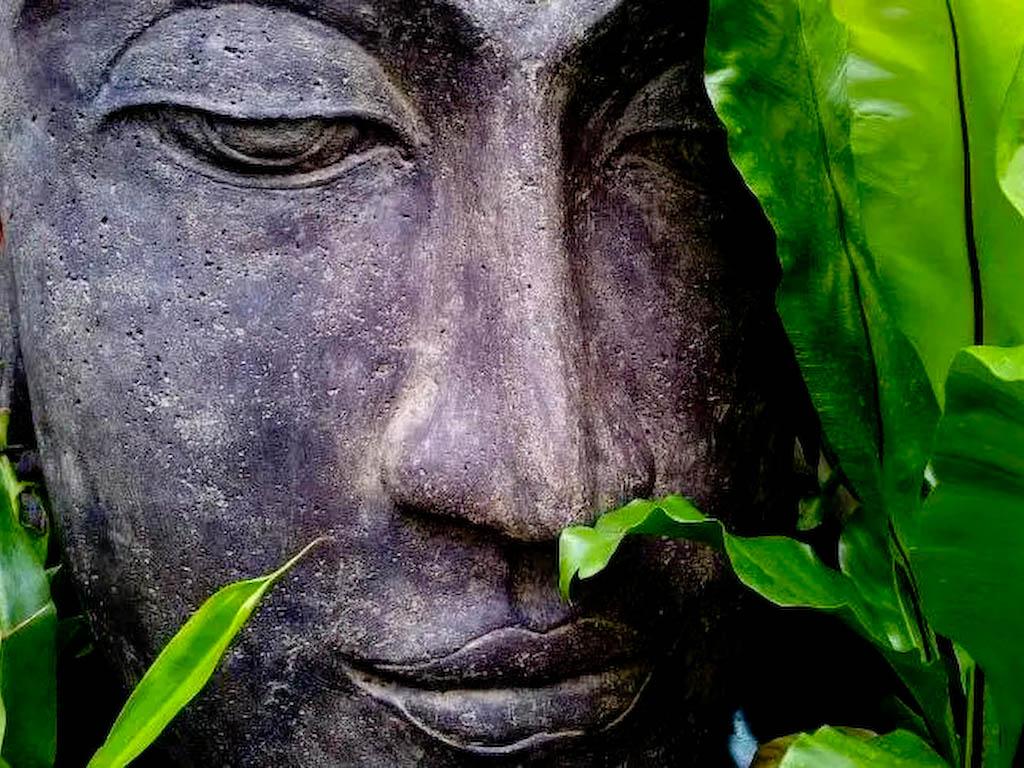
World Slowness Day was founded on the idea that speed is not always synonymous with progress or happiness. In the contemporary world, we are constantly encouraged to rush: work, travel, communication and endless commitments. The founders of the day wished to remind us that slowing down also has value: making time for people, for reflection and for self-care. The initiative was launched by the Italian association L'Arte del Vivere con Lentezza ("The Art of Living Slowly"), inspired by a simple philosophy: not to do fewer things, but to do them with greater awareness.
This vision is closely linked to other movements that originated in Italy and around the world, such as Slow Food, founded by Carlo Petrini in 1986. Slow Food was created to defend local gastronomic traditions and counter the spread of fast food. Over time, the concept of "slow" has expanded into other areas of life: slow tourism, slow education, slow cities and even working at a more humane pace.
Among the symbols of this culture is also the Cittaslow movement, founded in 1999 by a number of Italian municipalities. Member towns commit themselves to improving quality of life, reducing urban stress, promoting environmental protection and preserving local traditions.
World Slowness Day encourages people to perform small but meaningful actions: walk instead of rushing; listen to someone without looking at your phone; devote time to reading; enjoy meals at a relaxed pace; observe nature; and allow yourself moments of silence and reflection.
Ultimately, its message is summed up in a paradox: sometimes, by slowing down, we travel further. Not because we cover more ground, but because we experience the journey more deeply. As an African proverb says: "Those who walk slowly go far; those who run without a destination soon grow weary."
Bruno Felice Duina recalls Jonathan Swift (Dublin, 1667–1745), who, with subtle irony, describes the impressions of the Lilliputians after they searched Lemuel Gulliver and reported to their king on the objects they had found, including his pocket watch: "We supposed it to be... a deity which this man worshipped... because he [Gulliver] told us... that he never did anything without consulting it, as it was his oracle, marking the time for every action of his life."
The Dominion of Time
As early as 1726, the year Gulliver's Travels was published, Swift had already grasped—well ahead of his time—one of the defining themes of the modern age: the domination of time and the elevation of the watch to the status of a deity.
The Irish Anglican clergyman could certainly never have imagined the extraordinary advances technology would achieve. Today, instead of speaking of the watch, we should speak of the mobile phone. From the watch to the mobile phone, the underlying logic remains the same: the latter is merely the evolution of the former. This new deity, to borrow the Lilliputians' account, reigns supreme over the lives of many people, who not only consult it before undertaking every action but scarcely part with it for even a single moment.
The principal characteristic of this new deity is that it offers immediacy: everything happens in real time, whether it is the latest news, influencers' posts or messages from friends.
The passing of time is erased and absorbed into an unstoppable whirlwind. Everything must happen immediately. This is the great promise underpinning Amazon's success: with a single click, within a matter of hours the desired product is delivered directly to your home. Consumerism itself is built upon an endless race to purchase and to satisfy artificially created, almost compulsive needs, driven by the implicit conviction that standing still means irretrievably missing out.
Is There Still Room for Slowness?
Slowness, by contrast, belongs to reflection, deeper understanding, personal growth and hope.
Provided it is not the result of idleness or laziness, slowness enables us to savour our experiences, to live events more profoundly, to pause and admire what surrounds us, and to look into the eyes of those we love. It is neither a luxury nor a waste of time; rather, it is a way of approaching life that stands in complete opposition to superficiality.
To love often means synchronising ourselves with the pace of others, even when it differs from our own. We need only think of children or older people. Yet this requires willingness, commitment and genuine conviction. It calls us into a human and spiritual dimension very different from the one imposed by the frantic rhythm of contemporary society.
Waiting, then, is not empty time, nor a meaningless void. It is a journey that gradually brings us closer to the event while, at the same time, transforming us.
Can Prayer Be Hurried?
Prayer, for instance, requires care, attentiveness, silence and surrender. Those who pray place themselves in a listening attitude, meditate and lift their gaze towards the Beyond.
On Sunday, 3 May, I took part in the Stramilano, a great celebration through the avenues of the city centre with more than 60,000 participants, all wearing the event's distinctive green T-shirt and numbered race bib. But do you know how many—how very many—people of every age completed the route while holding their mobile phones firmly in their hands the entire time?
Bruno Felice Duina. Born in 1956, is married and the father of two children; Bergamasque by birth and Milanese by adoption. A law graduate from the Catholic University, he spent many years as an executive in a multinational company and is now retired. Author of historical studies, he has a particular interest in issues concerning the relationship between humanity and modernity.
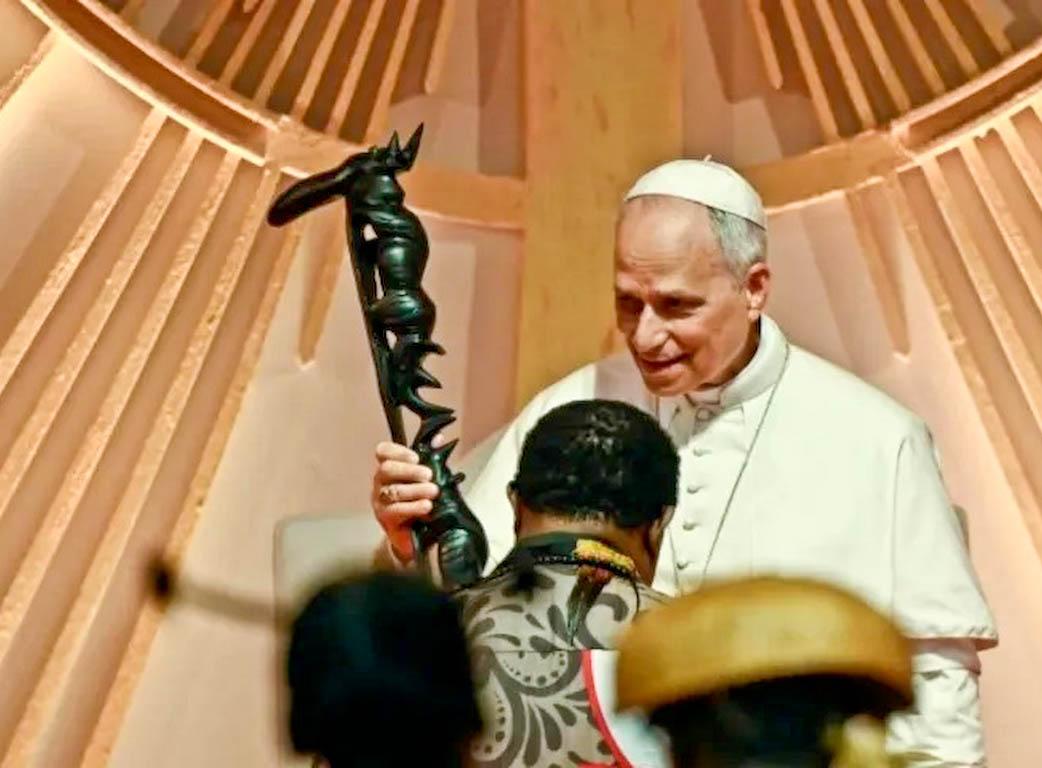 A journey is never just an itinerary. It is a way of speaking. And Pope Leo XIV’s trip to Africa reads as the opening movement of a pontificate that intends to address the world without [...]
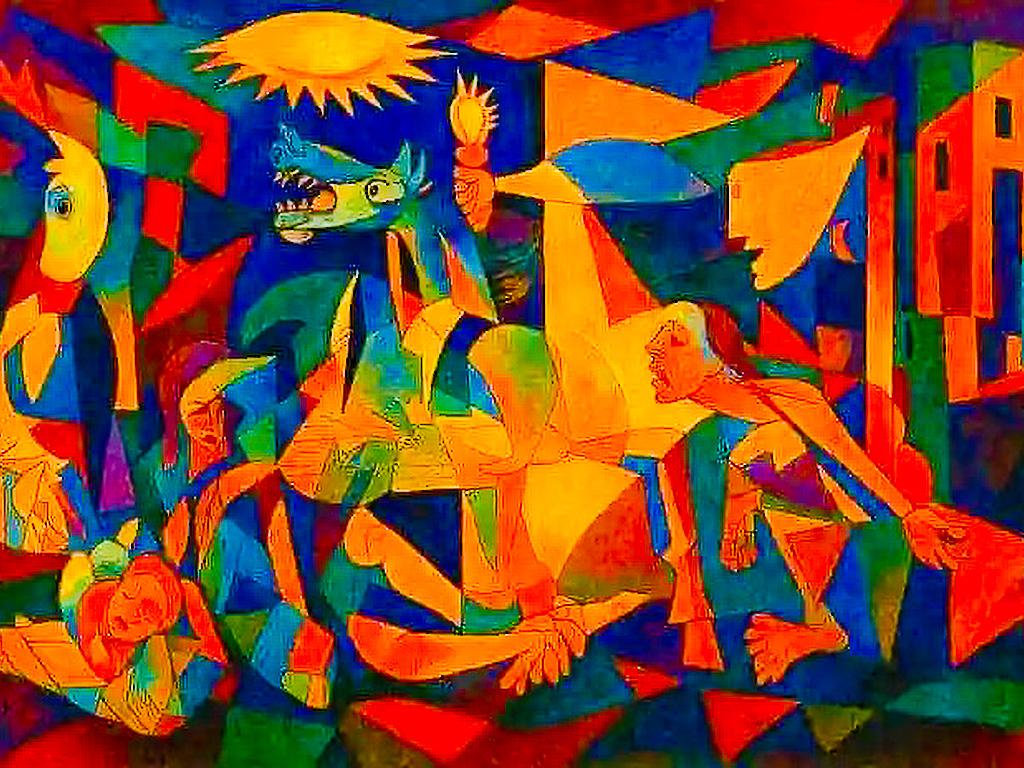 Resentment spreads everywhere, but it is not a natural condition. It is rather an illness, one that we can and must heal through openness of mind and heart.
Hatred, in fact, sadly begets hatred. The [...]
Resentment spreads everywhere, but it is not a natural condition. It is rather an illness, one that we can and must heal through openness of mind and heart.
Hatred, in fact, sadly begets hatred. The [...]  In an era marked by growing geopolitical tensions, bloody conflicts, and a troubling return to the logic of rearmament, a radical and bold proposal emerges strongly, yet is deeply rooted in the [...]
 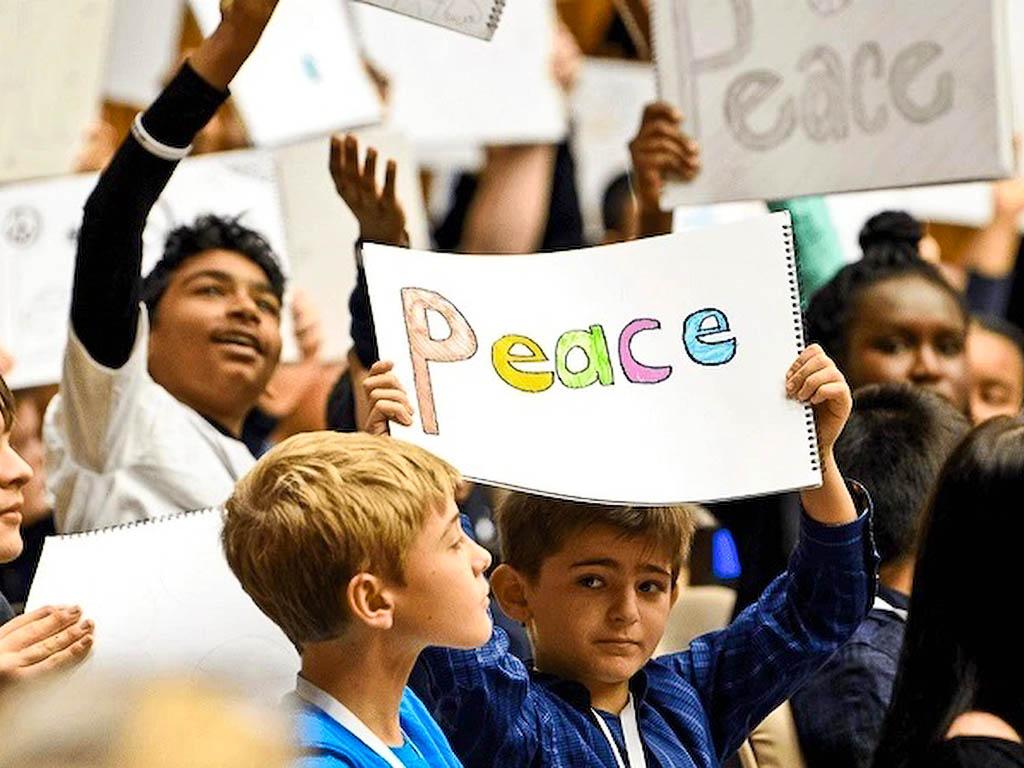 In recent years, the world is witnessing a worrying phenomenon: the habit of war. Mass psychological campaigns, aimed at presenting catastrophe as a normal horizon, are turning conflict into a [...]
 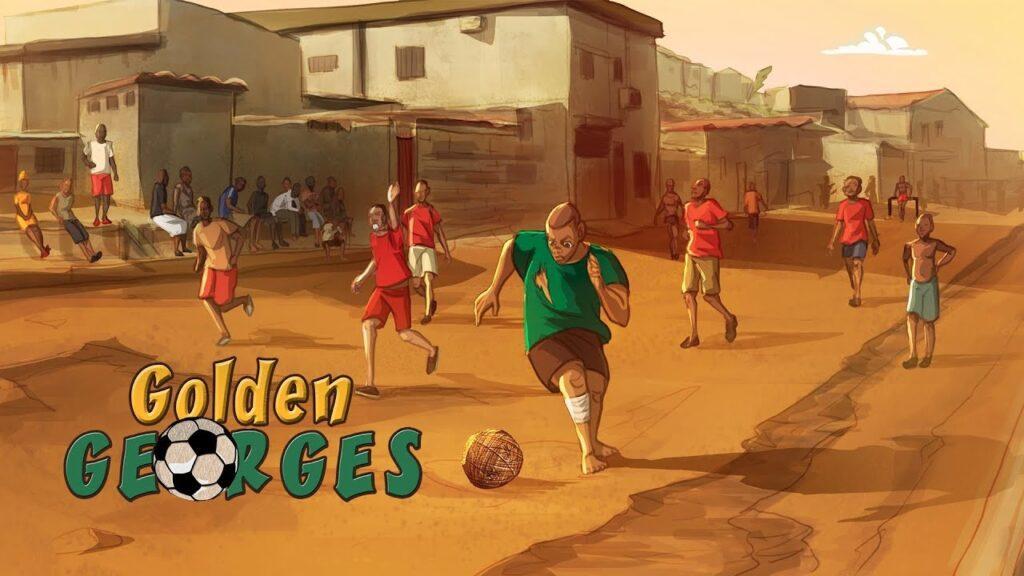 Africa paralysed by some sort of curse is the opposite of the image of the more 'developed' world: industrious, energetic, perpetually evolving. And yet, every time I cross the Mediterranean, [...]
  It is once again a chilling figure that Aid to the Church in Need revealed in a press release on 27 December 2022. More than 100 priests and nuns were kidnapped, arrested or killed during the year [...]
 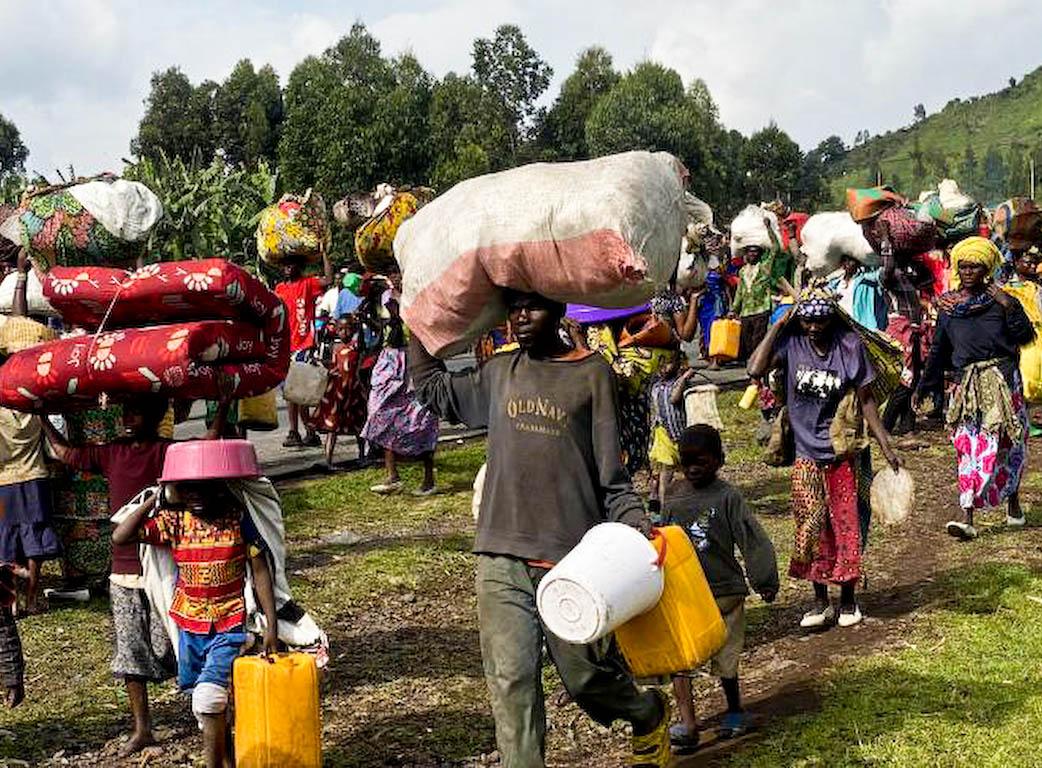 A country whose vast province is being invaded by rebels supported by a neighbouring country... Where, after two decades of continuous presence, the Blue Helmets are powerless and content to count [...]
 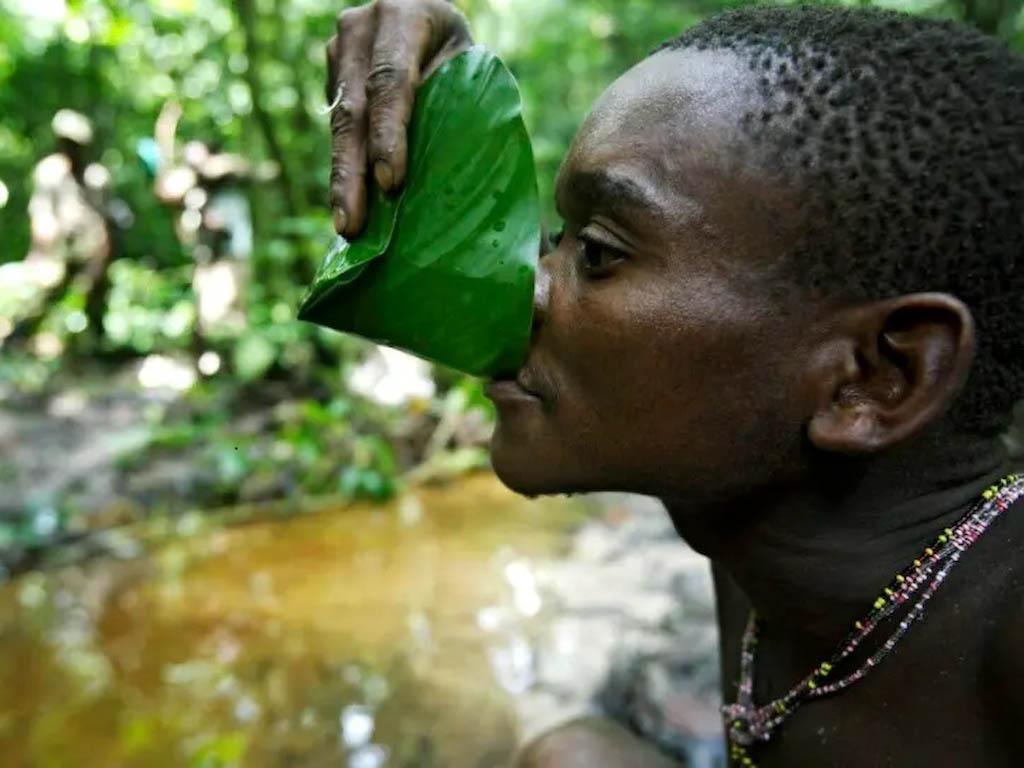 Messok Dja, an area of Congo rainforest especially rich in biodiversity, is the ancestral land of the Baka people who have managed the forest since time immemorial. The Baka are one of the many Pygmy [...]
 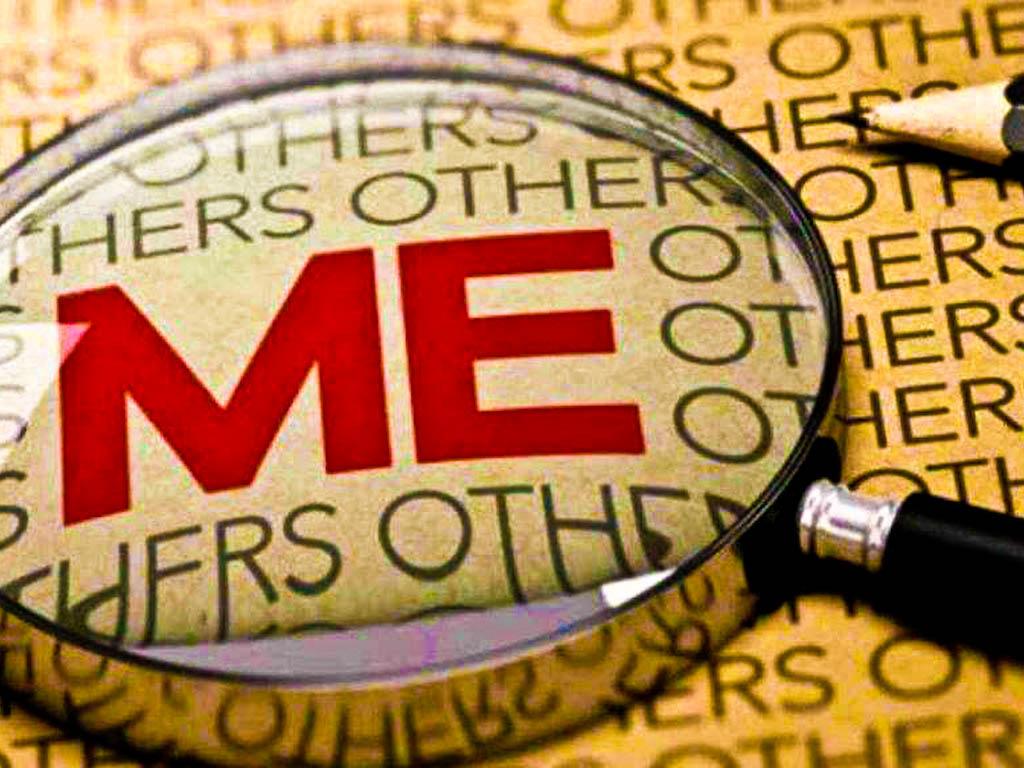 People are ready to take full credit for their successes and to blame others for their failures & bad luck. In psychology, it is a subjective evaluation that is distant from reality, and not [...]
 Info
Email: jampypezzi@gmail.com - tel. +39 328 732 6990 / +243 991 457 856
This blog is made in 4 languages: it en fr es


 EDitt | Web Agency
Leave a comment