Justice, Peace, Integrity
of Creation
Justice, Peace, Integrity
of Creation
By John Paul Pezzi, Mccj
Justice, Peace, Integrity
of Creation
By John Paul Pezzi, Mccj
Justice, Peace, Integrity
of Creation
By John Paul Pezzi, Mccj
Justice, Peace, Integrity
of Creation
By John Paul Pezzi, Mccj
“The Evil That Has Learnt Good Manners”
https://www.chiesadinapoli.it/ 10.07.2026 Don Mimmo Battaglia Translated by: Jpic-jp.orgDon Mimmo Battaglia writes to the powerful of the earth. Evil does not always arrive by smashing down a door, because it has learnt good manners. This is what wounds about the gesture made in Ankara on 8 July 2026: not merely a pistol presented to representatives of the NATO countries, but death transformed into courtesy.
To the powerful of the earth, peace be with you!
Evil does not always arrive by smashing down a door.
Sometimes it enters silently. It puts on an elegant suit.
It smiles before the cameras.
It is placed in a case, accompanied by a note, presented with all due honours.
And for a few moments, no one recognises evil any longer, because it has learnt good manners.
That is what wounds me about the gesture made in Ankara: not merely a pistol presented to representatives of the NATO countries, but death transformed into courtesy. The possibility of taking a life turned into a souvenir, an official memento, an object to be put on display.
We have tamed weapons to the point where we can give them as gifts. This is the real scandal.
You tell us that it is a symbol. But symbols are precisely what educate the world. They come before laws, penetrate more deeply than speeches, and silently teach what a civilisation considers normal.
And this gift teaches that power must recognise itself in the metal of a pistol. It teaches that an important man is an armed man; that among rulers, one can pay homage to another by handing over, with elegance, the possibility of death.
The name of the person receiving the weapon was engraved on the barrel.
But every pistol always bears a second name, invisible.
It is the name of the man at whom it might one day be pointed;
The name of the woman who might be left without a husband;
The name of the child who might wait in vain for his father to return.
The true recipient of a weapon is never merely the person who receives it. It is the unknown body that one day might encounter its bullet.
That is why I cannot regard this gesture as a mere diplomatic eccentricity. It tells us something about an idea of the world. A world in which we have learnt to measure security by counting weapons, without any longer asking how much fear must be sown in order to preserve it. A world that calls mutual terror balance, and calls peace the interval during which no one has yet fired.
As a Christian, I cannot accept this.
The Gospel has given us another image of power.
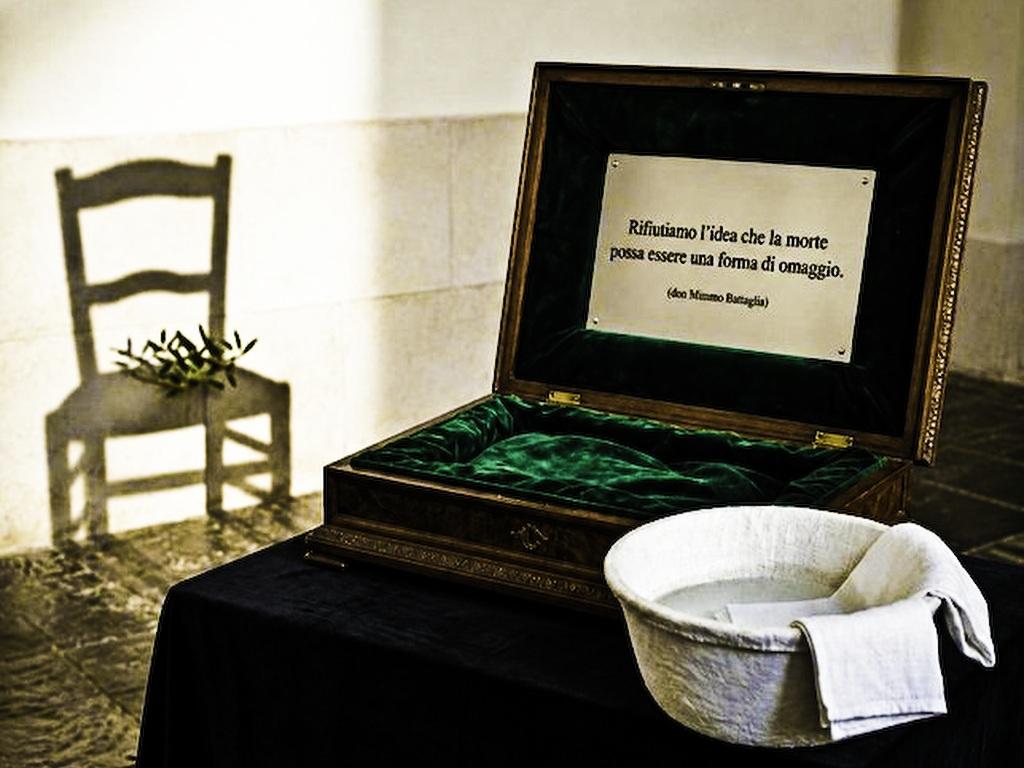
Christ, on the night when everything might have driven Him to defend Himself, did not place a weapon in the hands of His disciples. He wrapped a towel around His waist. He knelt before them and washed their tired feet.
On one side, a weapon offered standing, among powerful men.
On the other, God kneeling before man.
These are two civilisations. We must choose.
We Christians are not naïve. We know violence. We encounter it in abandoned neighbourhoods, in homes where there is no bread, in the bodies of migrants, in children returned to their mothers inside a coffin.
We know that evil exists. Precisely for this reason, we refuse to make it elegant. We refuse to adorn it, to polish it, to transform it into a sign of prestige.
A weapon does not become innocent because it is given as a gift.
It does not become silent because it does not fire. It does not become human because it bears a name engraved upon it.
I therefore ask you, leaders of nations, not to keep that gift as a trophy. Do not merely leave it in a room, away from people’s eyes, as though hiding a symbol were enough to erase its meaning.
Do something more difficult.
Reject the idea that death can be a form of homage.
Say publicly that no pact between peoples needs to find its identity in a pistol. Say that the dignity of a nation does not lie in the amount of fear it is able to produce. Say that security is not the privilege of the one who can fire first, but the right of everyone not to be shot.
And at the next summit, leave one chair empty.
Not for a president, not for a general, not for a minister.
Leave it for the nameless man who always pays the price for your decisions. For the one who does not attend summits, does not sign treaties, does not appear in photographs, but ends up beneath the rubble when diplomacy fails.
Look at that chair before you speak of weapons.
Perhaps then you will understand that peace is not a weakness to be corrected, but a responsibility before which we must kneel.
For the power that does not know how to kneel before life will always end up kneeling before weapons.
And on that day, however solemn the ceremonies may be, we shall already have lost everything.
See: “Il male che impara le buone maniere”
*Don Mimmo Battaglia is the Metropolitan Archbishop of Naples
 To the merchants of death, to you who trade in human blood,
to you who count profits while mothers count their children,
to you who call “strategy” what the Gospel calls scandal,
I [...]
To the merchants of death, to you who trade in human blood,
to you who count profits while mothers count their children,
to you who call “strategy” what the Gospel calls scandal,
I [...]  There has never been a humanity unfamiliar with war; which means that there has never been a moment in world history free of armed conflict: somewhere on the globe, there are always groups killing [...]
 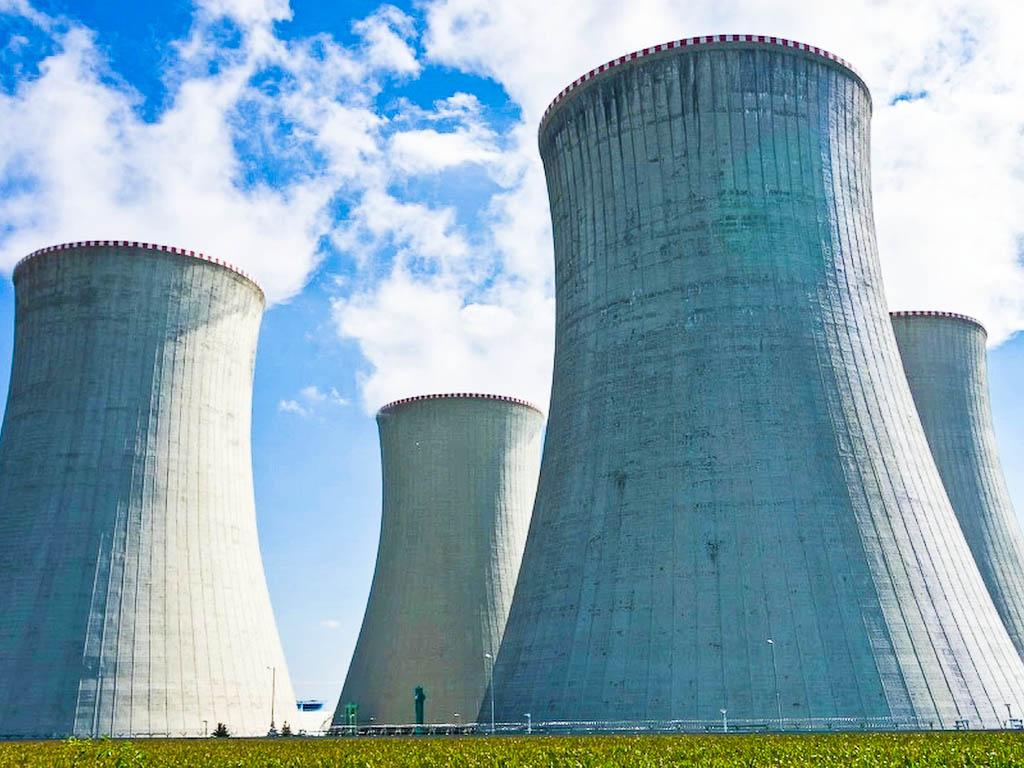 More and more African countries are ready to invest in the construction of nuclear power plants. In addition to South Africa, which already has an operational facility, and Egypt, where one is under [...]
 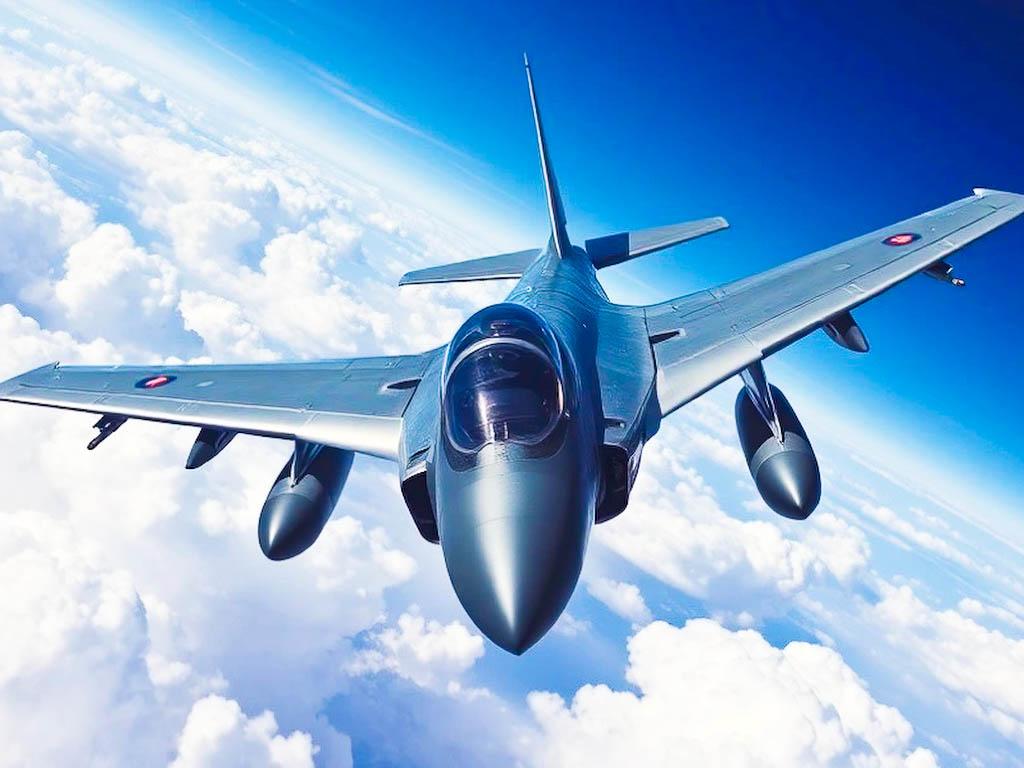 Never since the end of the Cold War has such a marked increase in global military spending been recorded. The record figure of 2,718 trillion dollars spent in 2024, released today in the report from [...]
  It is a limited but concrete, serious and far-sighted initiative. I sincerely hope that Italy has the wisdom to support it.
The Commission should be tasked to ‘examine the physical effects [...]
It is a limited but concrete, serious and far-sighted initiative. I sincerely hope that Italy has the wisdom to support it.
The Commission should be tasked to ‘examine the physical effects [...] 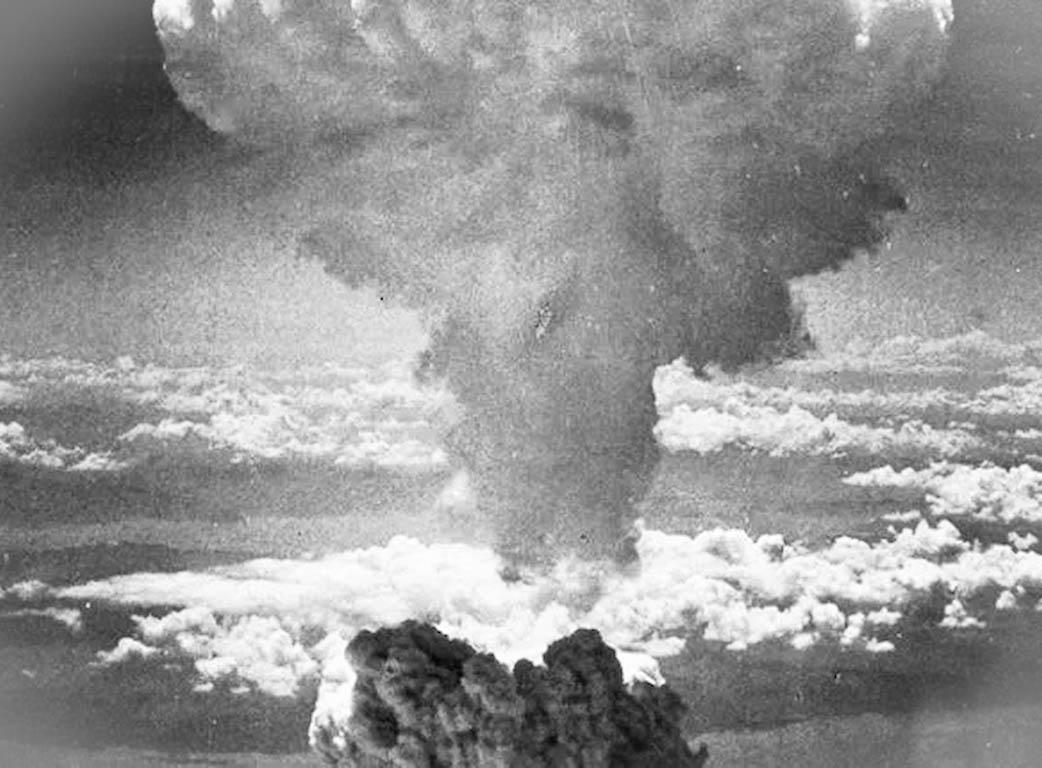 In 2023, China, France, India, Israel, North Korea, Pakistan, Russia, the United Kingdom and the United States spent a total of $91.4 billion on their nuclear weapons, which equates to $173,884 per [...]
 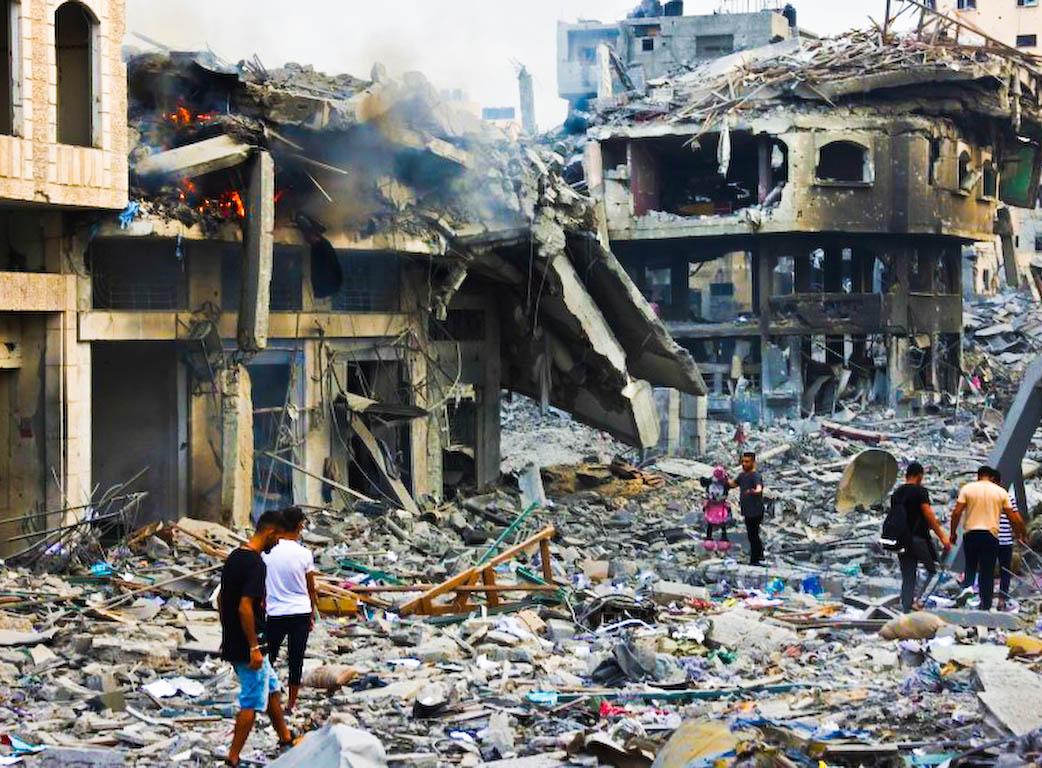 I understand, Lord. No one can give me peace. It is useless for me to hope. Governments, states, continents need peace too and they are not capable of it. And they are all walking down the wrong [...]
 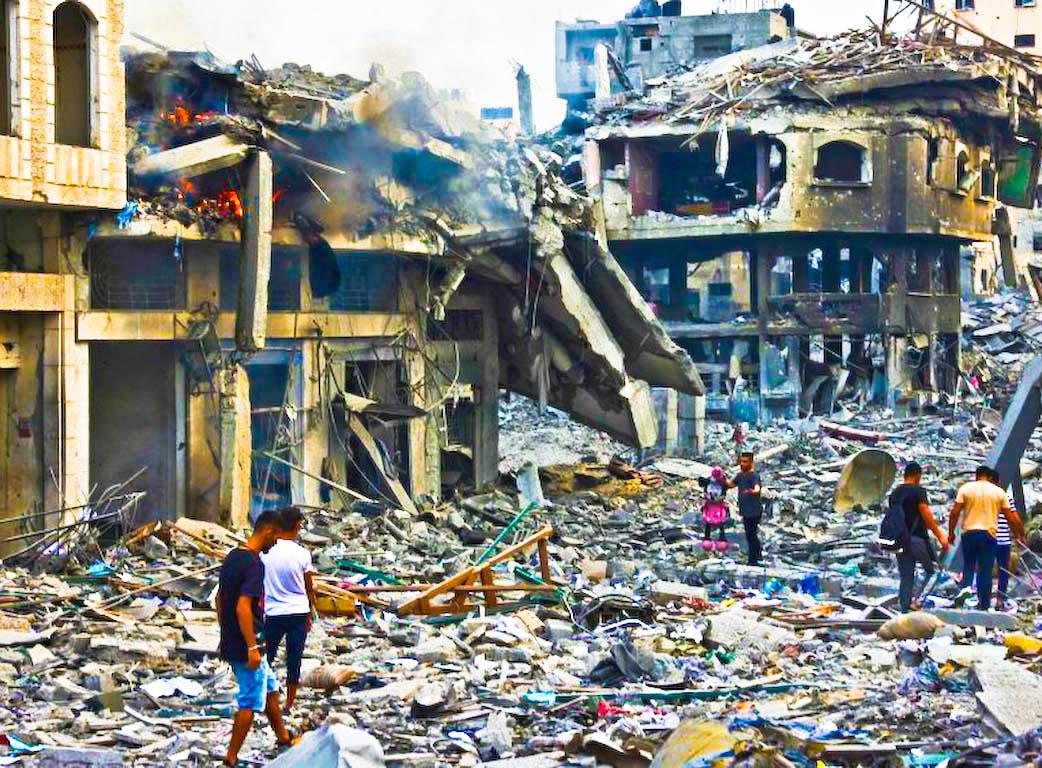 The military are the privileged environmental vandals. Their daily activities are above civil law and are protected from public and governmental scrutiny, even in 'democracies' (Joni [...]
 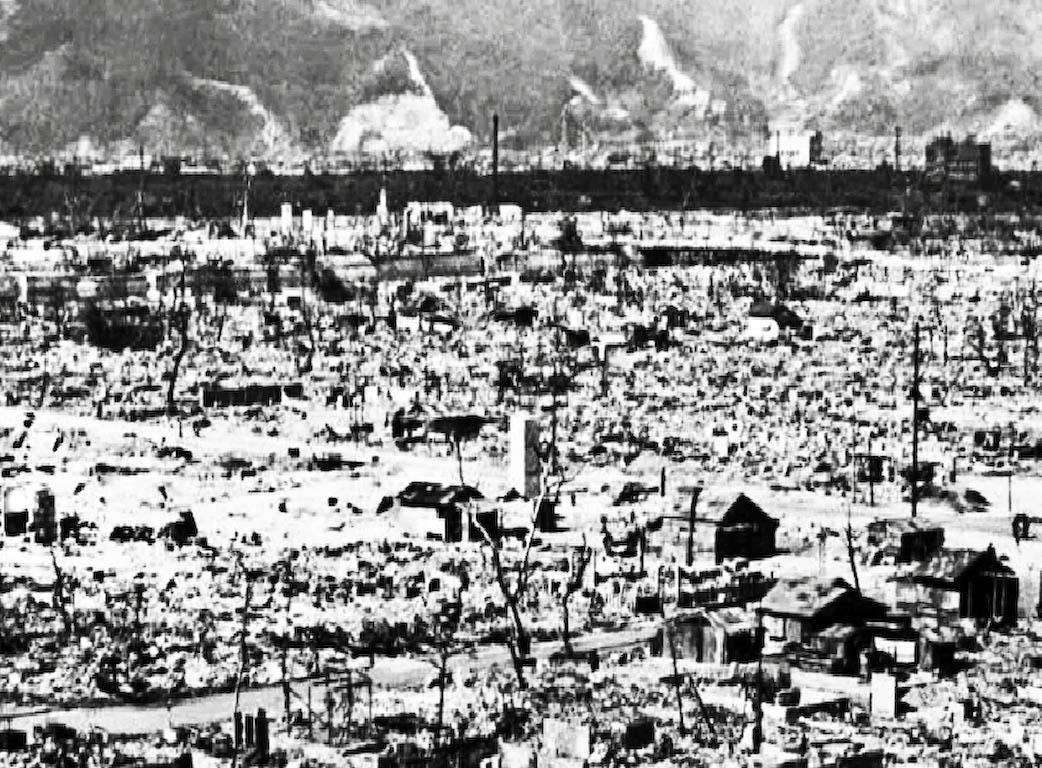 In June of that year Henry Stimson, US Secretary of State for War and a key adviser on the use of this new weapon, recorded an exchange with Truman: “I was a little fearful that before we [...]
 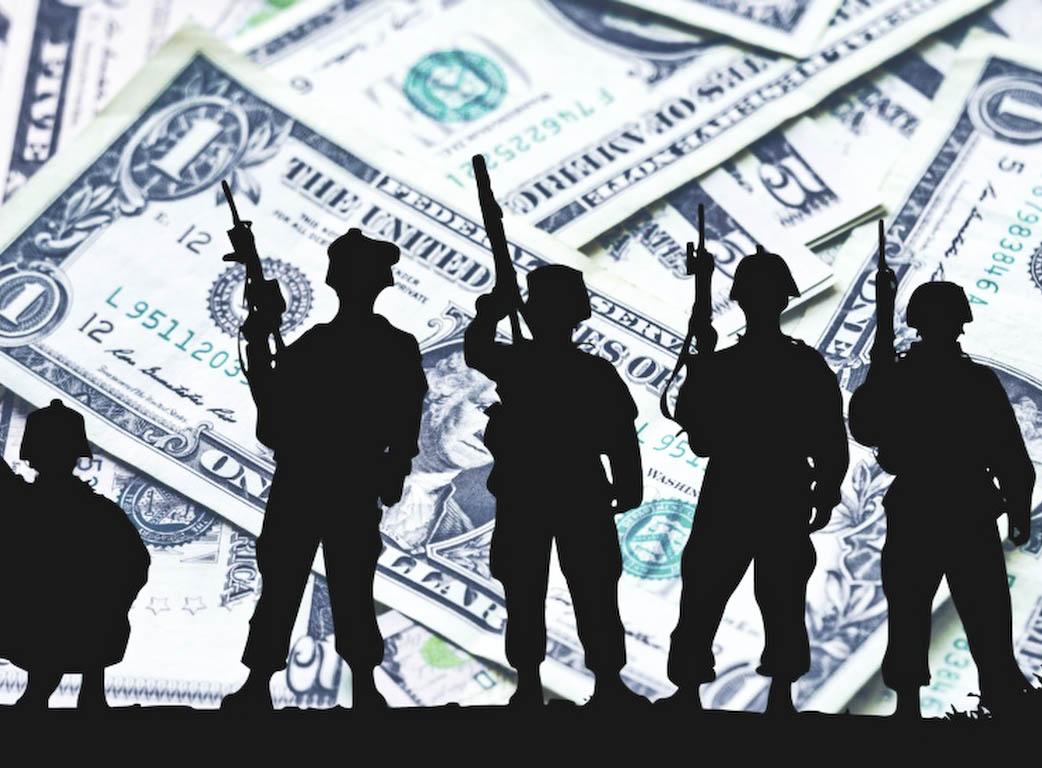 Together, the UN pointed out, their grain was an essential food source for some of the poorest and most vulnerable people, providing more than one-third of the wheat imported by 45 African and [...]
 Info
Email: jampypezzi@gmail.com - tel. +39 328 732 6990 / +243 991 457 856
This blog is made in 4 languages: it en fr es

 EDitt | Web Agency
Leave a comment