Justice, Peace, Integrity
of Creation
Justice, Peace, Integrity
of Creation
By John Paul Pezzi, Mccj
Justice, Peace, Integrity
of Creation
By John Paul Pezzi, Mccj

Justice, Peace, Integrity
of Creation
By John Paul Pezzi, Mccj

Justice, Peace, Integrity
of Creation
By John Paul Pezzi, Mccj
The inhabited and armed orbit: the sky is no longer neutral
avvenire.it 16.01.2026 Davide Re Translated by: Jpic-jp.orgThe band between 300 and 1,000 kilometres is now saturated: thousands of satellites, debris and technologies are reshaping the idea of space security and warfare
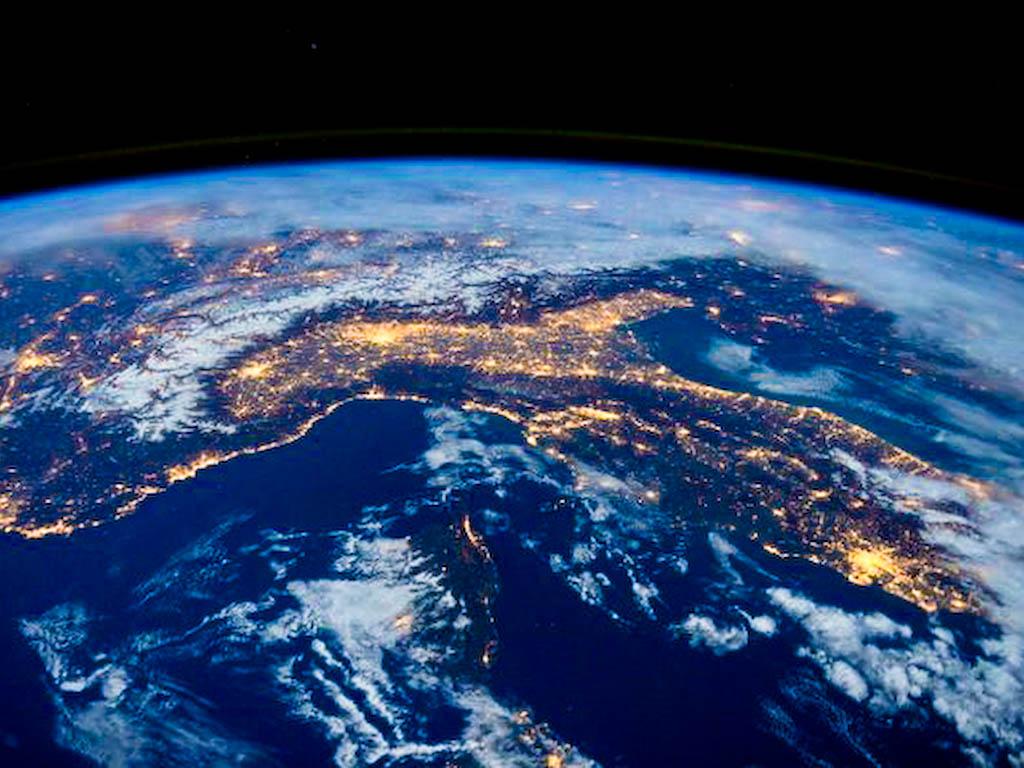
In 2026, low Earth orbit is no longer simply “space”: it is urban planning. The band between 300 and 1,000 kilometres above our heads increasingly resembles an invisible city rather than an empty sky, with lanes, junctions and right-of-way rules. This is where most of the digital economy passes through — communications, navigation, Earth observation — and where the boundary between infrastructure and vulnerability is becoming increasingly blurred. And what becomes infrastructure sooner or later also becomes a military target.
One number is enough to understand the turning point. According to the European Space Agency (Esa), surveillance networks track around 40,000 objects in orbit; of these, approximately 11,000 are operational satellites. But the truly threatening part is what cannot be seen: more than 1.2 million fragments larger than 1 centimetre (large enough to cause catastrophic damage to a spacecraft) and around 50,000 objects larger than 10 centimetres. It is the difference between a road and a minefield: construction can continue, but at a certain point the environment itself begins to react, with collisions generating further collisions.
This scenario is giving rise to a new form of civilian infrastructure: space-traffic control. In the United States, the Traffic Coordination System for Space (TraCSS), developed by the Noaa’s Office of Space Commerce, provides operators with “space situational awareness” data and security “screening” services. In September 2025, it reported supporting fleets operating more than 8,000 spacecraft, revealing that orbit is no longer a technical exception but an administered domain, with procedures, responsibilities and, inevitably, disputes.
The engine of congestion is the mega-constellations. According to Reuters, SpaceX’s Starlink operates around 9,400 satellites — approximately two-thirds of all active objects in orbit — and in 2026 it planned to lower many units from 550 kilometres to around 480 in order to reduce the risk of collisions and accelerate the re-entry of malfunctioning satellites.
As traffic increases, so does the number of manoeuvres. Nasa, in its bulletins on debris, recalls that the International Space Station has carried out dozens of collision avoidance manoeuvres since 1999, a minimal but telling indicator of the continuous maintenance required by this “city”. In its Space Environment Report 2025, Esa stresses that it is not enough simply to stop producing new debris: stricter end-of-life re-entry rules and active-removal missions are needed.
This is where the geopolitical and military dimension comes in. The U.S. Space Force describes space as a “warfighting domain”, a contested environment. If orbit is now critical infrastructure, then it can be monitored, disrupted or blinded: through jamming, cyberattacks, close-proximity operations, and even the kinetic threat posed by anti-satellite (Asat) missiles. This is the fulfilment of the prophecy of the 1980s: since Ronald Reagan and the Strategic Defense Initiative, the idea of “space warfare” has no longer been science fiction but doctrine. Today, however, the difference is decisive: wars are not fought “in space”; they are fought over the orbital city that keeps the Earth functioning.
The implications are profound. Space urban planning requires democracies to rethink not only technical rules, but also rights and responsibilities on a global scale. For now, governance remains at the mercy of the most powerful and technologically advanced actors; international rules are slow, fragmented and often unresponsive. The paradox is that what was once a promise of global cooperation — space as a common good — risks turning into an urban planning system of conflict. Space is no longer the neutral void of scientific utopias: it is a home, built by humanity, vulnerable to the same logic of power, interest and competition that dominates the Earth.
See, L’orbita abitata e armata: il cielo non è più neutrale
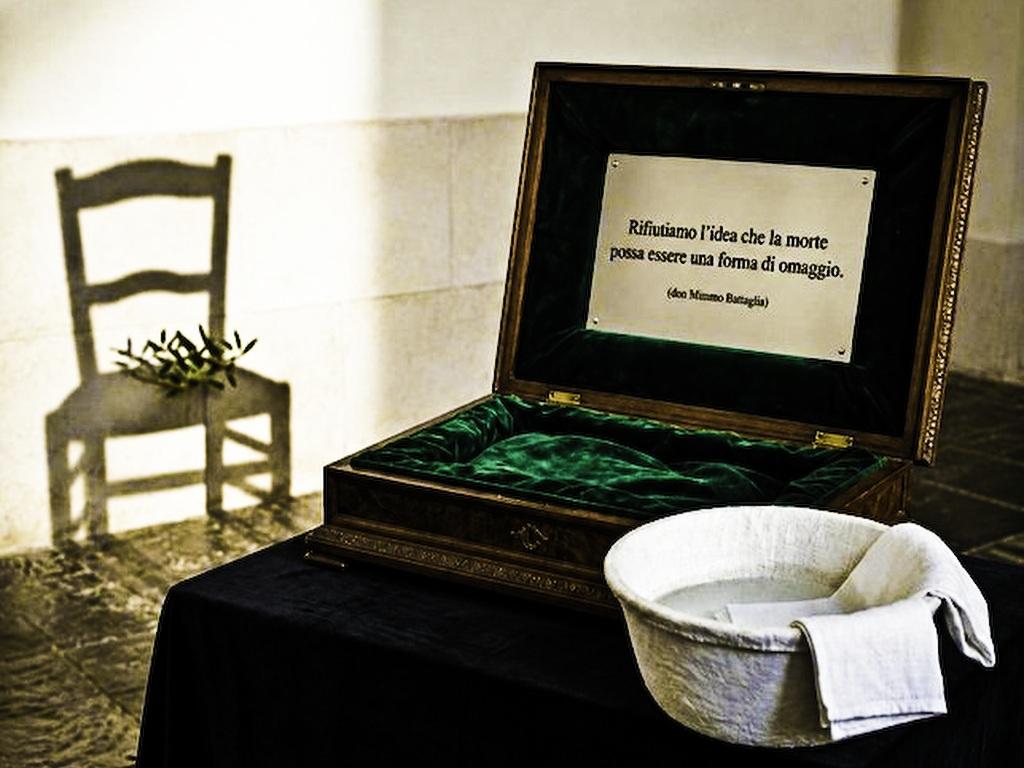 To the powerful of the earth, peace be with you!
Evil does not always arrive by smashing down a door.
Sometimes it enters silently. It puts on an elegant suit.
It smiles before the cameras. [...]
To the powerful of the earth, peace be with you!
Evil does not always arrive by smashing down a door.
Sometimes it enters silently. It puts on an elegant suit.
It smiles before the cameras. [...]  To the merchants of death, to you who trade in human blood,
to you who count profits while mothers count their children,
to you who call “strategy” what the Gospel calls scandal,
I [...]
To the merchants of death, to you who trade in human blood,
to you who count profits while mothers count their children,
to you who call “strategy” what the Gospel calls scandal,
I [...] 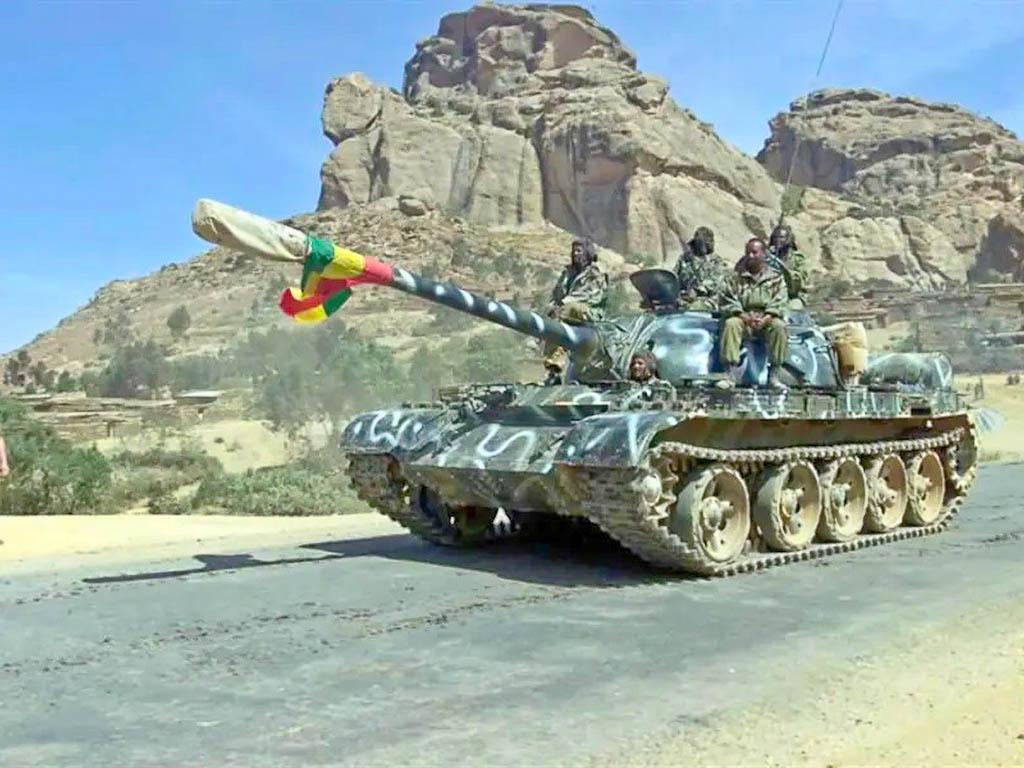 There has never been a humanity unfamiliar with war; which means that there has never been a moment in world history free of armed conflict: somewhere on the globe, there are always groups killing [...]
 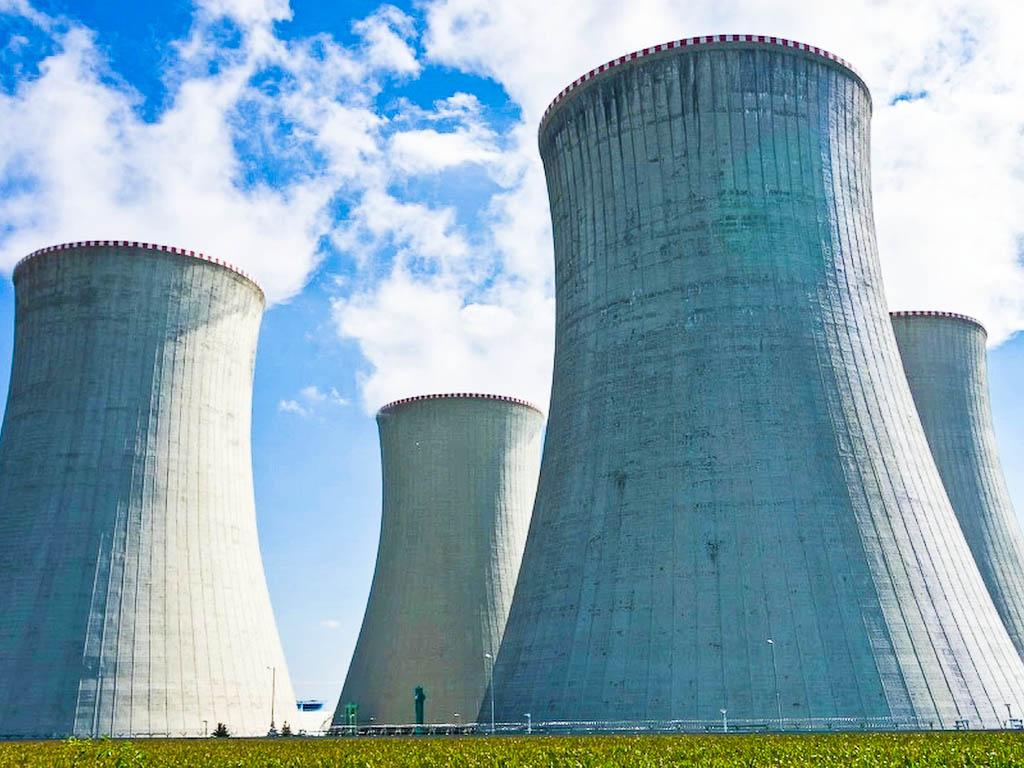 More and more African countries are ready to invest in the construction of nuclear power plants. In addition to South Africa, which already has an operational facility, and Egypt, where one is under [...]
 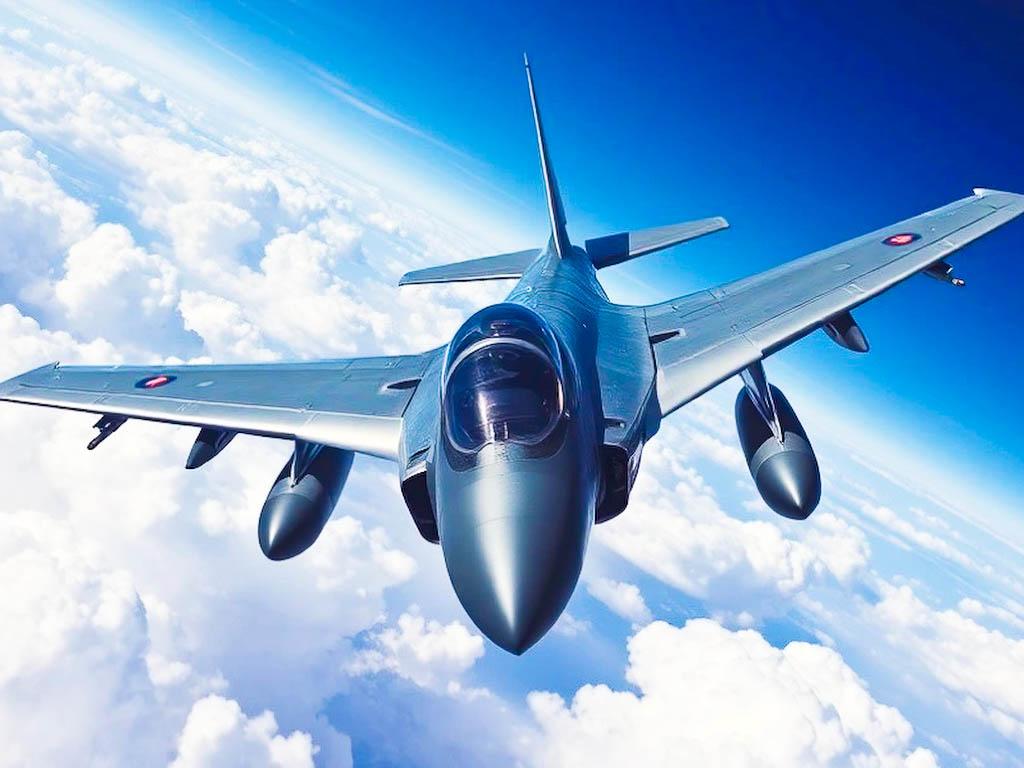 Never since the end of the Cold War has such a marked increase in global military spending been recorded. The record figure of 2,718 trillion dollars spent in 2024, released today in the report from [...]
 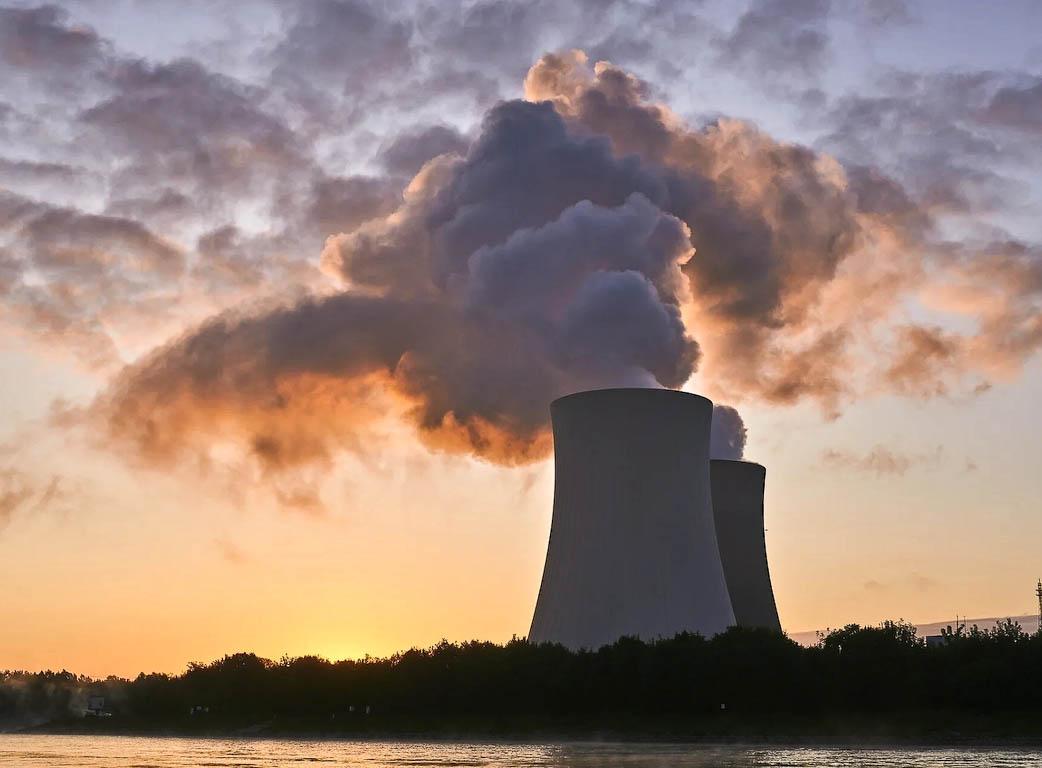 It is a limited but concrete, serious and far-sighted initiative. I sincerely hope that Italy has the wisdom to support it.
The Commission should be tasked to ‘examine the physical effects [...]
It is a limited but concrete, serious and far-sighted initiative. I sincerely hope that Italy has the wisdom to support it.
The Commission should be tasked to ‘examine the physical effects [...] 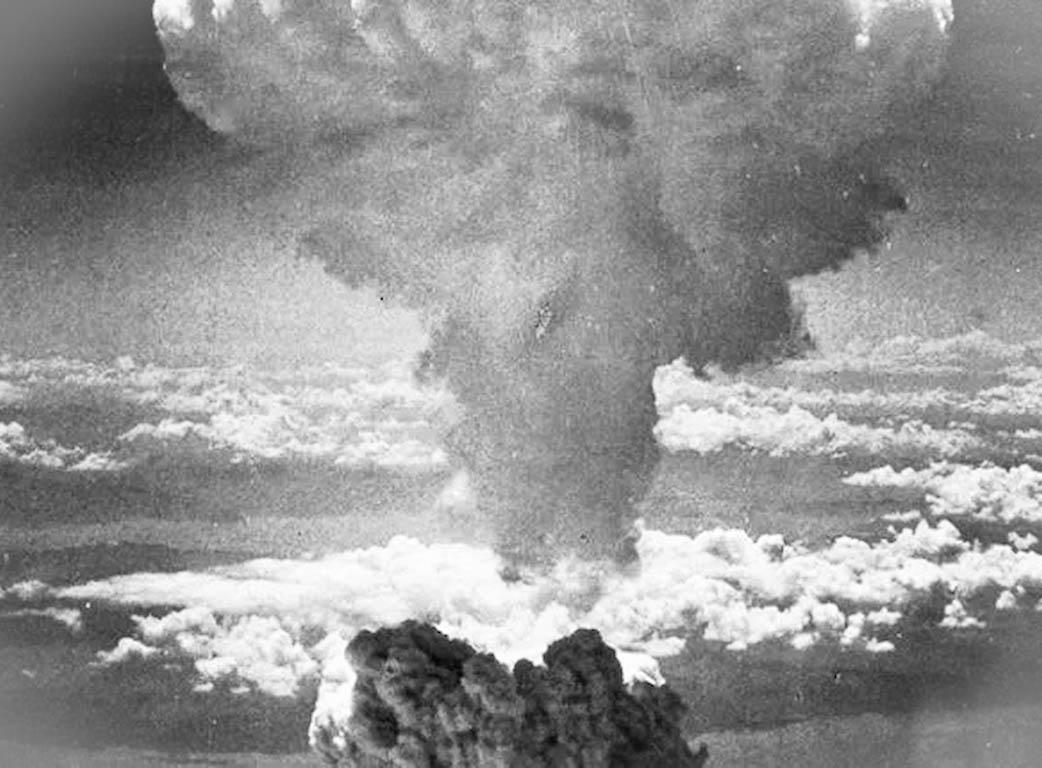 In 2023, China, France, India, Israel, North Korea, Pakistan, Russia, the United Kingdom and the United States spent a total of $91.4 billion on their nuclear weapons, which equates to $173,884 per [...]
 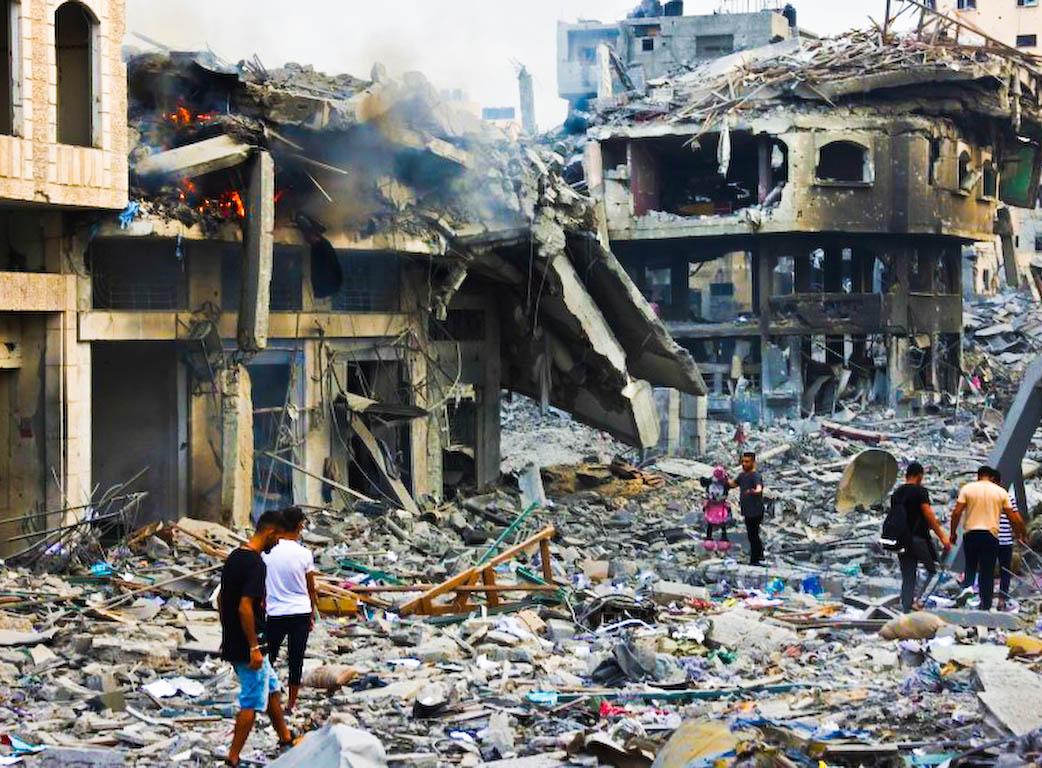 I understand, Lord. No one can give me peace. It is useless for me to hope. Governments, states, continents need peace too and they are not capable of it. And they are all walking down the wrong [...]
 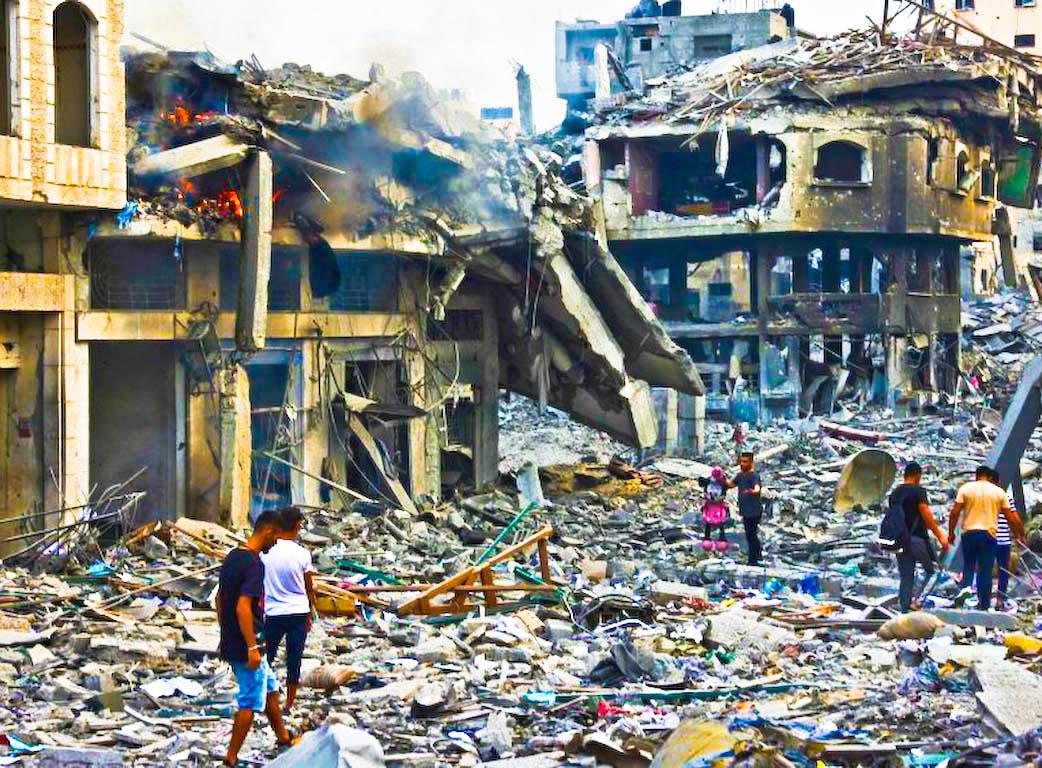 The military are the privileged environmental vandals. Their daily activities are above civil law and are protected from public and governmental scrutiny, even in 'democracies' (Joni [...]
 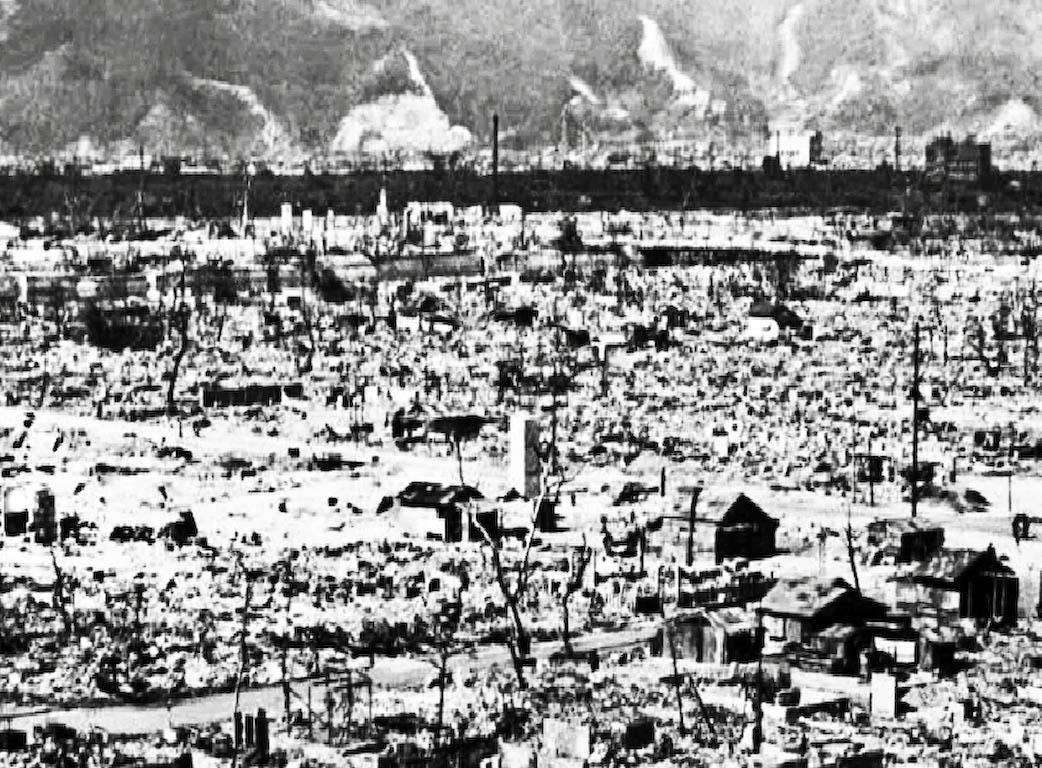 In June of that year Henry Stimson, US Secretary of State for War and a key adviser on the use of this new weapon, recorded an exchange with Truman: “I was a little fearful that before we [...]
 Info
Email: jampypezzi@gmail.com - tel. +39 328 732 6990 / +243 991 457 856
This blog is made in 4 languages: it en fr es




 EDitt | Web Agency
Leave a comment