Justice, Peace, Integrity
of Creation
Justice, Peace, Integrity
of Creation
By John Paul Pezzi, Mccj
Justice, Peace, Integrity
of Creation
By John Paul Pezzi, Mccj
Justice, Peace, Integrity
of Creation
By John Paul Pezzi, Mccj
Justice, Peace, Integrity
of Creation
By John Paul Pezzi, Mccj
Africa Pays the Price of Our Prejudices. And It Is a Steep One
Rivista Africa 10.05.2026 Marco Trovato Translated by: Jpic-jp.orgThe so-called prejudice premium – the additional cost of prejudice, or the economic price generated by distorted narratives – comes at a high cost for Africa. Investors and markets perceive Africa as riskier than it actually is, influenced by recurring images of wars, poverty and instability that obscure data on growth, innovation and financial strength.
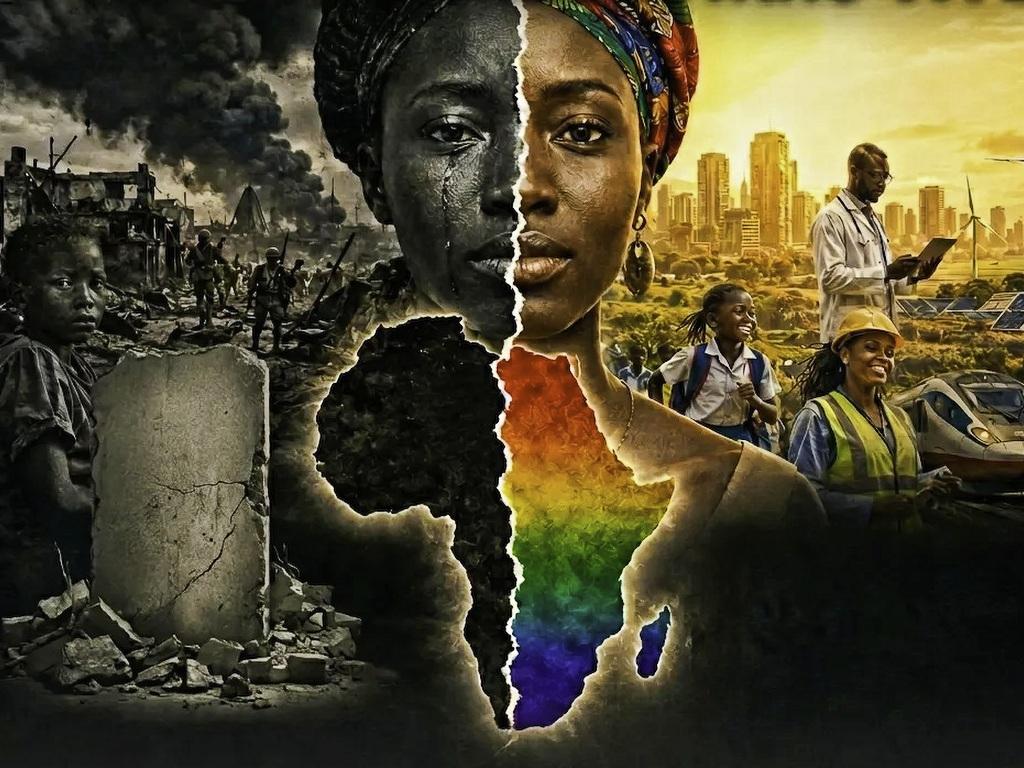
Africa pays an extraordinarily high price for negative stereotypes. According to the 2024 report The Cost of Media Stereotypes to Africa, by Africa No Filter and Africa Practice, the continent loses up to $4.2 billion a year. This is the so-called prejudice premium: the additional cost of prejudice, the economic price generated by distorted narratives. Investors and markets perceive Africa as riskier than it actually is, influenced by recurring images of wars, poverty and instability that obscure data on growth, innovation and financial strength. The result is higher interest rates on global markets. Existing rating systems, widely criticised and run by international agencies, are often influenced by perceptions that have little basis in fact (in response, the African Union is preparing to launch its own agency, capable of providing assessments more closely aligned with reality). As a result, African states spend billions more each year servicing their debt than countries with similar economic characteristics but a more balanced public image that is more faithful to the facts.
This is, of course, not about concealing or minimising the problems that beset the continent, but about avoiding an invariably bleak, all-encompassing narrative that ultimately obscures everything else – namely, the many positive things that are happening. The figures speak clearly: more negative media coverage can increase the cost of capital by up to 10 per cent; a 10 per cent improvement in perception can reduce interest rates by 1 per cent. Put simply: billions evaporate. Resources that could fund the education of 12 million children provide 73 million vaccinations or bring clean drinking water to two-thirds of Nigeria’s population.
The question becomes unavoidable: if our stereotypes cost human lives, what can we do to change things? The media – and therefore we journalists – have a decisive role to play. Africa is often portrayed solely through the lens of crises and conflicts, imposing a partial view as the dominant one. The result is a simplified image that feeds distance and distrust and produces tangible economic consequences. The point is not to sugar-coat reality, but to rebalance it, to move beyond a one-dimensional narrative, sometimes born of ignorance and sometimes of deliberate communication choices.
The same applies to certain forms of humanitarian communication, which seek to hit people in the gut: children with vacant eyes, scarred bodies, villages reduced to backdrops of despair. Pain becomes a language – indeed, a product. Too many organisations compete to provoke emotion, resorting to what has been described as “poverty porn” or the “pornography of pain”: a narrative that selects and amplifies suffering in order to provoke immediate reactions – donating, sharing, and feeling involved. The problem is not showing need, but reducing entire peoples to icons of misery, turning Africa into a backdrop without history or dignity. This representation is not neutral: it constructs a world divided between those who suffer and those who save. It is a reassuring narrative for the donor, but a profoundly distorted one. It erases complexity, obscures global responsibility and, above all, denies Africans agency, continually relegating them to the role of victims. No longer individuals, but narrative devices.
And yet reality is different: communities that resist, civil societies that innovate, activists who fight and professionals who build solutions. Telling this story requires rigour and fewer emotional shortcuts; it may generate fewer immediate donations, but it is a more honest form of communication. The uncomfortable question remains: to what extent is it legitimate to use pain in the service of a just cause? And what price do we pay when we become accustomed to consuming other people's suffering as an emotional lever? Perhaps it is time to change the way we look at Africa. Not to stop helping, but to do so without humiliating. Not to abandon solidarity, but to demand a narrative that recognises dignity and complexity. Telling Africa's story badly is not merely a mistake: it comes at a cost. And that cost is measured in human lives.
See: L’Africa paga il costo dei nostri pregiudizi. Ed è salatissimo
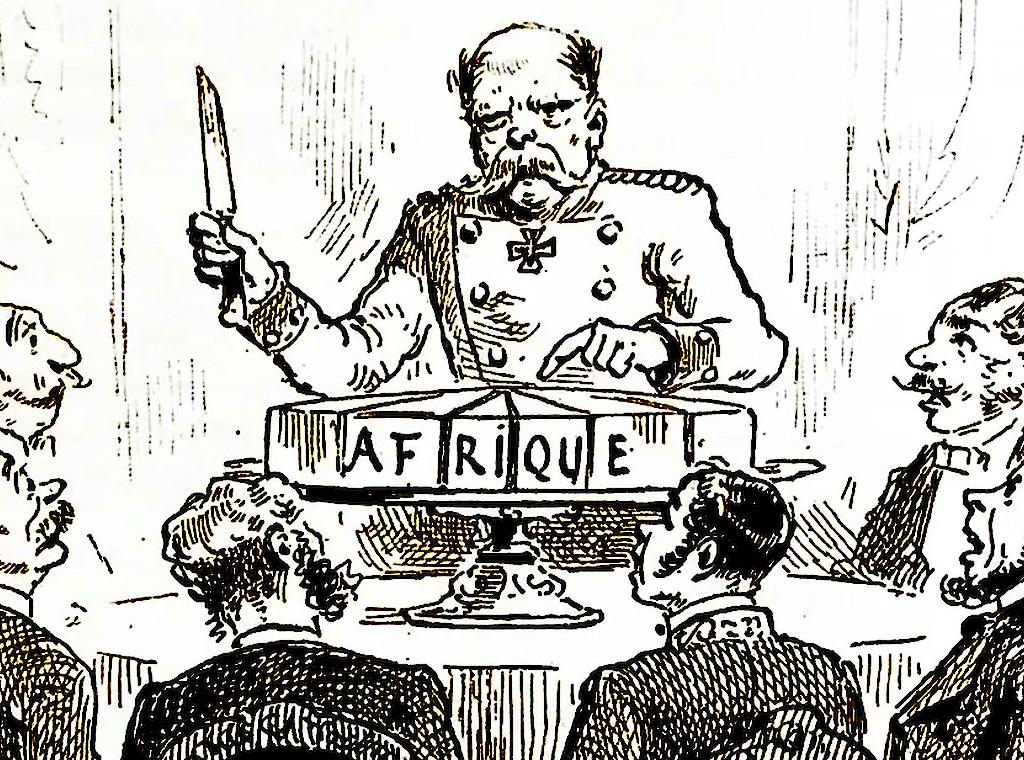 Borders are always imposed by political powers from the centre upon distant regions. The idea that African borders are solely the result of colonisation is, moreover, itself a colonial idea.
The [...]
Borders are always imposed by political powers from the centre upon distant regions. The idea that African borders are solely the result of colonisation is, moreover, itself a colonial idea.
The [...]  Brics or the Shanghai Cooperation Organisation? This is the question many observers are asking when considering Africa’s future, following the parade in Beijing last September. Within the [...]
  Soumaila Diawara, originally from Mali, is a writer, political activist, and refugee. Raised in Bamako, he became involved in student movements advocating democratic opposition. After the military [...]
  The book (Infinito Edizioni, 2024, pp. 101, € 14.00) by journalist Enzo Nucci, who for sixteen years was RAI's (Italian Radio & TV broadcasting) correspondent from Nairobi, is entitled [...]
  They resent political leaders deemed “corrupt,” “incompetent,” “in the pay of the West” (accused of imperialism and neo-colonialism). We have seen them parading in [...]
  The year 2023 on the African continent has seen the opening of many global construction agendas that deserve attention and much implementation work. There are at least three international events that [...]
 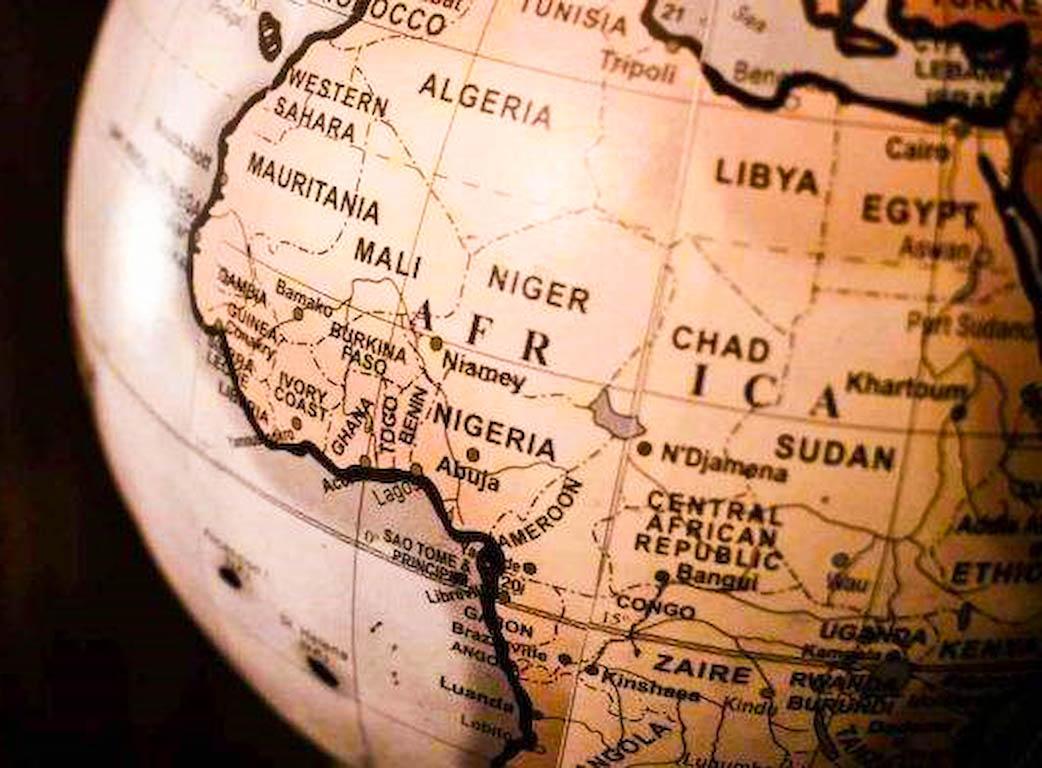 The complexity of Africa is rendered perhaps by the number of its languages: someone will have counted them. In Zimbabwe alone there are 16 official ones, while in South Africa there are 11. In this [...]
 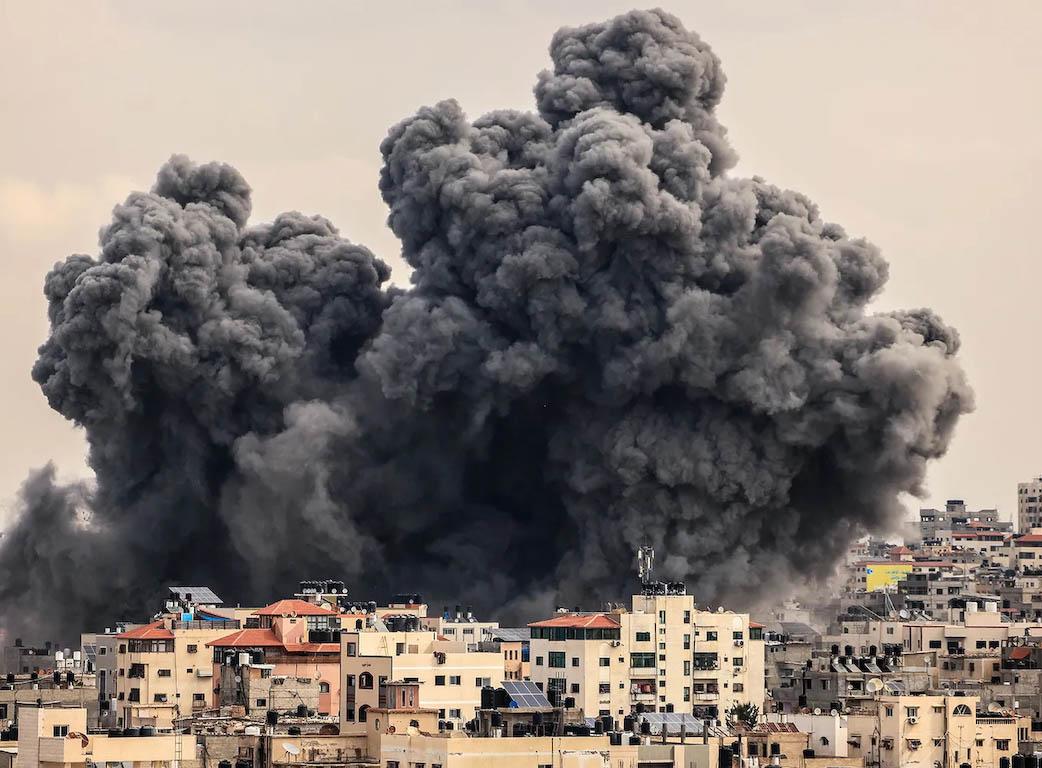 All of this was blown to bits when Hamas launched an attack on Israeli territory from the Gaza Strip on 7th October 2023. The images were truly chilling, both for the number of deaths and the cruelty [...]
 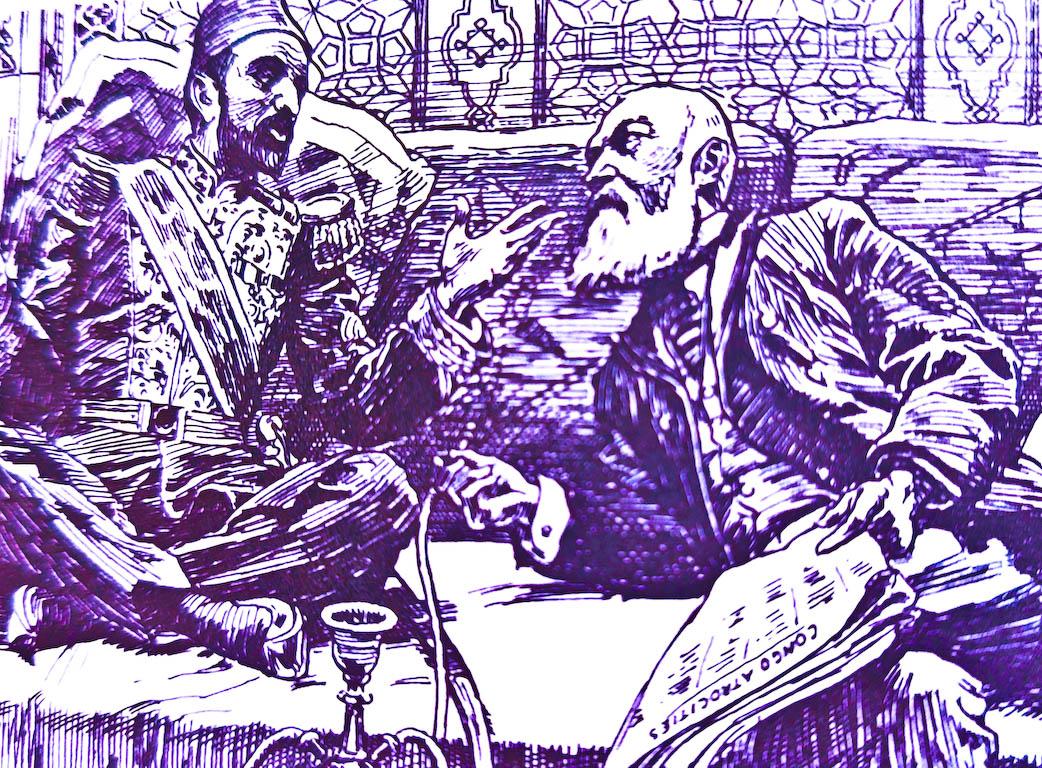 The book King Leopold’s Ghost, by Adam Hochschild, is a book relating through its more than 360 pages “A story of greed, terror, and heroism in colonial Africa.” In fact, “It [...]
 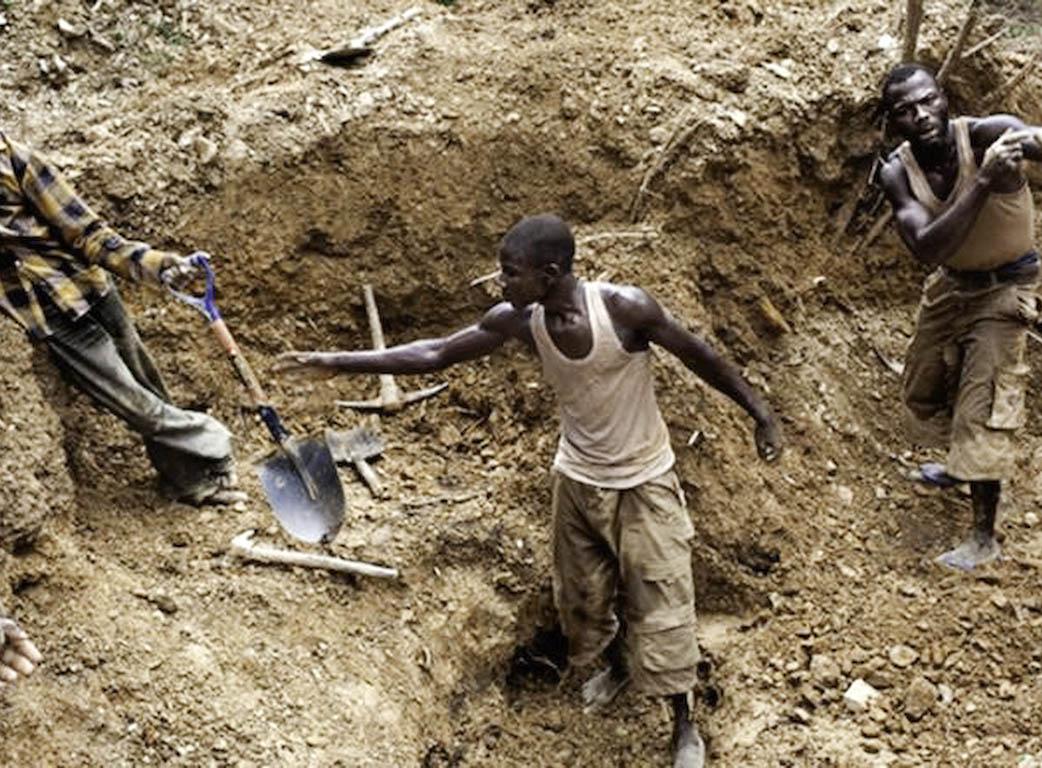 How is the African economy doing? According to the World Bank's latest Africa's Pulse report, the continent is experiencing a diverse situation. Global inflationary pressures, the threat of [...]
 Info
Email: jampypezzi@gmail.com - tel. +39 328 732 6990 / +243 991 457 856
This blog is made in 4 languages: it en fr es

 EDitt | Web Agency
Leave a comment