Justice, Peace, Integrity
of Creation
Justice, Peace, Integrity
of Creation
By John Paul Pezzi, Mccj
Justice, Peace, Integrity
of Creation
By John Paul Pezzi, Mccj
Justice, Peace, Integrity
of Creation
By John Paul Pezzi, Mccj
Justice, Peace, Integrity
of Creation
By John Paul Pezzi, Mccj
Deserts as far as the eye can see… yet forced to import sand
RSE Magazine 15.02.2026 Claire Morel Translated by: Jpic-jp.orgA striking paradox: Saudi Arabia and the United Arab Emirates rank among the world’s largest importers of sand, despite lying at the heart of vast deserts. This article explains why these countries spend so heavily on sand for their ambitious construction projects.
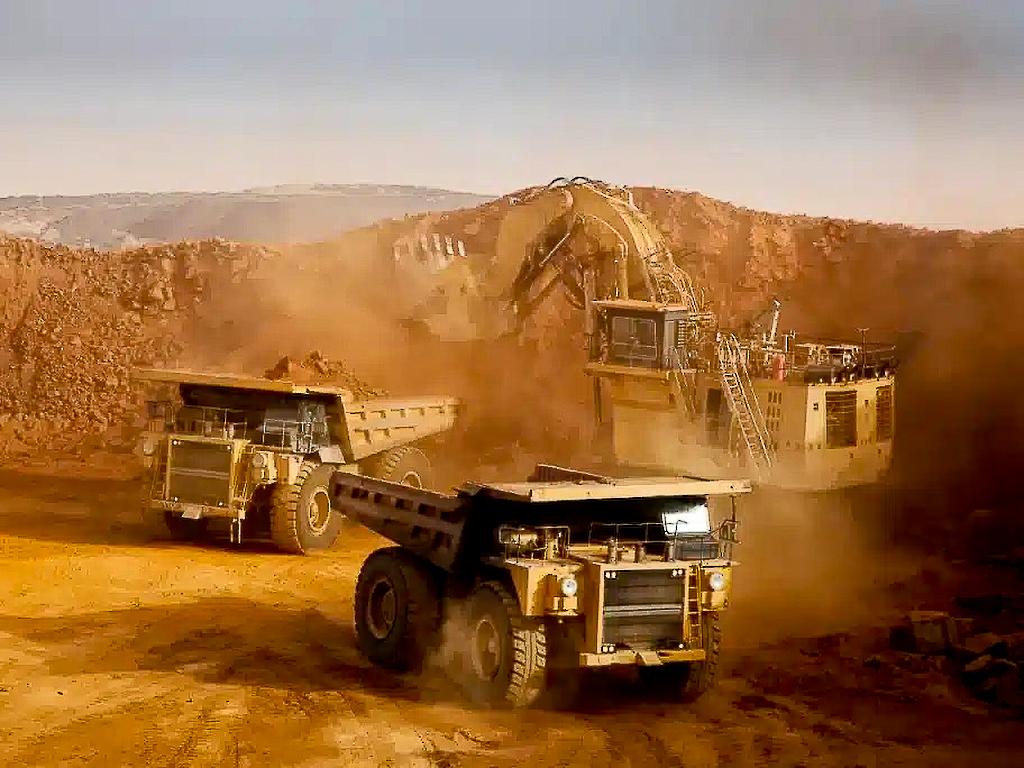
Did you know that Saudi Arabia and the United Arab Emirates, despite their deserts, import millions of tonnes of sand every year? Why do they rely on imported sand for their mega-projects?
Mega-projects in the United Arab Emirates and Saudi Arabia, such as Vision 2030, as well as landmark constructions including the Palm Islands, The World and the Burj Khalifa, require astronomical quantities of sand. In 2023, the United Arab Emirates imported more than 6,000,000 tonnes of sand, representing nearly €37.35 million spent solely on these imports, according to the outlet Jeux Vidéo. Hundreds of thousands of tonnes were used to build Dubai’s artificial islands.
Local sand, shaped by desert winds, is unsuitable for such construction. This “aeolian sand” — whose grains have been polished and rounded by the wind — is too smooth, weakening reinforced concrete. Technical standards therefore require “angular sand”, sourced from rivers and quarries, which allows for the production of strong and durable concrete. For the Burj Khalifa, for example, around 45,700 tonnes of sand were specially transported from Australia.
Where this sand comes from and how it moves
The United Arab Emirates’ import strategy in 2023 relied largely on Saudi Arabia as its primary source, followed by Egypt and Belgium. Transport takes place by cargo ship, sometimes from locations as distant as Australia or Egypt. The selection of sand goes beyond basic construction needs: glass production, for instance, requires high-purity quartz — a “premium quartz” that is rarely found locally.
For countries such as the United Arab Emirates, solutions must therefore be sought abroad, driven by strict quality criteria. This search combines scientific, logistical and sometimes political considerations.
Environmental repercussions and possible alternatives
Global sand extraction has reached unprecedented levels: around 50 billion tonnes are mined each year, making sand the second most consumed natural resource after water. Coastal extraction, although convenient, worsens beach erosion and damages ecosystems, potentially leading to serious environmental disasters. This plundering of “gold dust” even attracts organised crime, with networks transporting sand from India or Morocco to high-demand regions.
In response to this growing pressure and environmental degradation, the use of recycled materials and manufactured sand is emerging as a promising alternative. Saudi Arabia, in particular, is highlighting these solutions within the framework of Vision 2030 in order to reduce a costly dependence on natural resources.
See: Des déserts à perte de vue… et pourtant contraints d’importer du sable
The comments from our readers (1)
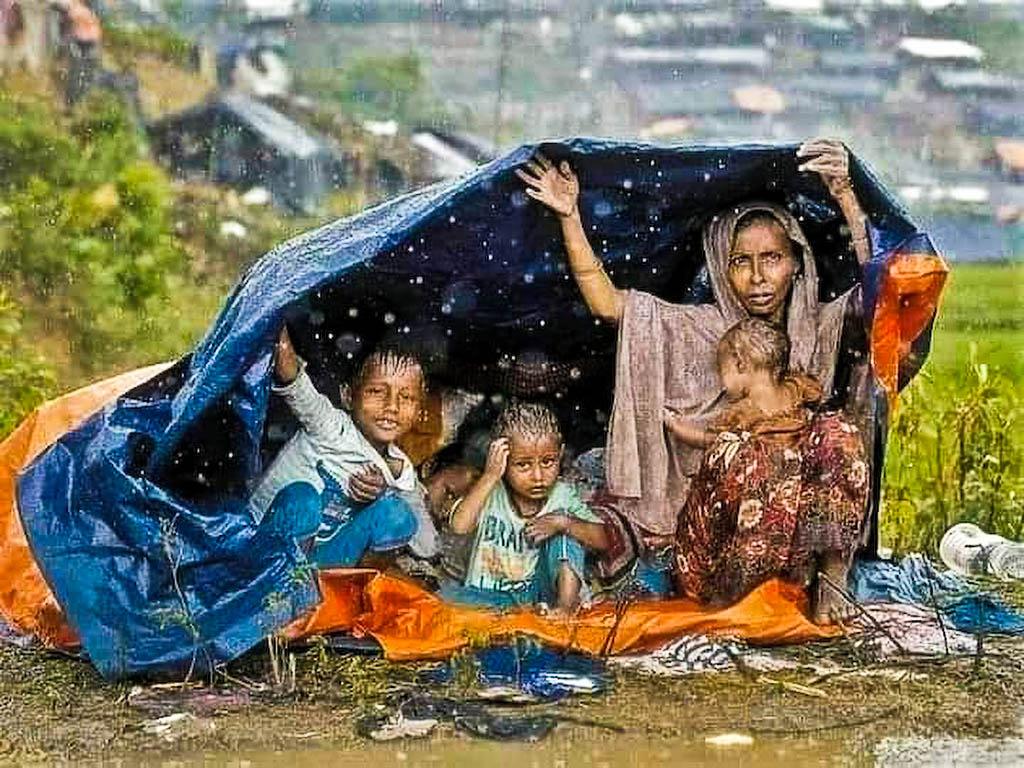
 Approximately two hundred euros, at purchasing power parity: this is what, on average, is spent on the education of a child in Sub-Saharan Africa every twelve months. In Europe, the figure is around [...]
  Right and left presupposed a common space: constitutional democracy, the rule of law, and the mutual recognition of political actors as legitimate opponents. The current crisis, by contrast, operates [...]
 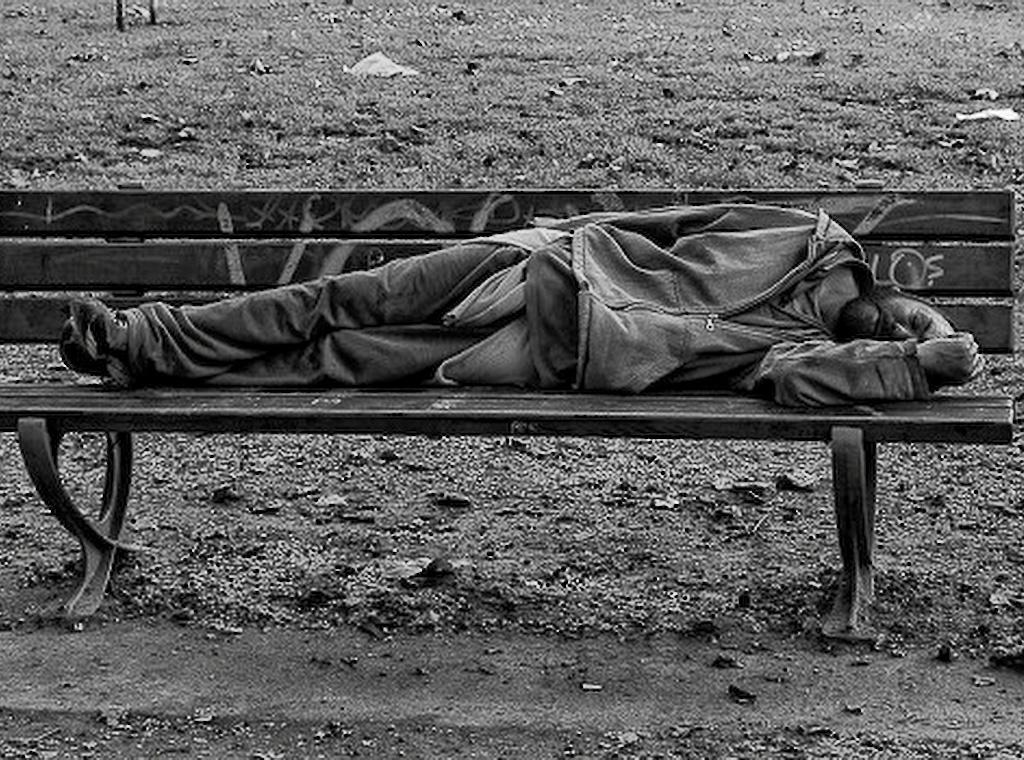 In a report presented on 19th January 2026 at the opening of the World Economic Forum in Davos, the British organisation Oxfam reported that global billionaires’ fortunes increased by 16% in [...]
 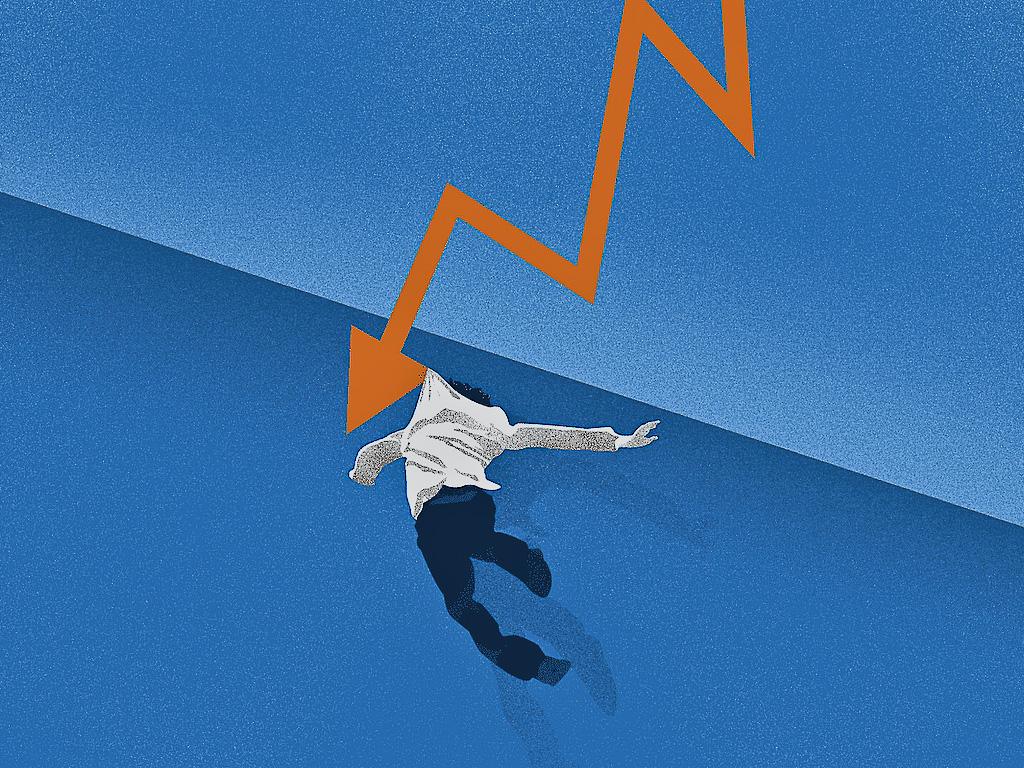 Economic growth is not a statistical abstraction; it is the most powerful lever humanity has ever known for the tangible improvement of well-being. Over recent decades, its impact has been [...]
 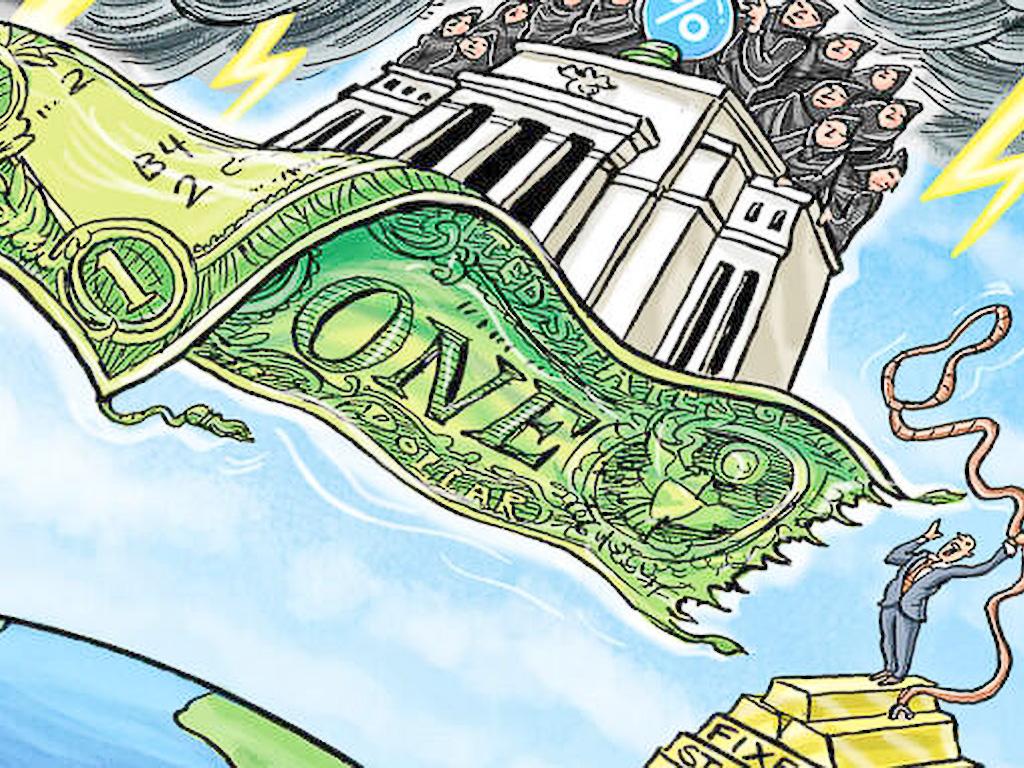 Undoubtedly, there has never been an era of true free trade. International trade has always been only partially and unevenly free and, in most cases, regulated. Most so-called neoliberal advocates [...]
 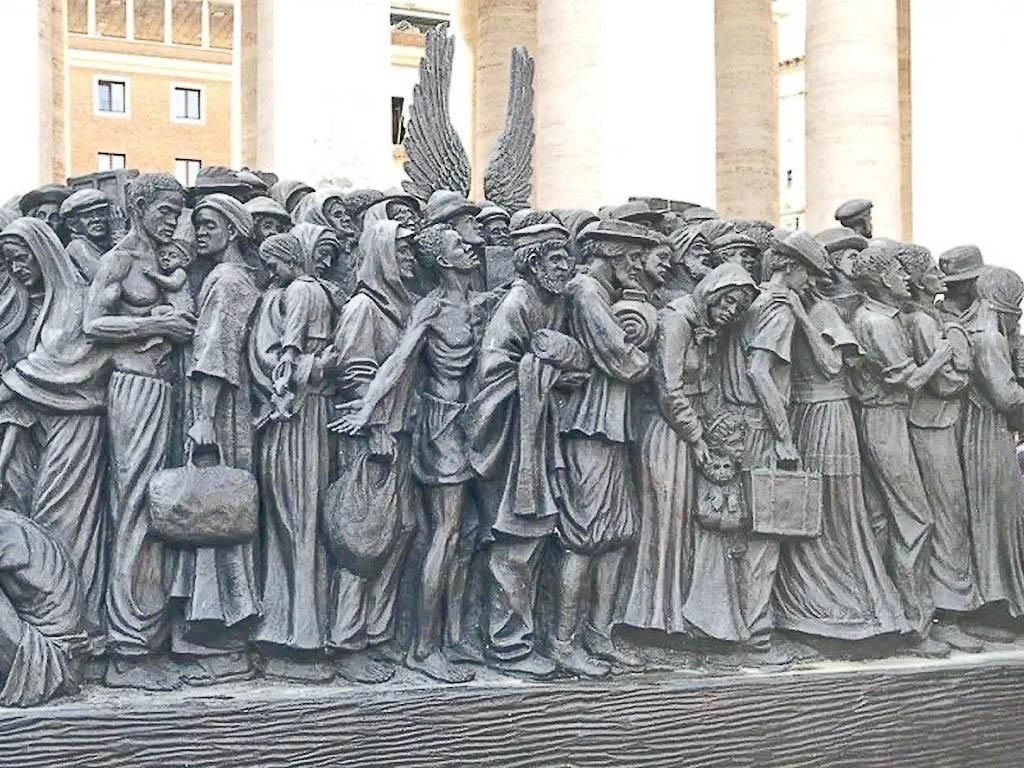 In an age marked by individualism, social fragmentation, and a crisis of human bonds, rediscovering the value of the common good is not just a cultural exercise, but an ethical and political [...]
  Liberalism is a doctrine that does not claim to have answers for everything, unlike Marxism, and welcomes divergence and criticism within its framework, based on a small but unmistakable core of [...]
 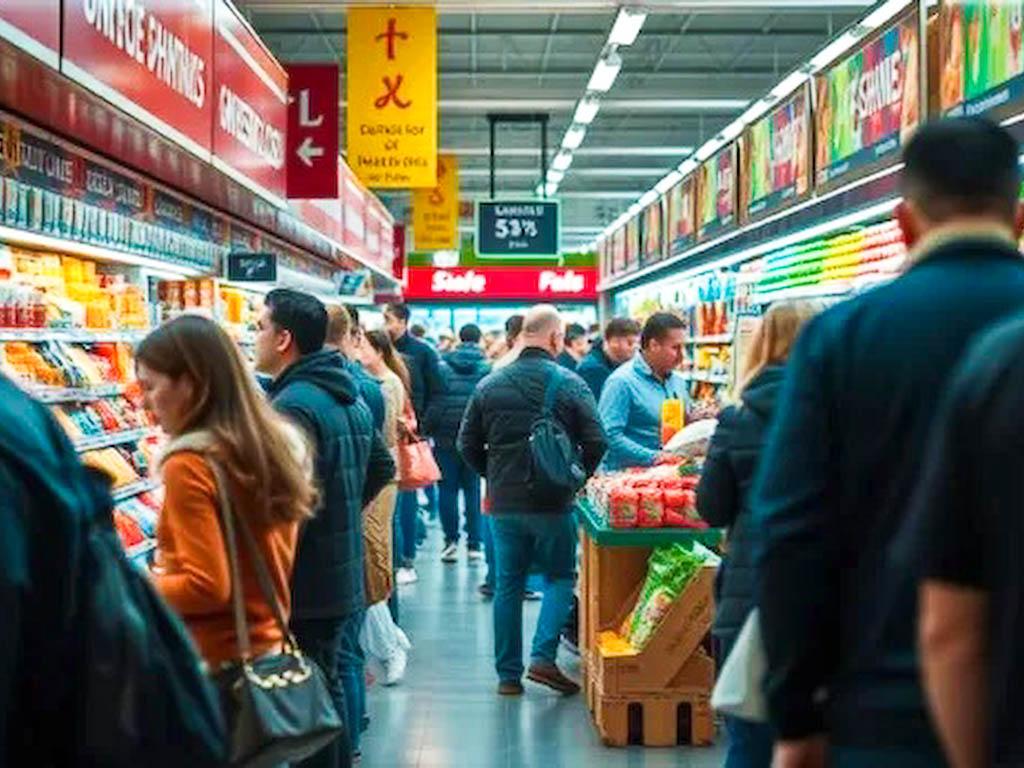 Despite the apparent variety of brands on supermarket shelves, much of the food and drink we consume every day is controlled by a small group of large multinationals. According to an analysis made [...]
  In your most recent book, Power and Progress, you mention that we are at a critical moment regarding the relationship between technology, equality and democracy. What consequences do you foresee if [...]
 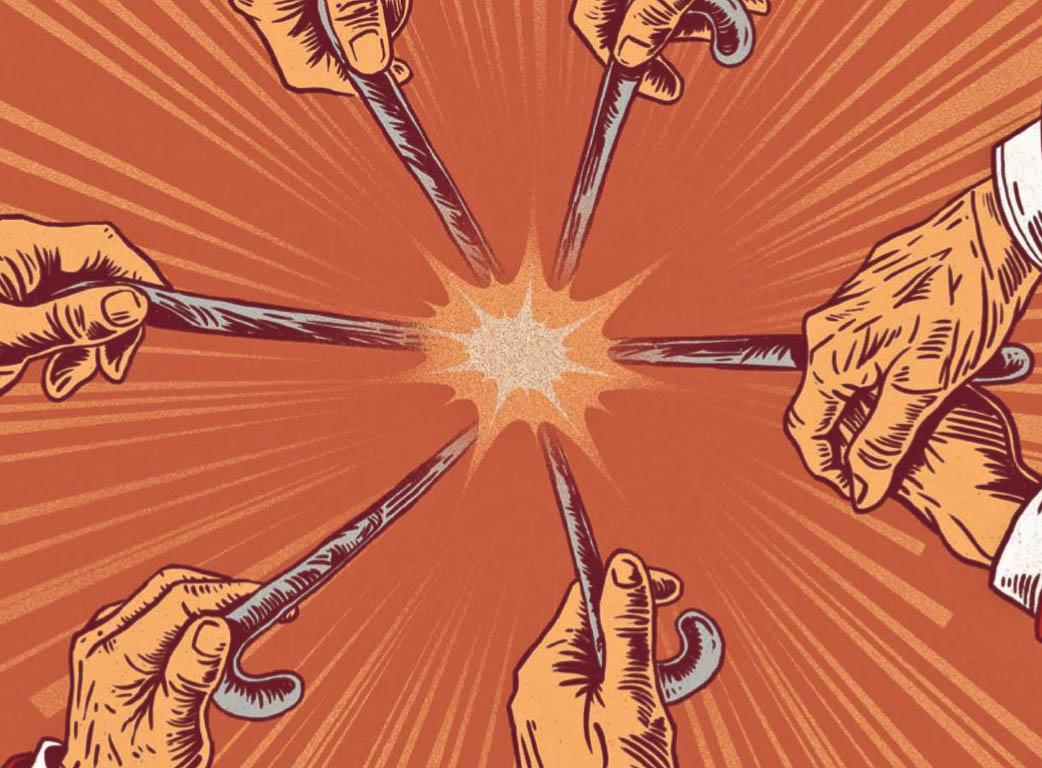 The economic gerontocracy is in control of the planet. The numbers sparkle like diamonds in a jeweller's window. The infinitely cited BRICS (Brazil, Russia, India, China and South Africa), [...]
 Info
Email: jampypezzi@gmail.com - tel. +39 328 732 6990 / +243 991 457 856
This blog is made in 4 languages: it en fr es



 EDitt | Web Agency
Leave a comment