
Justice, Peace, Integrity
of Creation
Justice, Peace, Integrity
of Creation
By John Paul Pezzi, Mccj

Justice, Peace, Integrity
of Creation
By John Paul Pezzi, Mccj
Justice, Peace, Integrity
of Creation
By John Paul Pezzi, Mccj

Justice, Peace, Integrity
of Creation
By John Paul Pezzi, Mccj
Heat Threatens Artificial Intelligence Data Centres
IPS 24.06.2026 Corrispondente IPS Translated by: Jpic-jp.orgA new study warns that AI data centres being built around the world are increasingly located in environments exposed to high climate risks, threatening both their infrastructure and operational reliability through extreme heat and other climate change-related hazards.
Several of the world's leading investment hubs for artificial intelligence (AI) data centres, including Rio de Janeiro in Brazil and Querétaro in Mexico, are emerging as climate risk hotspots, according to a new report by the specialist firm Cross Dependency Initiative (XDI).
The study notes that "much of the debate has focused on energy demand and water consumption" in data centres. According to research by the United Nations University, by 2030 these facilities could consume as much water as the 1.3 billion people living in sub-Saharan Africa.
Electricity consumption, according to the same source, could reach 945 terawatt-hours (one terawatt equals one billion kilowatts), three times the combined annual electricity consumption of Pakistan, Bangladesh and Nigeria, countries with a combined population of around 650 million.
However, physical climate risk is becoming an increasingly important concern in its own right, XDI warns in its report, Global Analysis 2026 of Planned Data Centres: Physical Climate Risk and Resilience.
The report assessed 2,595 planned data centres worldwide and identified locations where physical damage to infrastructure caused by climate impacts, or operational disruption resulting from extreme heat and other hazards, could undermine the long-term performance of infrastructure, its insurability and the continuity of operations.
The report also emphasises that data centres do not operate in isolation. Even highly resilient facilities depend on surrounding infrastructure systems, including electricity grids, road and transport networks, telecommunications, water supplies and supply chains.
"The question is no longer simply where the next generation of digital infrastructure will be built, but whether those assets will remain operational, insurable and economically resilient throughout their lifetime," the report states.
In a global ranking of the 25 countries most exposed to infrastructure damage from extreme weather events linked to climate change in 2026, Mexico ranks fourth.
With regard to extreme heat, the models indicate that the surrounding infrastructure systems in Indonesia, Brazil, Mexico, Spain, India, the United States and Malaysia face a substantially greater risk of disruption than the data centres themselves.
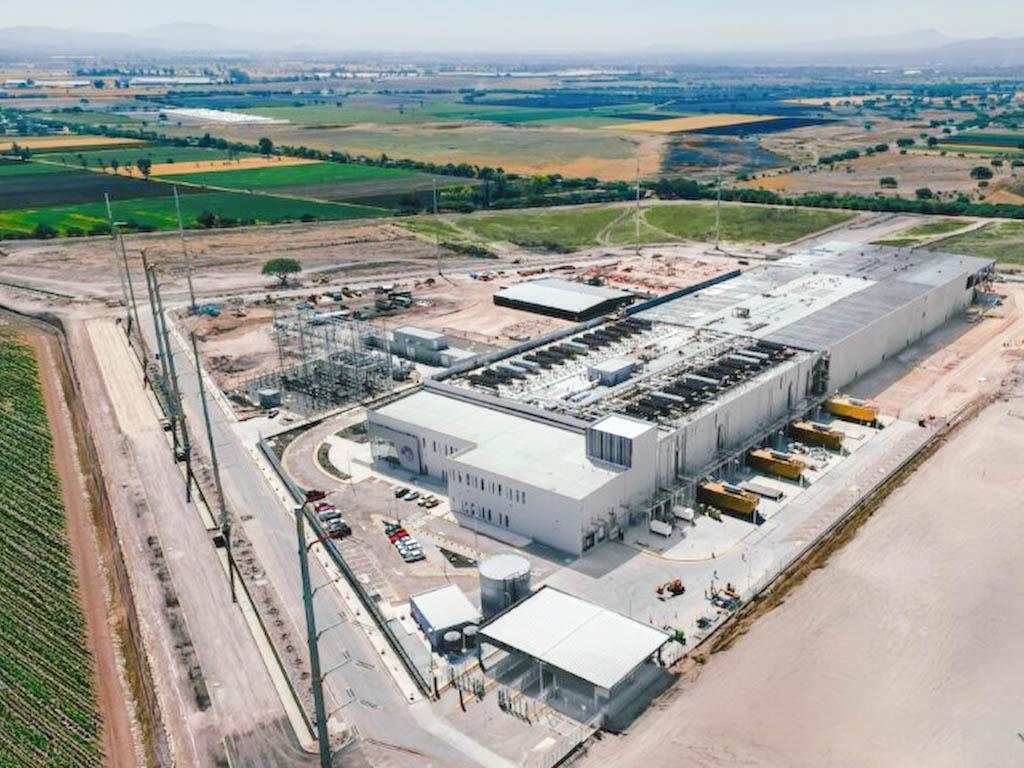
Querétaro, in central Mexico, ranks sixth among the areas with the highest disruption indicator and is projected to experience a very rapid increase in future heat exposure, significantly raising the risk of operational disruption.
With US$69 billion invested in data centre infrastructure in 2025, France attracted more foreign investment than any other country in the world. Nevertheless, it ranked as the fifth most at-risk country globally for data centres facing climate change-related threats.
In the United States, 69 planned data centres were classified as high risk under low-resilience scenarios. In nine of the country's fifty states, 20 per cent or more of the planned data centres analysed were considered to be at high climate risk.
South-East Asia is identified as the region facing the greatest climate-related challenges for planned data centre infrastructure. According to XDI's modelling, one in five planned facilities falls into the high-risk category under low-resilience assumptions.
The report warns that "the decisions made today regarding site selection, engineering standards and investment in resilience will have a substantial influence on future performance, insurability and operational continuity."
As data centres continue to grow in both scale and concentration of value, insurers are paying increasing attention to catastrophe exposure and operational risk.
Swiss Re projects that global insurance premiums associated with data centre infrastructure could rise from US$10.6 billion today to US$24.2 billion by 2030.
See, El calor amenaza a los centros de datos de inteligencia artificial.
Photo: Construction of the Odata artificial intelligence data centre in the state of Querétaro, central Mexico.
The comments from our readers (1)
 Artificial intelligence, like ourselves, functions only if it has a heart. It is not true that we are born as a tabula rasa; rather, we are systems of relationships and data. I would, however, like [...]
  Public debate on the use of data and algorithms is surprisingly poor, especially when compared with the real power these tools exert. The discussion continues to be reduced to the now almost ritual [...]
  Beyond geopolitics, the single most decisive factor in explaining the behaviour of stock markets over the past two to three years has been investors’ bets on the potential of artificial [...]
 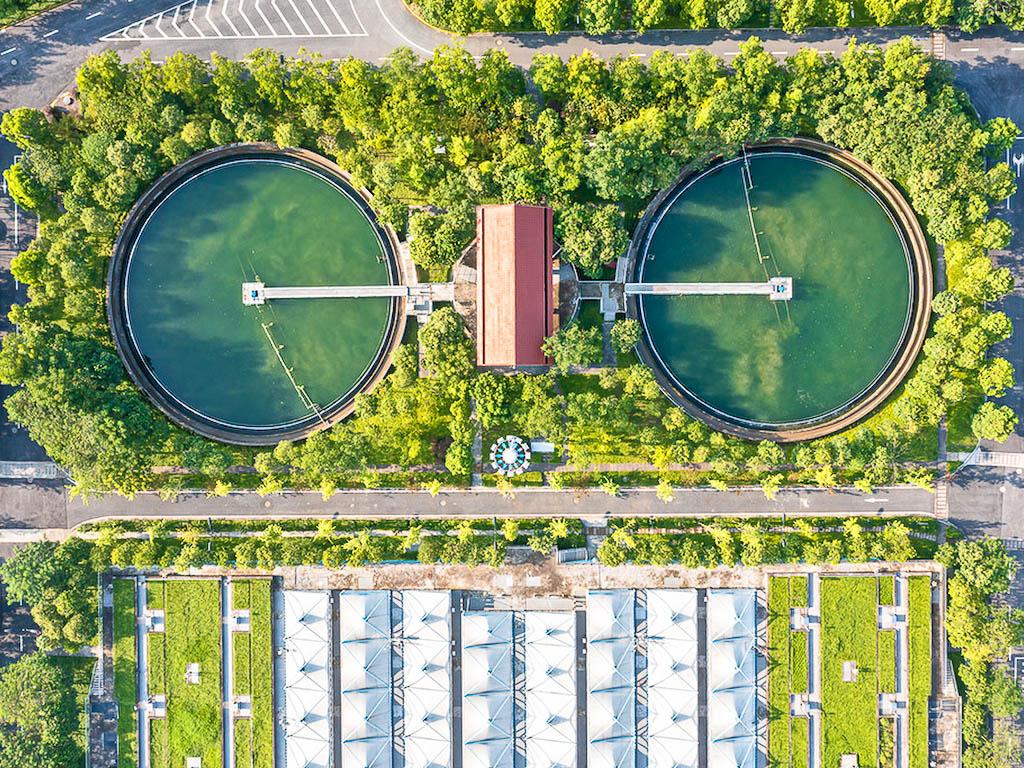 Data centres are becoming larger and more powerful. They are the engines driving digital evolution, but they face two major problems. The first is well known: they consume an enormous amount of [...]
 Info
Email: jampypezzi@gmail.com - tel. +39 328 732 6990 / +243 991 457 856
This blog is made in 4 languages: it en fr es






 EDitt | Web Agency
Leave a comment