Justice, Peace, Integrity
of Creation
Justice, Peace, Integrity
of Creation
By John Paul Pezzi, Mccj
Justice, Peace, Integrity
of Creation
By John Paul Pezzi, Mccj
Justice, Peace, Integrity
of Creation
By John Paul Pezzi, Mccj
Justice, Peace, Integrity
of Creation
By John Paul Pezzi, Mccj
IMF: unprecedented growth in global rearmament
Vatican.va 10.04.2026 Francesco Citterich Translated by: Jpic-jp.orgThe International Monetary Fund’s World Economic Outlook highlights that nearly 40% of countries worldwide now allocate more than 2% of GDP to defence, a symbolic threshold which only a few years ago was confined to a limited number of states and which now risks becoming a new normal.
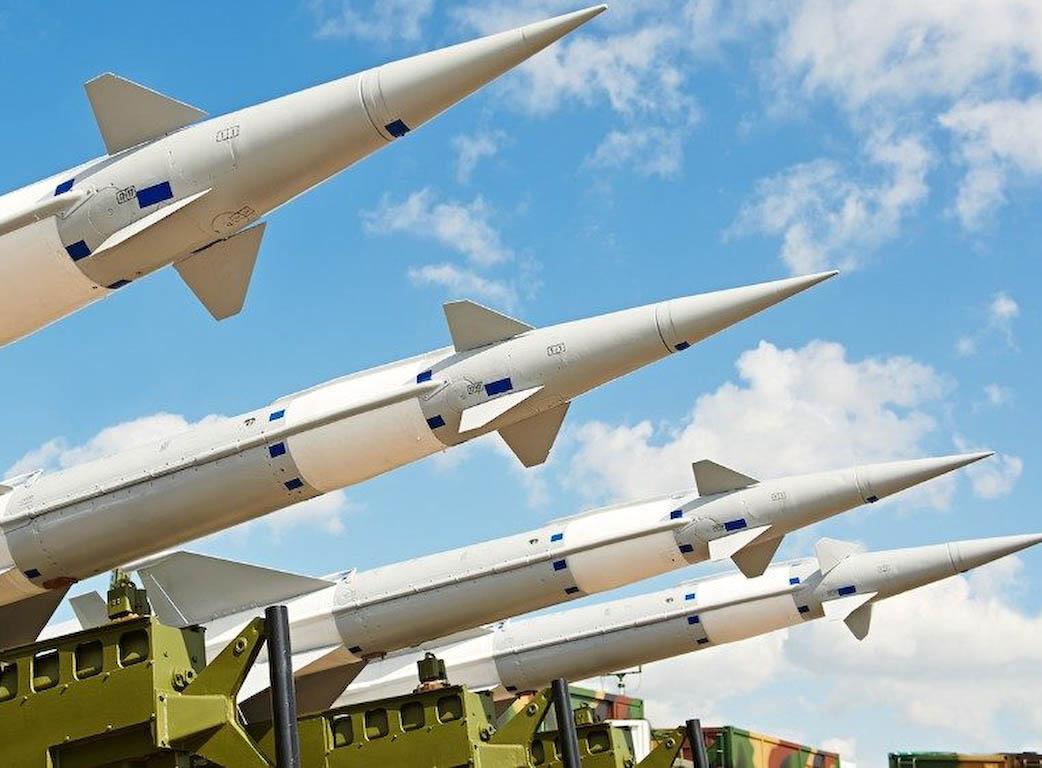
Global military spending has experienced a significant acceleration in recent years, reaching levels not seen since the end of the Second World War. The latest data from the International Monetary Fund (IMF) confirm a structural shift in states’ economic priorities: nearly 40% of the world’s countries now devote more than 2% of their gross domestic product (GDP) to defence, a symbolic threshold that until recently applied only to a small group of nations.
A dangerous normality
In the chapters of the World Economic Outlook dedicated to defence spending, conflict and economic recovery, the IMF notes that between 2020 and 2024 around 50% of countries increased their military budgets, and the share of states exceeding the 2% of GDP threshold rose from 27% in 2018 to nearly 40% in 2024. This indicates that what was long considered an ambitious benchmark is becoming a new and potentially dangerous normality.
At the root of this increase lies the rise in conflicts and geopolitical tensions over the past 15 years. Among the most significant factors, the IMF points to the return of large-scale warfare in Europe with Russia’s invasion of Ukraine; tensions between major powers such as the United States and China; instability in the Middle East and Africa; and intensifying technological and military competition. These dynamics have prompted governments to redefine security as a strategic priority, often at the expense of other areas of public spending. This is a trend expected to strengthen further, confirming heightened geopolitical instability.
Rising defence spending among NATO countries
NATO member states, for instance, committed in June 2025 to raising annual defence spending to 5% of GDP by 2035, more than double the previous 2% target, in a context in which Poland plays a leading role within the Alliance with spending at 4.5%.
According to the Stockholm International Peace Research Institute (SIPRI), arms sales by the world’s 100 largest defence companies have doubled in real terms over the past two decades. In 2024 alone, more than 35 countries, roughly half of which are classified as “fragile states” affected by conflict, experienced warfare on their territory. In the same year, around 45% of the global population lived in countries affected by conflict, which, in the IMF’s broadest assessment, range from localised border skirmishes to full-scale wars.
Beyond their devastating human toll, such conflicts generate inflationary shocks, fiscal pressures and internal imbalances, while hampering global growth. Post-conflict recovery remains slow and fragile, leaving lasting scars on both national macroeconomies and individuals. Recovery is driven primarily by labour, while capital and productivity remain weak, and it depends on the stability of peace: if sustained, it allows for partial recovery; if conflict resumes, growth stalls.
A global trend
The rise in military expenditure and the fact that nearly 40% of countries now exceed the 2% of GDP threshold therefore mark a historic turning point. This is no longer an objective confined to NATO, but a global trend linked to an undeniably more unstable international environment.
While this strengthens states’ military capabilities, it raises critical questions: is it sustainable in the long term? Which civilian sectors will be sacrificed? Is this a temporary phase or a new normal?
The answers will depend on the evolution of geopolitical balances in the years ahead. One fact, however, is clear: defence has once again become a central priority in the public budgets of nearly half the world.
See, Fmi: crescita senza precedenti per il riarmo nel mondo
 We no longer seem capable of genuine dialogue. One reason is that we can no longer bear silence, which confronts us with ourselves even before it confronts us with others, and which is the [...]
  As Daniele Rocchetti clearly points out, Just War theory did not arise in order to justify war but rather to limit it. From its very beginnings, it sought to subject the use of armed force to strict [...]
 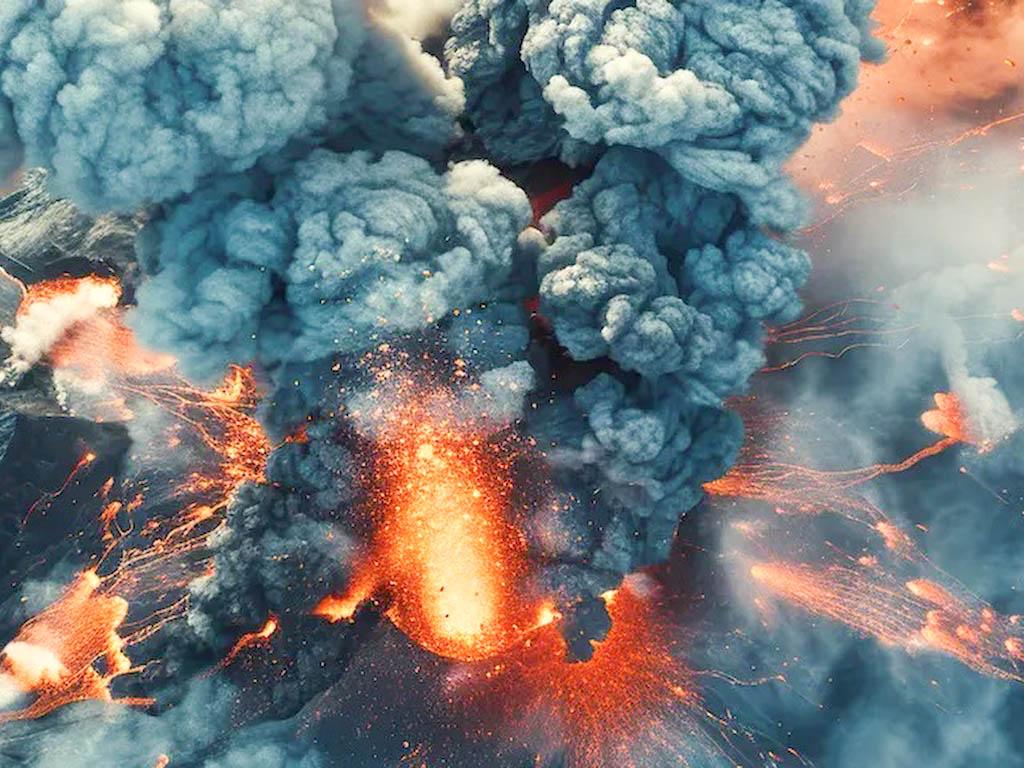 1. The Violence of the Allied Bombing
Every single darkened stone bears witness, in the most tangible way, to a deeply painful wound that has never fully healed, inflicted in February 1945. Only [...]
1. The Violence of the Allied Bombing
Every single darkened stone bears witness, in the most tangible way, to a deeply painful wound that has never fully healed, inflicted in February 1945. Only [...] 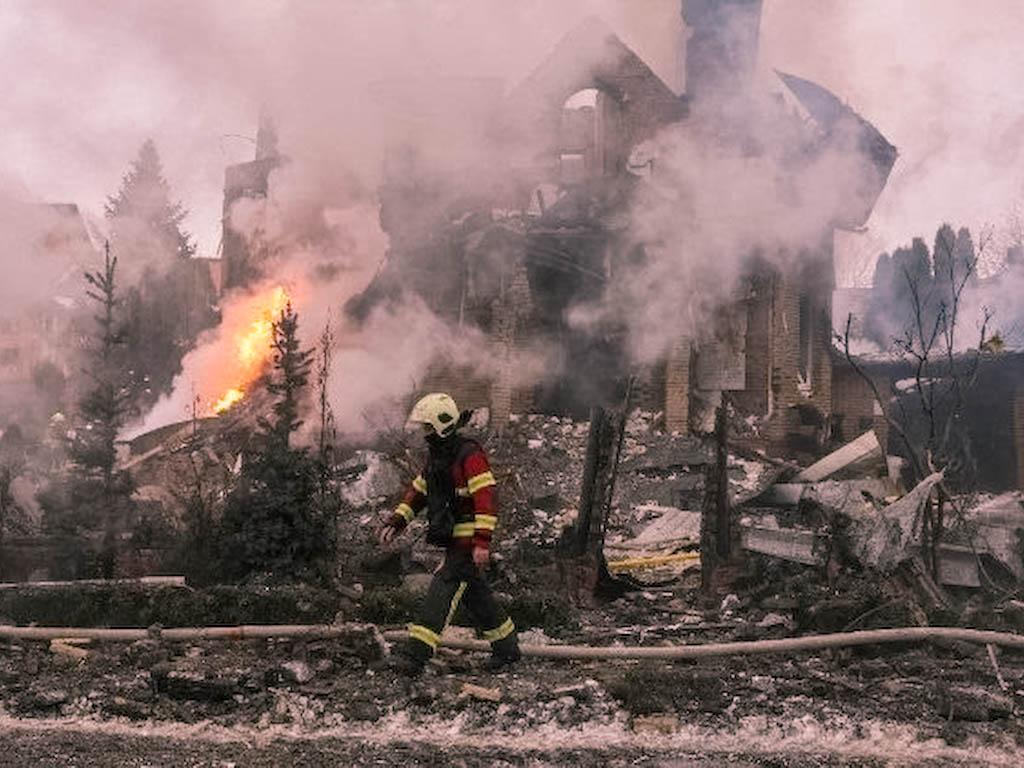 For several years, and through many public meetings, I have explained how meaningless it has become to speak of a “just war” after the atomic bombings of Hiroshima and Nagasaki. I have [...]
 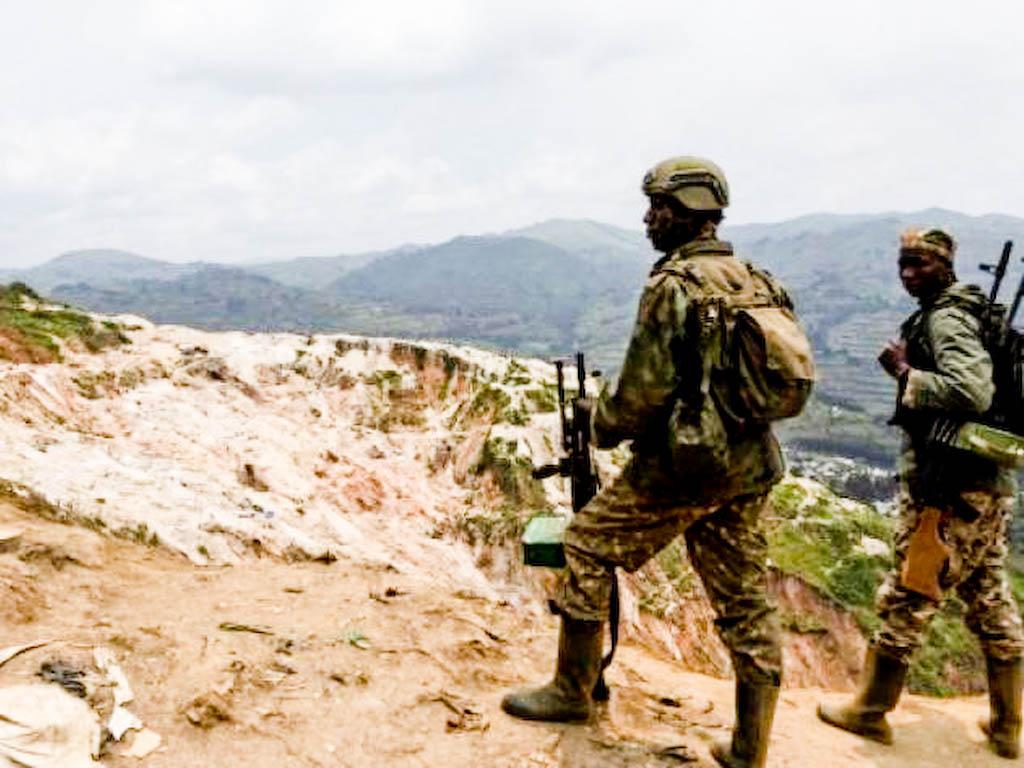 “Thanks” to the war in the Middle East, the AFC/M23 movement, supported by Rwanda and occupying part of eastern Democratic Republic of the Congo, can no longer export smuggled gold to [...]
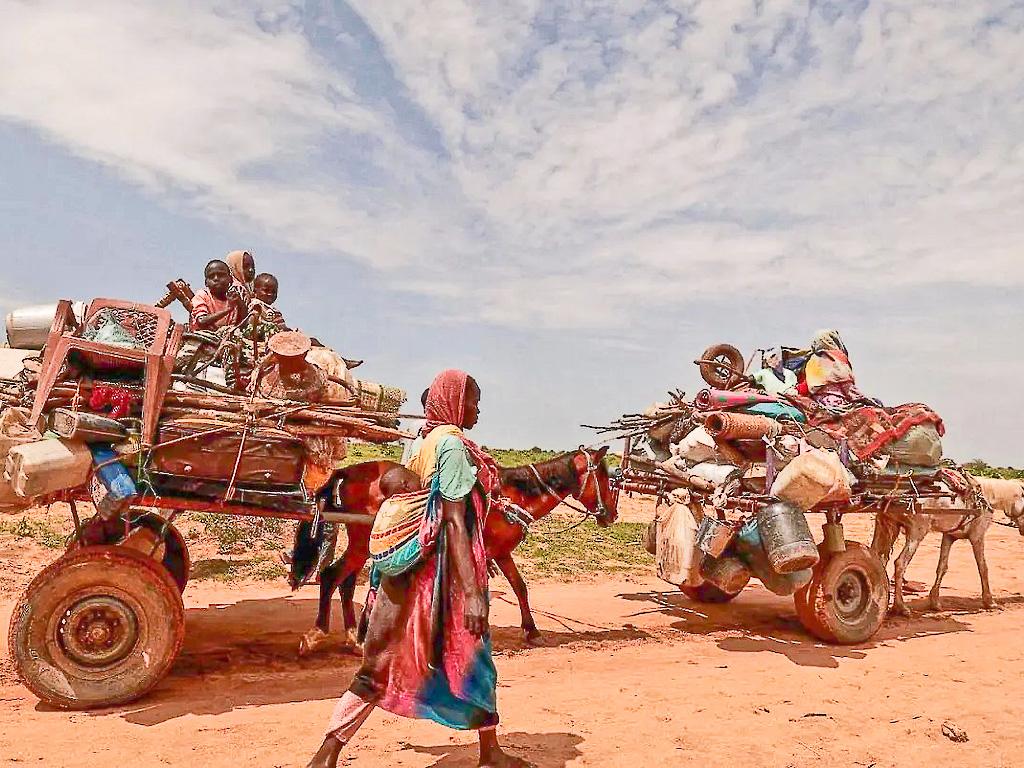
 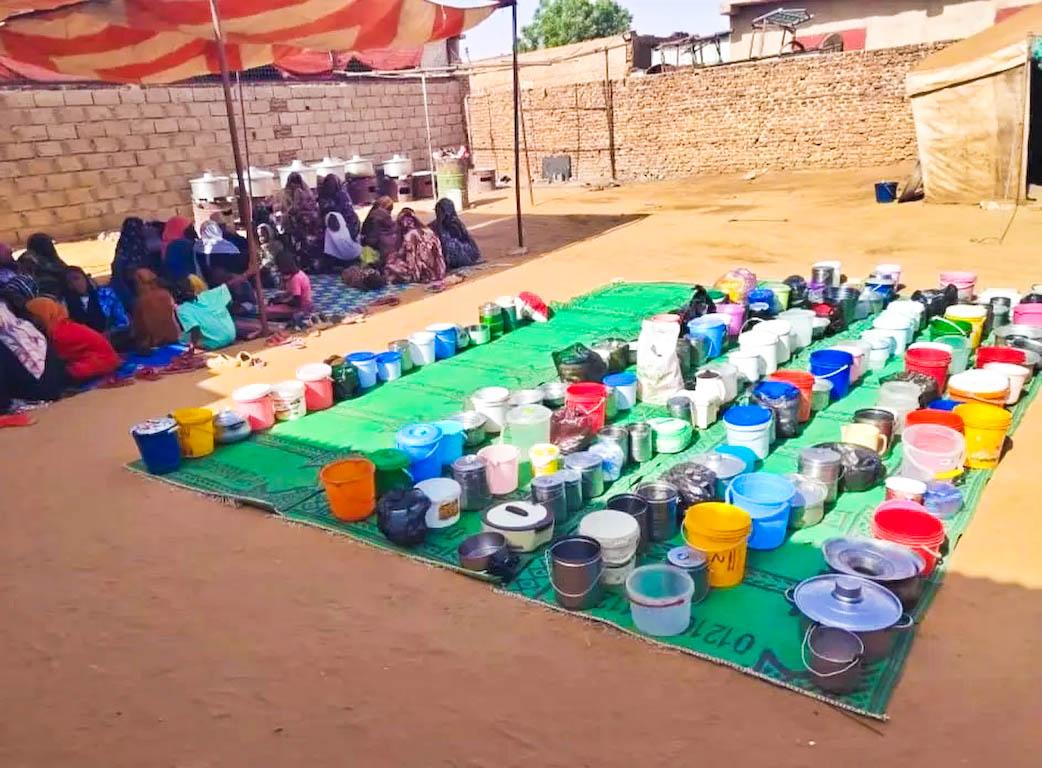 On an ordinary morning in El Obeid, Azza al-Amin kneads bread dough in her narrow kitchen as a drone buzzes angrily in the distance. She keeps working. Hundreds of people are counting on her. [...]
 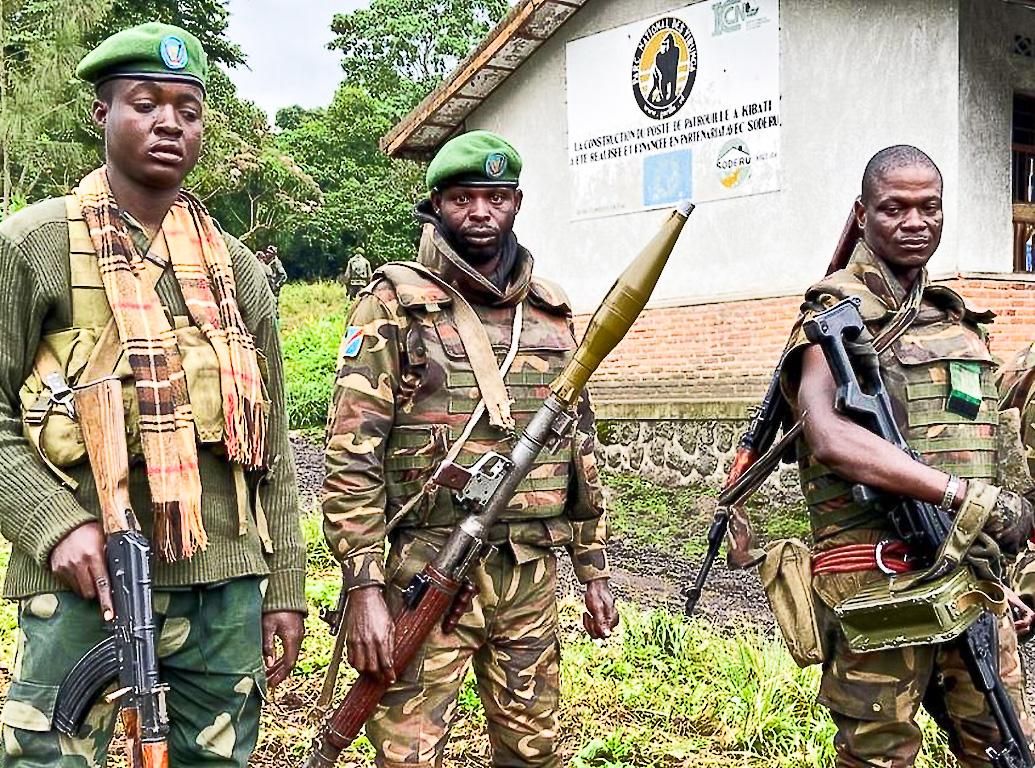 “The territorial expansion of the Congo River Alliance/March 23 Movement (AFC/M23),” the report states, “has reached unprecedented levels, jeopardising regional stability.” [...]
 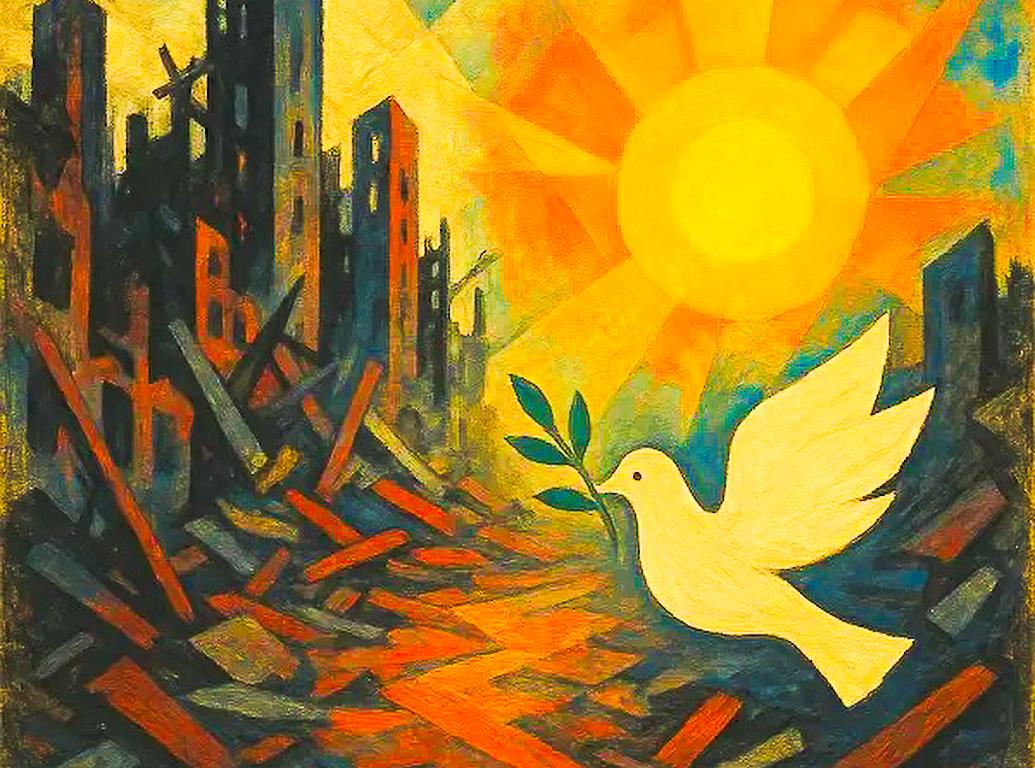 A small booklet published posthumously in 1933 by the biologist René Quinton, Maximes sur la guerre, appreciated and used by Mussolini, has at its core this sentence: “War is killing, to [...]
  How can a soldier recite the Lord’s Prayer in battlefield liturgies? O reckless man!
You call God Father while you place the knife at your brother’s throat.
Hallowed be thy name. What [...]
How can a soldier recite the Lord’s Prayer in battlefield liturgies? O reckless man!
You call God Father while you place the knife at your brother’s throat.
Hallowed be thy name. What [...] 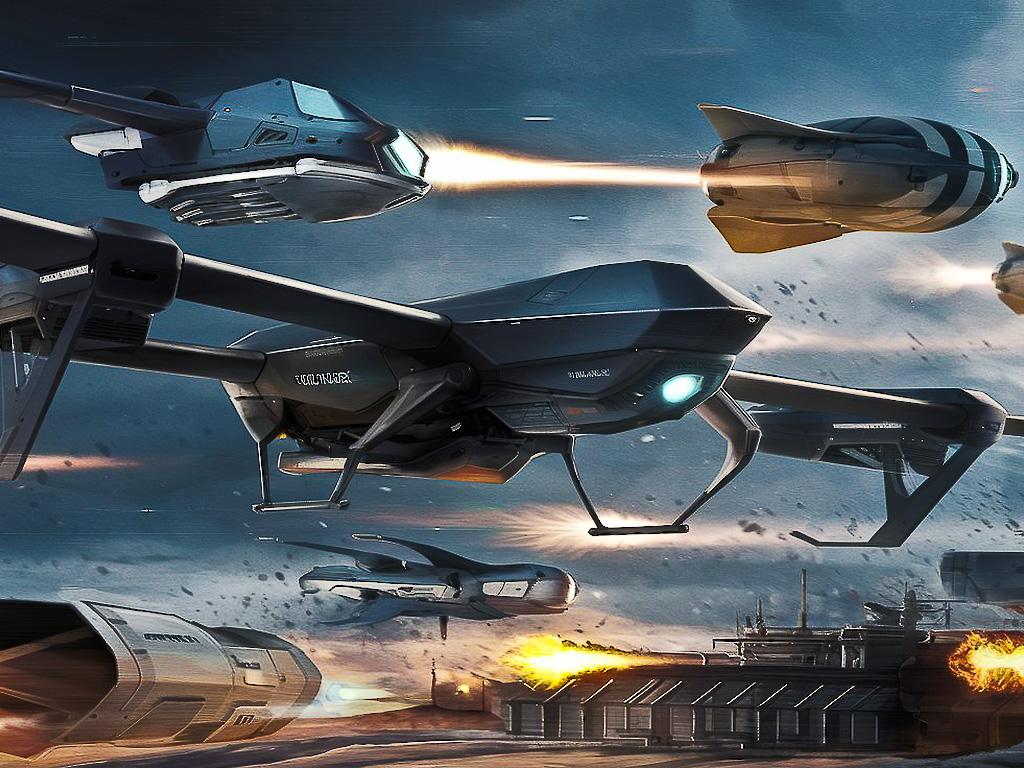 The list drawn up this year includes Amazon, Anduril Industries, Meta, Northrop Grumman, Palantir Technologies, Space Exploration Technologies and Vanguard. These computing and technology giants are [...]
 Info
Email: jampypezzi@gmail.com - tel. +39 328 732 6990 / +243 991 457 856
This blog is made in 4 languages: it en fr es


 EDitt | Web Agency
Leave a comment