
Justice, Peace, Integrity
of Creation
Justice, Peace, Integrity
of Creation
By John Paul Pezzi, Mccj
Justice, Peace, Integrity
of Creation
By John Paul Pezzi, Mccj
Justice, Peace, Integrity
of Creation
By John Paul Pezzi, Mccj
Justice, Peace, Integrity
of Creation
By John Paul Pezzi, Mccj
No Broken Bones, No Crime: the Taliban’s New Rules
IPS 27.04.2026 Giornalista IPS Translated by: Jpic-jp.orgThe author is an Afghan journalist trained with Finnish support before the Taliban’s return to power. We are keeping her identity anonymous for security reasons. Under the Taliban’s new laws, a wife who visits her relatives without her husband’s permission faces up to three months in prison.
The Taliban have introduced new laws which, in practice, legalise domestic violence against women and children. Afghanistan’s supreme leader, Mullah Hibatullah Akhundzada, signed a decree in January introducing a new penal code.
The new code contains three sections, ten chapters and 119 articles that legalise violence, codify social inequality and introduce punitive measures widely condemned as a return to slavery.
“These laws are yet another attack on women and represent a blatant violation of human rights,” says Mitra — a pseudonym used for security reasons — a women’s rights activist living in Afghanistan.
The laws, leaked to the public by various organisations and media outlets, have left people — particularly women — in a state of shock. Yet they are unable to act or even raise their voices. Under the new code, opposing the Taliban regime or speaking critically about it is considered a criminal offence and may result in penal sanctions.
According to Article 32 of the Taliban penal code, husbands have the right to physically discipline their wives and children. Provided that no bones are broken and no visible bleeding occurs, the man’s actions are not regarded as a crime and carry no criminal punishment.
Even if a court establishes that violence inflicted upon a woman caused visible injuries or broken bones, the man faces a maximum sentence of only fifteen days in prison.
This Taliban law has effectively legalised domestic violence and blocked women’s access to justice.
According to Article 34 of the new Taliban penal code, if a woman repeatedly visits her father’s home or that of her relatives without her husband’s permission and refuses to return to the marital home, this constitutes an offence both for the woman and for her family members. The punishment may be up to three months’ imprisonment.
Under the new law, a husband is entitled to violently assault his wife if she disobeys him.
This Taliban decree compels women to remain in their homes under all circumstances, including in situations involving threats or domestic abuse. Women can no longer seek protection or refuge with their own families.
According to documents from the human rights organisation Rawadari, the Taliban penal code was promulgated by Mullah Hibatullah Akhundzada on 7 January 2026 and subsequently distributed to provincial judicial institutions for enforcement.
Decrees issued by the Taliban since their return to power in August 2021 are generally kept secret within their judicial institutions and communicated to the public only through mosques and community elders.
The population learns of them only when media organisations and human rights groups manage to obtain and publish them.
The Taliban regime has effectively divided Afghan society into four classes, and punishment for offences is determined not by the nature of the crime but by the offender’s social status. At the top are religious scholars, who receive advice and warnings rather than criminal penalties.
Next comes the elite, including members of the ruling class such as village elders and wealthy merchants. They are subject to a more lenient scale of punishments and generally avoid prison sentences.
The middle class faces harsher punishments. At the bottom of the hierarchy is the lower class, whose punishments may include public floggings and severe prison terms.
The new law also employs terminology distinguishing slaves from free persons.
Slavery was officially abolished in Afghanistan in 1923. Yet under the new code, treating individuals as slaves once again becomes an accepted practice. For example, a master has the legal right to discipline his subordinate, just as a husband may discipline his wife.
This effectively dismantles the principle of equality before the law.
Mitra says these Taliban laws constitute a direct attack on women and violate all of their fundamental human rights.
By enforcing these rules, the Taliban have confined women within the four walls of their homes, forcing them to endure every form of abuse in silence.
“What the Taliban have established in Articles 32 and 34 is chilling. The Taliban view women solely as sexual objects. These laws legitimise every form of violence against women, and women cannot even seek justice or take refuge in the home of their father or brother. In effect, this officially imprisons women under the full weight of domestic violence,” she says.
All of these provisions were drafted without any debate and entered into force with minimal discussion and no public participation.
Their existence only became known when the human rights organisation Rawadari obtained the laws and published them on its Pashto-language website. Shortly after being signed, they were immediately sent to the provinces for implementation by Taliban-controlled courts.
As Maryam, a resident of the district of Ragh in the north-eastern province of Badakhshan, explains, once local mullahs announce Taliban laws in mosques, they are immediately enforced in districts and villages, and all cases are judged according to those rules.
“Most people in our village are illiterate, and even those who are educated or know about women’s rights cannot say anything out of fear. If they utter even a single word, local people turn against them and problems begin. Women are forced to accept everything their husbands say because they have no other choice,” says Maryam, also a pseudonym used to protect her safety.
Since the Taliban regained control of Afghanistan, they have continuously promulgated and enforced decrees and laws that systematically violate human rights and confine women within the four walls of their homes.
But this time they have gone even further by granting legal legitimacy to every form of violence against women.
Mitra is calling on all human rights organisations and the international community to oppose the Taliban’s actions and prevent them from dragging women into a system of slavery reminiscent of the earliest centuries.
She warns that if the world fails to stand alongside Afghan women, they will be driven towards destruction and face a severe humanitarian catastrophe.
Sin huesos rotos, no hay delito: las nuevas normas de talibanes sobre violencia contra las mujeres
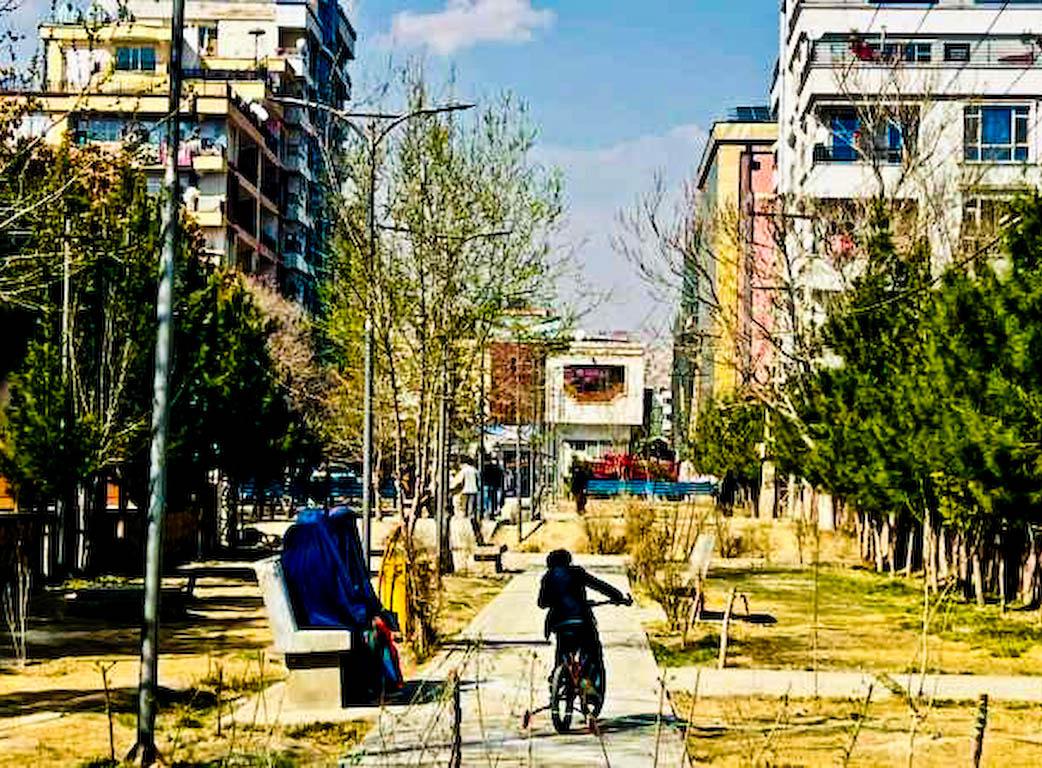
Photo. Two women seated on a bench in Kabul while watching over a child playing with a bicycle: LearningTogether.
 In Italy, one can say whatever one wishes against our civilization, and even when accusations and criticism are unfounded, those who make them suffer no consequences and are not held accountable. [...]
  Every age has had its principal social classes, those upon which peace, wars, wealth, poverty, rights and happiness depended. In the Middle Ages, they were the aristocrats and the serfs; during the [...]
  Philosophy has examined, on the one hand, the need to preserve the individual and his or her identity and, on the other, the necessity of building and living within a community. How can the self and [...]
  Livelihoods – especially in the rural north – have become increasingly fragile, yet federal and state authorities have failed to provide effective responses to the growing vulnerability. [...]
 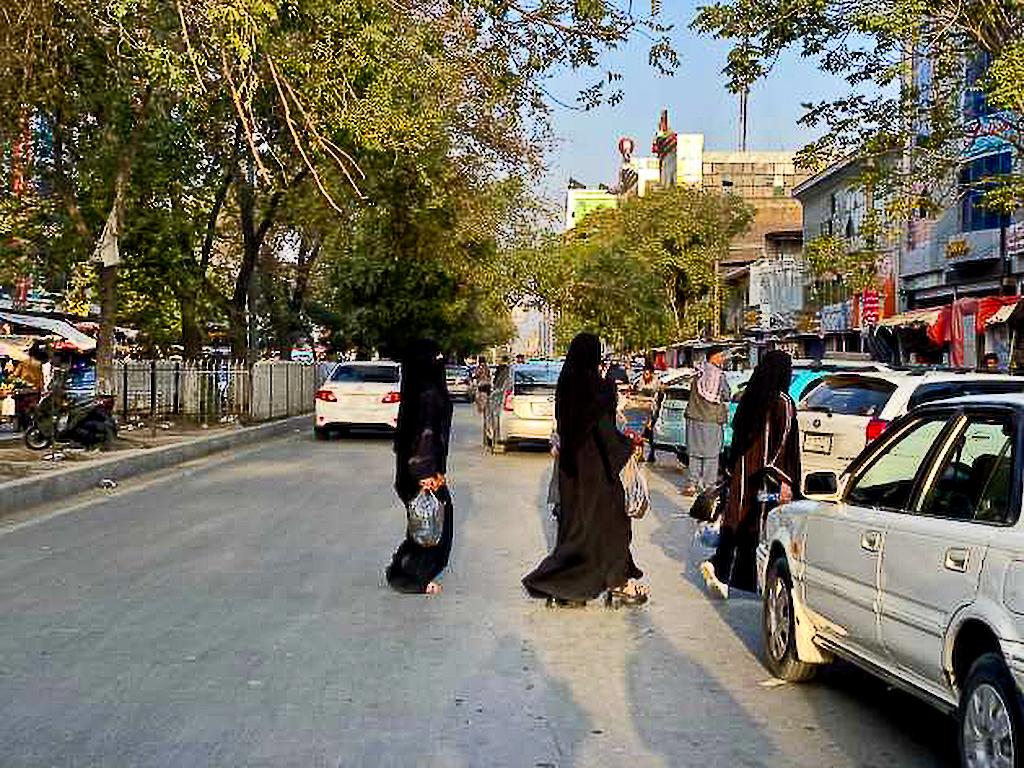 Inside, rusty shelves line the walls, empty soft-drink cans hanging on them add a splash of colour, and an old table covered with a worn cloth stands in a corner. To passers-by, the shopkeeper is a [...]
 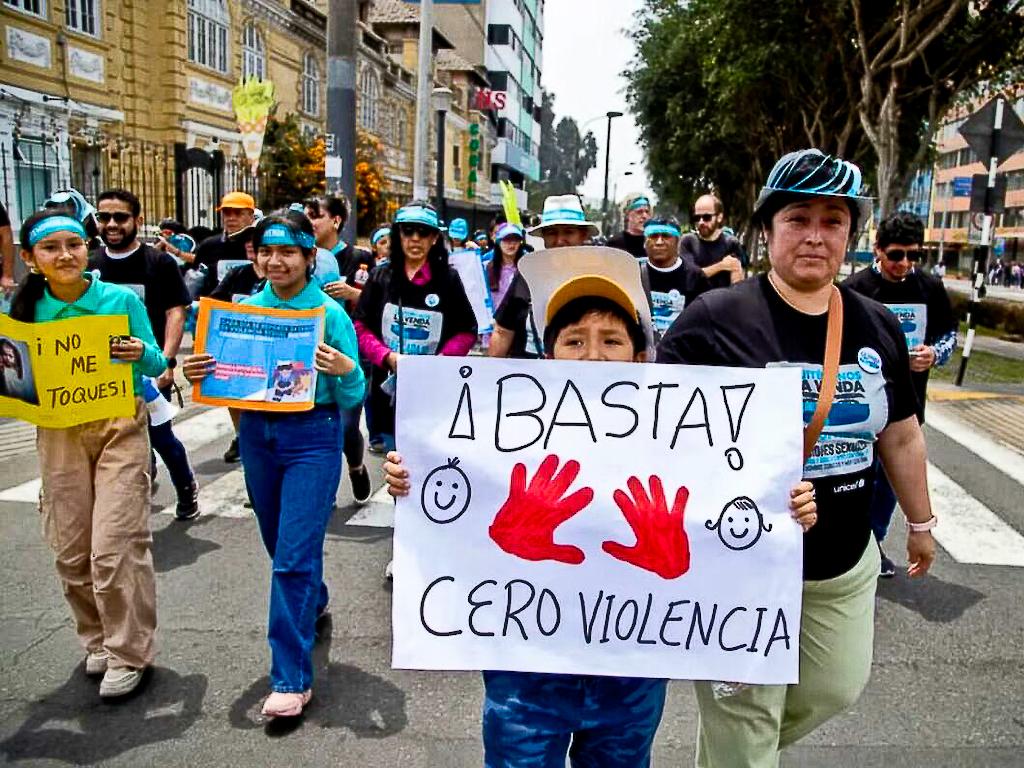 Over a seven-year period, between 2015 and 2022, 53,318 children and young people were killed in Latin America, evidence that violence continues to pose a serious threat to the lives and well-being [...]
 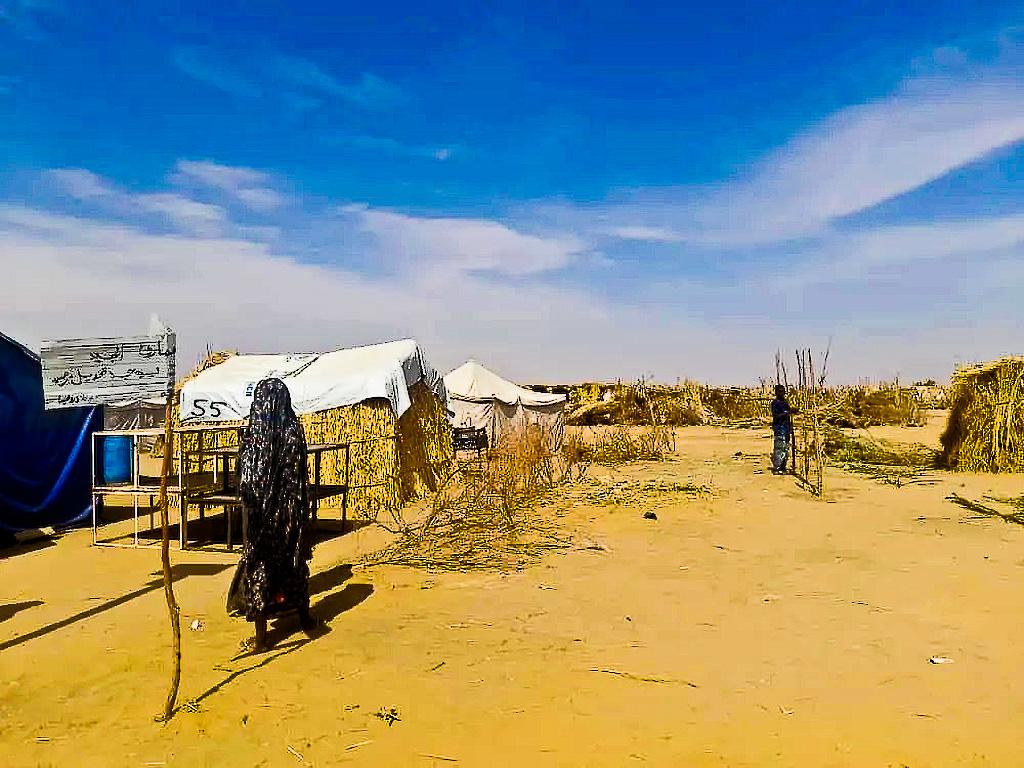 The camp hosts nearly 15,000 people from the western Darfur region who fled attacks by the UAE-backed Rapid Support Forces after the group seized the city of El Fasher on 26 October, killing [...]
  In Christian humanism, the range of the word poverty is very wide. It goes from the despair of those who suffer poverty because of others or through misfortune, to those who freely choose poverty as [...]
 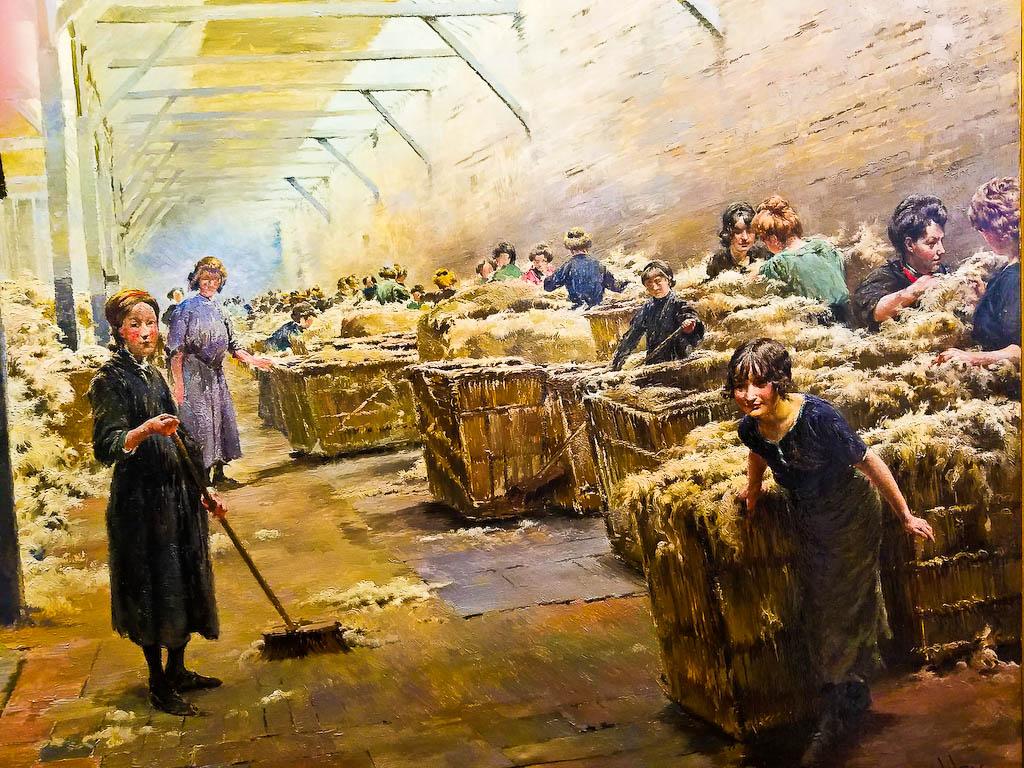 More than 49.6 million people (0.61% of the global population) are subjected to slavery worldwide. To put this grim fact into perspective, if enslaved people were to rally together, they would be the [...]
 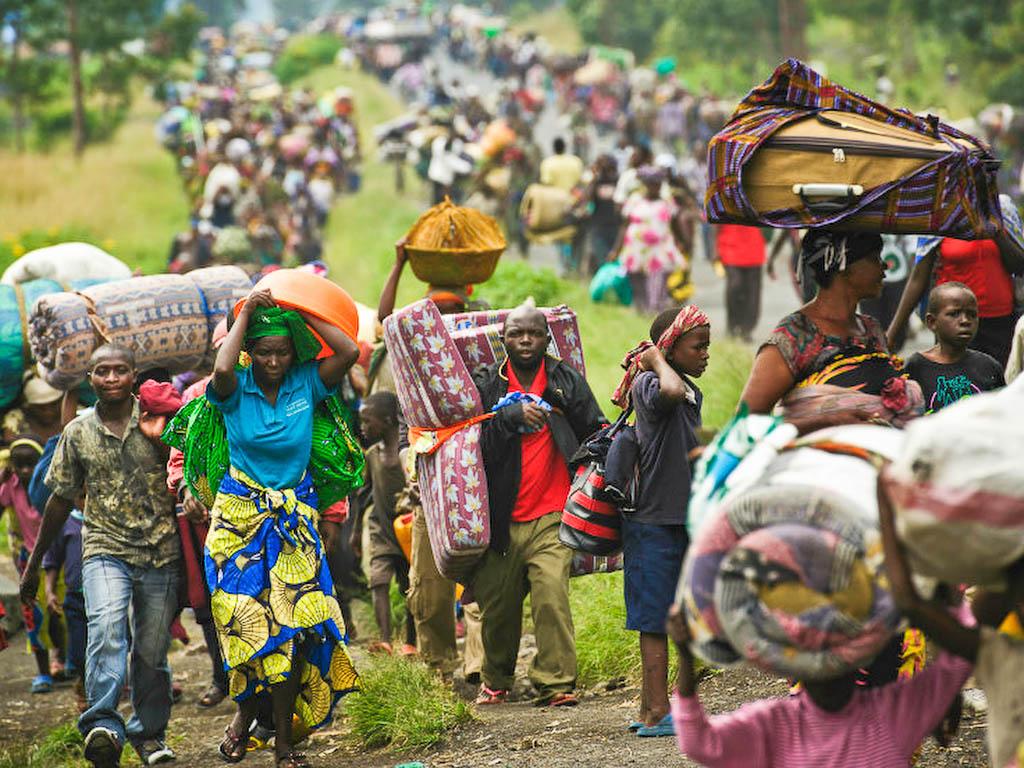 Massacres and Mass Graves. According to the United Nations (UN), around 3,000 bodies have been found strewn across the streets of Goma, still awaiting burial after the city fell to M23 and its allied [...]
 Info
Email: jampypezzi@gmail.com - tel. +39 328 732 6990 / +243 991 457 856
This blog is made in 4 languages: it en fr es


 EDitt | Web Agency
Leave a comment