Justice, Peace, Integrity
of Creation
Justice, Peace, Integrity
of Creation
By John Paul Pezzi, Mccj
Justice, Peace, Integrity
of Creation
By John Paul Pezzi, Mccj
Justice, Peace, Integrity
of Creation
By John Paul Pezzi, Mccj
Justice, Peace, Integrity
of Creation
By John Paul Pezzi, Mccj
The Middle Ages to Come
https://www.luiginobruni.it 04.05.2026 Luigino Bruni Translated by: Jpic-jp.orgA new Middle Ages is approaching, in which the aristocrats will be sterile individuals who will make life much harder for those who wish to live it as a civic commitment, with and for others, with and for their sons and daughters.

Every age has had its principal social classes, those upon which peace, wars, wealth, poverty, rights and happiness depended. In the Middle Ages, they were the aristocrats and the serfs; during the Counter-Reformation, the landowners and the peasants; then, in industrial society, the capitalists and the proletariat. The ecclesiastical hierarchy—Popes, cardinals and bishops—belonged to the ruling class, the wealthy and powerful one, while parish priests, friars and nuns stood on the other side. There were always intermediate classes and groups of local importance as well (one need only think of the medieval merchants of Venice or Florence, or the artists in those same cities and others like them), but the axes around which social and economic dynamics revolved were generally two.
With the new millennium, two new classes are emerging, cutting across those of previous eras and apparently very different from one another, yet increasingly shaping social and relational dynamics and, before long, political and economic ones as well. We also know that, ultimately, we human beings are remarkably alike in almost every respect—our vices, virtues, frailties and strengths—and these distinctions should always be understood in the same way as salt in a recipe: "just enough", because no individual ever fits perfectly into an abstract category.
One such "class" consists of those people who, throughout the world, live life as a social commitment, as a spiritual and ethical vocation. They fall in love, then build a family, often marry and, above all, do everything they can to have children; if they cannot do so naturally, they adopt, willingly embracing the risks that every adoption carries with it, together with its beauty. It is the global community of husbands and wives, life partners, fathers and mothers, entrepreneurs, development workers, missionaries—people who choose to invest their finest energies during the best years of their lives in creating something with and for others.
Some time ago, I suggested introducing a new ring, similar to a wedding band, for those who are fathers or mothers, so that we might recognise them in the street, thank them and express our gratitude. Whenever I see someone wearing a wedding ring, I always experience a positive civic emotion. That feeling would be doubled if I were also to see another ring, in a different colour, indicating that the person wearing it had staked their life on bringing new human life into the world, devoting their existence to two commitments that are alike yet different: to another person, to children and to a "forever".
Alongside this "class" there is another. It is the equally global class of those who do not marry, do not live in stable and publicly acknowledged relationships or who, even if they marry or live with a partner, deliberately decide not to have children. There are many reasons for these choices, and I do not wish to pass judgement on them. Some present them wrapped in an "ethical" justification: "How could I possibly bring a child into such a dreadful world?"
Generally speaking, these single people—or couples formed by the sum of two single individuals—do not like strong bonds, especially with other human beings. Many of them instead live with one or more animal, usually dogs or cats, which they love deeply because they lack the defining characteristics of human beings: freedom, conflict and reciprocity. They often have a deep love of nature, lead healthy lives, are highly health-conscious, devote great attention to their physical fitness and are deeply afraid of growing old.
They are often excellent workers—and even more often excellent female professionals—reliable and devoted to their organisations. They build outstanding careers and frequently accumulate considerable wealth, sometimes more money than they even know how to spend. They are mixed in with everyone else and are no more unlikeable than average. They are, however, less generous and therefore less life-giving, the two expressions being almost synonymous.
Nevertheless, they can be recognised by certain indicators. The first is the absence of deep joy and genuine delight in living, concealed beneath entertainment and fleeting, adrenaline-driven excitement: day trips, holidays, drinks, perhaps even a little recreational drug use from time to time. They are not truly happy; they are merely temporarily cheerful, satisfied by the pleasures that dogs, cats, holidays and travel can provide.
The second indicator is the absence of deep and genuine friendships, replaced instead by acquaintances and companions who are equally temporary and require very little personal investment because they are connected only with a specific activity—holidays, hiking, restaurants and the like—and exist solely within that setting, without any place in everyday life.
The third indicator is the enormous amount of time devoted to self-care, which almost entirely takes the place of caring for others.
Unless something changes in our global culture—the culture expressed through television series, films, talk shows and novels—this second class of unmarried men and women will increasingly become the dominant class. And, like every ruling class, it will impose upon everyone its own lifestyles, its own rules of the game and its own fiscal and economic policies.
A new Middle Ages is approaching, in which the aristocrats will be sterile individuals who will make life much harder for those who wish to live it as a civic commitment, with and for others, with and for their sons and daughters.
(https://www.luiginobruni.it – Published by kind permission of the author.)
 A Palestinian family has been under siege for days, forced to remain locked inside its own home; olive groves have been set ablaze, homes destroyed, and their owners threatened and forced to abandon [...]
  In Italy, one can say whatever one wishes against our civilization, and even when accusations and criticism are unfounded, those who make them suffer no consequences and are not held accountable. [...]
  The Taliban have introduced new laws which, in practice, legalise domestic violence against women and children. Afghanistan’s supreme leader, Mullah Hibatullah Akhundzada, signed a decree in [...]
 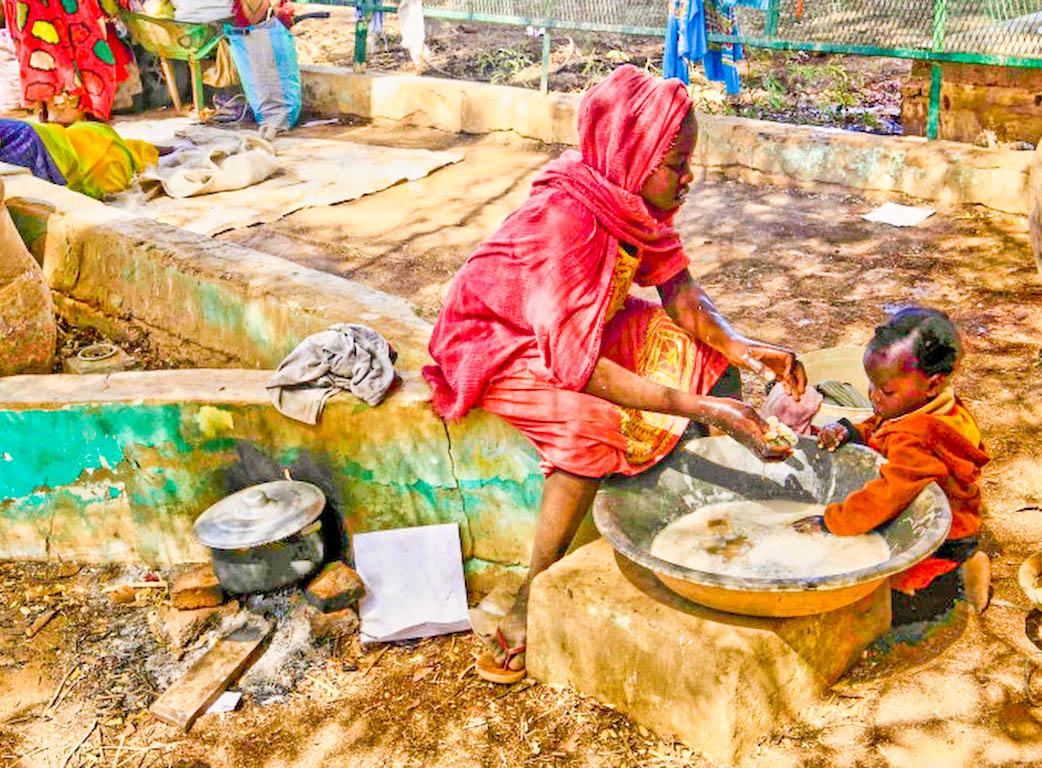 Philosophy has examined, on the one hand, the need to preserve the individual and his or her identity and, on the other, the necessity of building and living within a community. How can the self and [...]
 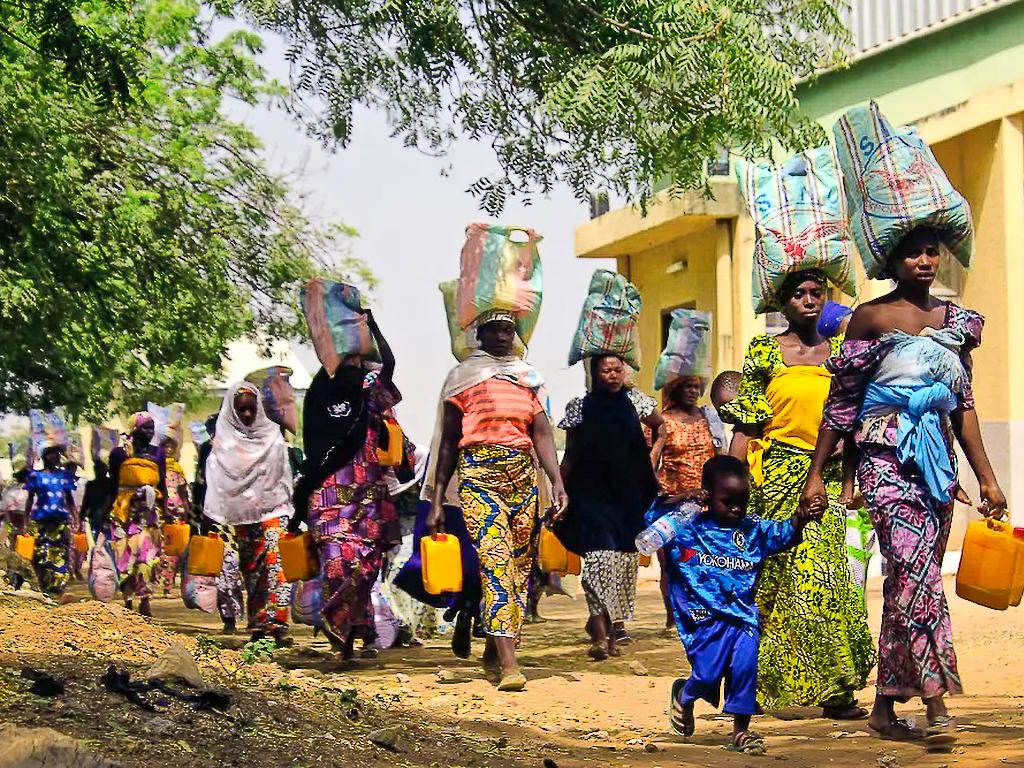 Livelihoods – especially in the rural north – have become increasingly fragile, yet federal and state authorities have failed to provide effective responses to the growing vulnerability. [...]
 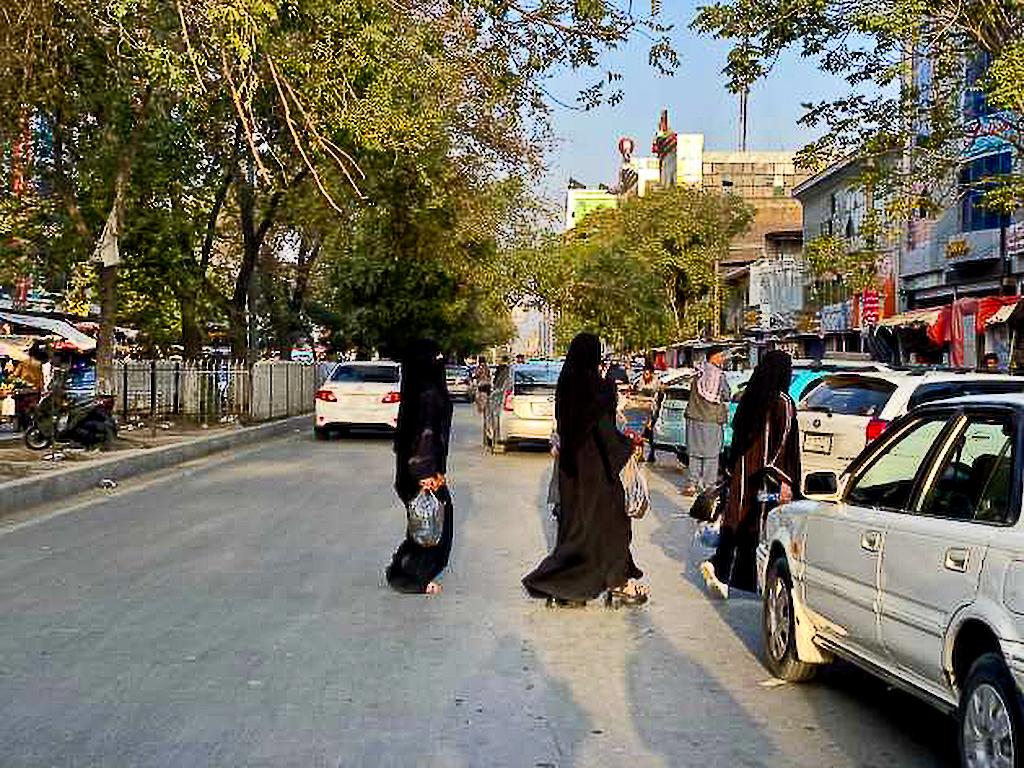 Inside, rusty shelves line the walls, empty soft-drink cans hanging on them add a splash of colour, and an old table covered with a worn cloth stands in a corner. To passers-by, the shopkeeper is a [...]
 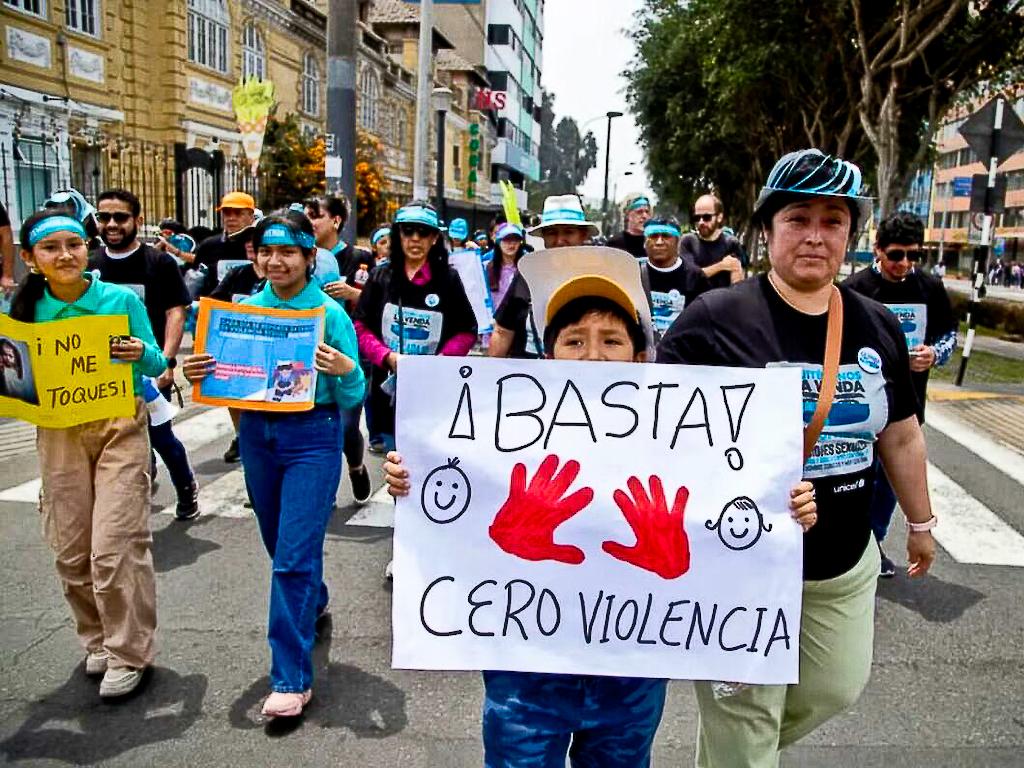 Over a seven-year period, between 2015 and 2022, 53,318 children and young people were killed in Latin America, evidence that violence continues to pose a serious threat to the lives and well-being [...]
 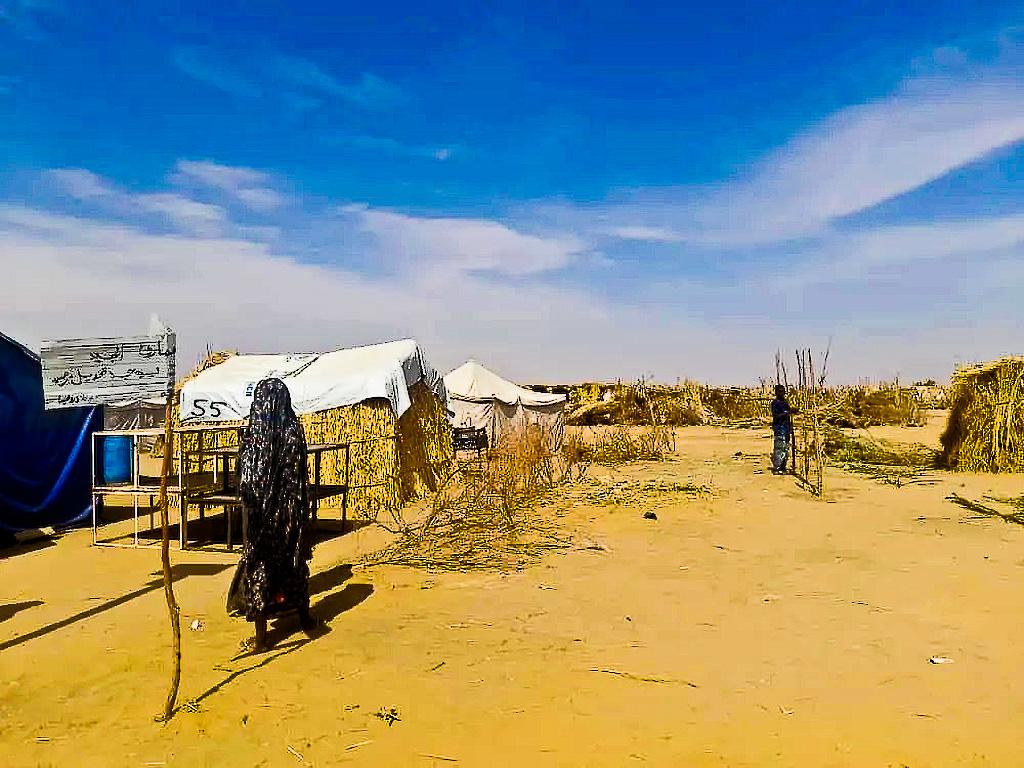 The camp hosts nearly 15,000 people from the western Darfur region who fled attacks by the UAE-backed Rapid Support Forces after the group seized the city of El Fasher on 26 October, killing [...]
 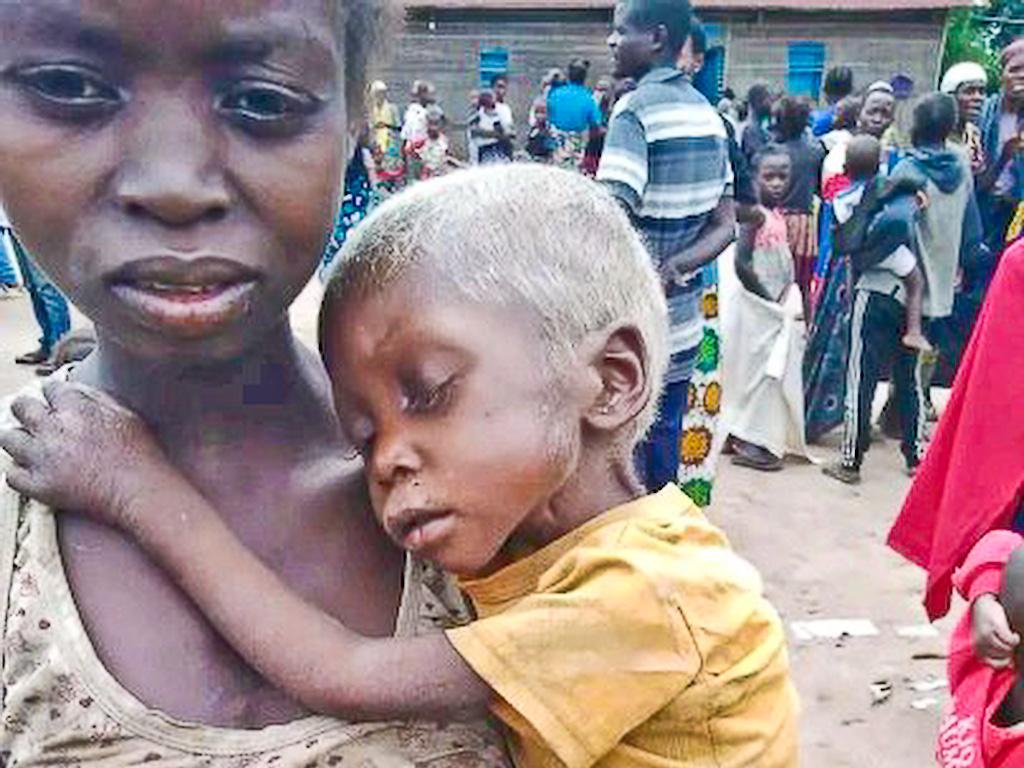 In Christian humanism, the range of the word poverty is very wide. It goes from the despair of those who suffer poverty because of others or through misfortune, to those who freely choose poverty as [...]
 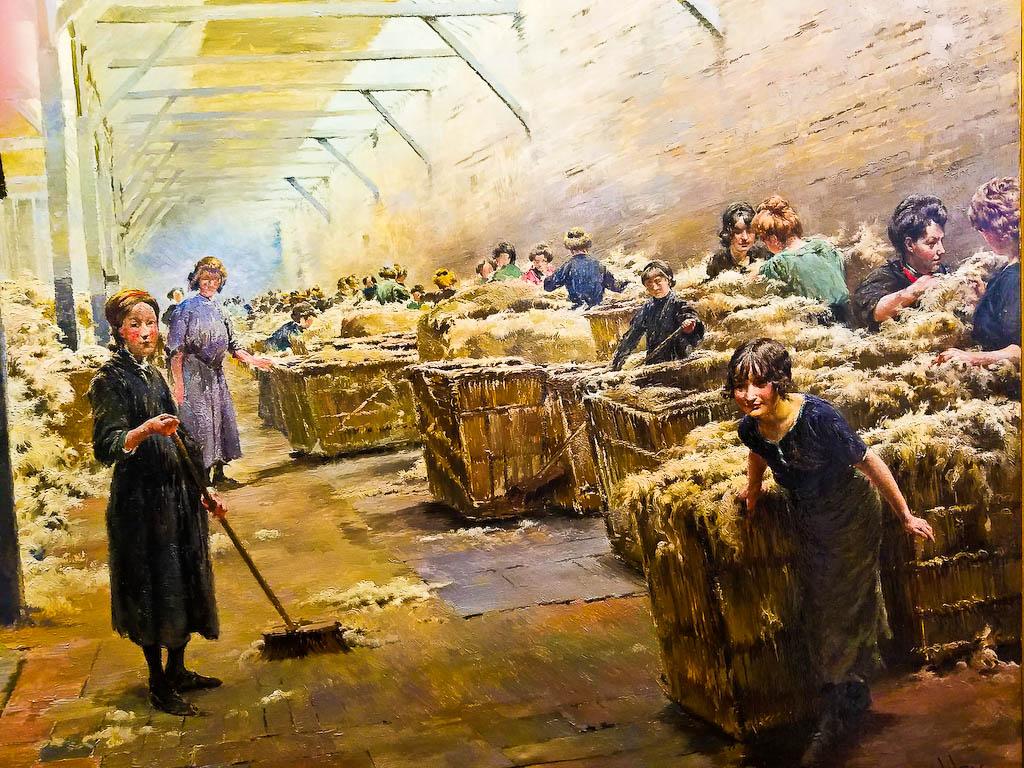 More than 49.6 million people (0.61% of the global population) are subjected to slavery worldwide. To put this grim fact into perspective, if enslaved people were to rally together, they would be the [...]
 Info
Email: jampypezzi@gmail.com - tel. +39 328 732 6990 / +243 991 457 856
This blog is made in 4 languages: it en fr es


 EDitt | Web Agency
Leave a comment