Justice, Peace, Integrity
of Creation
Justice, Peace, Integrity
of Creation
By John Paul Pezzi, Mccj
Justice, Peace, Integrity
of Creation
By John Paul Pezzi, Mccj
Justice, Peace, Integrity
of Creation
By John Paul Pezzi, Mccj
Justice, Peace, Integrity
of Creation
By John Paul Pezzi, Mccj
“Stop Israel”. Also, for the Sake of Israelis
https://lanuovabq.it/ 17.08.2026 Editoriale Translated by: Jpic-jp.orgThe siege of Palestinian villages by Israeli settlers is only the latest in a long series of acts of violence. The Israeli government and military apparatus must be stopped when they cause intolerable devastation, but above all, this chain of horror that makes Israelis and Palestinians prisoners of hatred must be broken, because everyone has the right to live in peace.
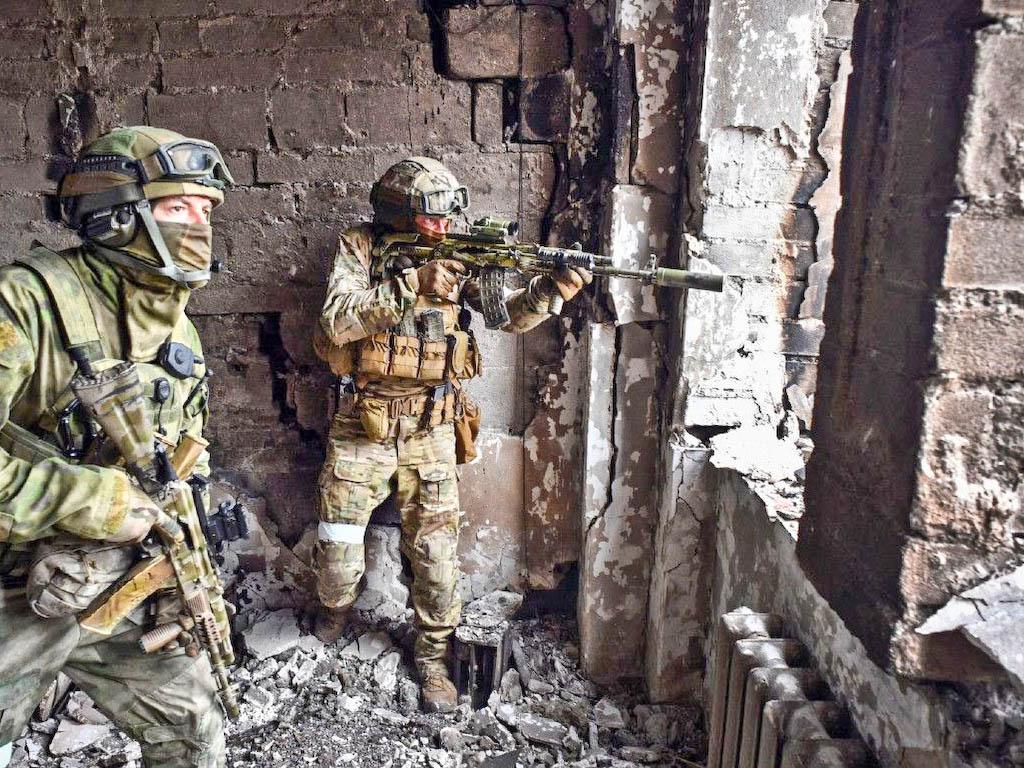
A Palestinian family has been under siege for days, forced to remain locked inside its own home; olive groves have been set ablaze, homes destroyed, and their owners threatened and forced to abandon them. This is what is happening in Palestine, in almost complete silence and, far too often, with a degree of acquiescence towards the Netanyahu government.
“Stop Israel”: this is the cry rising from a country of almost six million people living between the West Bank and the Gaza Strip. At a certain point, words and appeals come to an end; all that remains is reality, made up of deaths, rubble, shattered families, orphans, people forced to flee, devastated hospitals and infrastructure: a population that has been paying far too high a price for far too long. Rivers of words can be written, the most cautious expressions carefully chosen, and refuge can be sought behind diplomatic statements or politically correct formulas, but nothing can erase what is happening before everyone's eyes. Gaza and Palestine are not abstract concepts, nor are they important pieces on a diplomatic chessboard, but places inhabited by real human beings.
But enough is enough. Enough of indifference, enough of normalising horror, enough of the idea that every new victim should be merely another number in a statistic. Behind these figures – which, unfortunately, some people deny – are children who will never see their father or mother again, elderly people who have lost everything, families who no longer have a home, people searching for water, food, medicine or simply a safe place to sleep.
When a tragedy reaches such proportions, merely declaring that one is concerned or hoping for a ceasefire is no longer enough. The international community must act.
Saying “Stop Israel” does not mean condemning Israelis. It does not mean hating Jews. It means demanding an end to the actions of a government and military apparatus when they cause intolerable devastation. It means demanding respect for international law, the protection of civilians, access to humanitarian aid and the establishment of responsibility for violations committed. The security of Israelis is a right. But so is the security of Palestinians. One life is not worth more than another.
Nor can we tell the comforting tale that there is only one kind of suffering. The Israeli victims of Hamas attacks deserve remembrance, respect and justice, and Israelis have the right to live without the terror of attacks. But none of these truths can become a licence to inflict collective suffering on an entire people. One tragedy does not erase another. One crime does not make another crime legitimate. And the pain of an Israeli mother is no more valuable than that of a Palestinian mother.
There is a reality that should deeply challenge every conscience: Palestinian children who have watched their parents die will carry wounds that will be difficult to heal. They will retain the memory of destroyed homes, flight, fear, screams and the lifeless bodies of their loved ones. But there is a risk that this pain will turn into hatred towards those identified as responsible for those deaths, thereby feeding resentment and a desire for revenge among future generations. A child who loses their parents loses part of their future. And a wound of this kind, if it finds neither justice, truth nor a possibility of healing, can turn into bitterness and resentment passed on to the next generation.
But the same principle must apply, without exception, to the other side as well. There are Israeli children who have grown up amid the trauma of attacks, massacres, warnings and fear. They too risk learning that a Palestinian is simply an enemy. And here lies the most terrible trap: every death produces pain, every pain can generate hatred, and every hatred can prepare the ground for another death. It is an infernal mechanism that turns children into heirs to a war they did not choose. If we do not break this chain, what kind of future are we preparing for Palestinian and Israeli children?
And it is precisely when thinking about those children that we must ask what sense there is in talking about awards. The proposal now circulating to award the Nobel Peace Prize to the children of Gaza may be seen as a symbolic gesture, but a prize, however prestigious, does not bring the dead back. It does not rebuild a home. It does not reopen a school. It does not heal a wound. It does not guarantee that a child can sleep without fear.
The Nobel Prize is not what Gaza needs. And if such an initiative serves only to ease the conscience of those who launch it while the tragedy continues, it risks becoming a snapshot of our helplessness. Supporting Gaza means something far more difficult: helping a people to live. It means ensuring security, food, water, healthcare, schools, homes, freedom and a future. It means enabling Palestinians to live in their own land without being crushed by war and oppression.
But it also means having the courage to say it without ambiguity: Palestinians must not be oppressed either by Israeli policies and belligerence or by the violence and repression of Hamas. They must not be forced to choose which fear they will have to endure. They do not need a more benevolent master. They need to be free. This applies to Gaza and to all of Palestine. No peace will be genuine if it is built on the subjugation of a people.
Peace must become a concrete condition of life, the guarantee of a normal life, the right to one's own future. It must mean justice, freedom and dignity for Palestinians, but also security for Israelis. It must mean an end to violence as a permanent instrument of politics. If we truly believe in human rights, they must apply to everyone. If we truly believe in justice, it must apply to everyone. If we say “never again”, that “never again” must include every child who is killed, regardless of their nationality, religion or the flag flying above their home.
There are moments when it is no longer possible to search for comfortable words, for political correctness that will offend no one. There are moments when things must be called by their proper names: the Palestinian people have the right to live, Gaza has the right to live, Palestine has the right to exist. Israel has the right to live.
See, “Fermate Israele”. Anche per il bene degli israeliani
 In Italy, one can say whatever one wishes against our civilization, and even when accusations and criticism are unfounded, those who make them suffer no consequences and are not held accountable. [...]
  Every age has had its principal social classes, those upon which peace, wars, wealth, poverty, rights and happiness depended. In the Middle Ages, they were the aristocrats and the serfs; during the [...]
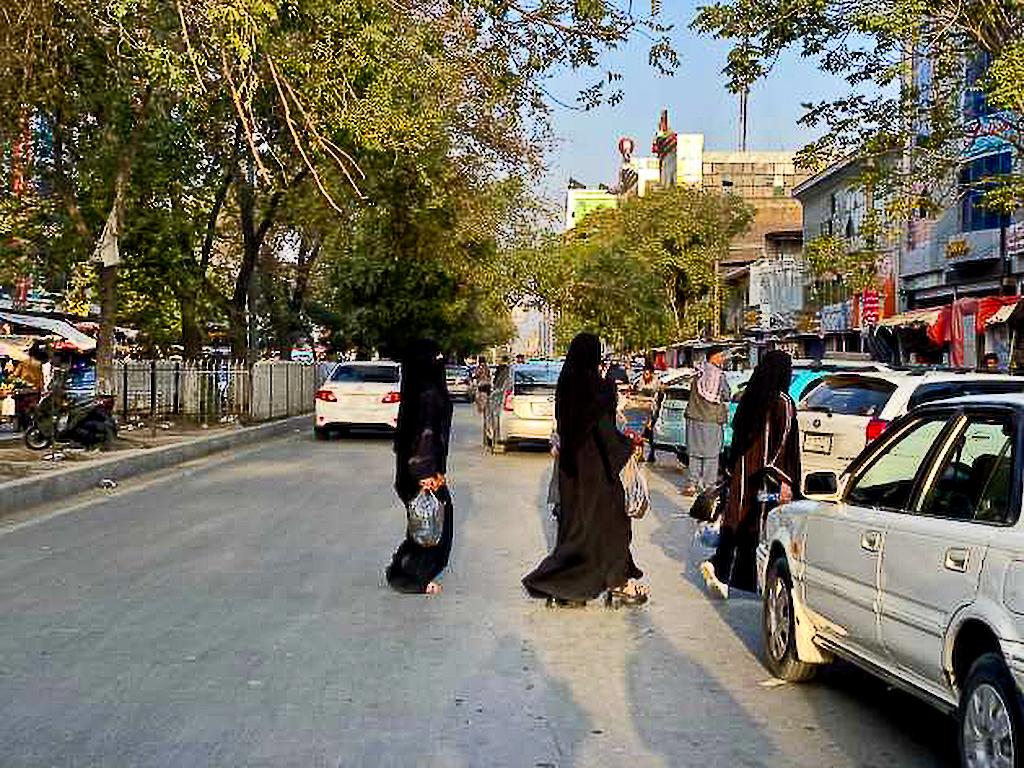
  The Taliban have introduced new laws which, in practice, legalise domestic violence against women and children. Afghanistan’s supreme leader, Mullah Hibatullah Akhundzada, signed a decree in [...]
  Philosophy has examined, on the one hand, the need to preserve the individual and his or her identity and, on the other, the necessity of building and living within a community. How can the self and [...]
 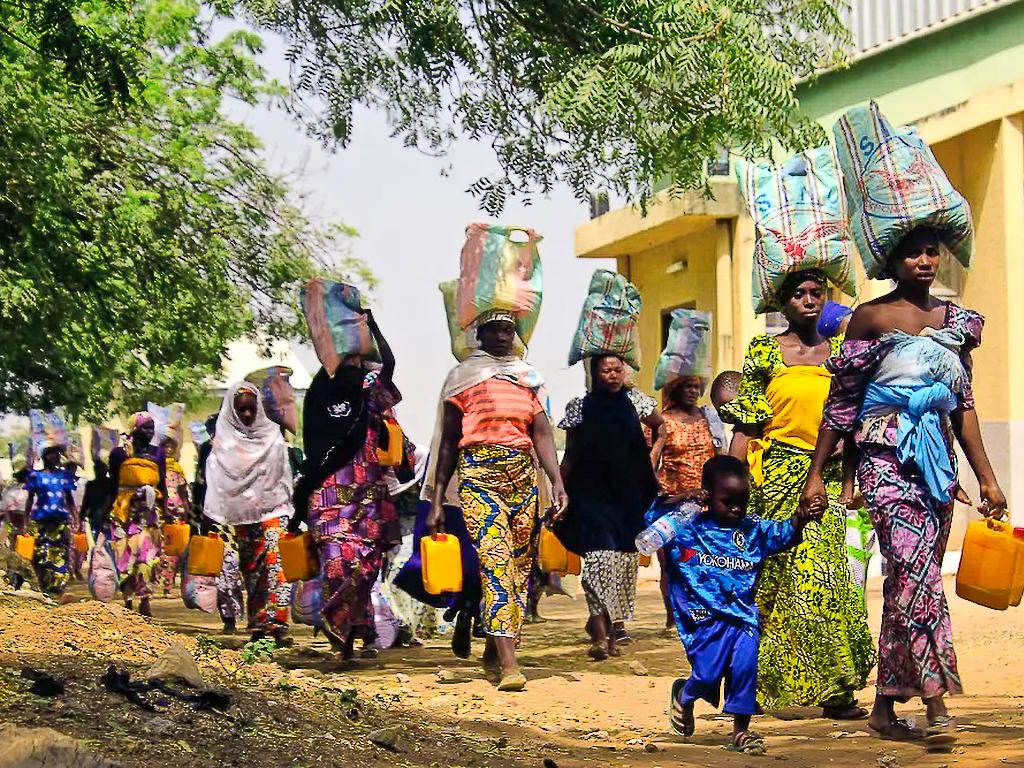 Livelihoods – especially in the rural north – have become increasingly fragile, yet federal and state authorities have failed to provide effective responses to the growing vulnerability. [...]
  Inside, rusty shelves line the walls, empty soft-drink cans hanging on them add a splash of colour, and an old table covered with a worn cloth stands in a corner. To passers-by, the shopkeeper is a [...]
 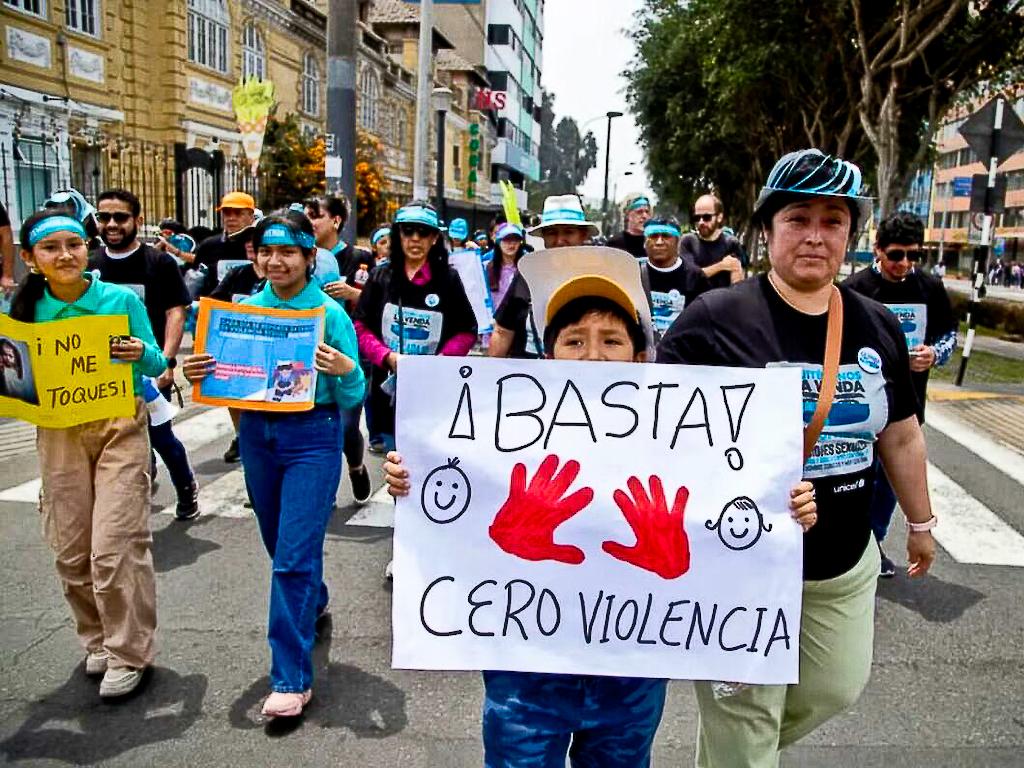 Over a seven-year period, between 2015 and 2022, 53,318 children and young people were killed in Latin America, evidence that violence continues to pose a serious threat to the lives and well-being [...]
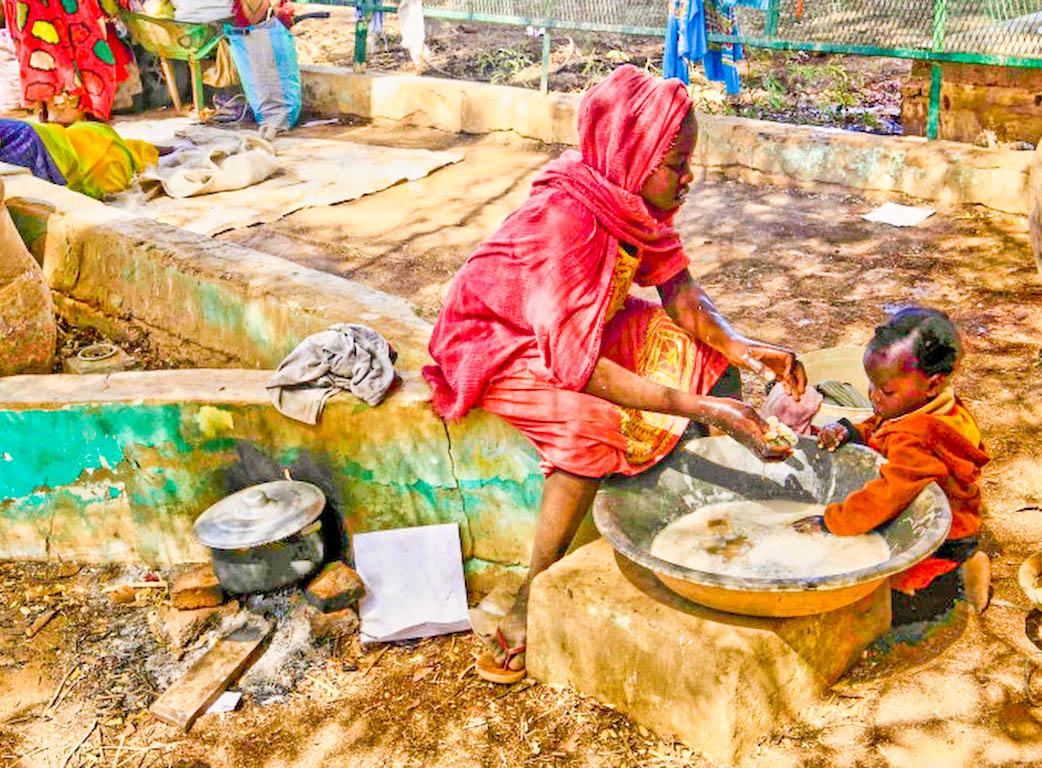
 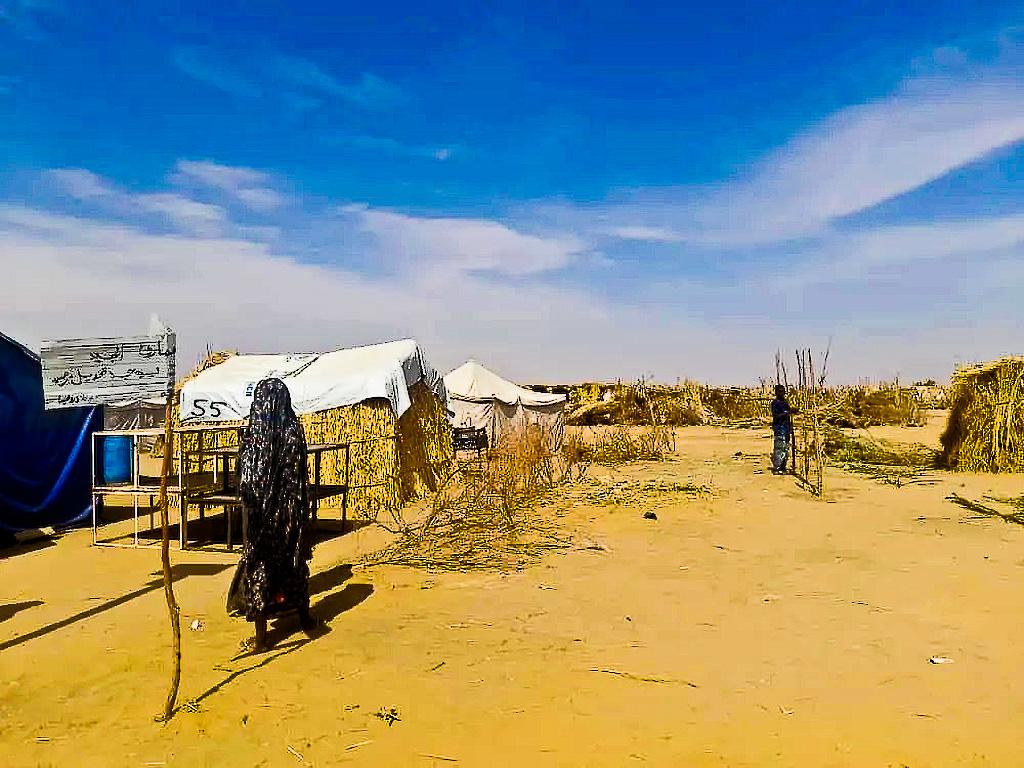 The camp hosts nearly 15,000 people from the western Darfur region who fled attacks by the UAE-backed Rapid Support Forces after the group seized the city of El Fasher on 26 October, killing [...]
 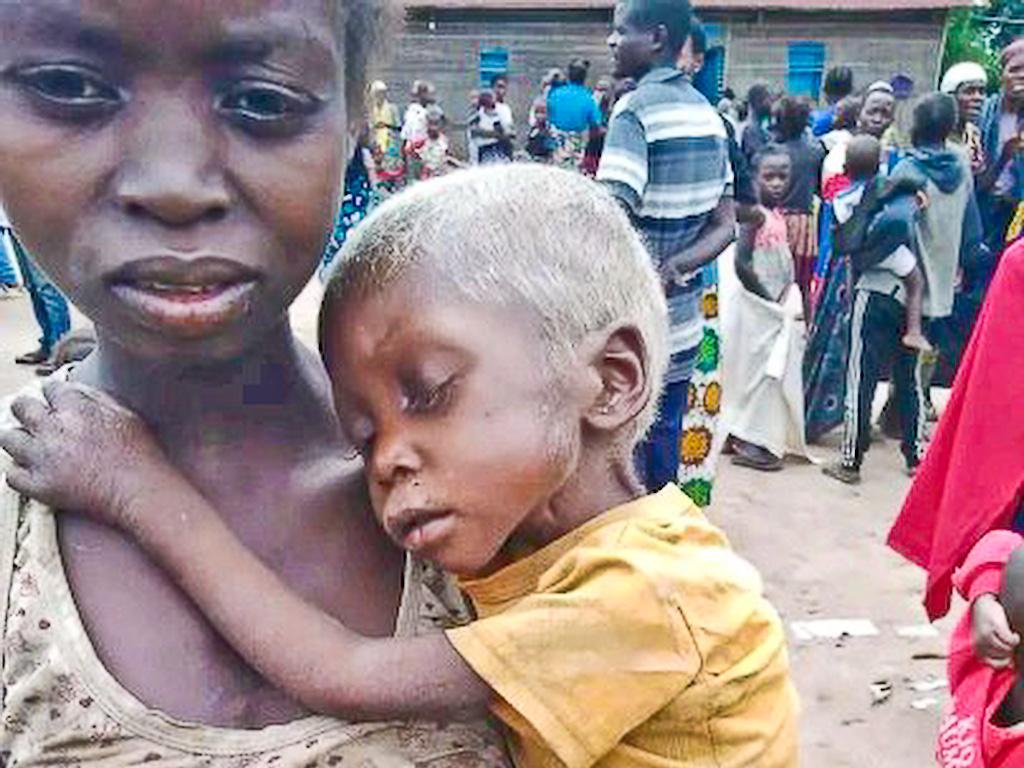 In Christian humanism, the range of the word poverty is very wide. It goes from the despair of those who suffer poverty because of others or through misfortune, to those who freely choose poverty as [...]
 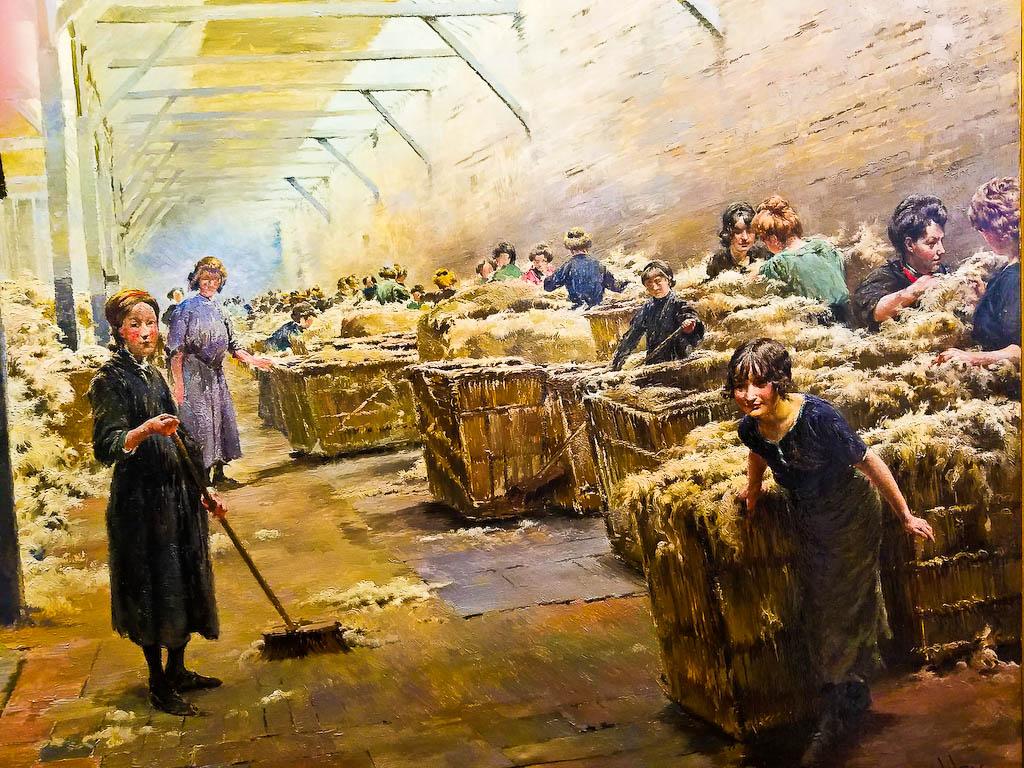 More than 49.6 million people (0.61% of the global population) are subjected to slavery worldwide. To put this grim fact into perspective, if enslaved people were to rally together, they would be the [...]
 Info
Email: jampypezzi@gmail.com - tel. +39 328 732 6990 / +243 991 457 856
This blog is made in 4 languages: it en fr es

 EDitt | Web Agency
Leave a comment