Justice, Peace, Integrity
of Creation
Justice, Peace, Integrity
of Creation
By John Paul Pezzi, Mccj
Justice, Peace, Integrity
of Creation
By John Paul Pezzi, Mccj
Justice, Peace, Integrity
of Creation
By John Paul Pezzi, Mccj

Justice, Peace, Integrity
of Creation
By John Paul Pezzi, Mccj
The forgotten wall that has divided the Sahara in two since 1987
Le Tribunal du Net (TDN) 09.10.2026 Elodie Translated by: Jpic-jp.orgAfter the Great Wall of China, it is the longest defensive structure ever built by man. Seven million anti-personnel mines are still lying beneath the sand, forty years after construction began. Few people know of its existence, yet it literally cuts a territory half the size of France into two hostile camps.
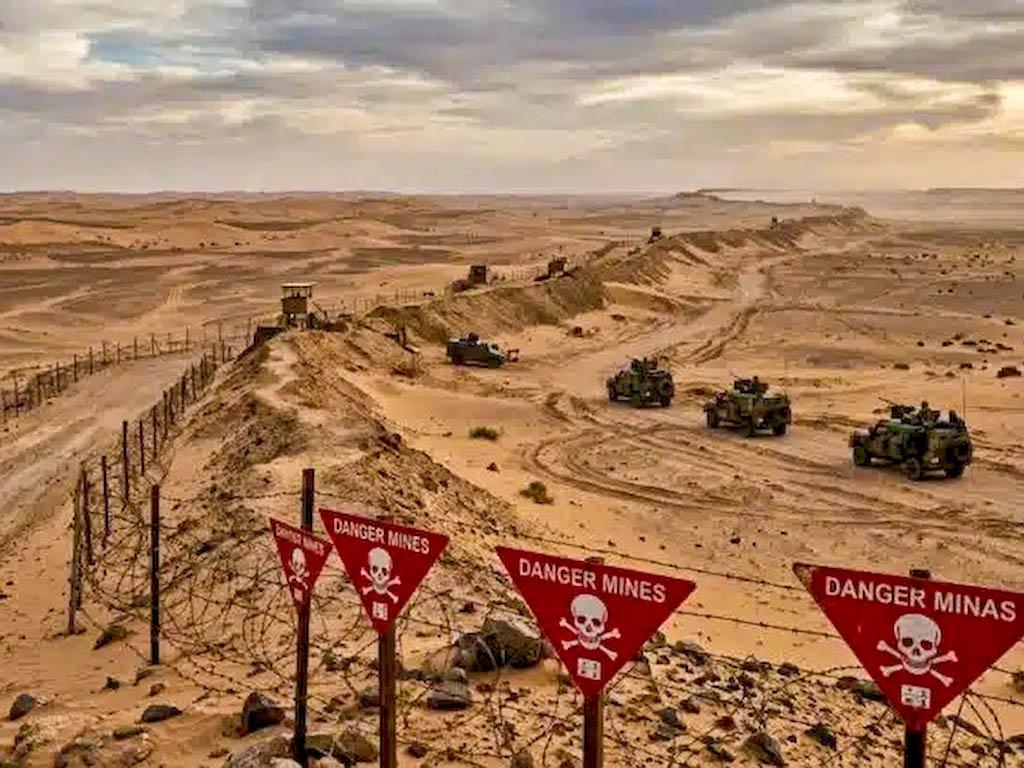
It is a project born out of a war over a desert. It all began with a confrontation near Ouarkziz (Saharan mountain range located across southern Morocco and the far west of Algeria) in 1980. A few weeks later, Morocco launched a colossal construction project in Western Sahara, a disputed territory ever since the Spanish withdrawal in 1975.
Rabat and Mauritania had then divided the area between them, disregarding Sahrawi claims. As in other territorial conflicts that grow increasingly bitter, the military response eventually prevailed over negotiation.
Faced with this annexation, the Sahrawis founded the Polisario Front in 1976 and proclaimed the Sahrawi Arab Democratic Republic. The guerrilla war that followed forced the kingdom to change its strategy: rather than chasing an elusive enemy across the vastness of the desert, it made more sense to seal off part of the territory with an impassable wall.
This logic of total fortification recalls other episodes in which states have preferred to erect physical barriers, rather like certain countries today imposing strict restrictions on movement for strategic reasons.
Six sections, seven years of construction, an ancient technique repurposed
The construction was not completed overnight. Six separate sections were built between 1980 and 1987, each extending the Moroccan line of control a little further.
The sixth and final section, completed between May and September 1985, stretches for 670 kilometres, from south-west of Amgala to the Atlantic Ocean. The final 550-kilometre section completed the system in 1987 by reaching Guerguerat.
One detail is surprising: the earthworks technique is said to have originated from a traditional Moroccan agricultural method used to protect palm trees from flooding by surrounding them with raised banks of sand. A farming technique, repurposed on the scale of an entire continent.
The result: between 2,700 and 2,720 kilometres of earthworks, barbed wire and trenches, rising to an estimated three metres in some places: a forgotten wall that has divided the Sahara in two since 1987. This is a long way from the simple decorative finishes used in our interiors: here, the earthworks serve a purely military purpose, designed to last for decades.
100,000 soldiers, radar, and a third of the territory still disputed
This wall, known to specialists as the “Berm”, is not merely a pile of sand. It is a complete military system: earthworks arranged in two or three lines, minefields, bunkers, artillery positions and airstrips, all covered by a radar network capable of detecting movement several dozen kilometres away.
The human surveillance operation is on the same scale as the structure itself: around 100,000 Moroccan soldiers, a figure that some sources put as high as 120,000 personnel permanently deployed.
The system achieved its objective: since the beginning of the 1990s, Morocco has controlled more than two-thirds of Western Sahara. A ceasefire negotiated under the auspices of the United Nations came into force in 1991, bringing fifteen years of open warfare to an end, before collapsing abruptly in November 2020.
But the real cost of this wall is still being paid today, far from the radar and soldiers. Between 1975 and 2013, at least 2,500 people were killed or injured by mines and explosive remnants of war linked to the conflict, including 151 victims between 1999 and 2008 alone, according to data compiled by several specialist researchers. UN demining operations, suspended after the breakdown of 2020, resumed only in May 2023 east of the wall, and then in January 2024 on the southern side, a timetable that contrasts with official figures frequently disputed on the ground.
Seven million mines for a wall that most French people have never seen on a map: this is the silent price of a border drawn in the sand in the middle of the Cold War. The desert continues to advance over the trenches, but the mines do not disappear.
See: 2 700 km de sable et 7 millions de mines : le mur oublié qui coupe le Sahara en deux depuis 1987
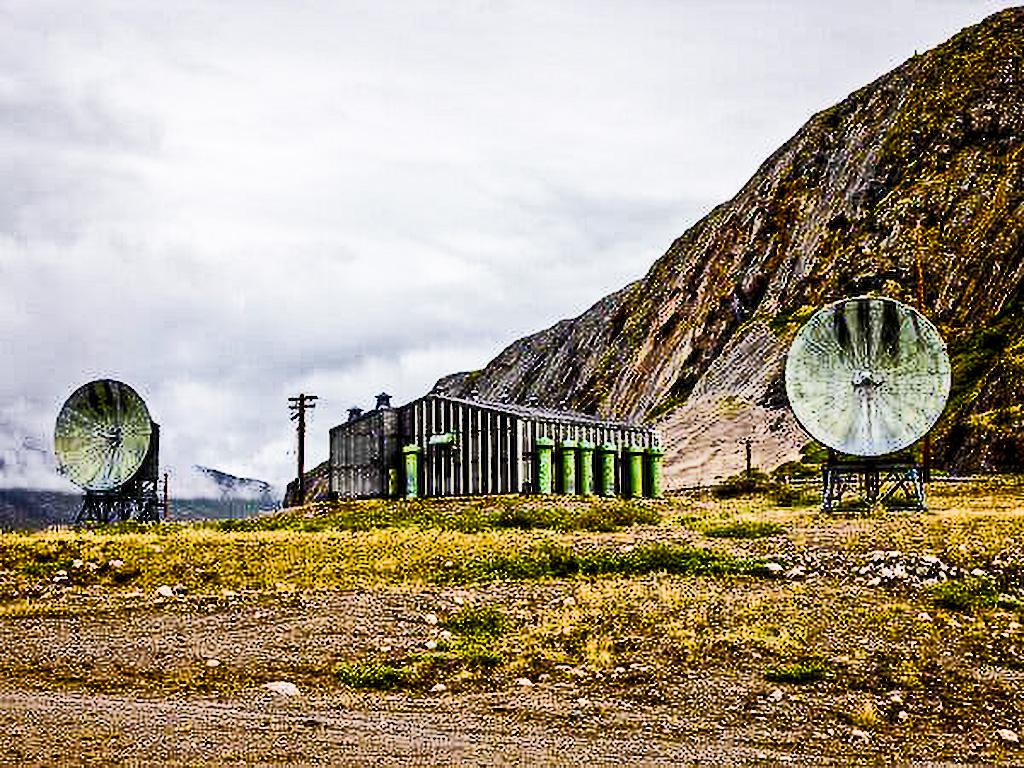 He seems increasingly fixated on the idea that the United States should take over this gigantic icebound island, with one official saying the president wants to buy it and another suggesting that the [...]
 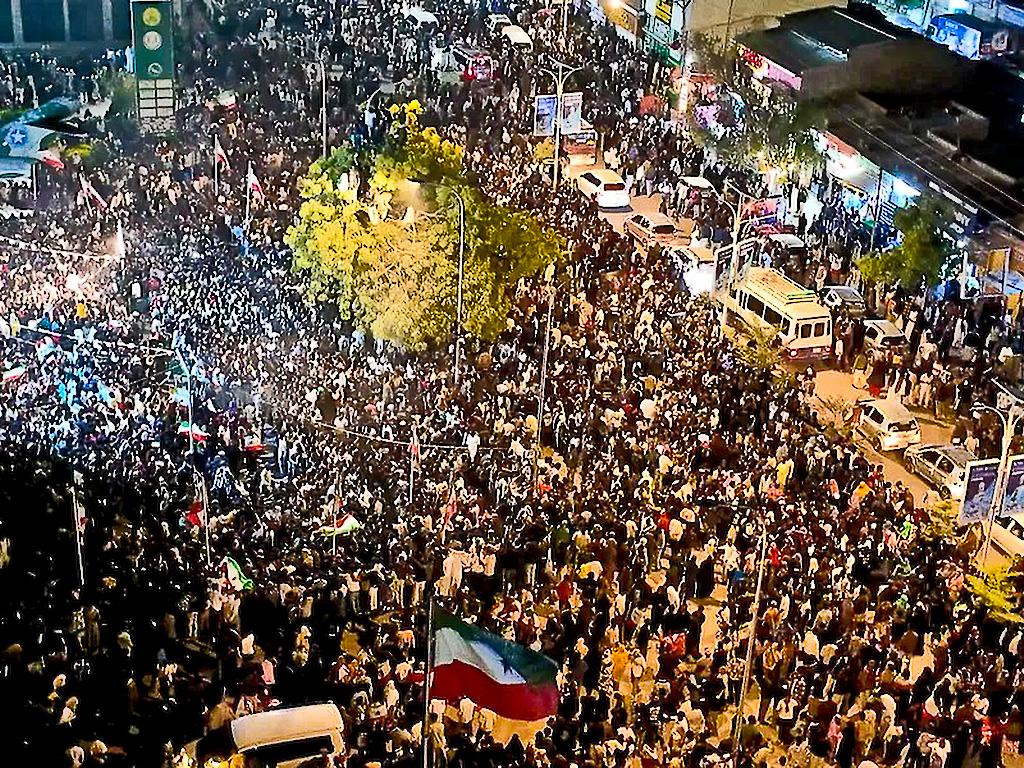 On 26 December 2025, Israel officially recognised Somaliland as an independent state, becoming the first country in the world to do so — a move that breaks a long-standing diplomatic taboo. [...]
  What difference is there between the Holy See and Palestine? According to the UN, none, since on 29 November last year the General Assembly elevated, by an overwhelming majority (138 in favour, 9 [...]
 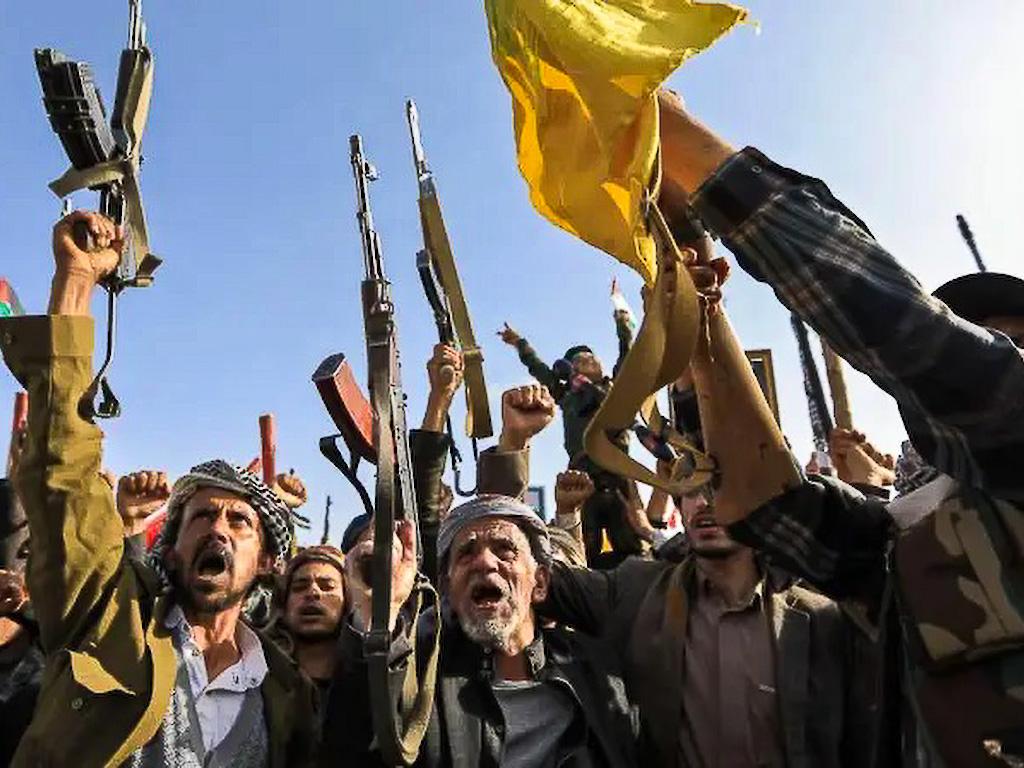 Self-proclaimed members of the “axis of resistance”, a term referring to armed groups hostile to Israel aligned with Iran, the Yemeni Houthis have claimed, since October 7, 2023, multiple [...]
 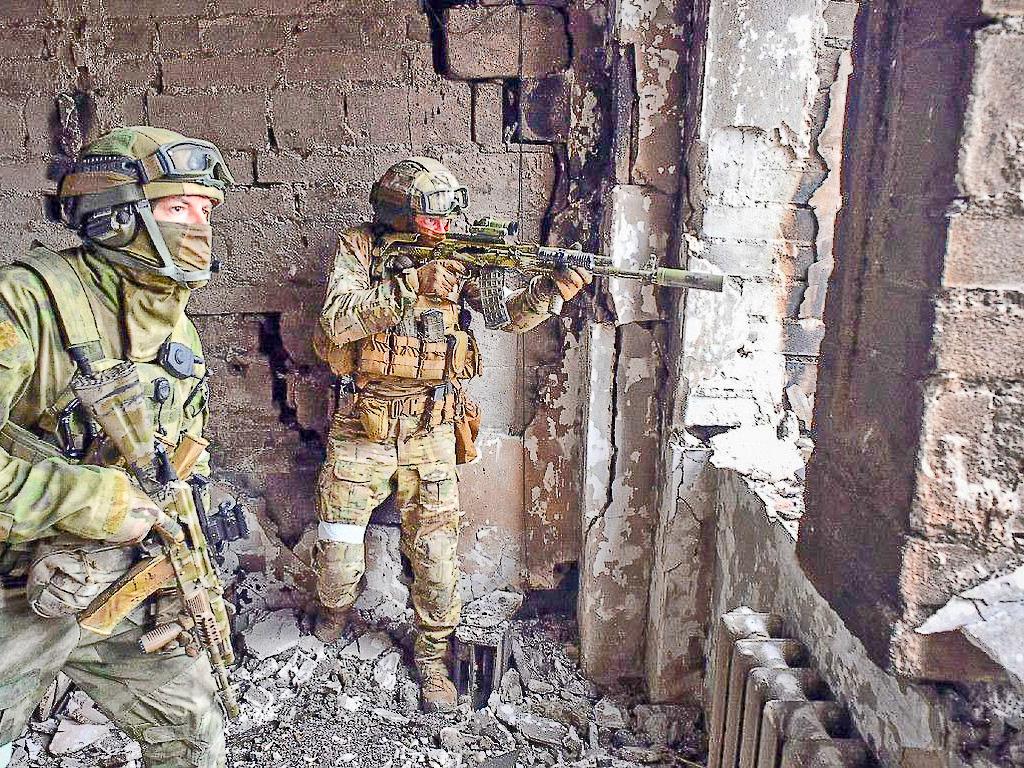 Israel’s National Security Minister, Itamar Ben Gvir, could not have been clearer in stating his goal: “A total suspension of humanitarian aid.” He justified his words as follows: [...]
  In response to the tragedy of Gaza, many react to the culpable loss of proportion in the Netanyahu government’s reaction by treating Israel as a foreign body rather than as a founding member of [...]
 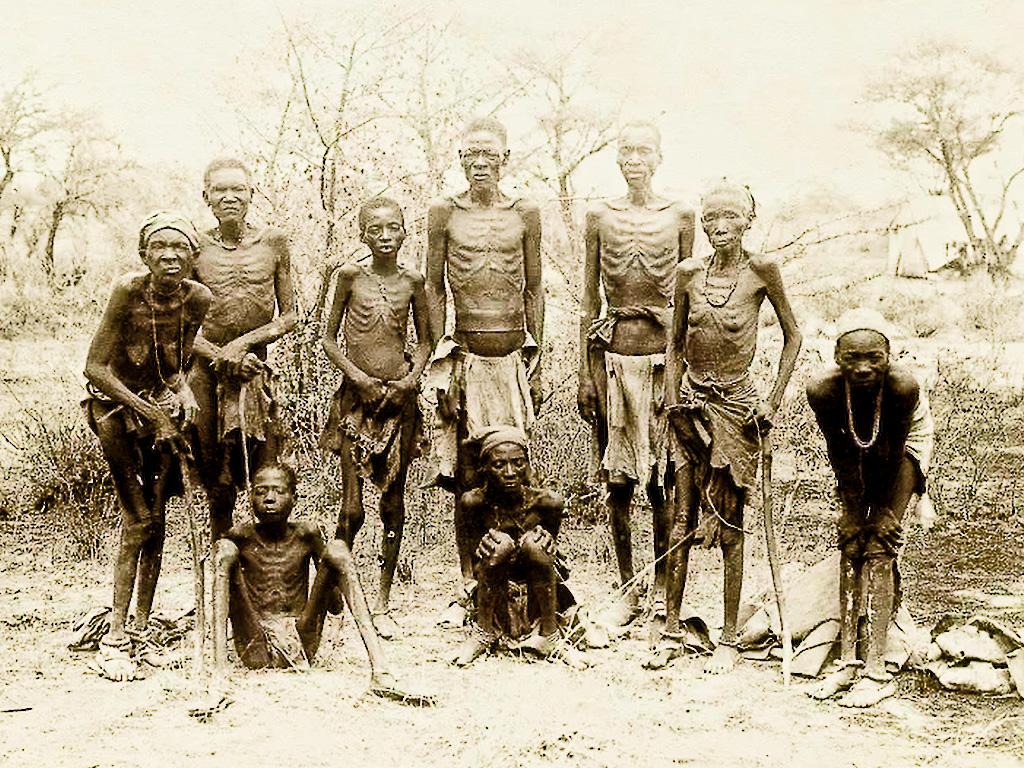 On the 2nd October of 1904, German General Lothar von Trotha, head of the military administration in colonial Namibia, ordered the extermination of the Herero and Nama peoples. That order marked the [...]
 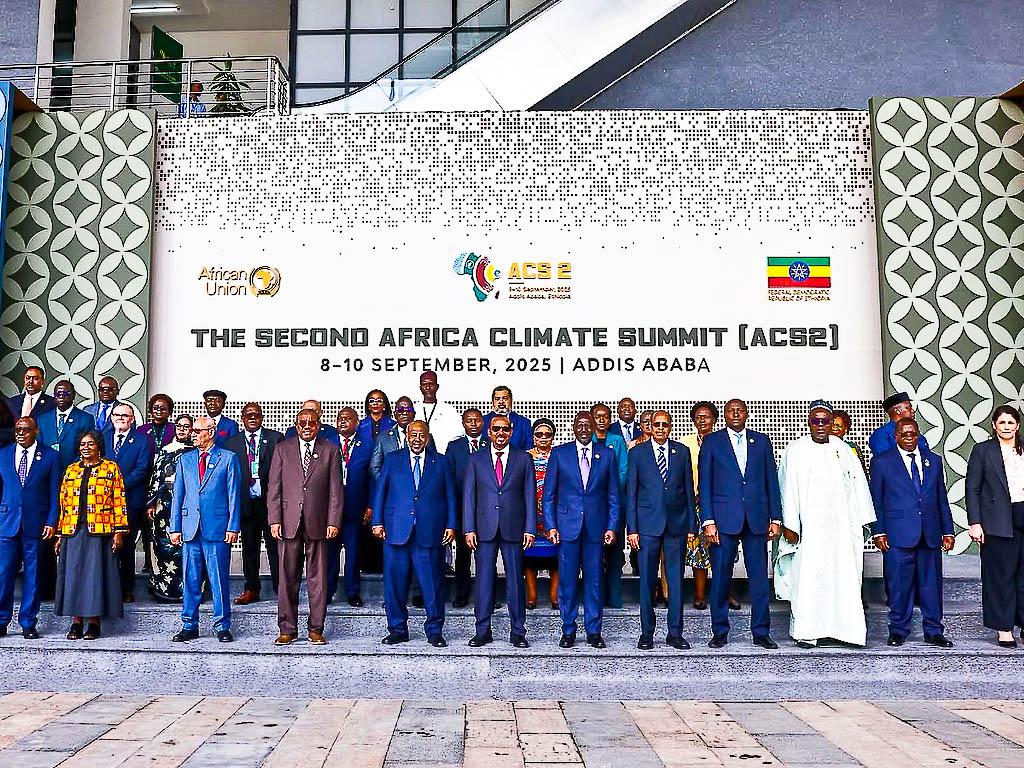 The second African Union Climate Summit (ACS2) has ended in Addis Ababa, Ethiopia. This preparatory meeting was held ahead of the United Nations Climate Change Conference (COP30), scheduled in Belem, [...]
 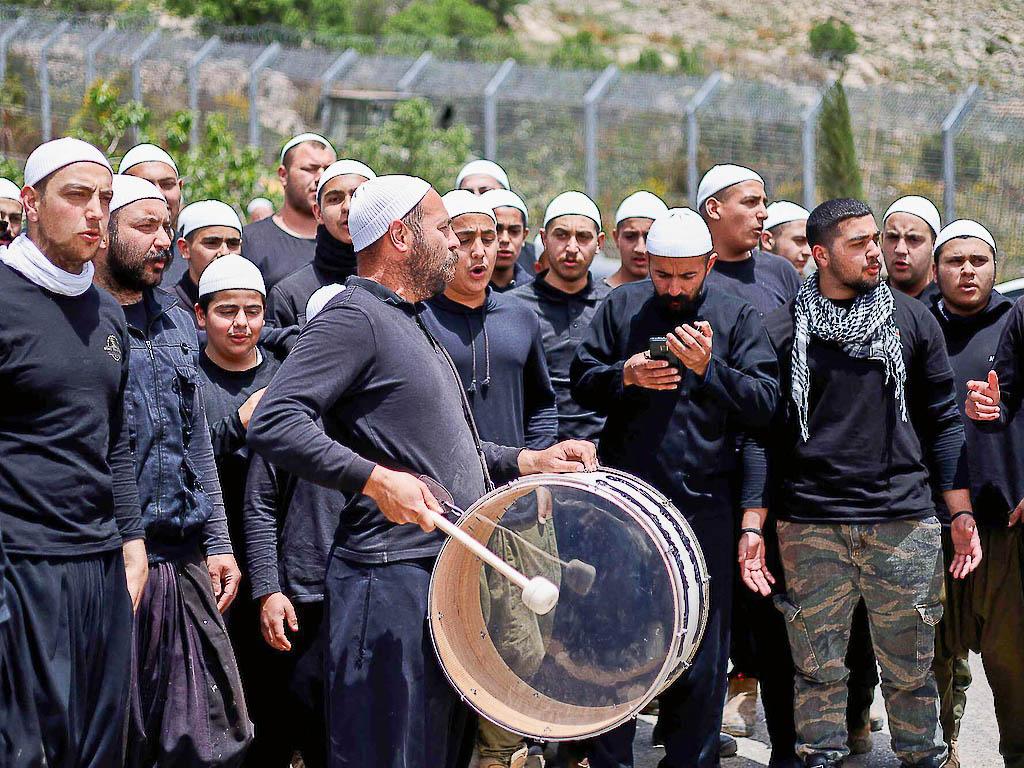 The massive raids carried out by Israeli air forces against Syrian army convoys of armored vehicles and heavy weaponry near and within Sweida, as well as strikes against the Ministry of Defense, the [...]
  Citing records uncovered by a foreign research institute, various European media outlets report that “millions of euros in funding” from OSF have gone to groups that “function as [...]
 Info
Email: jampypezzi@gmail.com - tel. +39 328 732 6990 / +243 991 457 856
This blog is made in 4 languages: it en fr es


 EDitt | Web Agency
Leave a comment