
Justice, Peace, Integrity
of Creation
Justice, Peace, Integrity
of Creation
By John Paul Pezzi, Mccj
Justice, Peace, Integrity
of Creation
By John Paul Pezzi, Mccj
Justice, Peace, Integrity
of Creation
By John Paul Pezzi, Mccj
Justice, Peace, Integrity
of Creation
By John Paul Pezzi, Mccj
UNGA 81: Reform, Transform or Die?
Butembo 03.10.2026 Jpic-jp.org Translated by: Jpic-jp.org“Reform, transform or die”: the phrase uttered several months ago by former General Assembly President María Fernanda Espinosa seems to have found confirmation at the 81st session of the United Nations, more than ever relevant today. New York’s High-Level Week revealed a multilateral system under severe pressure, but also the enduring conviction that the United Nations remains indispensable. A review of the 2026 United Nations General Assembly.
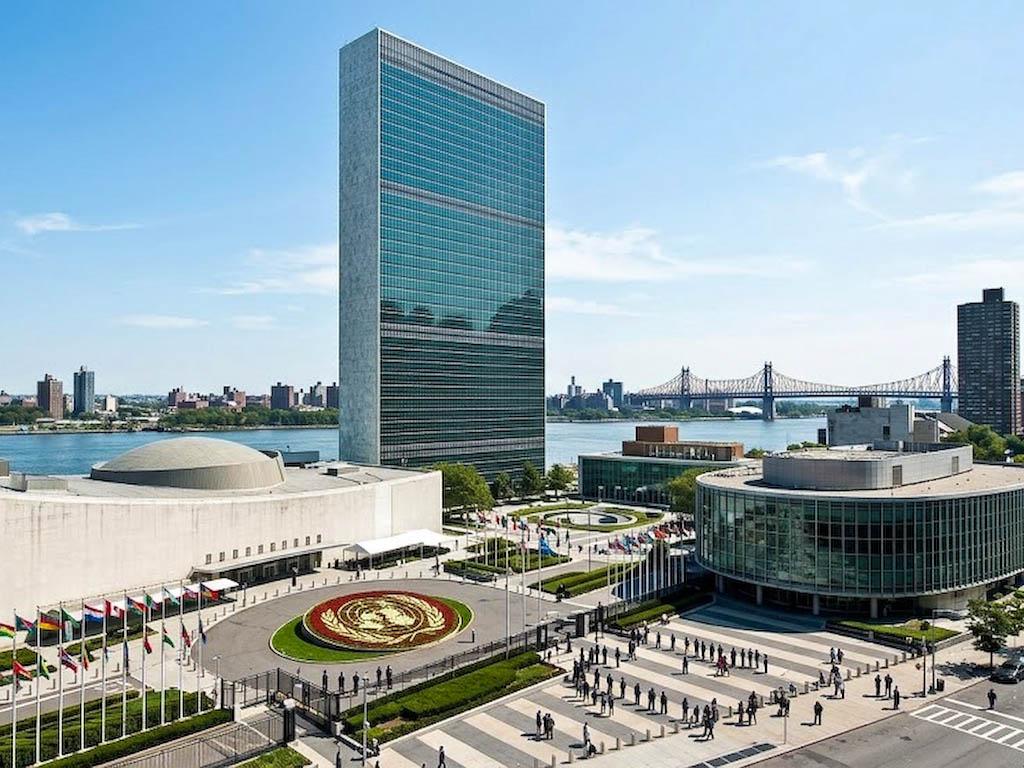
When the general debate of the 81st United Nations General Assembly opened on 22 September 2026, the President of the Assembly, Bangladesh’s Khalilur Rahman, posed the question at the heart of the week: “Outside these walls, people are not asking whether the United Nations still exists. They are asking whether it works.” The theme chosen for the session — “Restoring Trust, Managing Transformation: A United Nations That Delivers for All” — was therefore not a diplomatic slogan, but the very issue governments were being called upon to address.
The outcome of the week, which concluded on 28 September, was mixed. On the one hand, nearly 200 delegations reaffirmed that peace, international law, sustainable development, human rights and multilateral cooperation remain indispensable. On the other, conflicts, geopolitical divisions, the climate crisis, inequalities, financial pressure on the UN and the rapid pace of technological transformation demonstrated just how difficult it is to translate these principles into effective decisions.
A crisis of trust that also concerns the UN
Opening the debate, Secretary-General António Guterres described a world in which “the fault lines are widening”: protracted wars, civilians under attack, human rights trampled upon, hunger used as a weapon, humanitarian workers killed, international law cast aside, growing inequalities and a climate crisis that has become part of everyday life. Added to all this is artificial intelligence, whose development has outpaced the ability of institutions to govern it.
President Rahman emphasised the same point: trust cannot simply be demanded; it must be earned through credible decisions, honoured commitments and tangible results. At the close of the general debate on 28 September, he observed that the word most frequently used in governments’ statements had been “peace” — not as a distant aspiration, but as a defence of the UN Charter, international law and the protection of civilians. He recalled Gaza, Myanmar, Sudan, Ukraine and the plight of the Rohingya as different manifestations of the same international crisis.
Perhaps the most significant conclusion is precisely this: the UN’s problem is not merely its ability to adopt resolutions, but its ability to turn them into real change. As Rahman put it, the true test of multilateralism is whether collective action can change realities on the ground.
Reforming the UN: still a promise, not yet a turning point
Reform of the United Nations remained one of the central themes of the week. Many governments called for an organisation that is more representative and better able to respond to the geopolitical realities of the 21st century. The African demand for permanent representation on the Security Council was particularly forceful.
In his closing address, Rahman described Africa’s exclusion from the permanent seats as “a persistent injustice” and stressed that no reform programme, including the UN80 initiative, could be considered complete without addressing this issue. Nigeria, among other African countries, reiterated the call for at least two permanent seats for Africa, with veto power for as long as that right continues to exist.
Yet the High-Level Week produced no decision capable of bringing about a concrete change in the composition of the Council. Reform therefore remains an open political process.
The same applies to the UN’s internal transformation. The UN80 initiative, launched on the Organisation’s 80th anniversary, aims to reduce duplication, improve efficiency and adapt the United Nations’ machinery to new financial and geopolitical conditions. But Rahman stressed that administrative reform cannot replace political reform: changing structures and cutting costs are not enough if Member States’ ability to reach shared decisions does not also improve.
Wars and humanitarian crises: the great unresolved failure
War remained in the background — and often at the centre — throughout the week. Gaza featured prominently in many statements, alongside the wars and crises in Ukraine, Sudan and Myanmar, as well as the situation of the Rohingya. Guterres urged leaders to use the diplomatic week to promote de-escalation and dialogue, stressing that force must not become the ultimate arbiter of people’s rights and future.
The problem is that the UN continues to face a contradiction between the central importance of the Charter and the difficulty Member States have in applying its principles consistently. The Assembly presidency itself stressed that international law, international humanitarian law and the protection of civilians cannot be applied selectively if confidence in the multilateral order is to be restored.
In this respect, the 81st General Assembly did not resolve the major ongoing wars. It did, however, make clear that the UN’s credibility will increasingly depend on its ability to bridge the gap between declarations and the effective protection of populations.
Climate, sea levels and development: some tangible results
On climate, the week produced at least one significant institutional outcome. On 24 September, the General Assembly adopted a Political Declaration on Sea-Level Rise, recognising the phenomenon as not merely an environmental issue, but also a humanitarian, economic, development and security concern.
The figures cited during the meeting illustrate the scale of the challenge: the global mean sea level is now rising at more than twice the rate recorded during the early years of satellite observations; around 900 million people live in low-lying coastal areas, and more than one billion could be exposed to coastal risks by 2050.
The right to development was also brought back into focus on the 40th anniversary of the 1986 Declaration. President Rahman stressed that development means more than economic growth: it means enabling people to live with dignity, exercise their rights and participate in decisions affecting their future. The technological frontier is also opening up: developing countries must not be confined to consuming the technologies of the future; they must be able to help shape the rules and priorities governing them.
As for the Sustainable Development Goals, the picture remains difficult. The 2026 UN report indicates that only 36% of the 139 targets for which trend data are available are on track or showing moderate progress. Debt, conflict, inequalities and climate shocks continue to slow the implementation of the 2030 Agenda.
A lesson from the pandemic: health is a global public good
On 25 September, the General Assembly devoted a day to pandemic prevention and preparedness. In the wake of COVID-19, the aim was to turn the lessons of the pandemic into lasting commitments.
The meeting led to the adoption of a new political declaration on pandemic prevention, preparedness and response, based on cooperation, equity and solidarity. The declaration highlights the need to strengthen health systems, national and local capacities, surveillance and equitable access to health tools.
One decisive element, however, remains to be completed: the Pathogen Access and Benefit Sharing (PABS) system, which is necessary to make the WHO pandemic agreement fully operational. WHO Director-General Tedros Adhanom Ghebreyesus stressed the need to conclude the negotiations swiftly.
Artificial intelligence: the new frontier of governance
Another cross-cutting issue was artificial intelligence. The discussion went beyond the economic opportunities offered by this new technology to raise a fundamental political question: who decides the rules governing AI, who benefits from it, who bears the risks, and who is held accountable when it causes harm?
In his final assessment of the week, Rahman stressed the need for human-centred, inclusive AI governance that takes account of the needs of developing countries. He also warned of the risk of a new global divide in which a handful of countries and companies control the data, computing power and rules that will shape everyone’s future.
The process, however, is only just beginning. The UN has already established new AI governance mechanisms, including the Global Digital Compact, the independent international scientific panel and the Global Dialogue on AI Governance. The President of the General Assembly identified 2027 as a further milestone in the debate.
Durban and the fight against racism
On 28 September, the final day of the High-Level Week, the General Assembly commemorated the 25th anniversary of the Durban Declaration and Programme of Action against racism, racial discrimination, xenophobia and related intolerance.
President Rahman called for a shift from declarations to funded national action plans, from promises to measurable results, and from impunity to justice. The commemoration therefore sought to turn an anniversary into a renewed political commitment.
So, “reform, transform or die”?
The 81st General Assembly did not deliver the major reform of the UN that many consider necessary. It did not resolve the wars, bridge the gap between the Global North and the Global South, reform the Security Council or automatically restore confidence in the multilateral system.
But it did achieve something important: it placed these problems firmly at the centre of the debate.
The message emerging from New York is that the UN cannot survive simply by defending its existing structures. It must demonstrate that it can act in a world profoundly different from that of 1945: a world of protracted wars, climate crises, inequalities, migration, new technologies and an ever-growing number of centres of power.
María Fernanda Espinosa’s phrase — “reform, transform or die” — therefore remains a provocation, not a verdict. The General Assembly itself has shown that States do not want to abandon the United Nations. But they have also acknowledged, in different ways, that the Organisation must change.
President Rahman closed the debate with a statement that could serve as a summary of the entire week: dialogue can be difficult and frustrating, “but it is always better than a world in which we stop talking and take up arms”. The real test now will not be what was said in New York, but what States do when they return to their capitals and resume negotiations at the UN.
The High-Level Week is over. The challenge of turning renewed confidence into tangible results has only just begun.
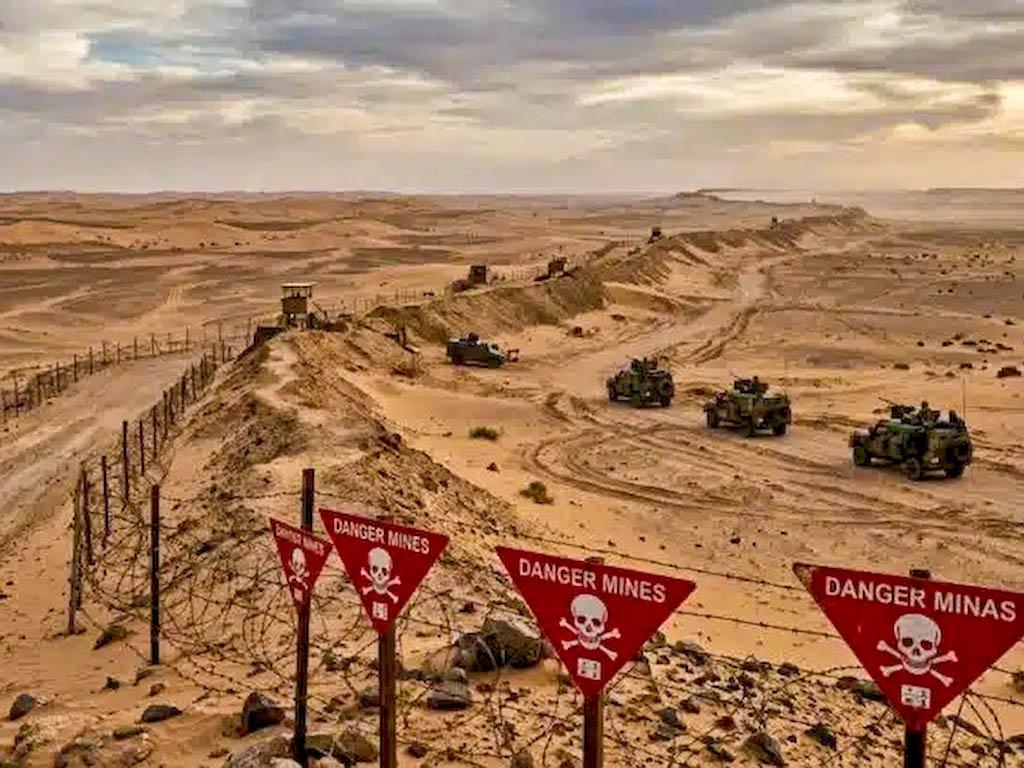 It is a project born out of a war over a desert. It all began with a confrontation near Ouarkziz (Saharan mountain range located across southern Morocco and the far west of Algeria) in 1980. A few [...]
 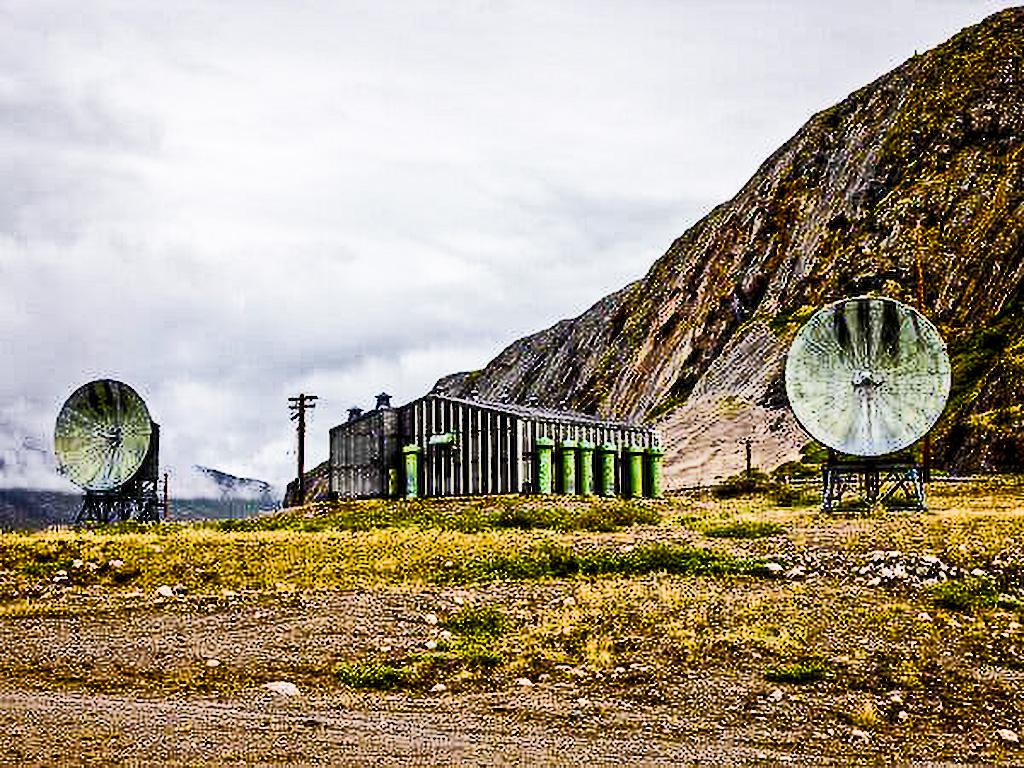 He seems increasingly fixated on the idea that the United States should take over this gigantic icebound island, with one official saying the president wants to buy it and another suggesting that the [...]
 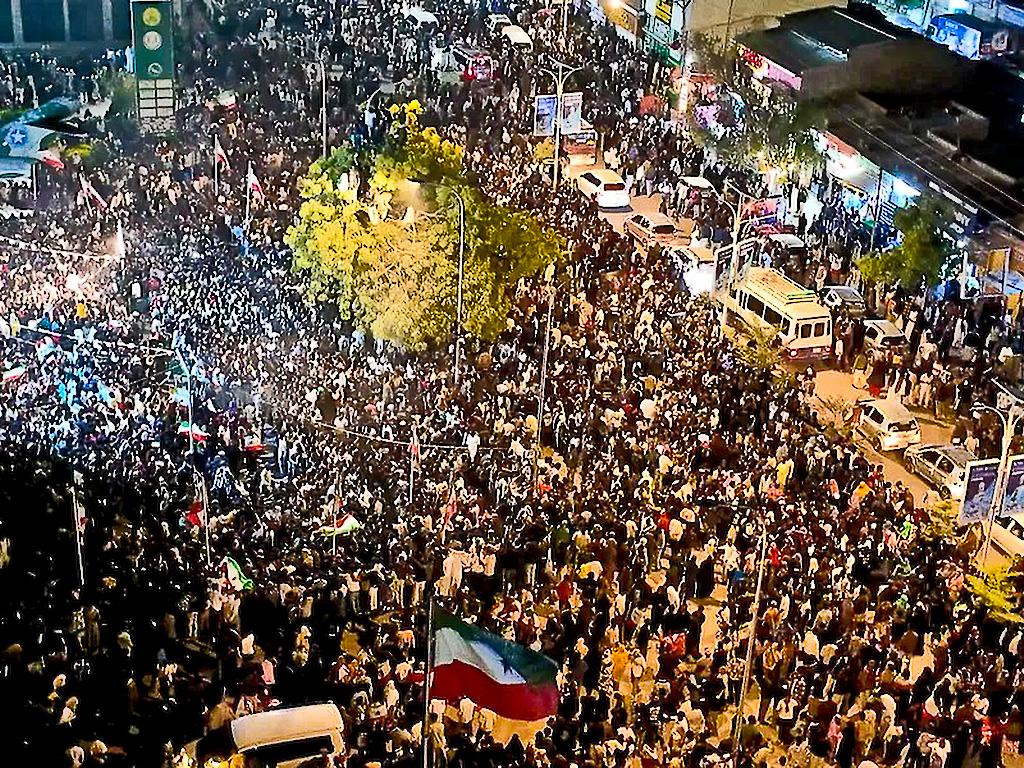 On 26 December 2025, Israel officially recognised Somaliland as an independent state, becoming the first country in the world to do so — a move that breaks a long-standing diplomatic taboo. [...]
 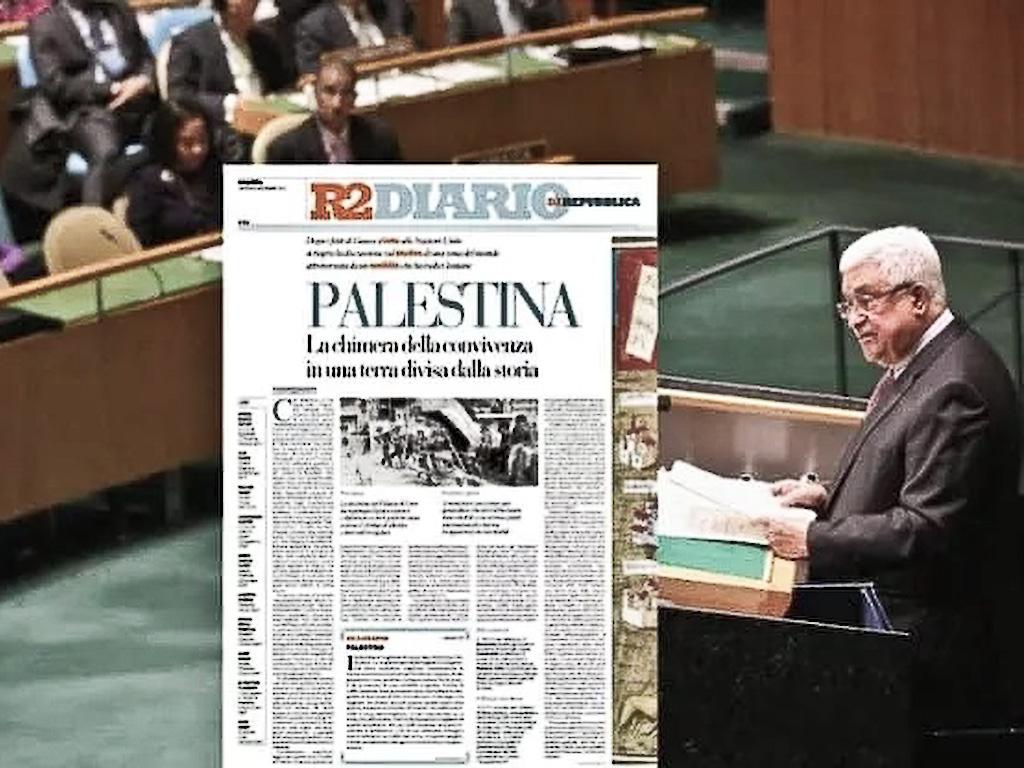 What difference is there between the Holy See and Palestine? According to the UN, none, since on 29 November last year the General Assembly elevated, by an overwhelming majority (138 in favour, 9 [...]
 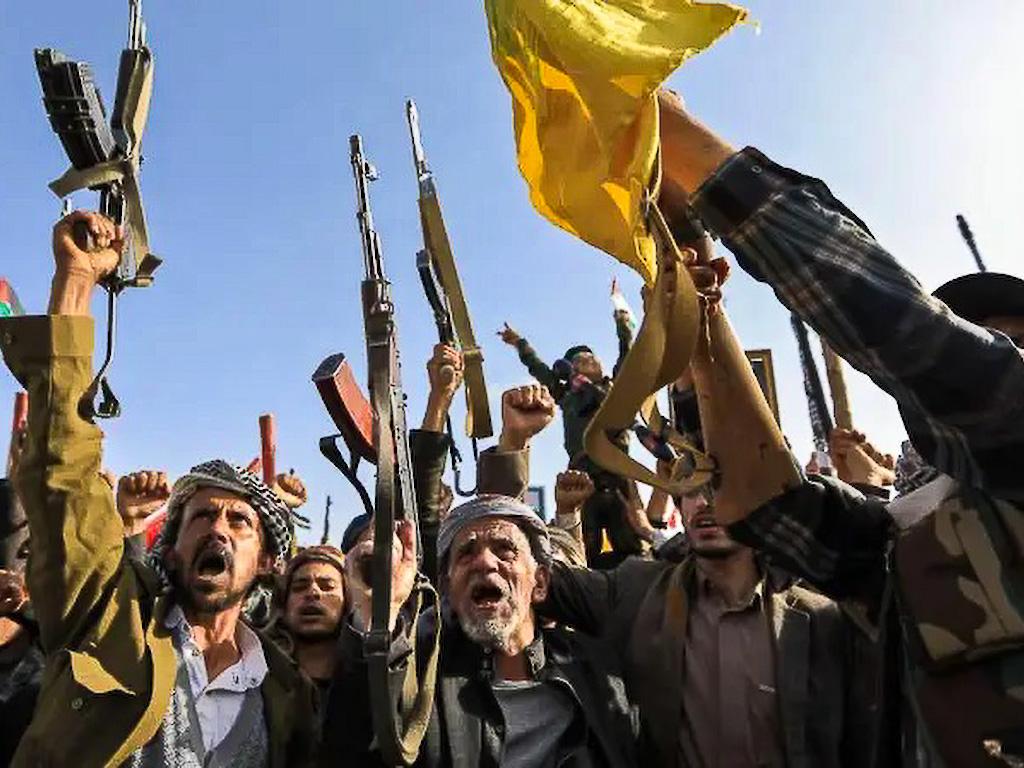 Self-proclaimed members of the “axis of resistance”, a term referring to armed groups hostile to Israel aligned with Iran, the Yemeni Houthis have claimed, since October 7, 2023, multiple [...]
 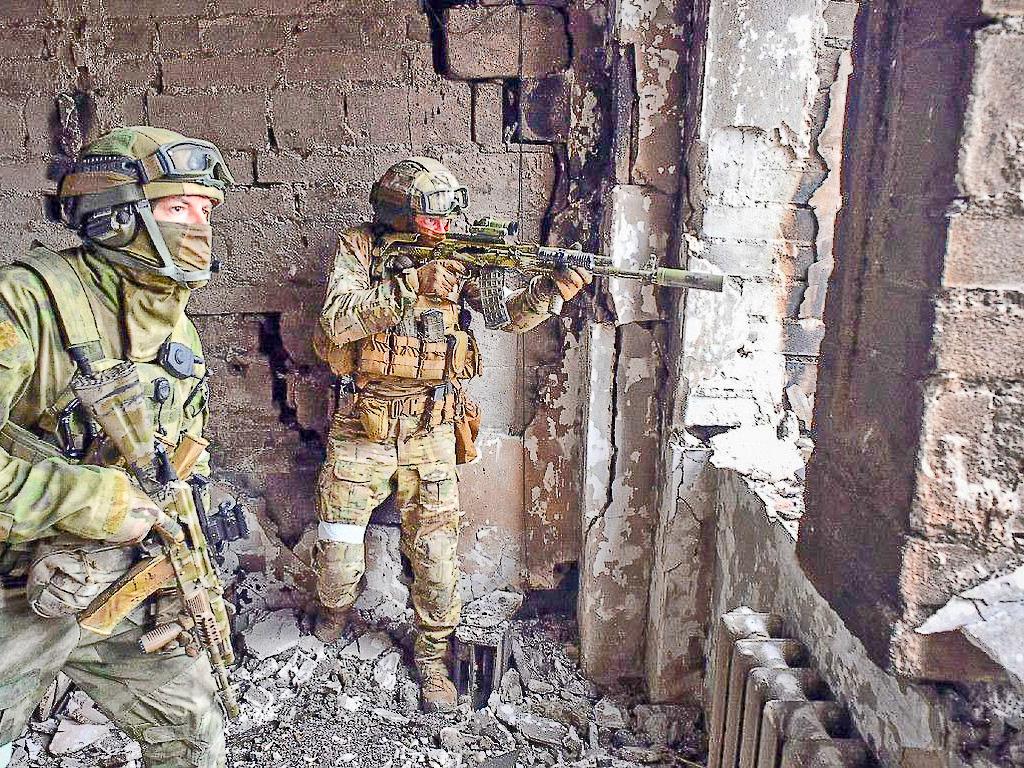 Israel’s National Security Minister, Itamar Ben Gvir, could not have been clearer in stating his goal: “A total suspension of humanitarian aid.” He justified his words as follows: [...]
  In response to the tragedy of Gaza, many react to the culpable loss of proportion in the Netanyahu government’s reaction by treating Israel as a foreign body rather than as a founding member of [...]
 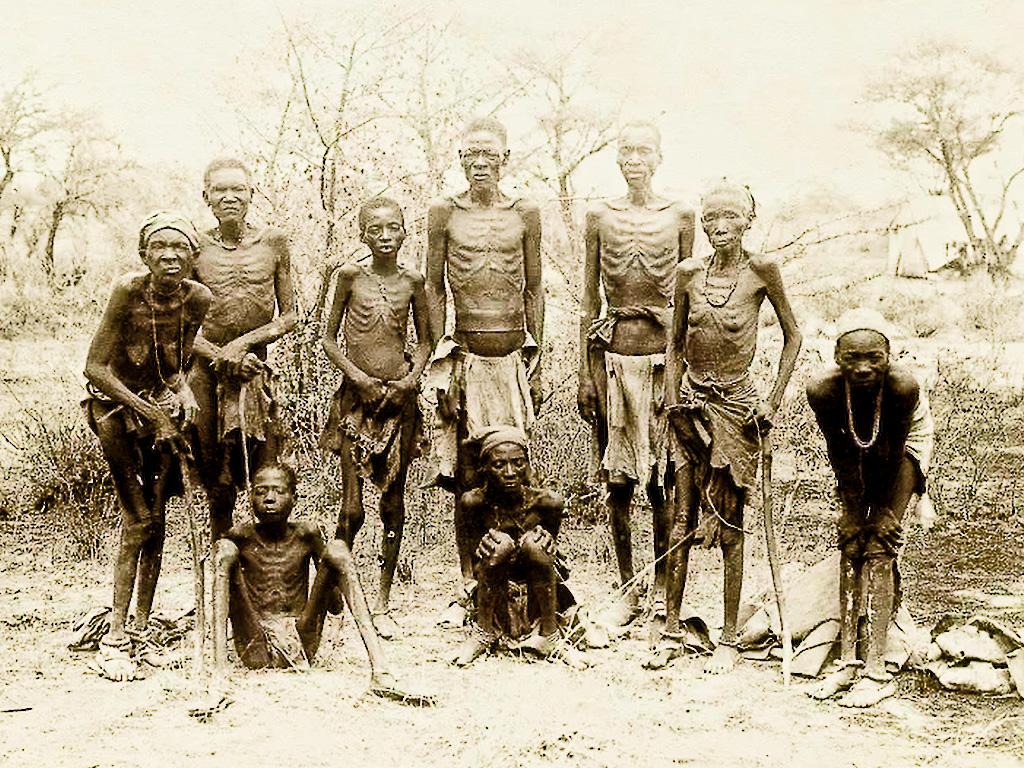 On the 2nd October of 1904, German General Lothar von Trotha, head of the military administration in colonial Namibia, ordered the extermination of the Herero and Nama peoples. That order marked the [...]
 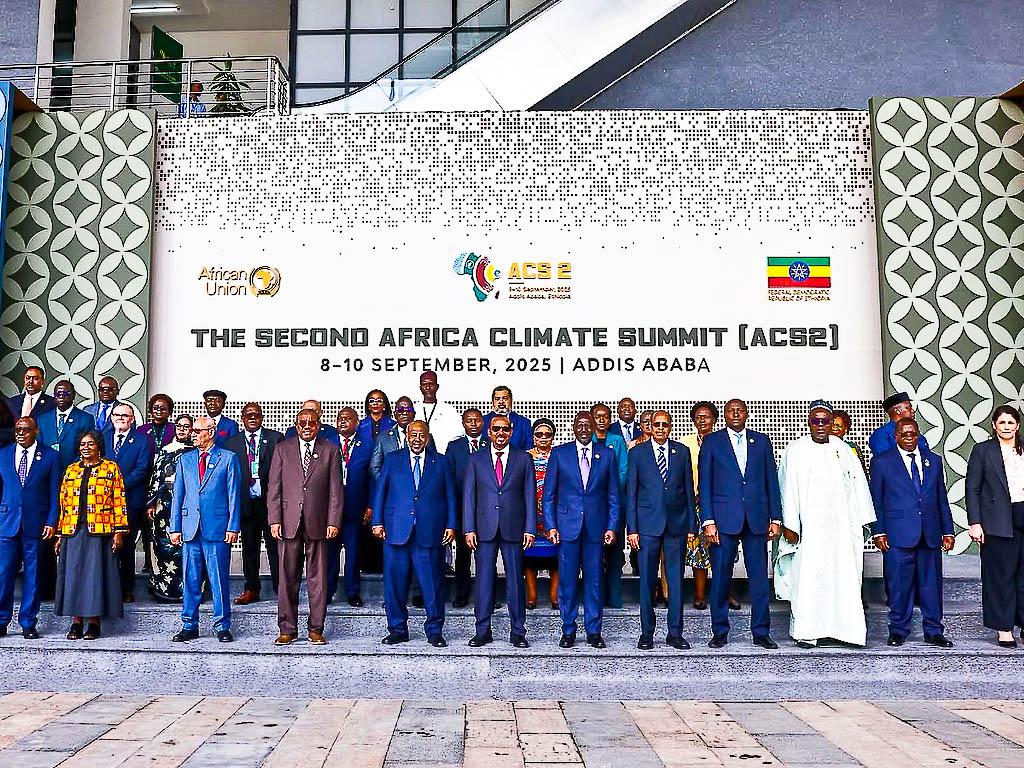 The second African Union Climate Summit (ACS2) has ended in Addis Ababa, Ethiopia. This preparatory meeting was held ahead of the United Nations Climate Change Conference (COP30), scheduled in Belem, [...]
 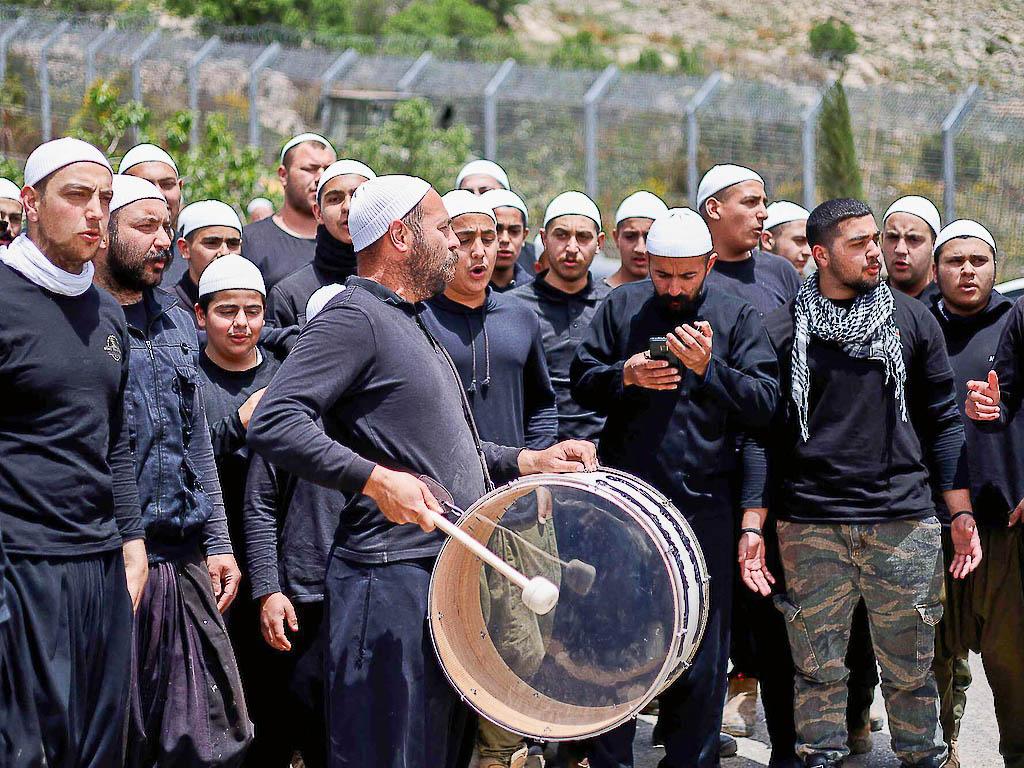 The massive raids carried out by Israeli air forces against Syrian army convoys of armored vehicles and heavy weaponry near and within Sweida, as well as strikes against the Ministry of Defense, the [...]
 Info
Email: jampypezzi@gmail.com - tel. +39 328 732 6990 / +243 991 457 856
This blog is made in 4 languages: it en fr es

 EDitt | Web Agency
Leave a comment