Justice, Peace, Integrity
of Creation
Justice, Peace, Integrity
of Creation
By John Paul Pezzi, Mccj

Justice, Peace, Integrity
of Creation
By John Paul Pezzi, Mccj
Justice, Peace, Integrity
of Creation
By John Paul Pezzi, Mccj

Justice, Peace, Integrity
of Creation
By John Paul Pezzi, Mccj
The Other. And Dialogue as a Way of Remaining Human
https://labarcaeilmare.it 23.07.2026 Daniele Rocchetti Translated by: Jpic-jp.orgIt is not only the Franciscan sources that tell this story, but also the chronicles of the Crusaders written directly from the front line. Even the comrades-in-arms of the time had to record the extraordinary nature of that episode: the meeting between Francis of Assisi and al-Malik al-Kamil at Damietta in Egypt.
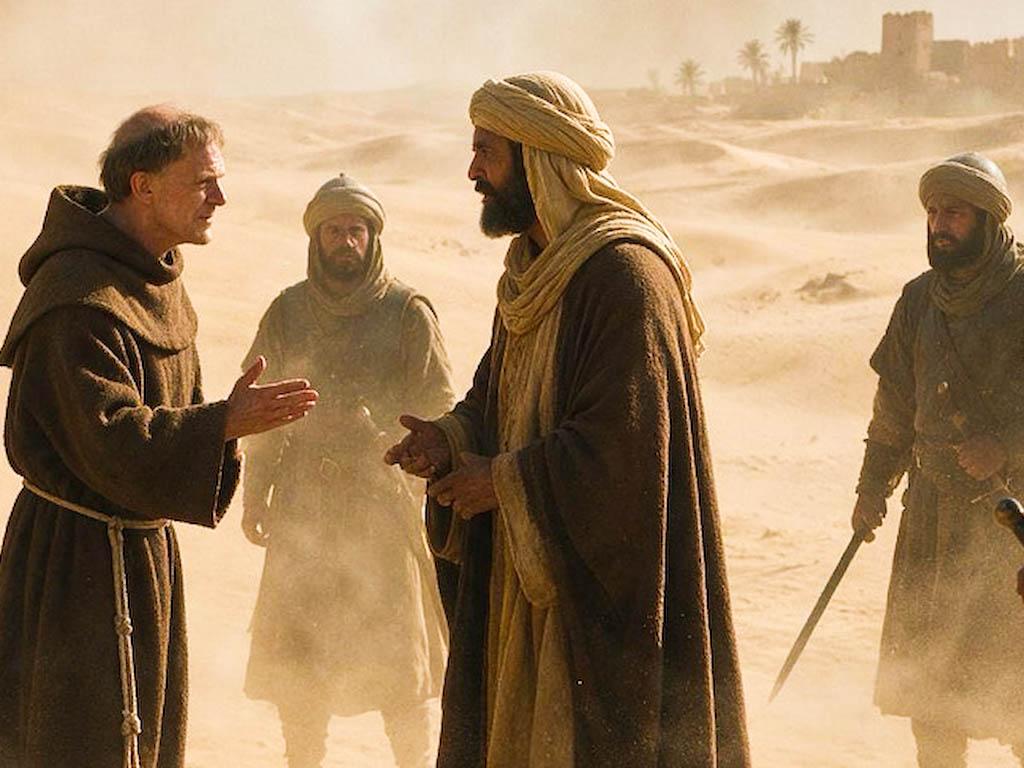
Two stories, two faiths that meet, speak to one another and do not demonise each other. They part with mutual respect, and the Sultan offers gifts. Among them is the ivory horn still preserved today in the Basilica of Assisi: an instrument originally made for hunting or for calling people to prayer, which became a symbol of a real truce.
Once upon a time, there was Saint Francis
To recall this story in times such as these is an act of civic and spiritual resistance. Beneath the surface, after all, contempt for the other and for their faith is growing, fuelled by algorithms, ignorance and political cynicism. We live in an age of exacerbated polarisation, in which identity is constructed through subtraction: I exist to the extent that I destroy, belittle or demonise you. The person who is different is no longer a mystery to be discovered or someone with whom to engage, but a convenient target onto which we project our collective fears. A threat from which we must fence ourselves off with barbed wire, whether real or mental.
In a scenario unfortunately fuelled also by many who profess to be Christians, what happened at Damietta in 1219 ceases to be a faded chapter of medieval history and becomes a geopolitical manifesto of striking contemporary relevance.
Around that tent raged the noise of the Fifth Crusade, proclaimed by Innocent III to strike at Muslim power in Egypt and use it as a bargaining chip to regain Jerusalem: bloodshed, ideological fanaticism, calculations of power, the rule of force. Outside, cries of “holy war” could be heard on both shores of the Mediterranean.
But inside that tent, Francis and al-Malik al-Kamil performed the only true miracle possible in wartime: they looked into one another’s eyes without the mediation of prejudice. Neither of them yielded an inch when it came to his own faith. There was no room for a weak or merely cosmetic syncretism. Francis remained God’s fool, the radical Christian; the Sultan remained the steadfast defender of Islam. And yet they discovered that fidelity to one’s roots does not necessarily dig trenches, but can build bridges. They spoke to one another not despite their faiths, but through them, recognising in the other the same longing for the Absolute. The ivory horn preserved in Assisi is the archaeological remnant of a forgotten peace. That gift tells us that encounter always leaves a trace, shapes the future, and disarms the hands.
Once upon a time. Not any more
Today, as insidious contempt threatens to anaesthetise our consciences, we desperately need to rediscover the courage of Damietta.
The courage to cross enemy lines, not in order to conquer or convert by force, but to make room for listening.
Because the alternative to dialogue is not the victory of one civilisation over another, but the common and definitive ruin of our humanity.
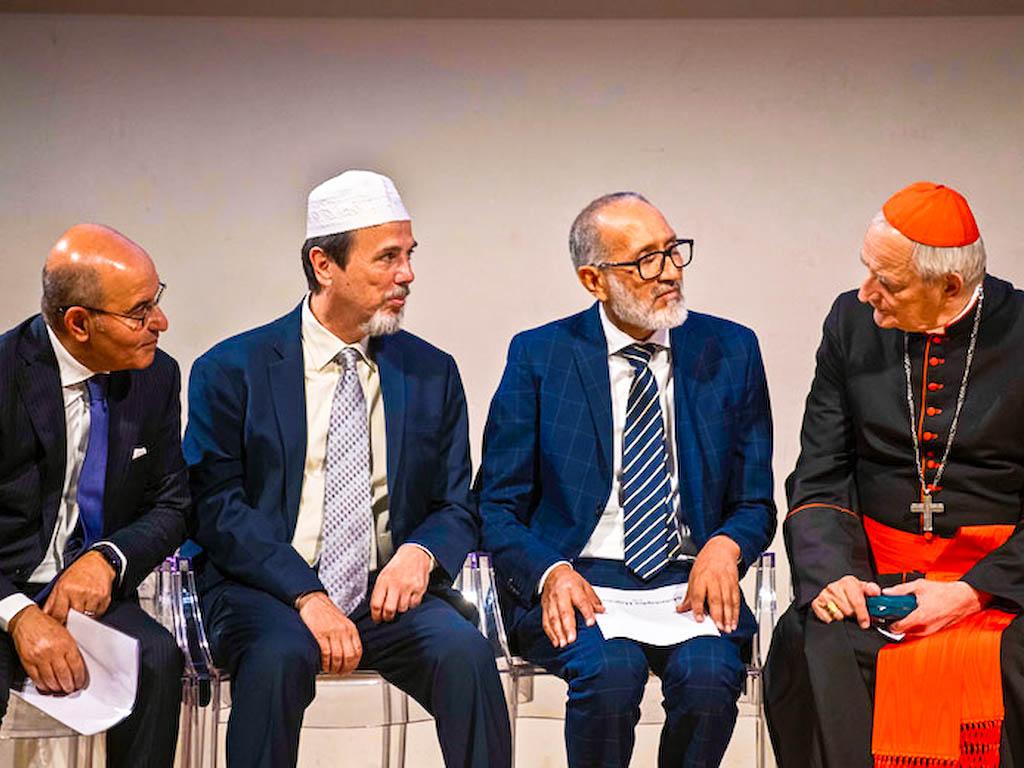 Seated side by side were Catholics, Hindus, Buddhists, Jews, Orthodox Christians and Muslims. At the centre, in the place of honour, lay a document signed by them all which, at this historical moment [...]
 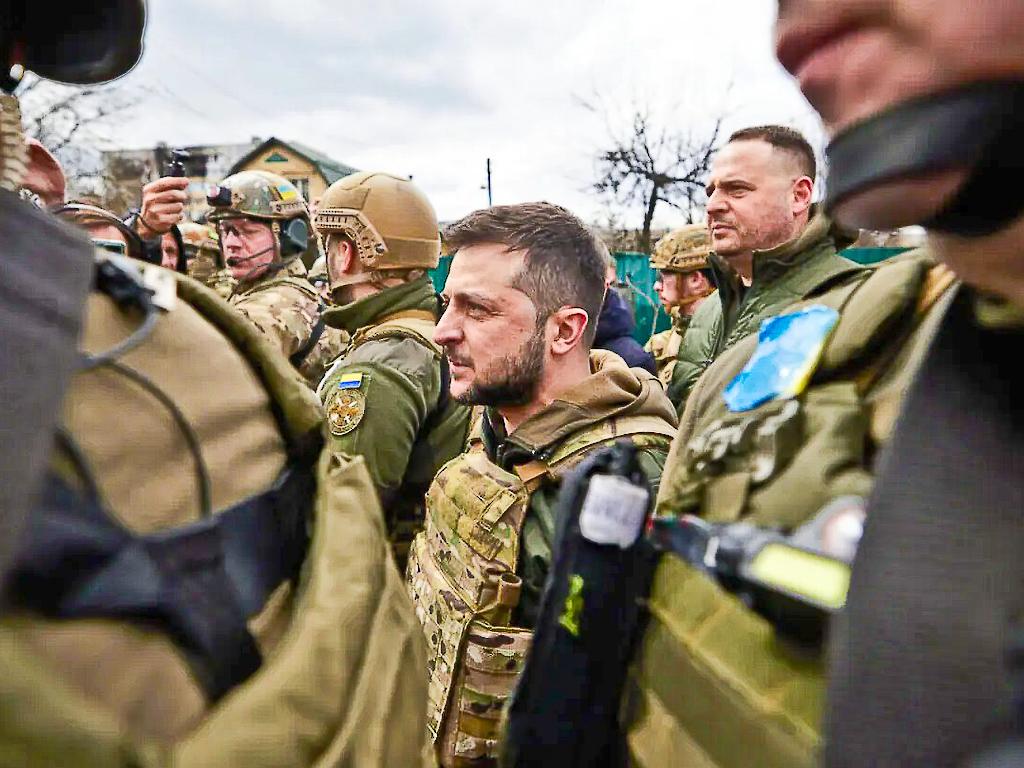 Russia’s invasion of Ukraine has affected Africa and its people very directly—and in many different ways. From the thousands of citizens from African countries who have gone to fight on [...]
 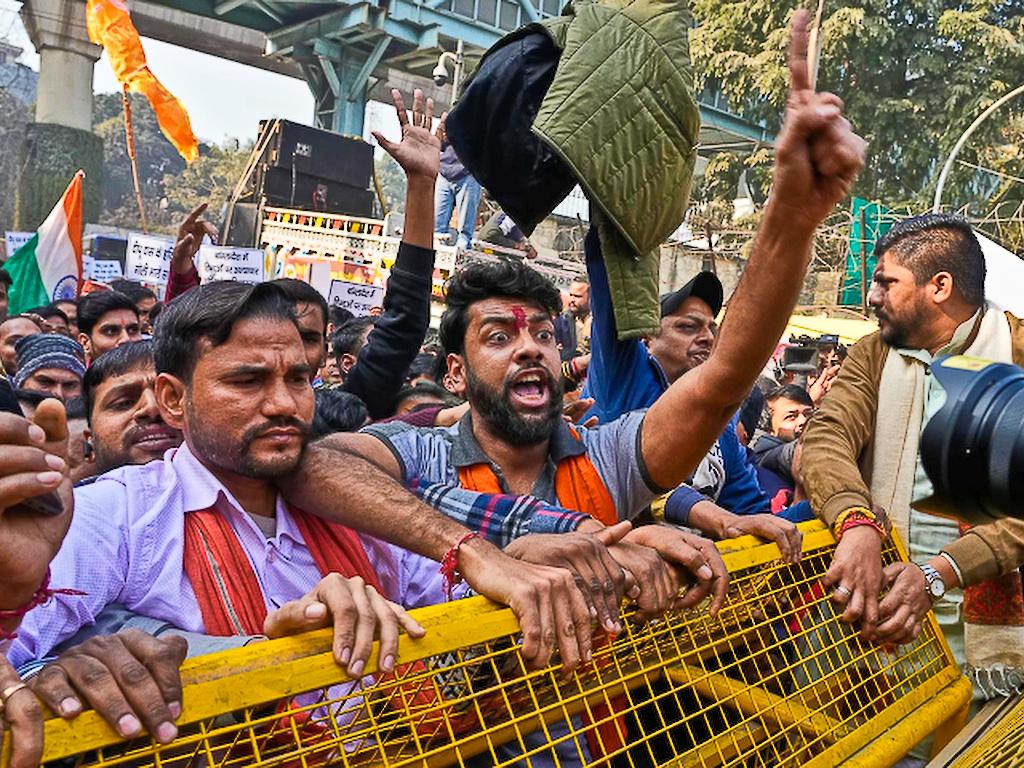 The pastor and his family had been attending a prayer meeting in a private residence together with other families in the village of Parjang, in Dhenkanal district, when a group of around twenty [...]
 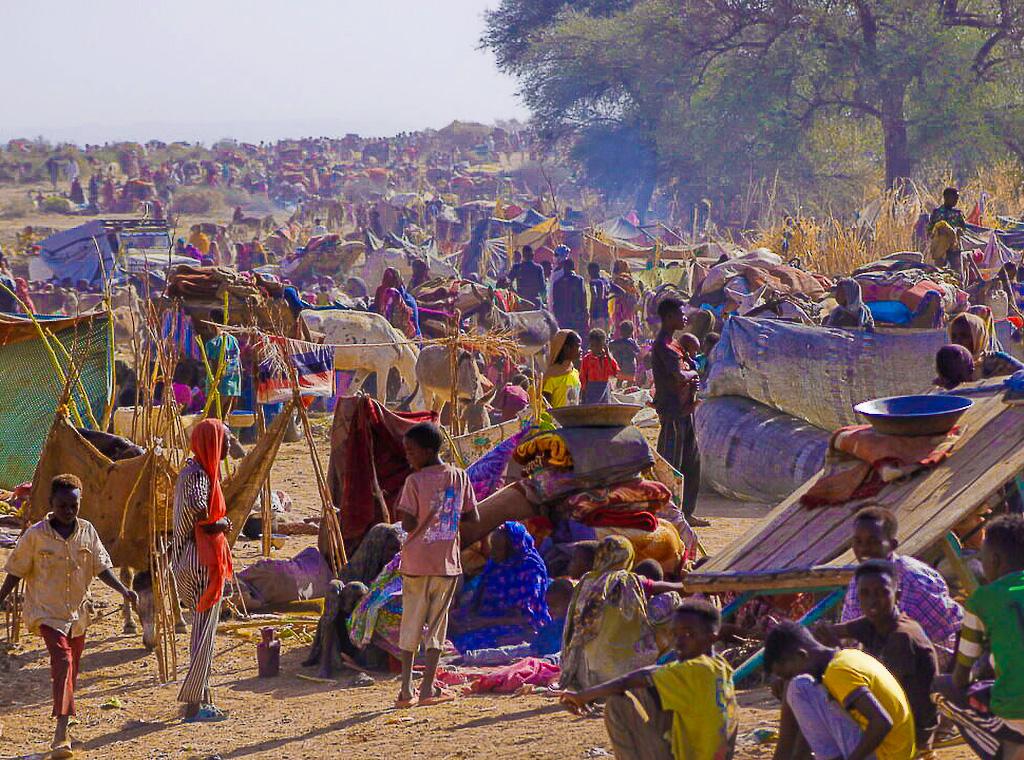 Sudan has been at war since April 2023. The conflict was sparked by two generals, Mohamed Hamdan Dagalo and Abdel Fattah al-Burhan, once allies, now vying for control of the country and determined to [...]
 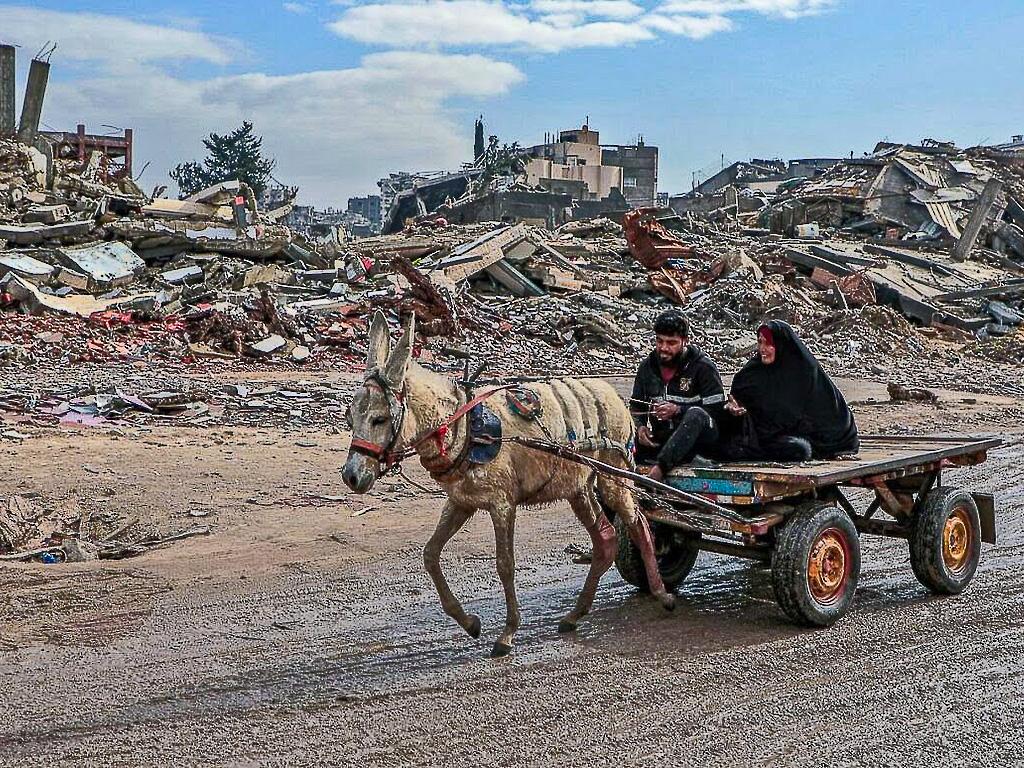 All’s well that ends well? The triumphant scenes of the signing of the treaty in Sharm el-Sheikh, in the presence of more than twenty presidents and prime ministers from across Europe and the [...]
  Few people take responsibility for two sins of omission in recent history: education in the common good and fraternity, fundamental for a just and united society; the failure to foresee the future [...]
 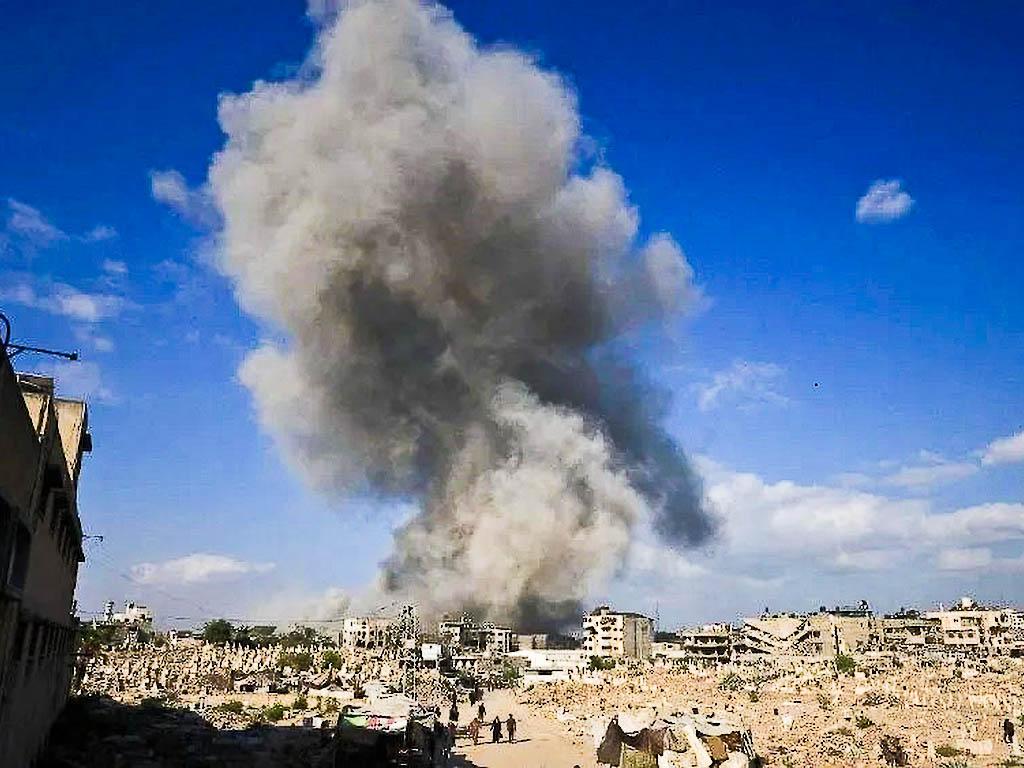 We live in a time of war. And it is no coincidence that the main seats of power are occupied by strongmen. It is not only the most mediatised cases. The delirious declarations of Donald Trump on [...]
 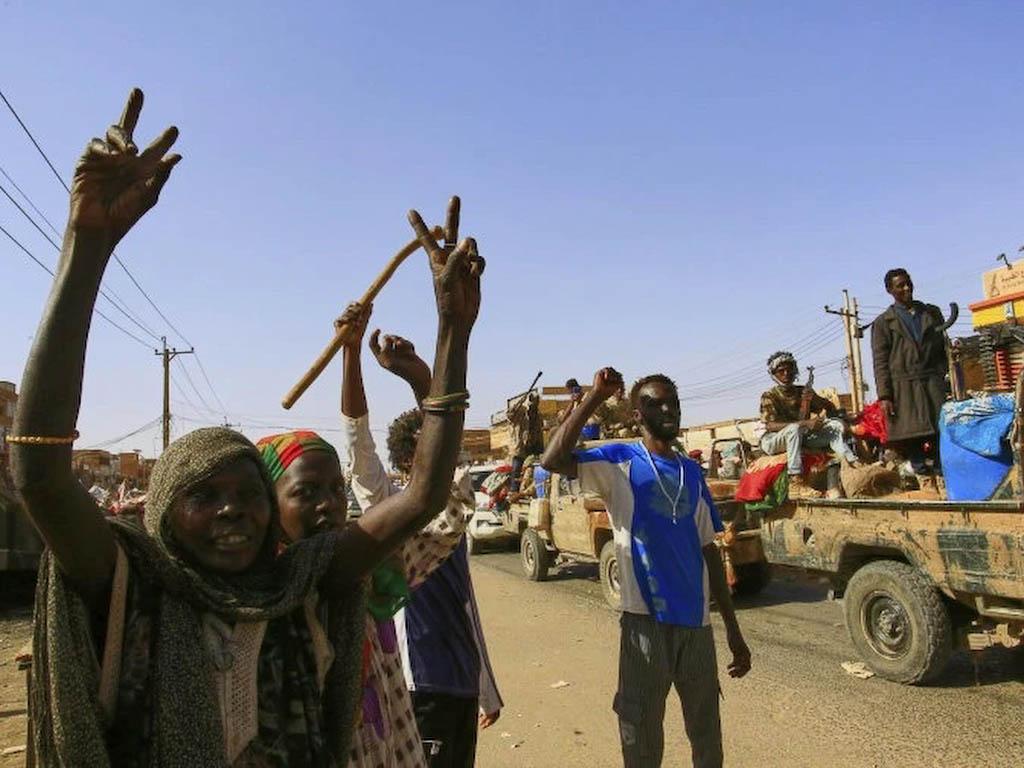 In Sudan, the war that broke out two years ago has caused the most serious humanitarian crisis in the world and in recent decades. 30 million people out of a total population of 50 million are in [...]
 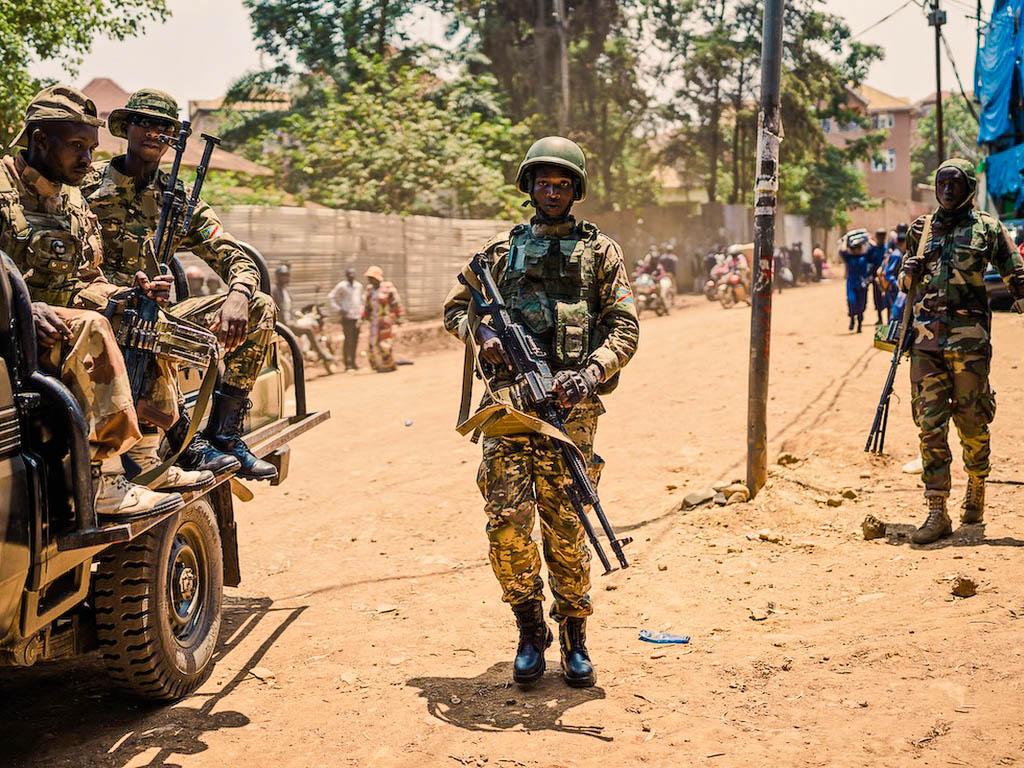 In an interview last week, responding to repeated accusations that the Congolese armed group M23 includes thousands of Rwandan soldiers, its political leader Corneille Nangaa stated: “I [...]
 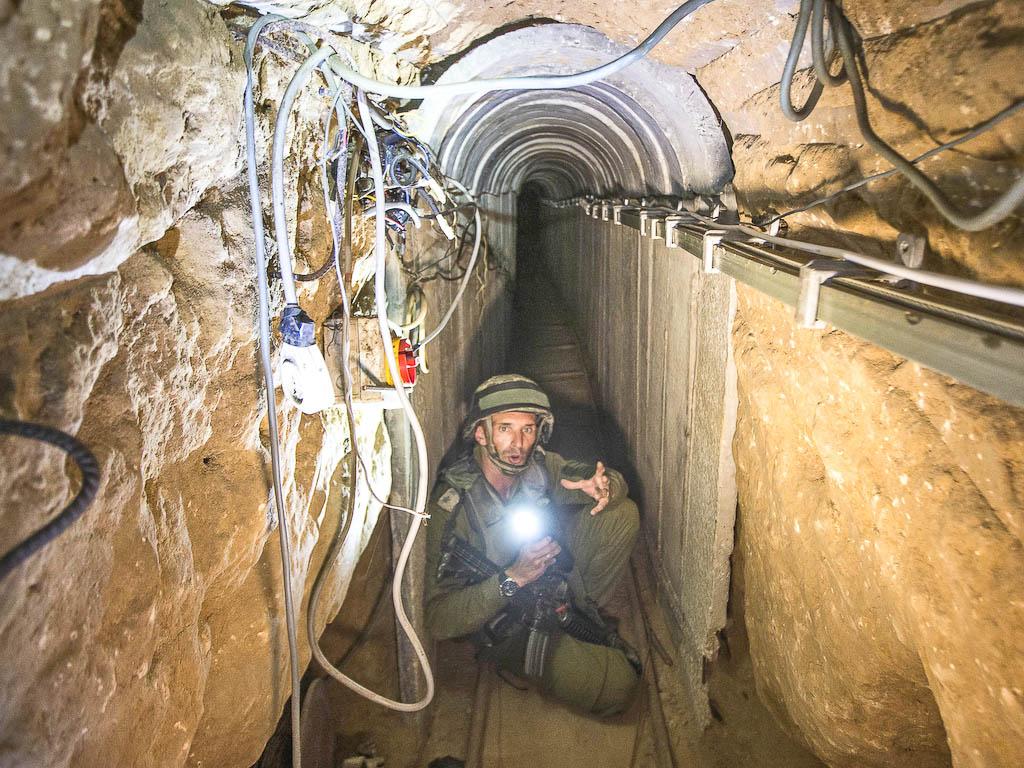 In his investigation, the New York Times reveals that the head of Hamas had a secret police force at his disposal to repress dissent in Gaza. This secret police force, called the General Security [...]
 Info
Email: jampypezzi@gmail.com - tel. +39 328 732 6990 / +243 991 457 856
This blog is made in 4 languages: it en fr es



 EDitt | Web Agency
Leave a comment