Justice, Peace, Integrity
of Creation

Justice, Peace, Integrity
of Creation
By John Paul Pezzi, Mccj
Justice, Peace, Integrity
of Creation
By John Paul Pezzi, Mccj
Justice, Peace, Integrity
of Creation
By John Paul Pezzi, Mccj

Justice, Peace, Integrity
of Creation
By John Paul Pezzi, Mccj
The Resilience of Pacific Communities
IPS 27.04.2026 Sera Sefeti Translated by: Jpic-jp.orgMangroves, coral reefs and coastal ecosystems are far more than natural resources: they are frontline climate solutions. In Pacific villages such as Naidiri, on Fiji’s Coral Coast, these ecosystems are helping to curb erosion, protect livelihoods and strengthen long-term resilience.
Climate change is no longer a distant threat. Across the Pacific, it has become an everyday reality, reshaping coastlines, livelihoods and the fragile balance between people and their environment. Yet in a region long defined by resilience, the solutions are not being invented from scratch. They are being revived, reinforced and expanded.
Nature-based approaches, which harness ecosystems to address climate, disaster and development challenges, have always existed within Pacific communities.
For generations, villages and local communities have relied on mangroves, agroforestry and traditional practices to safeguard their lands and sustain their populations. However, as climate impacts intensify, the scale and speed of change now demand stronger and broader responses.
A new regional initiative is therefore seeking to bridge the gap between traditional knowledge and modern policymaking.
The Pacific Community (SPC) project for the Promotion of Nature-Based Solutions in Pacific Islands (PPIN) has been designed precisely for that purpose: connecting community knowledge with the systems that shape development and investment.
Rakeshi Lata, Capacity Building and Training Officer for Nature-Based Solutions at SPC, explains that the project does not seek to replace traditional knowledge, but rather to strengthen it: “It functions as a bridge linking community practices with national policies in order to secure resources and expand the application of proven local methods.”
At its core, PPIN challenges a deeply entrenched imbalance in development thinking, where engineered infrastructure is prioritised while nature is relegated to a secondary role.
“More specifically, PPIN addresses the fact that Pacific countries are highly vulnerable to climate change, disasters and ecosystem degradation; yet development decisions continue to prioritise engineered solutions, while nature is treated as secondary or merely as an environmental concern,” Lata said.
This disconnect is particularly visible in the Pacific, where people’s lives, cultures and economies are profoundly intertwined with the natural environment. When ecosystems fail, communities immediately experience the consequences through food insecurity, coastal erosion and heightened disaster risk. Yet despite the proven value of nature-based solutions, their adoption has remained limited — often fragmented, underfunded and confined to small-scale pilot projects.
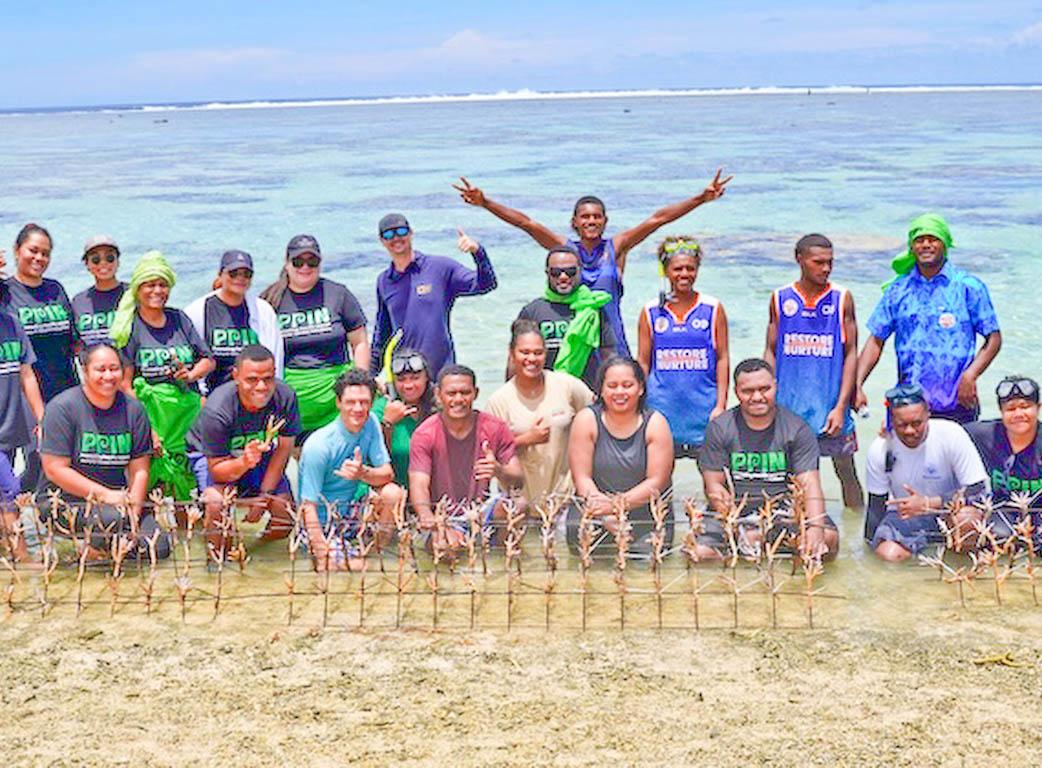
The village of Naidiri, on Fiji’s Coral Coast, demonstrates how nature-based solutions can be implemented in practice, with communities restoring mangroves and reefs to protect their shoreline and sustain livelihoods. “There remains limited policy integration, technical capacity, economic evidence and financing needed to make nature-based solutions mainstream across sectors such as infrastructure, finance, agriculture, forestry, fisheries and tourism,” Lata noted.
It is precisely within this gap between what works locally and what is implemented nationally that PPIN intervenes. Crucially, the project rejects the notion that traditional knowledge and modern science are competing forces: “The central philosophy of PPIN is that traditional knowledge and modern policy are not opposing forces, but complementary strengths. This project seeks to formalise what communities have successfully practised for centuries.” “PPIN actively incorporates modern science to reinforce traditional approaches,” Lata added.
In Fiji, Vanuatu and Tonga, this integration is already visible not only in theory, but also in practice. Mangrove restoration, for example, is being used to reduce coastal erosion and storm surges, providing a natural alternative to costly seawalls. During Cyclone Vaiana in Fiji, boats sought shelter within mangrove areas, protected from violent winds and waves — a striking example of how ecosystem protection can deliver real-time resilience.
These same mangroves also trap sediment, protecting downstream communities and coral reefs without the need for concrete infrastructure.
In rural areas, traditional agro-forestry systems are being strengthened. By combining trees and crops, they improve soil stability, enhance food security and increase resilience to drought. Such systems reduce the need for artificial irrigation and land stabilisation while maintaining ecological balance.
Despite these achievements, scaling up such solutions has historically proved difficult. Fragmented governance, isolated implementation between ministries and non-governmental organisations, and limited technical capacity has all slowed progress.
PPIN has been designed to dismantle these barriers: “A central pillar of PPIN is targeted capacity development, including training programmes and communities of practice through the establishment of peer-learning networks focused on specific sectors in order to encourage ongoing knowledge exchange and collaboration.”
Coral restoration is helping to rebuild reef ecosystems that protect Pacific coastlines, sustain fisheries and support community livelihoods. Beyond policy integration, the project is also investing in people, particularly those living closest to the land.
Training programmes, including farmer field schools and coastal resilience initiatives, focus on practical applications of Nature-Based Solutions for future generation. Participants acquire hands-on skills in climate-smart and organic agriculture, directly linking ecosystem health to food production and household wellbeing.
The response has been overwhelmingly positive. More than half of the participants are women (80 out of 146), while young people and community professionals are also actively involved.
As the project approaches completion, its legacy is already taking shape, not only through its outcomes but also through the systems that will endure beyond it.
“To ensure long-term sustainability and accessibility, training materials, technical guidance, needs assessment findings and other resources are being consolidated and hosted within a regional knowledge hub on Nature-Based Systems,” Lata explained. “This hub provides a single, trusted platform through which governments, practitioners, communities, women and young people can access resources from the Population Innovation Network (PPIN).”
Yet perhaps its most enduring impact is less tangible, and more profound. Beyond the materials themselves, PPIN leaves behind strengthened regional networks and communities of practice that will continue connecting professionals across countries and sectors.
In a region situated on the frontline of climate change, the future may lie not in choosing between tradition and science, but in integrating the two.
For in the Pacific, resilience has never been built upon a single system. It is passed from one generation to the next through systems of knowledge and, increasingly, through public policy and institutional practice.
See: Cómo las comunidades del Pacífico recuperan soluciones climáticas basadas en la naturaleza
Image: LudovicBranlant / SPC
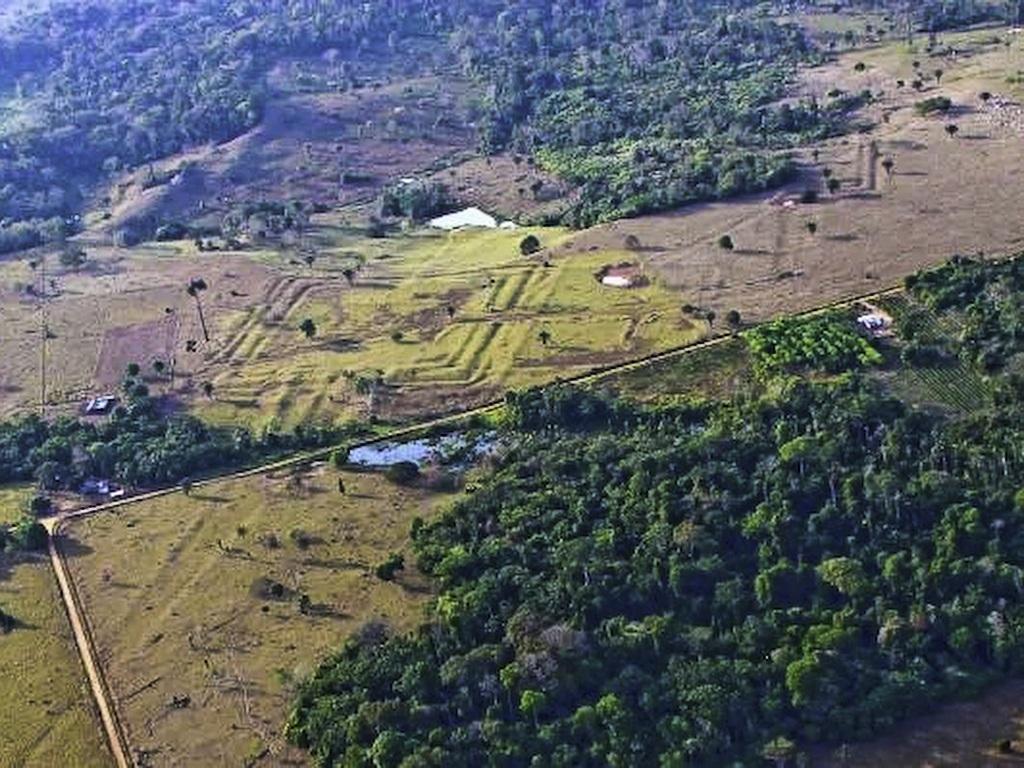 The Amazon was not always the wild forest we know today. Between approximately 600 BC and AD 850, a civilisation known as Aquiry profoundly reshaped the south-western Amazon basin. Its inhabitants [...]
  Thousands of trees were planted in the Sahara without success. Then 500 tortoises achieved what no one had expected, and the desert has begun to turn green again, visible even from space.
The [...]
Thousands of trees were planted in the Sahara without success. Then 500 tortoises achieved what no one had expected, and the desert has begun to turn green again, visible even from space.
The [...]  “Each of us uses around 18 kilograms of sand every day,” said Pascal Peduzzi, Director of UNEP’s Environmental Data Centre, during the presentation of the report in his Swiss city [...]
  It would be wrong and superficial to criticise the Conference on the grounds that no binding agreements were reached, since the Santa Marta Conference was explicitly not designed as a negotiation [...]
 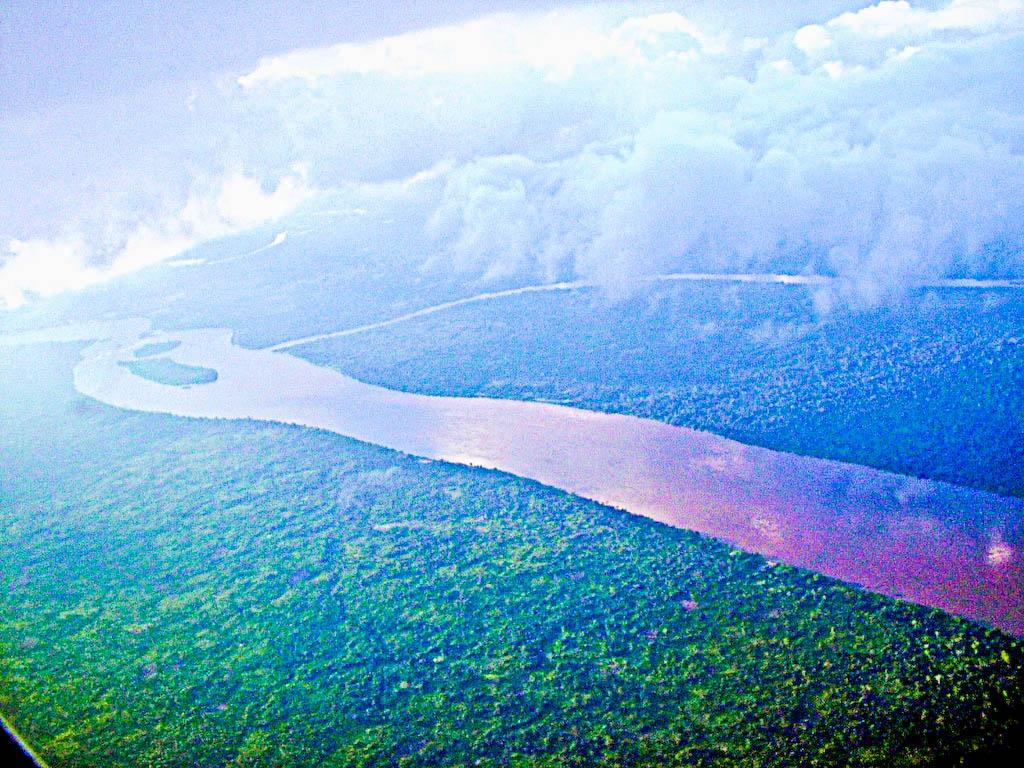 From Carbon Sink to Carbon Source: A Historic Reversal
Until only a few years ago, scientists believed they could rely on a natural climatic safety valve. Africa’s tropical forests were [...]
From Carbon Sink to Carbon Source: A Historic Reversal
Until only a few years ago, scientists believed they could rely on a natural climatic safety valve. Africa’s tropical forests were [...] 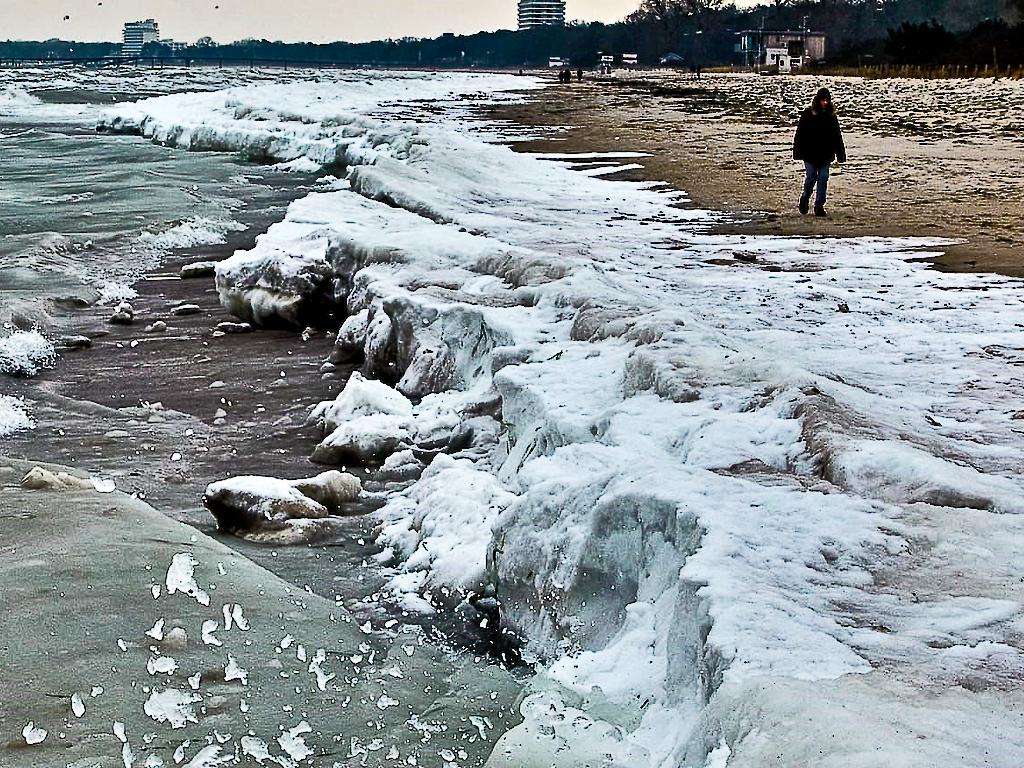 The seabed of the Baltic Sea is only one example of how wars have contaminated the oceans. After the Second World War, between 40,000 and 60,000 tonnes of chemical weapons were abandoned in the [...]
 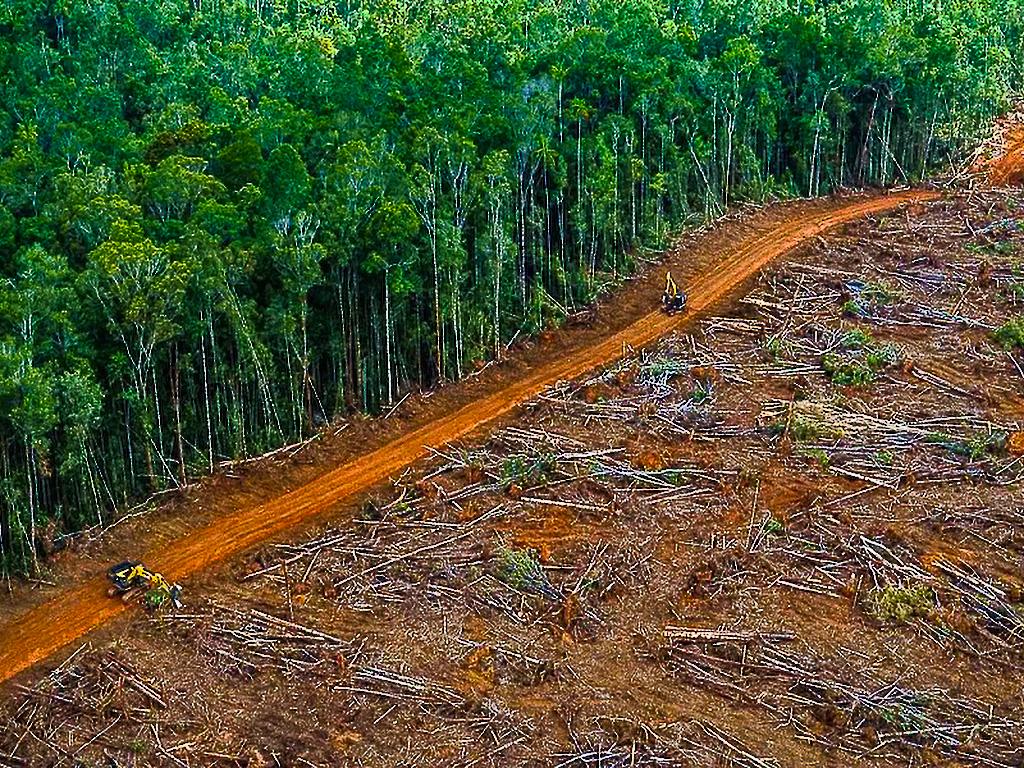 A study published a few weeks ago in Nature Climate Change concluded that deforestation has killed more than half a million people in the past two decades, between 2001 and 2020. A frightening [...]
 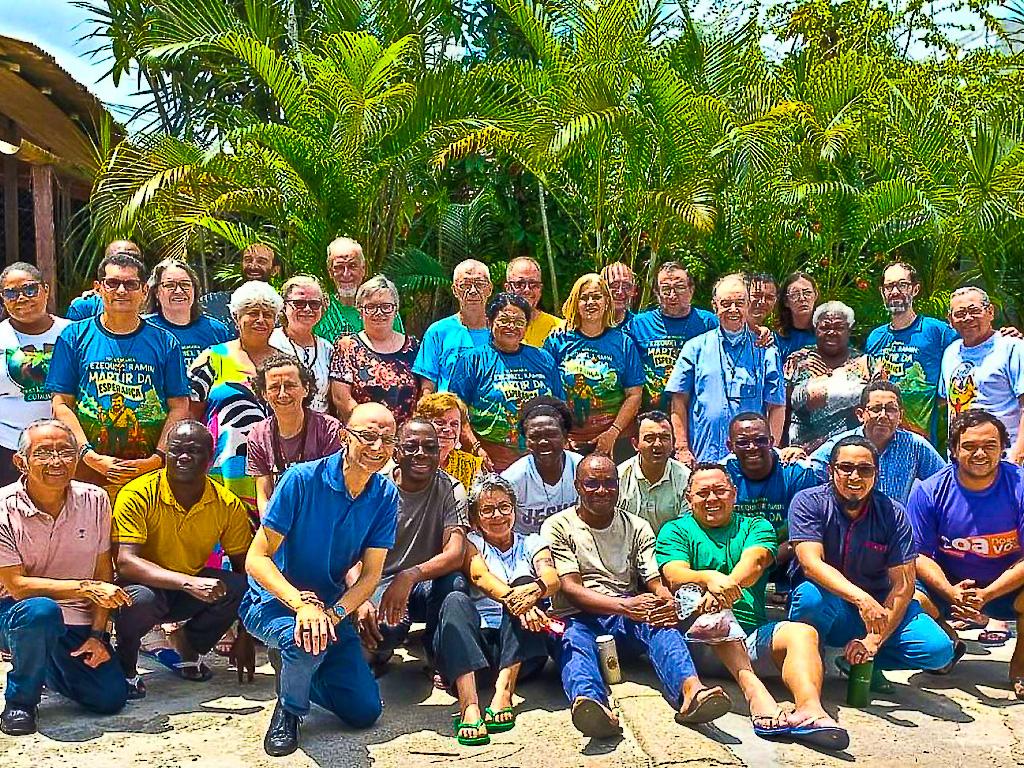 COP30, at the moment of its gathering, gives the impression of a shared desire to assemble declarations of principle and political frameworks to establish “good intentions” and [...]
 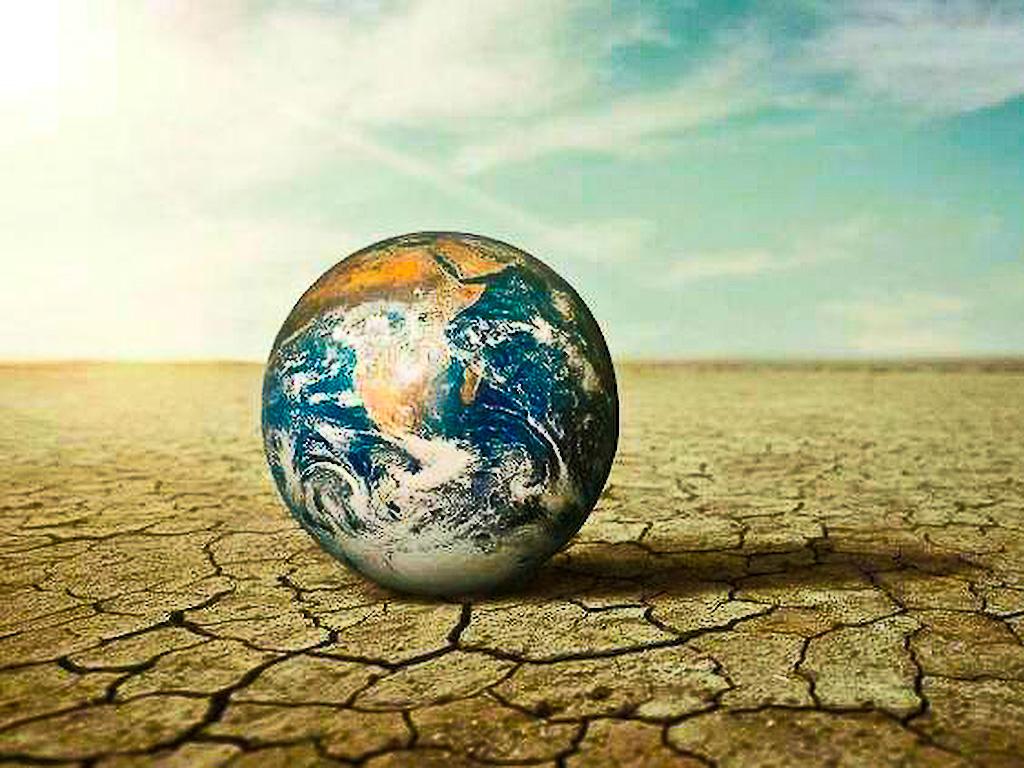 Let’s try an extremely difficult summary. During the first days, we all essentially deluded ourselves. The Brazilian presidency had indeed released draft texts that included “also” [...]
  In a world shaken by crises, this exhibition reminds us that beauty — whether natural, artistic, or cosmic — remains a source of hope. As Dostoevsky said, “Beauty will save the [...]
 Info
Email: jampypezzi@gmail.com - tel. +39 328 732 6990 / +243 991 457 856
This blog is made in 4 languages: it en fr es




 EDitt | Web Agency
Leave a comment