Justice, Peace, Integrity
of Creation
Justice, Peace, Integrity
of Creation
By John Paul Pezzi, Mccj
Justice, Peace, Integrity
of Creation
By John Paul Pezzi, Mccj
Justice, Peace, Integrity
of Creation
By John Paul Pezzi, Mccj
Justice, Peace, Integrity
of Creation
By John Paul Pezzi, Mccj
A Guide to Understanding a World of Geopolitical Turmoil
Ethic 23.06.2026 Carmen Gómez-Cotta Translated by: Jpic-jp.orgThe liberal international order to which we had become accustomed has changed. Analysts and political scientists have been making this assertion for several years now. But when did this transformation begin? What defines it, and where is it leading us? Here are the main keys to understanding these turbulent times.
June 1944. Allied troops landed in Normandy to begin the liberation of Europe from Nazi rule. Operation Overlord, an unprecedented military offensive, paved the way to Victory in Europe Day in May 1945, when Hitler's Germany fell. Rarely has the world come so close to becoming fundamentally different.
With the aim of preventing wars on such a scale, while also promoting political cooperation and ensuring economic stability, the victorious powers designed an international order based on two fundamental pillars: one financial—with the International Monetary Fund, the World Bank and the World Trade Organization—and the other political—with the United Nations.
Thus, a new international architecture was born that functioned for seventy years. Or rather: the West believed it functioned. For there is another part of the world that does not fit within a system of rules that fails to reflect its reality. “Within the 1945 order, emerging countries appeared that could not find their place because they regarded it as an unjust order that did not represent them,” explains José Ignacio Torreblanca, Director of the Madrid office of the European Council on Foreign Relations. India, China and Russia consequently emerged as major powers. Having entered the global economy through globalisation, they now demand the place they believe they deserve and, little by little, “are beginning to erode the legitimacy of a system and of multilateral institutions that have not been reformed and do not grant them adequate access.”
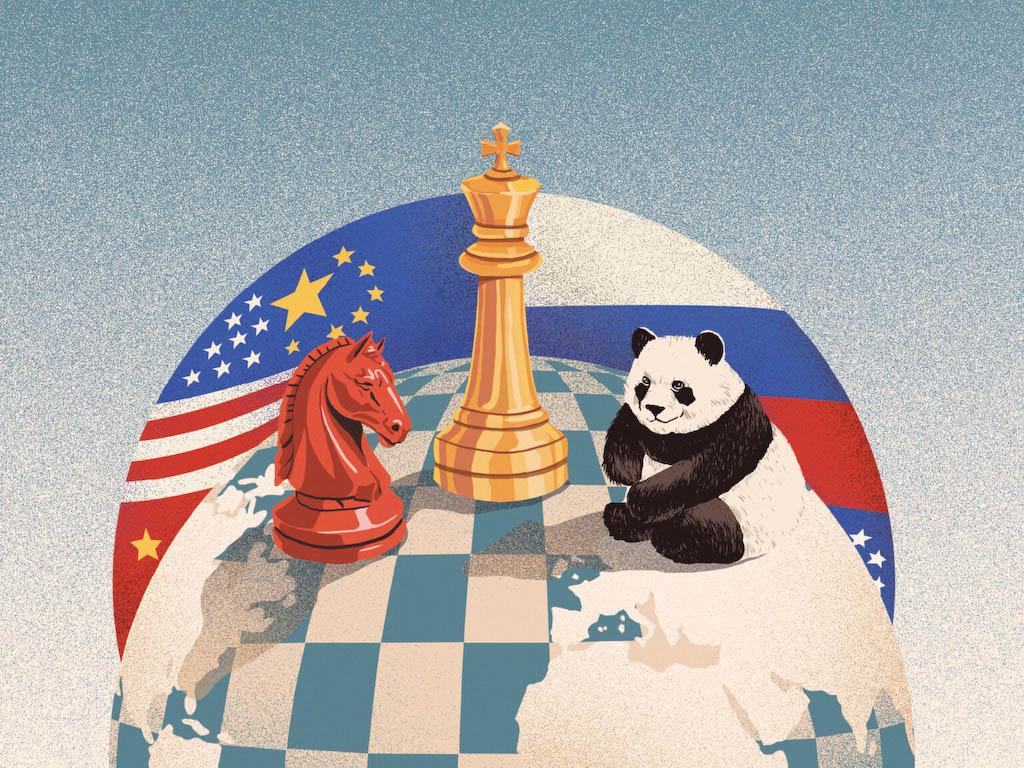
Within this gradual reshaping of the pieces on the international chessboard, three developments have reinforced the perception that the familiar world order is changing: Xi Jinping's China, Vladimir Putin's Russia, and Donald Trump's United States.
The Awakening of the Dragon
“The defining issue of our age is China's rise, which is exercising power and influence capable of transforming the international order,” argues José María Beneyto, a lawyer and international relations expert who has closely followed the growth of the Asian giant for many years.
During Xi Jinping's early years in power, China did not openly display its ambition for global influence, “partly because it sheltered behind its status as a developing country that still needed others,” Beneyto explains. Moreover, “it embraced the principles of international cooperation and free trade, attracted foreign investment and acquired Western know-how.” Eventually, however, the United States realised that China's rise represented “a threat to its security—not only economically, but also in terms of maritime dominance.” Thus, in what appeared to be a subtle shift, Xi Jinping undertook a major strategic change: transforming economic power into political power.
One example of China's growing political influence is its expanding presence in other regions of the world, particularly Africa and Latin America. “Latin America is crucial because it belongs to the Western sphere and has particularly close ties with Europe,” Beneyto observes. Over recent decades, the region “has evolved from being the United States' backyard into China's principal destination for investment and the extraction of raw materials,” a development that causes concern in Western capitals.
“Since the beginning of this century, China's presence in Latin America has grown exponentially,” notes Pamela Aróstica, Director of the China and Latin America Multidisciplinary Approaches Network (REDCAEM). This presence “has created opportunities for development and for diversifying international partnerships,” but it has also established asymmetric relationships “that pose risks such as economic and political dependence, negative impacts on local industries, environmental and social consequences, as well as vulnerabilities linked to the control of data and critical infrastructure.”
Despite these concerns, China's presence in the region demonstrates that “Latin America occupies a pivotal position in the rivalry between the United States, the established superpower, and China, which aspires to consolidate its own superpower status,” Aróstica argues. In this context, the actions taken by the United States in Venezuela earlier this year marked a regional turning point. “China pursues, on the one hand, a policy of non-interference in the internal affairs of other countries and, on the other, gives priority to safeguarding its economic interests.” It is precisely “this pragmatic approach that enables China to preserve its regional presence and its role as an alternative partner.”
Imperial Ambitions
China applies this role of alternative partner to different actors across the globe according to its strategic interests. It has also strengthened its ties with Russia. “The Sino-Russian alliance is real,” Beneyto states, adding that “one week before the launch of the ‘special military operation in Ukraine’—to use Putin's own terminology—Putin and Xi Jinping met in Sochi and jointly declared a friendship without limits together with their vision of a new international order.” That meeting sealed a relationship encompassing “economic, energy and military cooperation and, above all, common opposition to their principal adversary: the United States.”
Russia's invasion of Ukraine constitutes the second major shock to the international order. Russia is a permanent member of the United Nations Security Council with veto powers. The crisis began in 2014 with the annexation of Crimea and assumed global dimensions in 2022, when the full-scale war began and Putin secured China's support—China being another permanent member of the Security Council. Europe's security was thereby seriously undermined.
Securing Europe's borders remains one of the reasons why the European Union continues to depend upon the American security umbrella. Under President Joe Biden this support appeared assured; with Trump's return to the White House, it has become uncertain. “Europe has not yet succeeded in providing Ukraine with the means to defend itself independently,” Torreblanca acknowledges. Hence the need “to promote a European industrial strategy, as recommended by the Draghi Report,” capable of developing “economic security and military defence” that would allow a greater degree of independence from the United States. According to Torreblanca, the key lies in “strategic interdependence: diversifying partnerships while relying upon strong and trustworthy allies.”
The MAGA Whirlwind
Above all, Europe must act swiftly. “We are a declining power and, compared with China and the United States, we are falling behind in terms of GDP, population and defence expenditure,” stresses Carlota García Encina, a researcher at the Elcano Royal Institute specialising in the United States and transatlantic relations.
Yet this does not require abandoning Europe's essential identity, as Ursula von der Leyen, President of the European Commission, appeared to suggest when urging Member States to increase defence spending. “Europe can no longer be the guardian of the old-world order,” she declared, before later qualifying her remarks. According to García Encina, “Europe must strike a balance between values and pragmatism,” preserving its core principles while adapting to an international order that has fundamentally changed.
And Europe must play its hand wisely, because the United States also depends upon the European Union. As García Encina points out with regard to the conflict involving Iran, “the United States cannot project military power without its European bases. That has always been the case; without them, it loses its global reach.” Consequently, “over the medium and long term, the United States is gradually retrenching.” Trump “understands that America cannot be everywhere, that there are limits, and that each country must assume responsibility for its own defence”—a view already expressed by Barack Obama during his final term in office. Yet “at the same time, the United States still needs its allies to sustain a defence industry that is operating at full capacity and to maintain stability in key regions.”
However determined the Trump administration may be, the United States and Europe remain bound together by “economic and industrial interdependence,” García Encina observes. Trump himself is aware of this reality because, despite his threats and his preference for dealing directly with individual European states rather than the European institutions, “during the summer he was ultimately obliged to negotiate with the European Commission in order to reach an agreement on tariffs.”
Isolationism in foreign policy, economic nationalism and deregulation, wrapped in an aggressive political style, are the defining features of the MAGA (Make America Great Again) movement. Together they have become the third major destabilising force in today's international order. Few could have imagined that the very nation which built and defended the global order established in 1945 would one day become the principal power challenging it.
In these circumstances, “the defining characteristic of today's international order is uncertainty,” García Encina concludes. Anything is possible.
See, Manuel pour comprendre une géopolitique devenue folle
Illustration: Óscar Gutiérrez.
 Russia’s war on Ukraine is entering a new phase. That does not mean the situation will change overnight, but the chances of escalation and the conflict spreading are growing.
The most [...]
Russia’s war on Ukraine is entering a new phase. That does not mean the situation will change overnight, but the chances of escalation and the conflict spreading are growing.
The most [...]  Recently, there was a summit between the United States and China, a meeting that had not taken place since 2017 and that brought together the leaders of the two powers competing for international [...]
 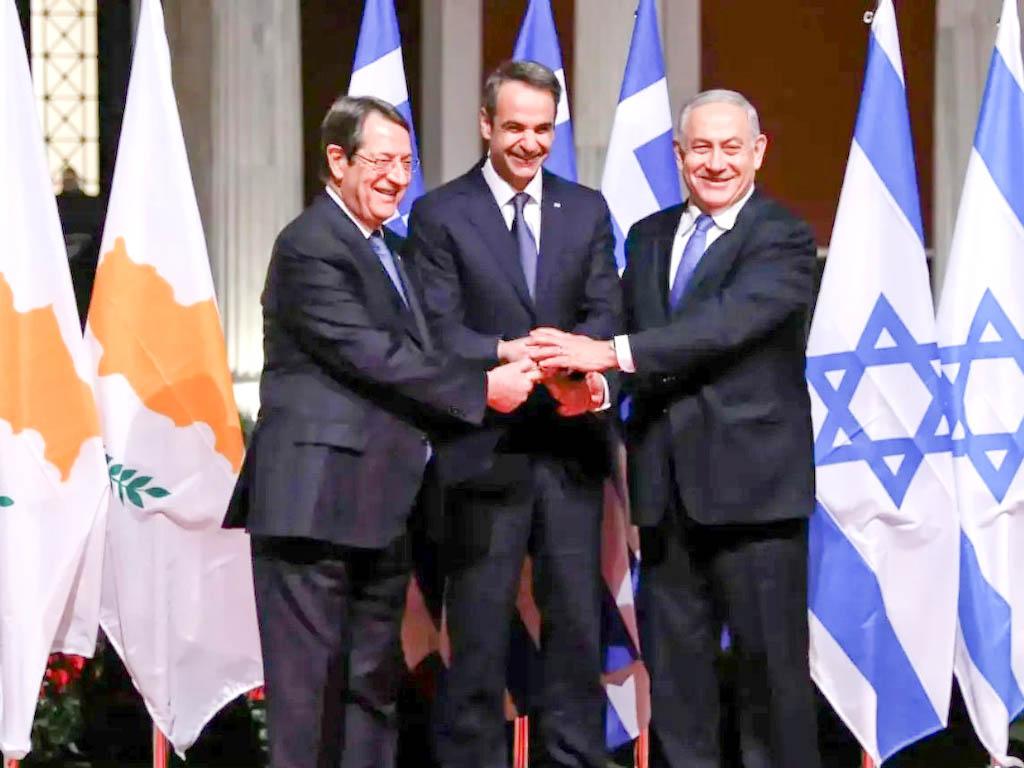 When, on 30 April, nearly 200 activists from the Global Sumud Flotilla were forcibly disembarked at a port on the southern coast of Crete after having been stopped by Israeli special forces, many [...]
 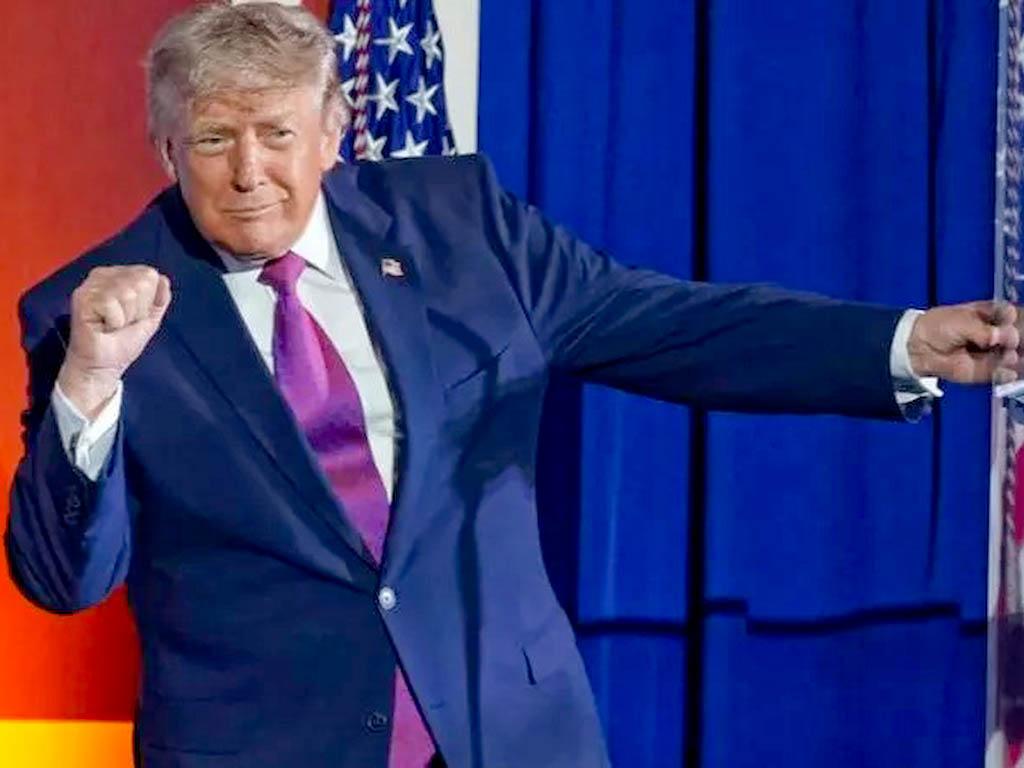 The situation is incredible, bordering on paradoxical, perhaps even ridiculous: in the midst of secularization, while individuals in their private lives do not care in the least about the dictates of [...]
 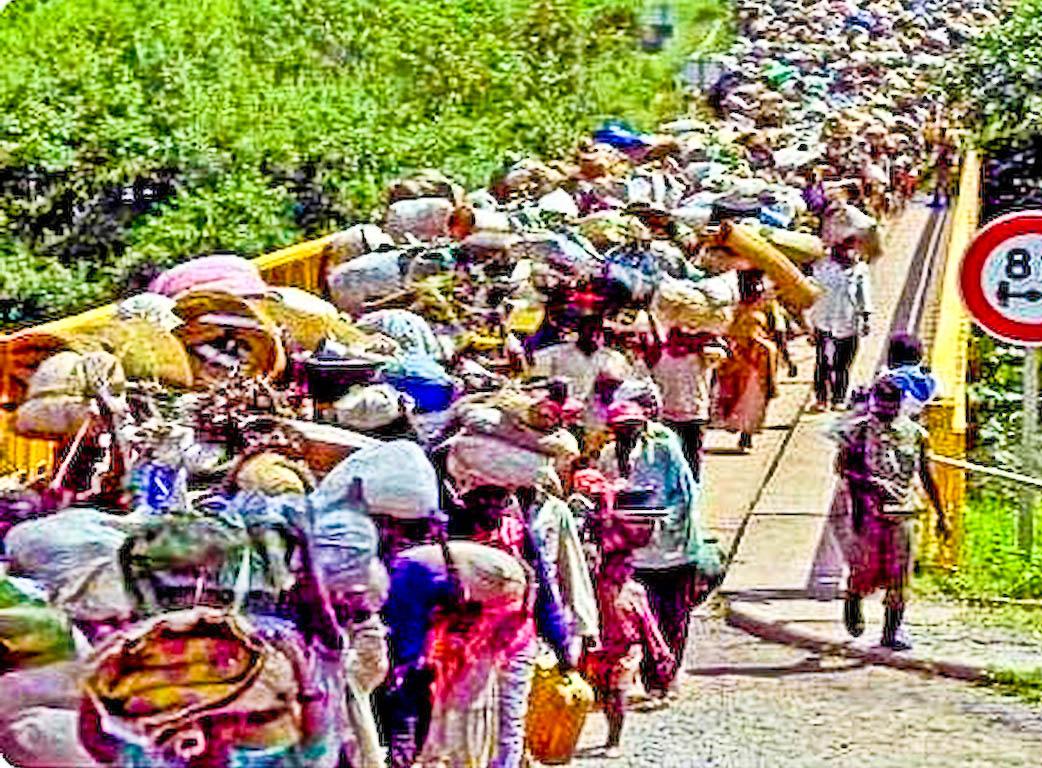 How do you assess the attack carried out by the United States and Israel against Iran? What will be its principal consequences?
The Middle East — and perhaps the rest of the world as well [...]
How do you assess the attack carried out by the United States and Israel against Iran? What will be its principal consequences?
The Middle East — and perhaps the rest of the world as well [...] 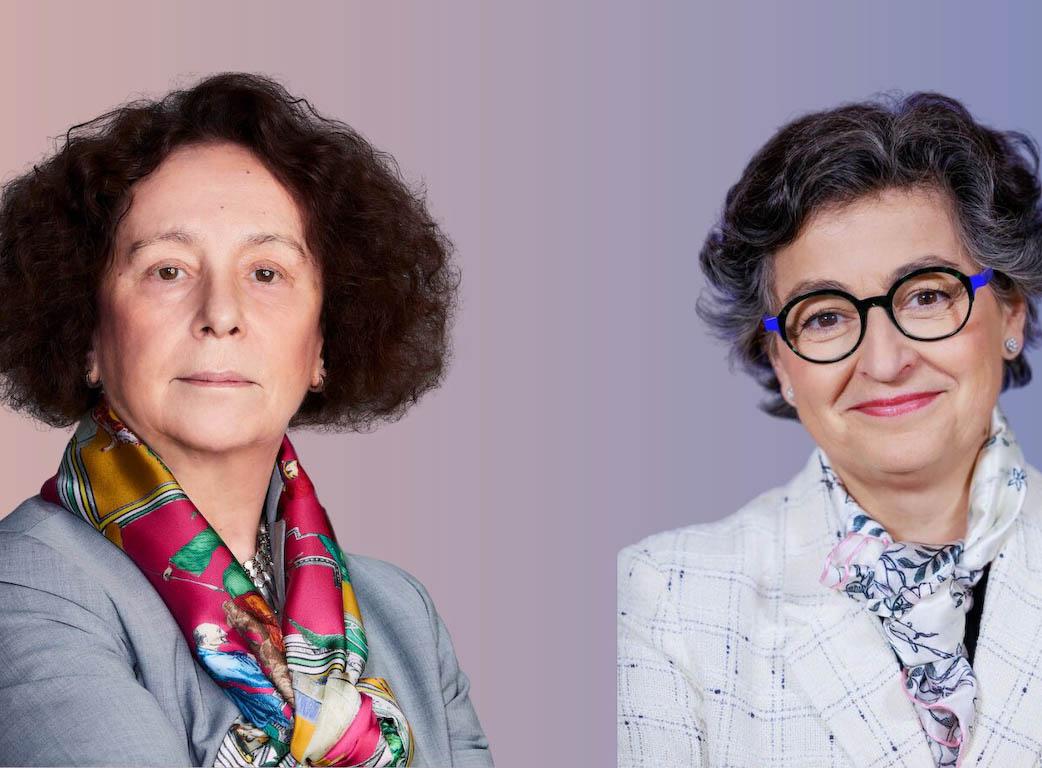 Until little more than a decade ago, the world order was based on a set of rules agreed by the Western bloc after the Second World War. Within that order, a hegemonic country — the United [...]
 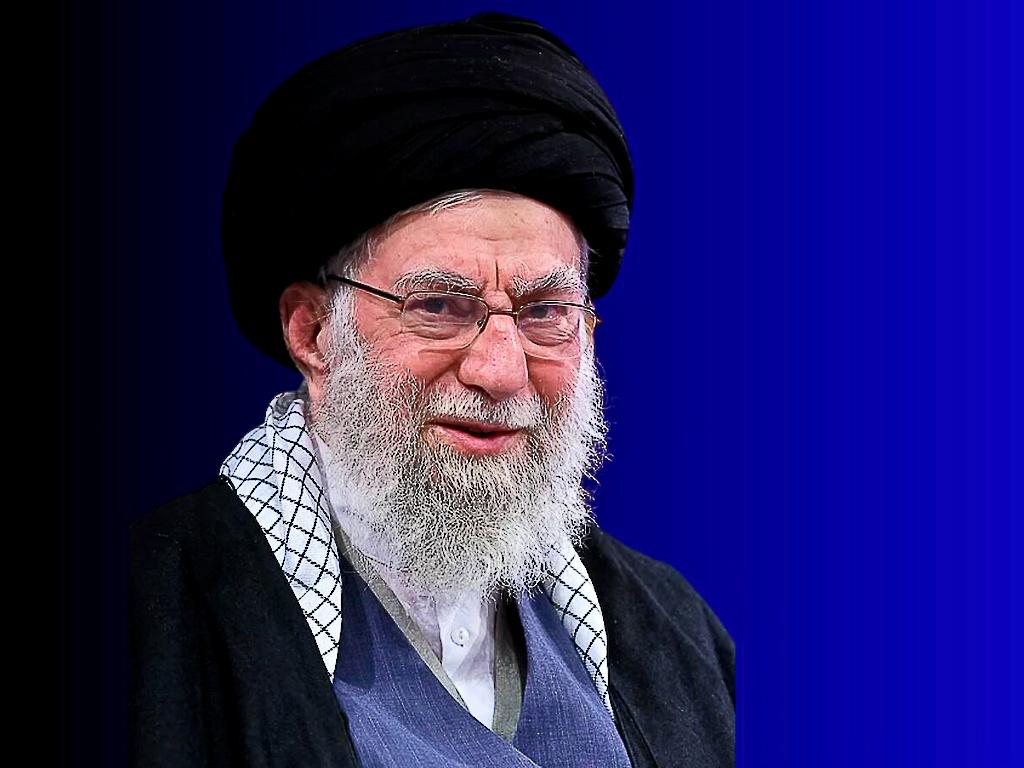 The death of Ali Khamenei does not close a chapter, yet it profoundly disrupts the Middle Eastern chessboard and forces us to ask whether such an assassination might unite a society that was [...]
 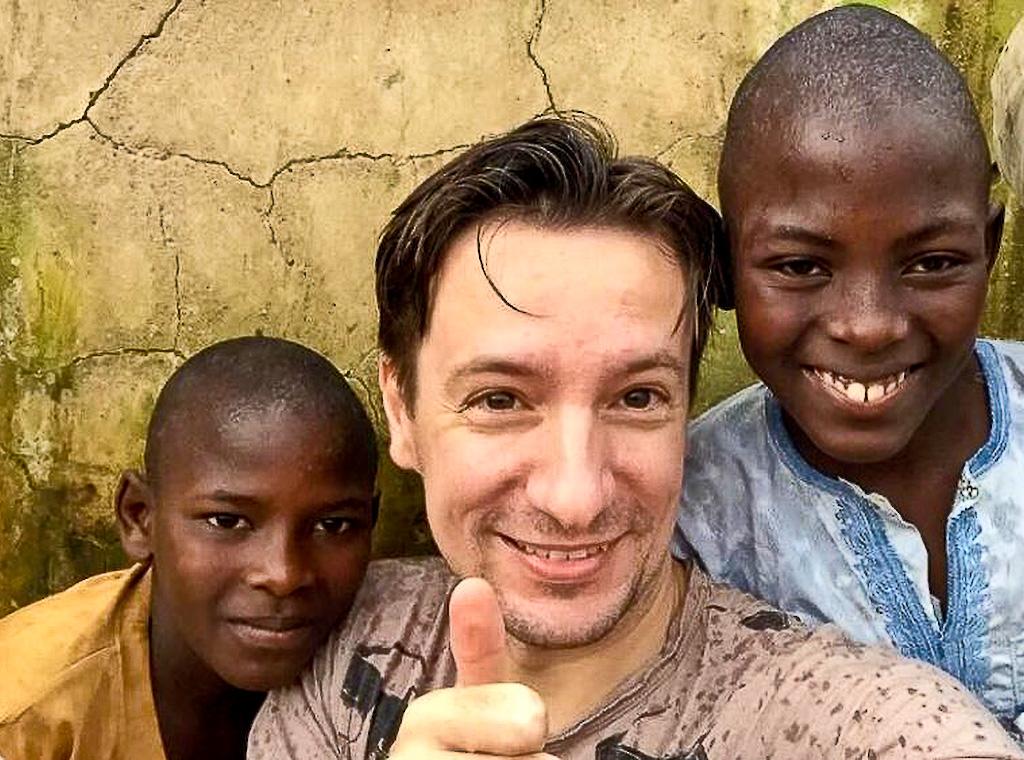 Let us gather the legacy of Luca Attanasio “in order to continue building a world in which peace is more desired than war, in which kindness is more necessary than violence, in which solidarity [...]
 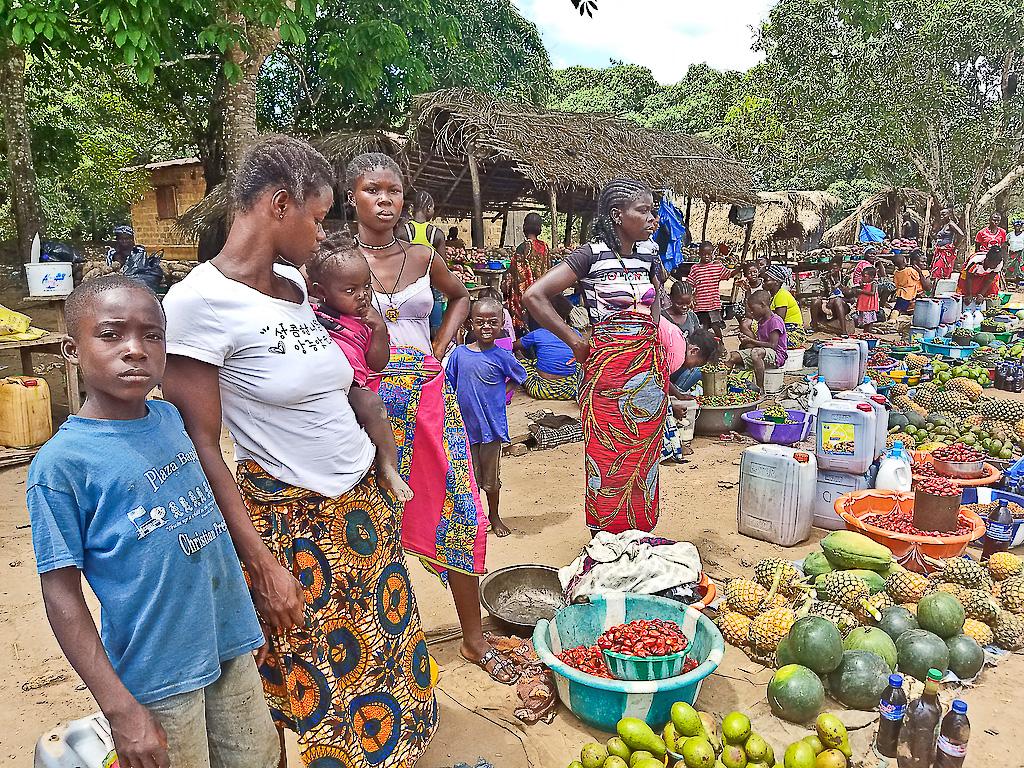 From North America to Africa, passing through Latin America and Oceania, no continent escaped the vast wave of European colonisation. Almost the entire globe experienced some form of European [...]
 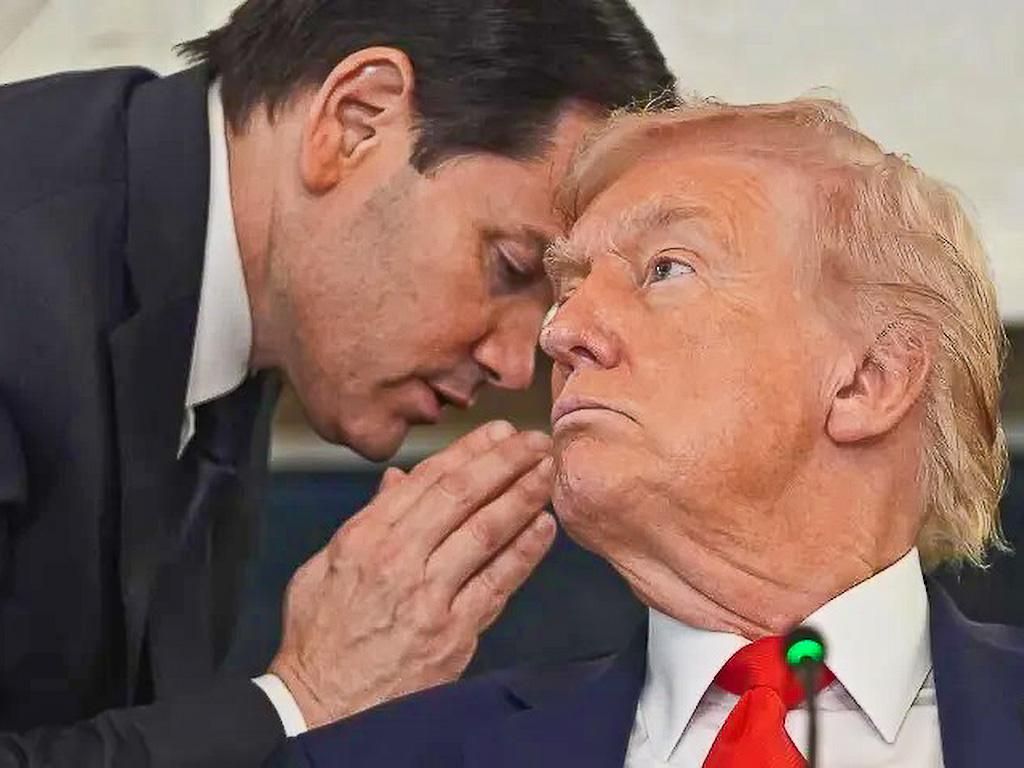 There are moments in history when the decisive question is not who possesses the greatest strength, but whether an order still exists that is capable of containing it. When international law and the [...]
 Info
Email: jampypezzi@gmail.com - tel. +39 328 732 6990 / +243 991 457 856
This blog is made in 4 languages: it en fr es

 EDitt | Web Agency
Leave a comment