Justice, Peace, Integrity
of Creation
Justice, Peace, Integrity
of Creation
By John Paul Pezzi, Mccj
Justice, Peace, Integrity
of Creation
By John Paul Pezzi, Mccj
Justice, Peace, Integrity
of Creation
By John Paul Pezzi, Mccj
Justice, Peace, Integrity
of Creation
By John Paul Pezzi, Mccj
“Europe Has to Wake Up”
Ethic 20.07.2026 Ana Palacio Translated by: Jpic-jp.orgUnder the umbrella of American defence, Europe was able to build “the best collective project of humanity in the second half of the 20th century”, based on peace, prosperity and regulation. Now, “we cannot ignore the equations of power”. Interview by Carmen Gómez-Cotta and Pablo Blázquez with Ana Palacio, former Spanish Foreign Minister.
Recently, there was a summit between the United States and China, a meeting that had not taken place since 2017 and that brought together the leaders of the two powers competing for international leadership. In your view, what are the main conclusions of this summit?
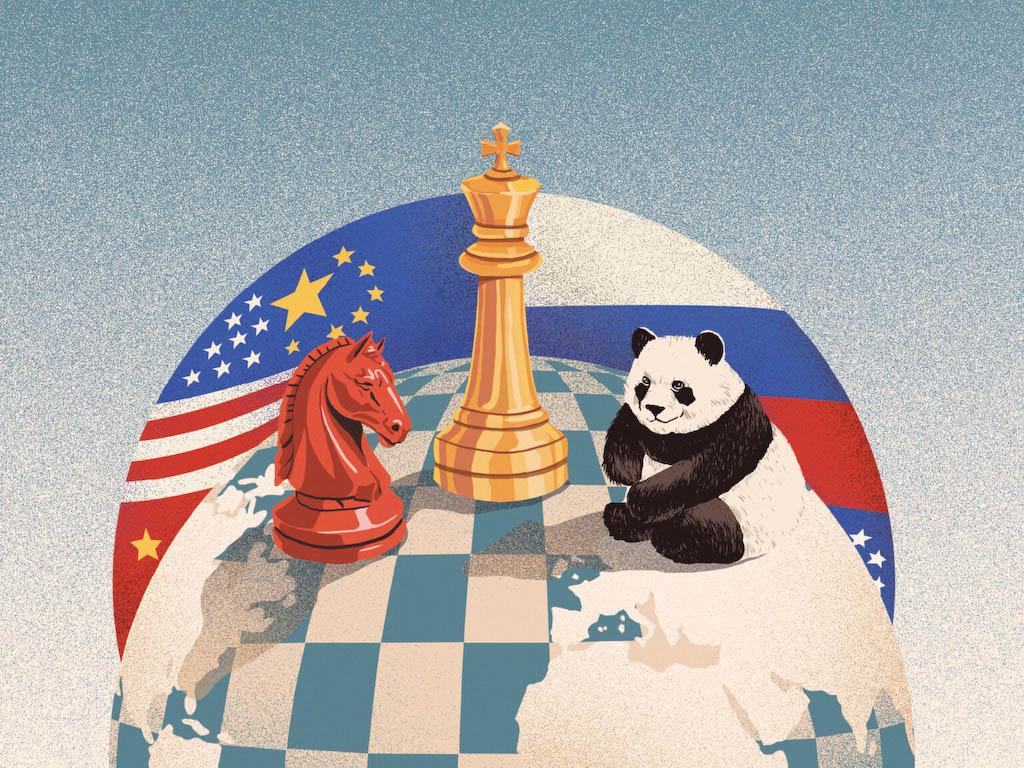
Very shortly after the meeting between the two leaders ended, China issued its readout — the official summary released by each side — which is exceptional, because the American one normally comes out first. China made it very clear what that summit was about. The communiqué begins with a reference to the “Thucydides Trap” [Tension between an established power and an emerging nation, Athens and Sparta in antiquity, the USA and China today, potentially leading to a major uncontrolled conflict]— personally, I find that metaphor greatly overvalued — which reflects the mood of the educated public. The first conclusion is that China contradicts everything it has been saying about not entering into competition. It is also a gateway to the core of the communiqué, which is Taiwan. China places strategic stability at the centre. In reality, what it is doing is placing the burden of proof on the United States to respond to this strategic challenge.
Much later, a United States communiqué was issued, describing a very different meeting: a list ranging from fentanyl to the offer to sell them fossil fuels, with Hormuz in between. The only mention of Hormuz in the Chinese communiqué is a reference to the fact that Iran was discussed.
Precisely, one of the points on the agenda of that US-China summit was to ask China for its cooperation in unblocking the Strait of Hormuz. What Trump thought would be a quick and successful operation has now lasted more than three months, with no sign of an end. You know that part of the world well. How have we reached this situation and, above all, how can we get out of it?
The tinderbox of the Middle East is not something that emerged today or yesterday, nor was it caused by the terrorist attack of October 2023. That region is an area of geopolitical tectonic plates that are in permanent friction. We are in a situation of extraordinary volatility. The closure of Hormuz could undermine one of the pillars of the system of exchange, namely freedom of the seas.
Does that mean that freedom of navigation is under threat?
Certainly. At that meeting, the United States put it on the table. In addition, both countries say that Iran cannot have an atomic bomb. This shows that the great concern of the United States is the nuclear issue. If Iran openly joins the list of nuclear countries, all the balances will be broken, because Saudi Arabia and Turkey will follow. We must bear in mind that Pakistan and India are already nuclear powers. I have taken part in what the Americans call Track II Diplomacy concerning the JCPOA [the Joint Comprehensive Plan of Action, its English acronym], which was the agreement on Iran’s military nuclear programme, and in which what was possible given the negotiating capacity at the time was done: pushing the problem into the future. It provided a breathing space, with the idea of seeking a more permanent solution.
In recent months we have seen Spain moving closer to China as the Asian power’s undeniable rise continues. What should Europe’s position be?
Within the European Union — and Spain is part of the European Union — there is an awareness of dependence in all the transition technologies. In response to this, we still cannot say that Europe has established an industrial policy; we are working on it. Europe is aware that it needs an industrial policy that takes this dependence into account. Spain is giving the impression of pursuing its own policy of rapprochement with Beijing in order to become a Chinese platform within the European Union. It is not in Spain’s interest to act against the European Union’s position, but at the same time Spain has its own interests. How can this be balanced? That is open to discussion, but clearly Spain’s interest does not lie in distancing itself from a common policy, nor, certainly, in becoming the standard-bearer of criticism of the United States.
The Trump administration is questioning and withdrawing its participation from various international organisations and agencies, a vacuum that China is skilfully filling. Should this concern us — let us not forget that China is a communist country — or should we accept it and seek to make the greatest possible use of the situation?
This is where the interests of the West are at stake. It concerns the international order as it was assembled after the Second World War, based on principles and values that define the West. I always refer my students to the Atlantic Charter, because it contains the vision of the world that was subsequently embodied in the multilateral architecture created from a very clear paradigm and set of values: the objective is peace, achieved through prosperity, which is reached through regulated exchange. That is the origin of this globalisation, which is protected by that multilateral structure.
China is playing very intelligently, filling the soft-power vacuums being left by the United States. And it is doing so from an understanding of the world that is not the Western one. Where we say freedom, Confucianism says security and harmony; where we say the individual, Confucianism says the group and the family. We centre politics on the individual, whereas Chinese culture centres it on the group. Europe is navigating these turbulent waters as best it can.
That said, it is clear that what we have done is the best collective project of humanity in the second half of the 20th century. But we have to recognise that we were able to do it because we had the security umbrella of the United States and, in a way, it allowed us to concentrate on our internal affairs. Once that umbrella is withdrawn, it becomes clear that our ability to sustain and reform that institutional framework is limited. Europe is accustomed to tackling major challenges through regulation, and that was possible before; now we cannot ignore the equations of power.
From the perspective of international law, how do you assess what has happened in Gaza since the 7 October attack and Israel’s response?
International law is not what it used to be either, because it was not designed for adversaries such as Hamas — non-state adversaries that do not respect even the most basic rules. International law requires respect for certain fundamental rules. The Cold War period is a good example of how neither the United States nor the Soviet Union violated this premise. Israel, Hamas and Iran have violated it. How is this to be arbitrated? This is the great question confronting us. What, in my opinion, is clear is that humanitarian law has not been properly managed, but that is only one area of international law.
Have recent developments in Iran diverted attention from Gaza and Ukraine?
That is true, but probably the most violent, dramatic and inhuman conflict is Sudan. Who talks about Sudan? Nobody. We are concerned about things when they appear in the media. And Sudan? Nobody is interested in Sudan; it is a war in which those involved do not generate as much media sensationalism. Ukraine is different. It is directly existential for us. And we have a complicated situation. Because — as states and institutions — we are committed when — as European societies — we do not share the same analysis of risks and threats.
How long will Europe be able to contain or withstand Russia’s attack?
It depends on how seriously we take it. Europe has more than enough wherewithal to fight back and stand its ground, but it has to do so. It is beginning to wake up; now it has to get out of bed, equip itself and get on with it.
One of the major issues is the creation of a European army. What do you think?
Focusing on a European army is a diversion, a way of deflecting attention. It is something that has been discussed since the 1950s. Rediscovering it now means failing to focus on where the problem lies. We have 27 armies. An easy comparison made by one of the great defence experts, a Spanish general whom I respect and from whom I learn, is that it is as if Europe had 27 cars and now had to agree on having one bus. The first thing would be to know where that bus is going to travel, because I want to go to the Sahel in my car and someone else wants to go to the Arctic.
Moreover, those 27 cars date from the 1990s and have hardly been used, so we need to see whether they work. Armies learn through wars. In antiquity, technological development was very slow; now it moves at dizzying speed. At present, we have armies that have not faced each other, while technology has changed completely.
So what does Europe have to do? We no longer have the United States’ umbrella.
First of all, we need to speak to our publics and tell them the reality: Europe has lost that umbrella. Europe is surrounded by insecurity. And we have a neighbour that has already demonstrated its capacity to destabilise. We have to invest in defence, and that involves making choices, because there is no infinite amount of money. Once you can no longer hide defence investment in another budget heading, you move on to the second step: updating our armies with today’s technologies. We can do that together, but first we have to develop an industrial infrastructure. At present, in defence, we depend on external sources; we have neither technological autonomy nor technological sovereignty.
Would it make more sense to strengthen NATO?
Of course. When people talk about a European army, NATO is an implicit counterpoint. NATO is unavoidable; Europe cannot do without what it provides. In other words, Europe cannot voluntarily do without the United States. It is not in Europe’s interest. We do not currently have the capacity. I believe that talking about a European army now diverts attention from where it needs to be: first, becoming aware of the threats and, second, investing in the defence industry according to a clear criterion. And it is the Army that must say what we need, not the European Commission.
The first thing Europe has to do is unite and become aware of the sacrifices that will have to be made to have that defence, and of what is at stake if we do not do so. That is why we need an industrial policy that responds to the needs of real armies and understands what Europe is.
The war in Ukraine highlighted the limits of the Green Deal and the need for strategic autonomy. Can Europe guarantee energy decarbonisation?
The language of energy does not change because of Russia; it has changed now because of Hormuz. We have become aware of something that should have been clear even before the Green Deal: the first priority in energy is security of supply. In Europe, we took two things for granted: the aforementioned American defence umbrella and the assumption that the market would guarantee security and affordability of supply.
With the Green Deal, Europe focused on the environment and went deeply into climate objectives. The treaty establishes that the energy mix — that is, ultimately, security of supply — falls exclusively within the competence of the Member States, while sustainability and the environment fall within the competence of the European Union. The first von der Leyen Commission began to influence the energy mix in order to make it greener. Until security came to the fore. Now we have changed course and the environment has moved into second place. The priority is autonomy, sovereignty and electrification.
But there is part of the economy that cannot be electrified, so we will have to continue relying on molecules — for the time being, oil and gas — which account for 80% of global energy consumption and which will have to be decarbonised. The transition is a reality, but it will be a slow, uneven and, in some respects, disorderly process.
Will the Paris climate decarbonisation targets therefore be achievable?
The “Fit for 55” objective [reducing net greenhouse-gas emissions by at least 55% by 2030 compared with 1990 levels and achieving climate neutrality by 2050] seems difficult to me. Europe’s problem is that regulations do not enable us to change the world, while they can have a damaging effect on our companies. It will depend on the arrangements we reach with different partners, on technological progress and on self-sufficiency in rare earths.
Some European energy companies are investing in exploring and exploiting oil and gas fields in regions other than the Gulf, because of the instability of that region. I am referring specifically to projects under way in Latin America, along the African coasts and, obviously, in the Arctic.
And what role will nuclear energy play?
In my view, we need all sources of energy. Europe’s interest lies in the realism embodied — interestingly — in a project that never saw the light of day: the Energy Union [a European Commission initiative whose objective was to ensure that Europe had a secure, sustainable, competitive and affordable energy supply], proposed in 2015 and withering away with the publication of the Green Deal.
We need the broadest possible range that offers the greatest flexibility, with diversity of sources, origins, routes and dependencies. Because dependence on oil is clear and is reflected in the bill citizens pay each month.
Finally, looking not at yesterday’s world but at today’s. Will liberal democracy survive the challenges posed by populism?
It will survive if we fight for it and defend it. To repeat the words of Mario Draghi at an appearance before the European Parliament in February 2025, when he was asked what we should do. He said — I am paraphrasing — “Look, I have told you to do this and that. I do not know what you have to do, but do something.” Europe has to wake up; we have more than enough resources. Let us be clear: we have ageing populations and complicated migration situations, but we also have education, and basic research remains extraordinarily important. We have the wherewithal. Now we will have to analyse where our shortcomings lie, or where we have created situations that were justified and sustainable in yesterday’s world, but not in today’s.
See, «Europa tiene que despertar»
Photo. ©Jeosm
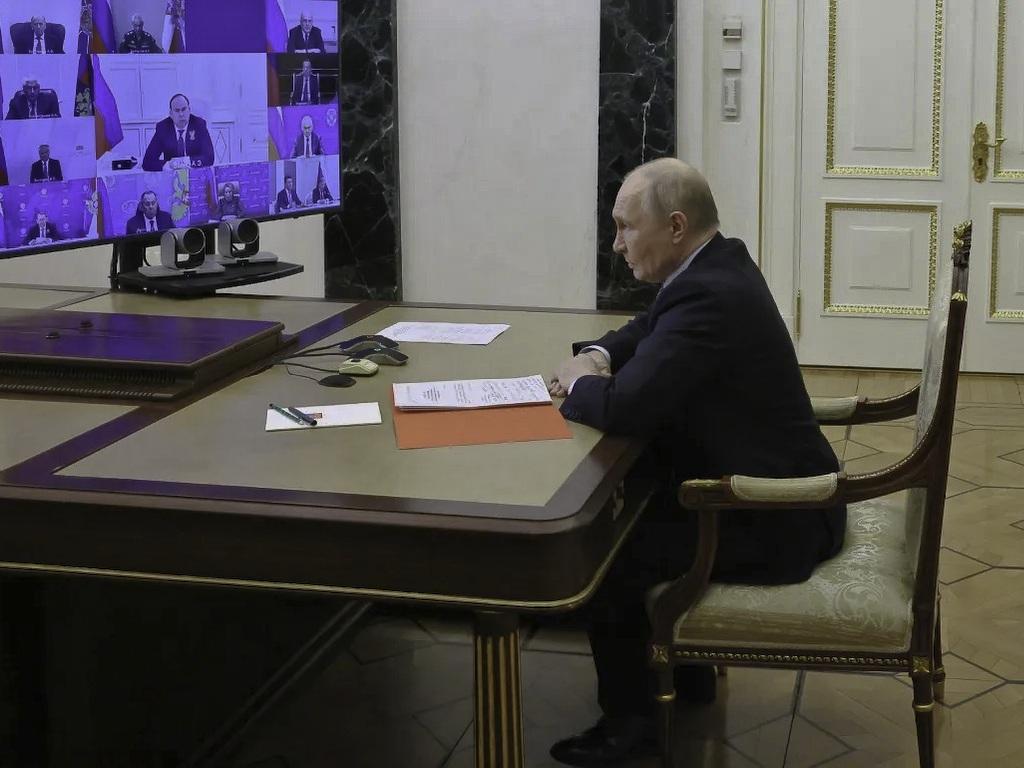 Russia’s war on Ukraine is entering a new phase. That does not mean the situation will change overnight, but the chances of escalation and the conflict spreading are growing.
The most [...]
Russia’s war on Ukraine is entering a new phase. That does not mean the situation will change overnight, but the chances of escalation and the conflict spreading are growing.
The most [...]  When, on 30 April, nearly 200 activists from the Global Sumud Flotilla were forcibly disembarked at a port on the southern coast of Crete after having been stopped by Israeli special forces, many [...]
  June 1944. Allied troops landed in Normandy to begin the liberation of Europe from Nazi rule. Operation Overlord, an unprecedented military offensive, paved the way to Victory in Europe Day in May [...]
  The situation is incredible, bordering on paradoxical, perhaps even ridiculous: in the midst of secularization, while individuals in their private lives do not care in the least about the dictates of [...]
  How do you assess the attack carried out by the United States and Israel against Iran? What will be its principal consequences?
The Middle East — and perhaps the rest of the world as well [...]
How do you assess the attack carried out by the United States and Israel against Iran? What will be its principal consequences?
The Middle East — and perhaps the rest of the world as well [...] 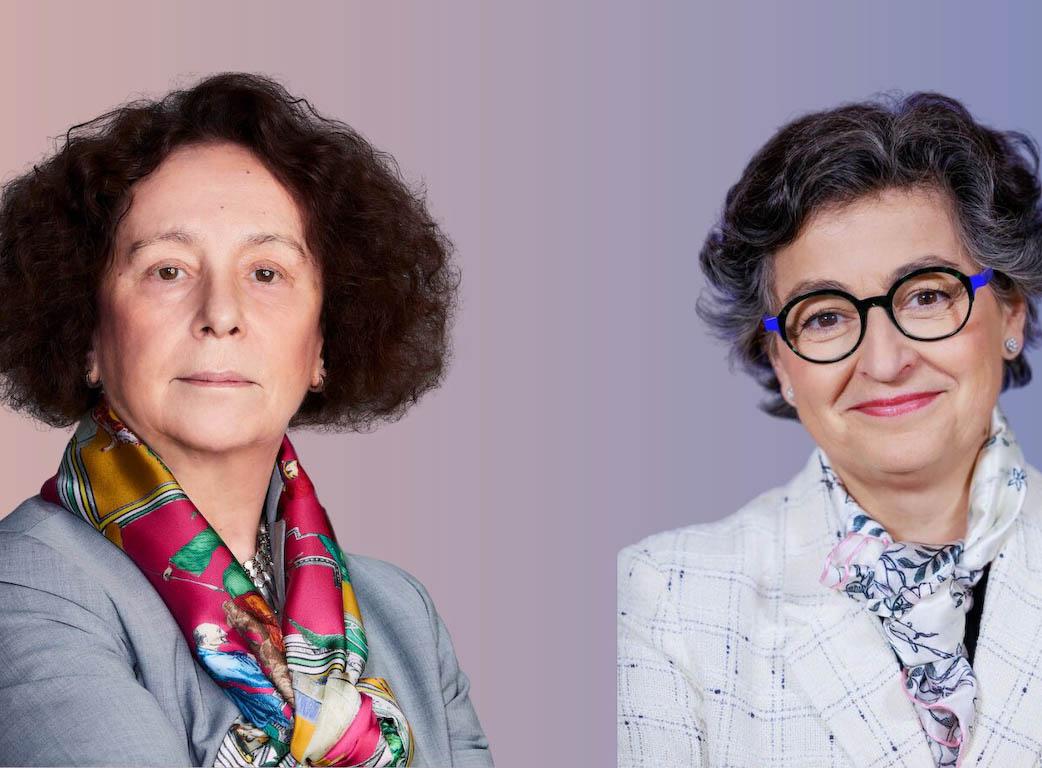 Until little more than a decade ago, the world order was based on a set of rules agreed by the Western bloc after the Second World War. Within that order, a hegemonic country — the United [...]
 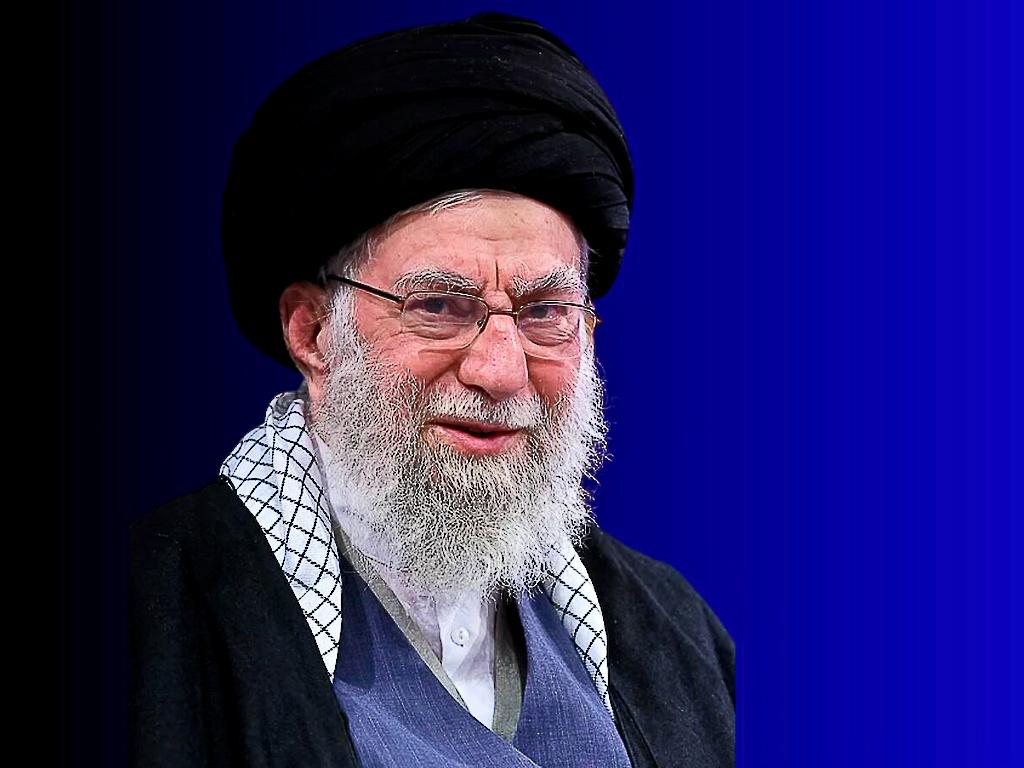 The death of Ali Khamenei does not close a chapter, yet it profoundly disrupts the Middle Eastern chessboard and forces us to ask whether such an assassination might unite a society that was [...]
 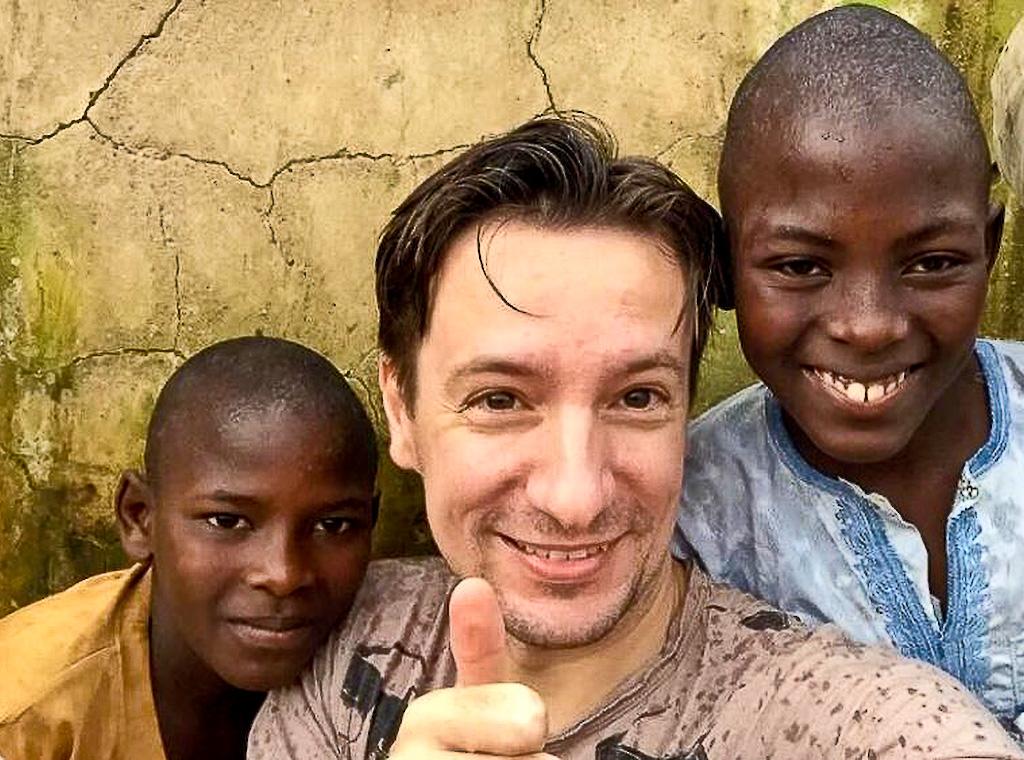 Let us gather the legacy of Luca Attanasio “in order to continue building a world in which peace is more desired than war, in which kindness is more necessary than violence, in which solidarity [...]
 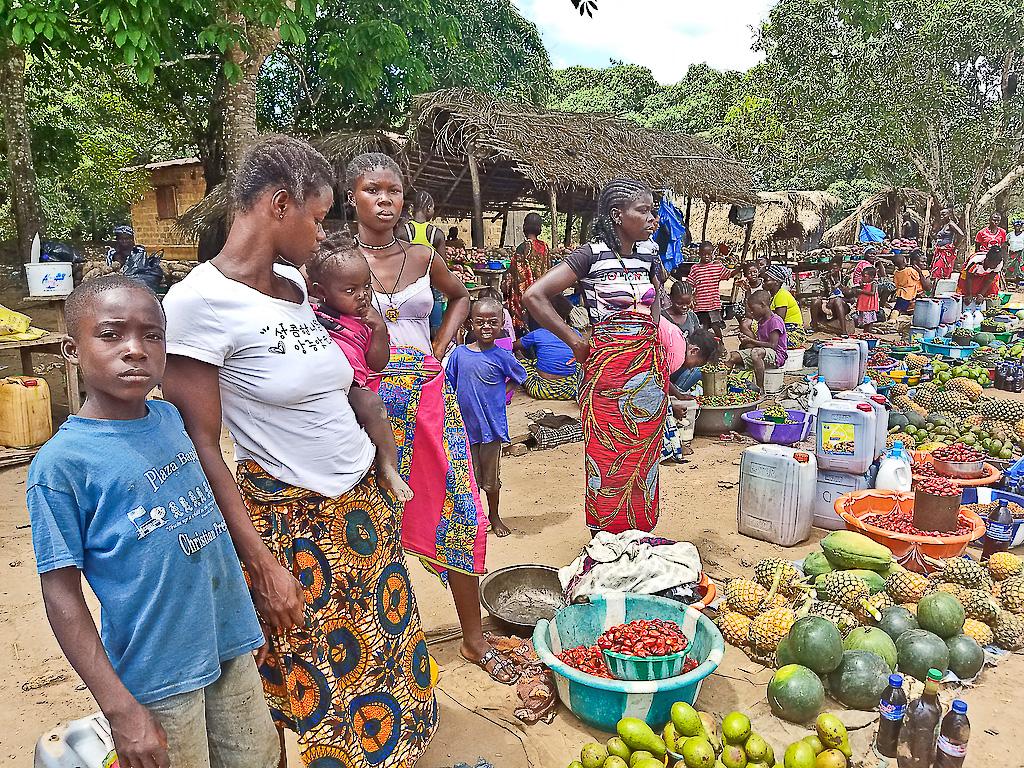 From North America to Africa, passing through Latin America and Oceania, no continent escaped the vast wave of European colonisation. Almost the entire globe experienced some form of European [...]
 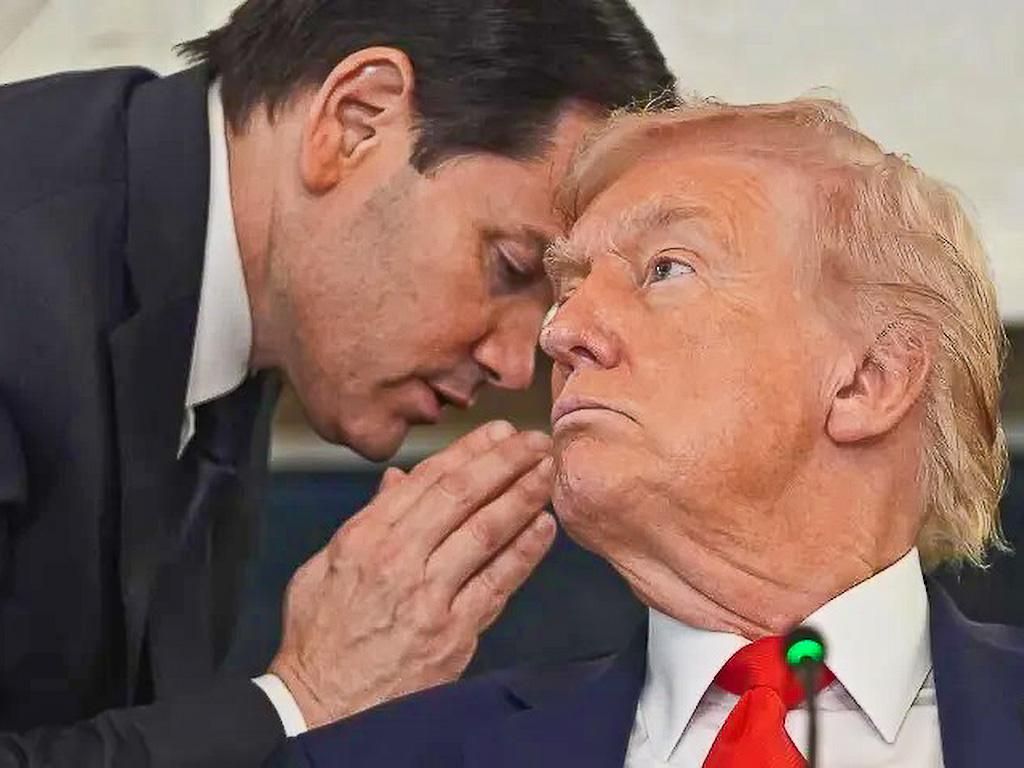 There are moments in history when the decisive question is not who possesses the greatest strength, but whether an order still exists that is capable of containing it. When international law and the [...]
 Info
Email: jampypezzi@gmail.com - tel. +39 328 732 6990 / +243 991 457 856
This blog is made in 4 languages: it en fr es

 EDitt | Web Agency
Leave a comment