Justice, Peace, Integrity
of Creation
Justice, Peace, Integrity
of Creation
By John Paul Pezzi, Mccj
Justice, Peace, Integrity
of Creation
By John Paul Pezzi, Mccj
Justice, Peace, Integrity
of Creation
By John Paul Pezzi, Mccj
Justice, Peace, Integrity
of Creation
By John Paul Pezzi, Mccj
“Democracy does not disappear overnight; it is first hollowed out from within”
Ethic 04.05.2026 Pablo Blázquez Translated by: Jpic-jp.orgMoisés Naím (Libya, 1952), one of the sharpest and most perceptive analysts of our time, knows the inner workings of power intimately, having served as Venezuela’s Minister of Industry — before Hugo Chávez hijacked the country — and later as a director at the World Bank. We spoke with him about Iran, Donald Trump, Benjamin Netanyahu and the latest shifts on the international geopolitical chessboard.
How do you assess the attack carried out by the United States and Israel against Iran? What will be its principal consequences?
The Middle East — and perhaps the rest of the world as well — will be transformed by the war in Iran. What will be the most significant and enduring consequences of this armed conflict? Once, Chinese Premier Zhou Enlai — the first Prime Minister of the People’s Republic of China and one of the principal architects of the communist state — was asked what the consequences of the French Revolution had been. It was 1972. After a moment’s reflection, he replied: “It is still far too early to know.”
You have said that “it is remarkable how much Trump resembles Hugo Chávez”.
In their audacity, their ruthlessness and their charisma, yes. Also in their instinctive use of the media as an instrument through which to conquer and exercise power. Yet perhaps the strongest resemblance lies in their unrestrained narcissism. All politicians possess a degree of narcissism; it is almost a prerequisite of the profession. But in the case of these two leaders, that trait reaches an unusual intensity. Their narcissism is not merely a personality characteristic: it is a driving force behind their decisions and the way they relate to others. In both cases, power is not simply a means of governing; it is also a mirror.
Do you believe Venezuela could undergo a genuine transition towards democracy?
A surprising transition is already under way under the stewardship of President Donald Trump and US Secretary of State Marco Rubio. But here too, it is still far too early to judge how this process will evolve. The strange cohabitation between the White House in Washington and the Miraflores Palace in Caracas is producing unprecedented political and economic dynamics. Some are highly welcome, such as efforts to revive Venezuela’s oil industry. Others are deeply troubling, notably the slow pace at which political prisoners are being restored their freedom. Democratic transitions fail not only because of the enemies they confront, but also because of the ambiguities they tolerate. And Venezuela still has far too many of those.
The breakdown of multilateralism, weakening institutions, polarisation, fake news… Are we still in time to save liberal democracy?
In some countries, yes; in others, probably not. Take Hungary under Viktor Orbán, where democracy has become little more than an electoral charade (Let us see what happens now!). By contrast, in Ukraine we have witnessed the heroic determination of an entire nation resolved to defend its freedom against external aggression. Democracy does not vanish all at once; it is first emptied from within.
Just over a year ago, Trump publicly humiliated Zelensky. What are the major geopolitical dynamics shaping the present moment?
I would summarise it in one phrase: “The end of power” — with apologies for citing my own book. What we are witnessing today confirms that idea: power has become easier to acquire, harder to wield and easier to lose. That does not mean that vast concentrations of power no longer exist. They do — and they are formidable: the United States, China, Russia, the major technology giants and the large financial conglomerates. Yet even these actors are discovering that governing today’s world is becoming increasingly difficult. Canadian Prime Minister Mark Carney expressed it well when he spoke of the “fracturing of the world order”. The superpowers remain powerful, but they are no longer omnipotent.
The brutality perpetrated by Netanyahu in Gaza left the UN in a state of paralysis. Has brutality become the new language of geopolitics?
Sadly, brutality has always been one of the languages of geopolitics. What is alarming today is that it appears to be asserting itself with fewer and fewer counterweights. The inability of the United Nations to prevent conflicts or contribute decisively to ending them is nothing new. It is a reality that has accompanied us for decades. That is why strengthening the international system is so urgent. I realise it may sound naïve to believe that an organisation made up of 193 countries could function more effectively. But it is even more naïve to resign ourselves to its dysfunction.
The events in Minneapolis raised alarm bells. How do you assess the nationalist and xenophobic wave sweeping across the world?
It is here to stay, at least for a time. But that does not mean it is invincible. Exclusionary nationalism flourishes when democracy weakens and when education fails. That is why, paradoxically, the best defence against these currents remains more democracy and better education. Xenophobia is a powerful emotion, but history shows that it is not an inevitable destiny.
These political shocks are unfolding amid a technological revolution that is concentrating wealth and power. Where is the disruption caused by artificial intelligence leading us?
No one truly knows. And that is precisely what is unsettling. We are confronted with a technology that simultaneously embodies one of humanity’s greatest technological triumphs and one of its deepest threats. Even some of the leading figures within the technology sector acknowledge that we are not fully prepared to manage its consequences. Artificial intelligence amplifies our capabilities. The great question is whether it will also amplify our irresponsibility.
The spirit of our age appears to be drifting towards authoritarianism. Which world leaders inspire the greatest confidence in you?
One of them is Mark Carney, whom I have already mentioned. He represents a form of leadership grounded in technical competence, institutional respect and political prudence — three qualities that are increasingly scarce today.
You have always expressed deep concern about climate change. Recent developments are hardly encouraging. What is your view?
Indeed, they are far from encouraging. Nature is sending us ever clearer signals that we must reduce CO₂ emissions and transform our energy model. Yet we continue to respond with a mixture of delay, denial and political calculation. The planet is already sending us the bill. The real question is how much longer we intend to postpone paying it.
See, «La democracia no desaparece de golpe; primero se vacía por dentro»
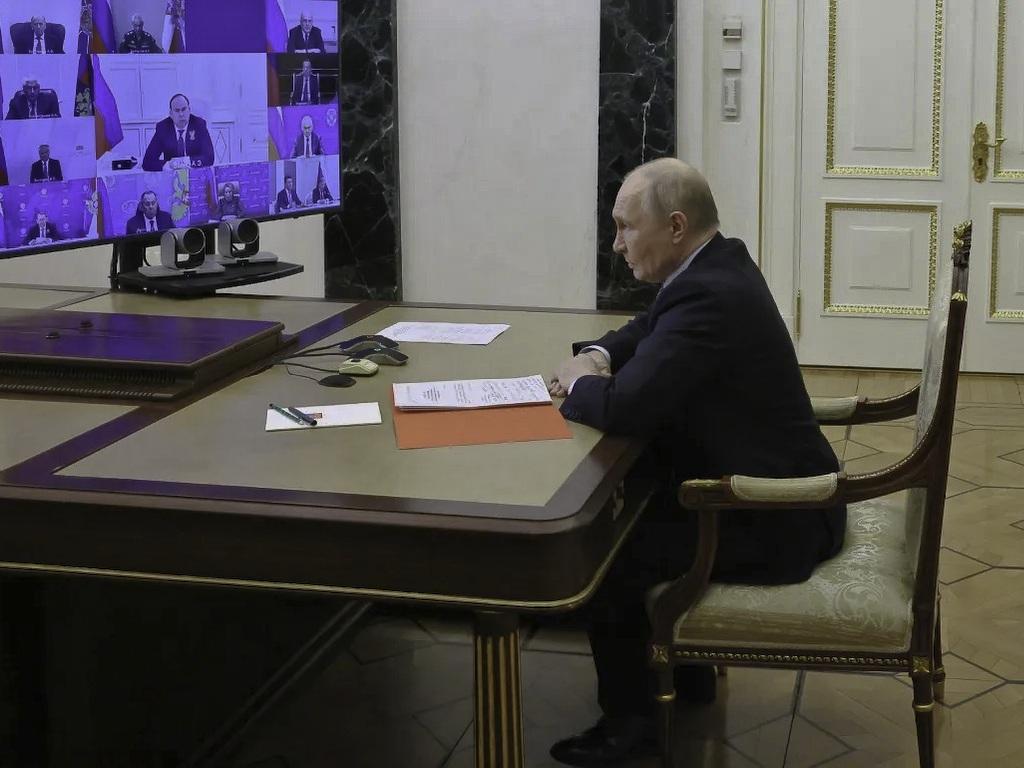 Russia’s war on Ukraine is entering a new phase. That does not mean the situation will change overnight, but the chances of escalation and the conflict spreading are growing.
The most [...]
Russia’s war on Ukraine is entering a new phase. That does not mean the situation will change overnight, but the chances of escalation and the conflict spreading are growing.
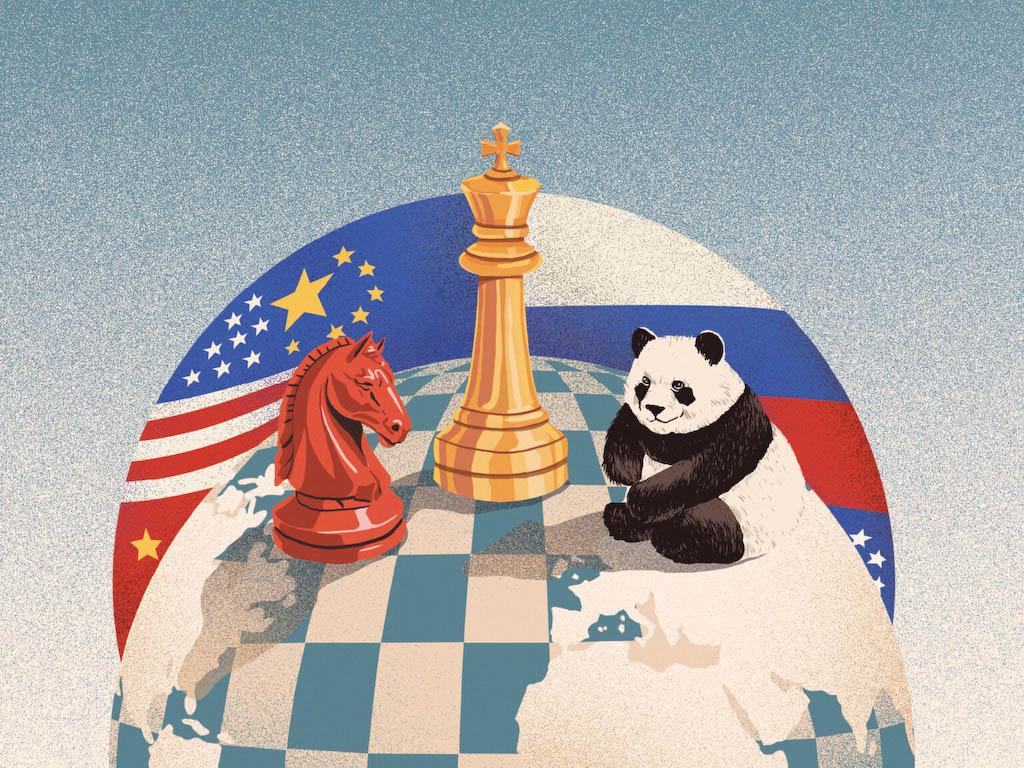
The most [...]  Recently, there was a summit between the United States and China, a meeting that had not taken place since 2017 and that brought together the leaders of the two powers competing for international [...]
 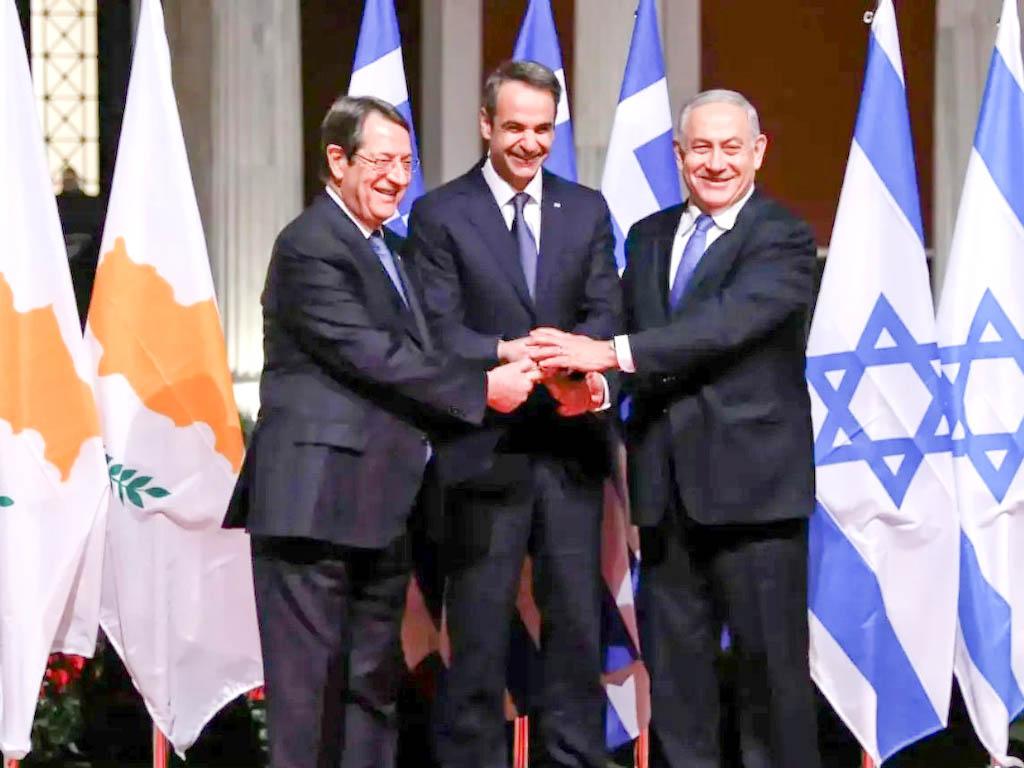 When, on 30 April, nearly 200 activists from the Global Sumud Flotilla were forcibly disembarked at a port on the southern coast of Crete after having been stopped by Israeli special forces, many [...]
  June 1944. Allied troops landed in Normandy to begin the liberation of Europe from Nazi rule. Operation Overlord, an unprecedented military offensive, paved the way to Victory in Europe Day in May [...]
 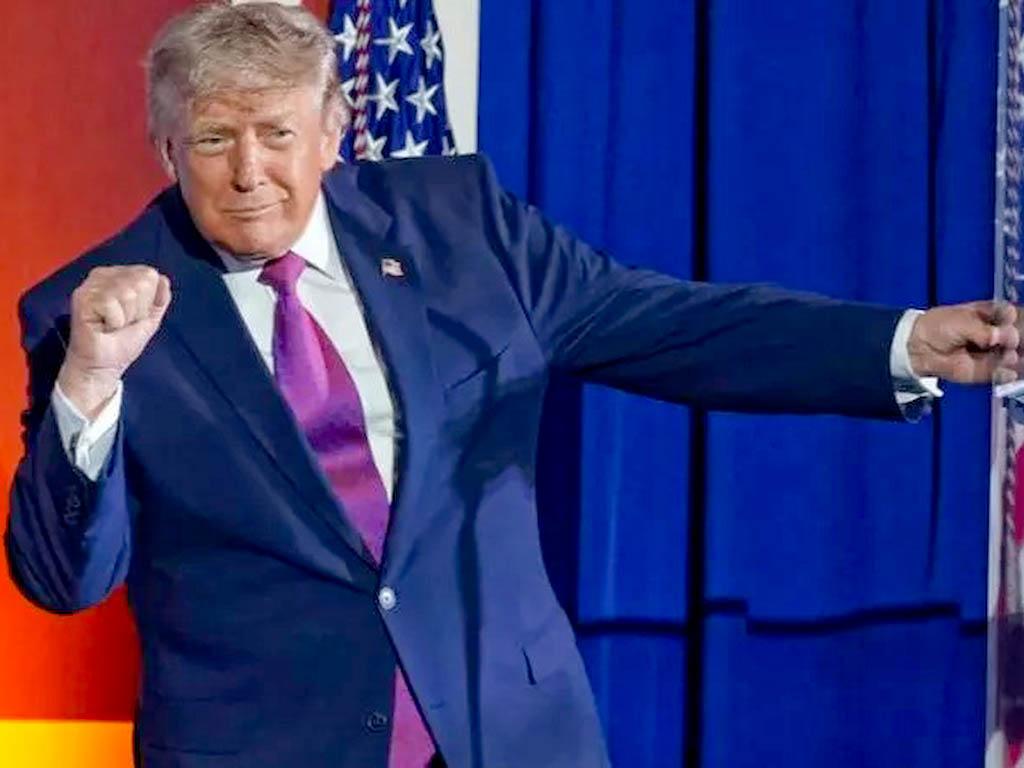 The situation is incredible, bordering on paradoxical, perhaps even ridiculous: in the midst of secularization, while individuals in their private lives do not care in the least about the dictates of [...]
  Until little more than a decade ago, the world order was based on a set of rules agreed by the Western bloc after the Second World War. Within that order, a hegemonic country — the United [...]
 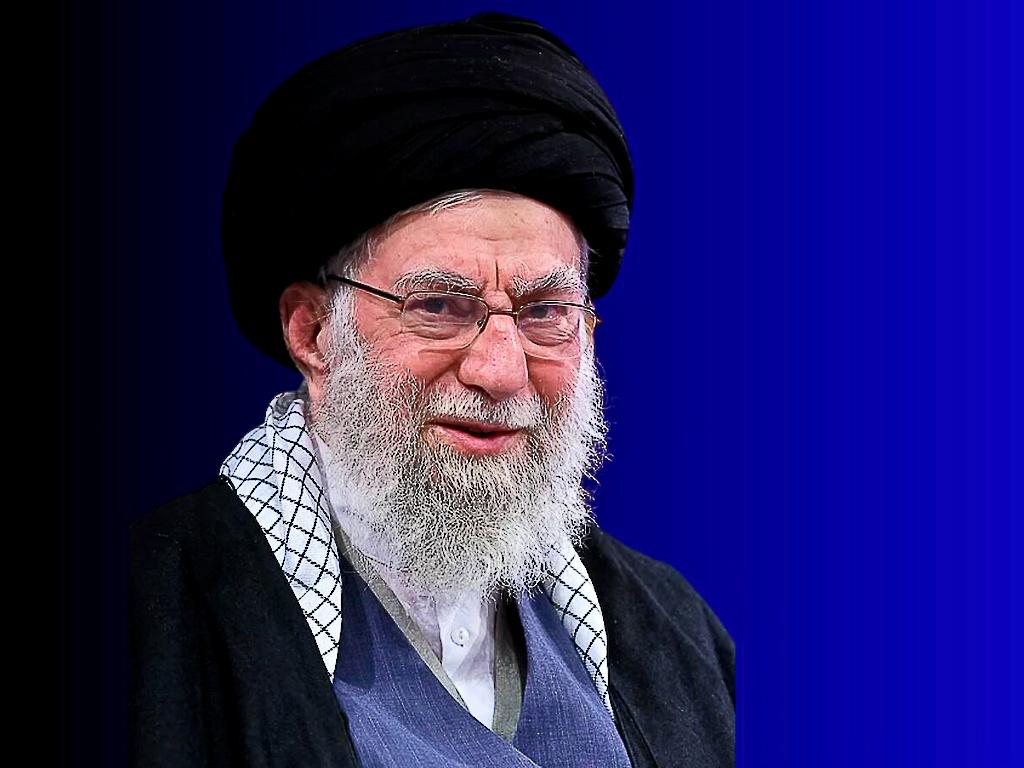 The death of Ali Khamenei does not close a chapter, yet it profoundly disrupts the Middle Eastern chessboard and forces us to ask whether such an assassination might unite a society that was [...]
 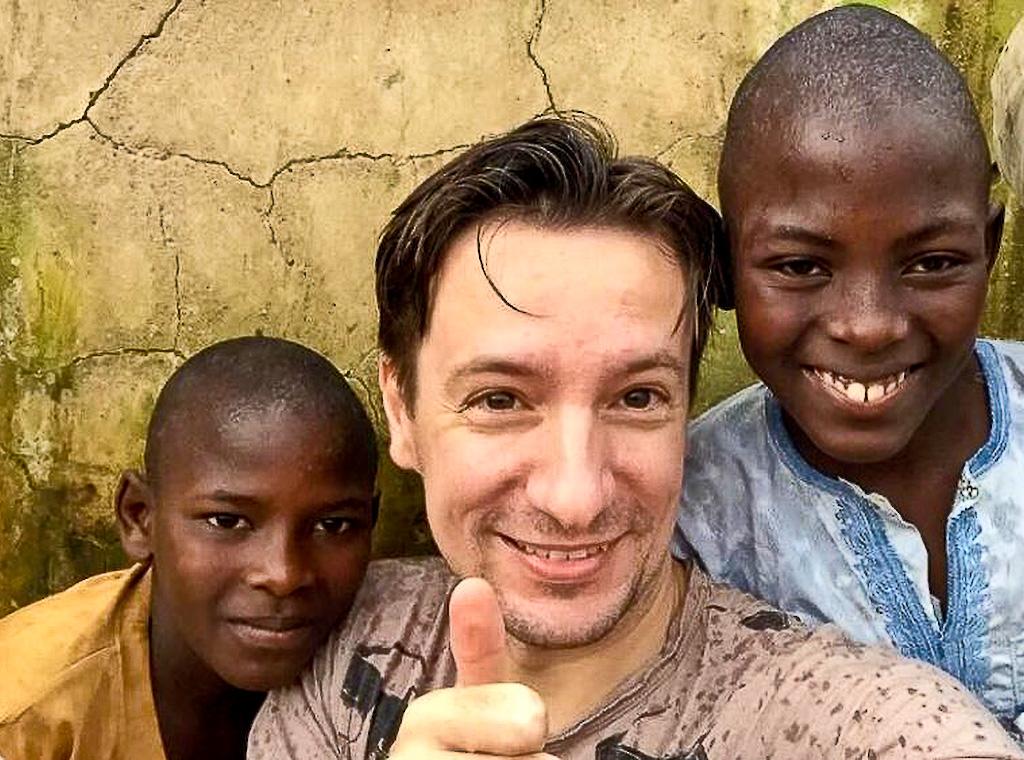 Let us gather the legacy of Luca Attanasio “in order to continue building a world in which peace is more desired than war, in which kindness is more necessary than violence, in which solidarity [...]
 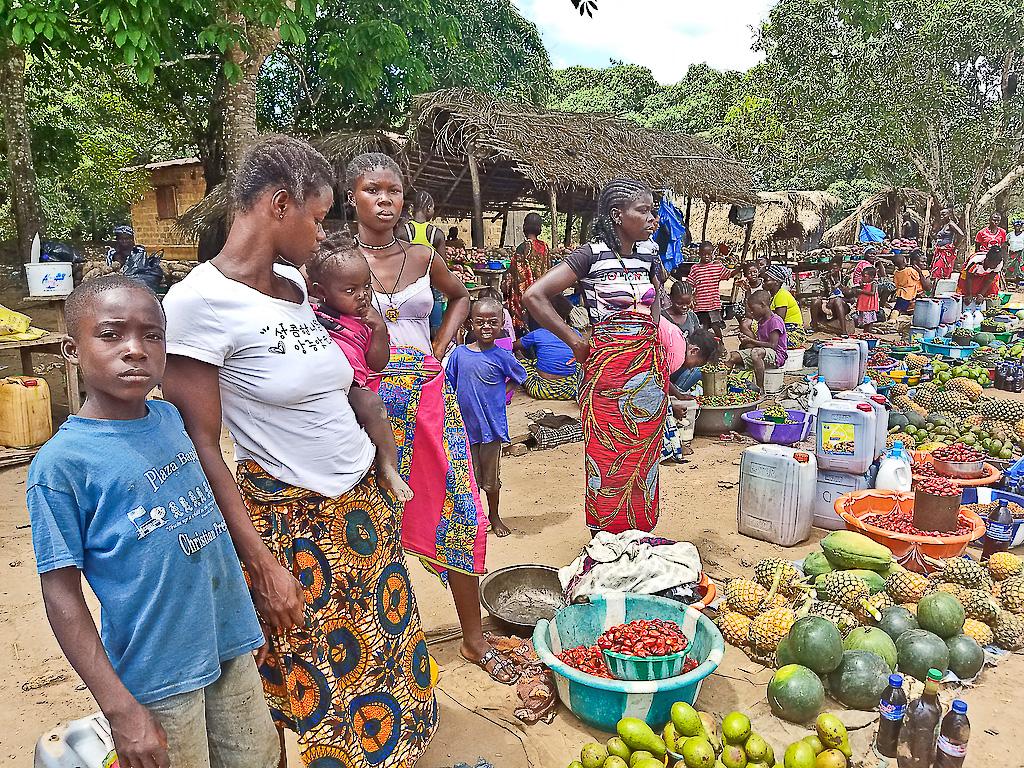 From North America to Africa, passing through Latin America and Oceania, no continent escaped the vast wave of European colonisation. Almost the entire globe experienced some form of European [...]
 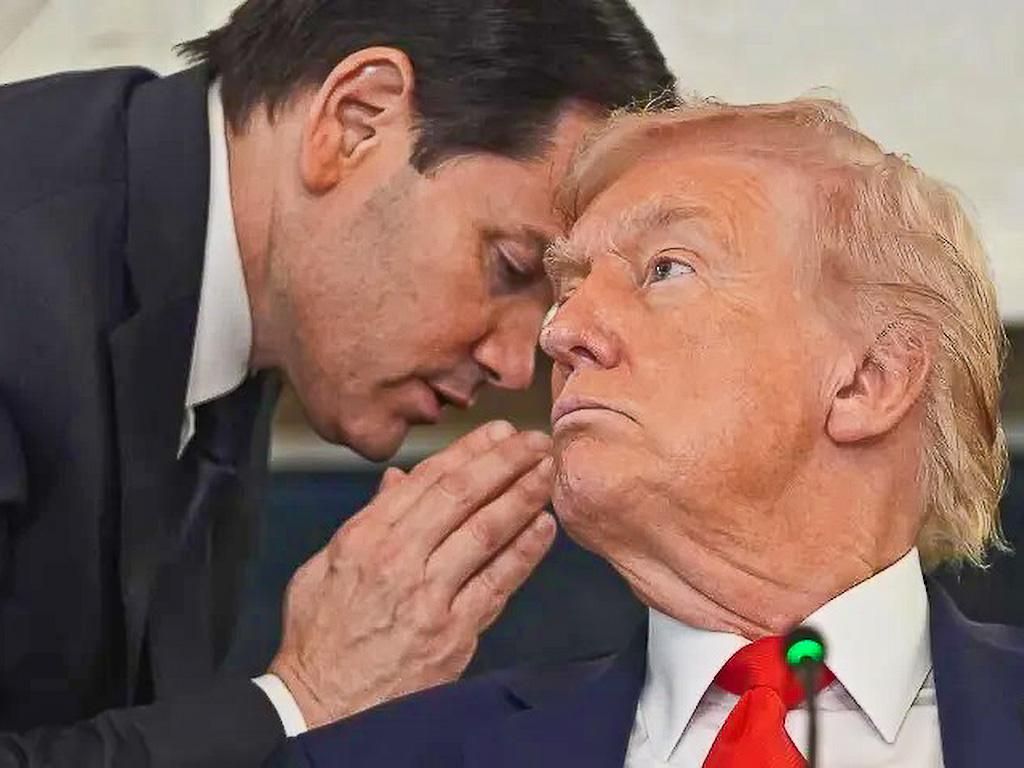 There are moments in history when the decisive question is not who possesses the greatest strength, but whether an order still exists that is capable of containing it. When international law and the [...]
 Info
Email: jampypezzi@gmail.com - tel. +39 328 732 6990 / +243 991 457 856
This blog is made in 4 languages: it en fr es

 EDitt | Web Agency
Leave a comment