Justice, Peace, Integrity
of Creation
Justice, Peace, Integrity
of Creation
By John Paul Pezzi, Mccj
Justice, Peace, Integrity
of Creation
By John Paul Pezzi, Mccj
Justice, Peace, Integrity
of Creation
By John Paul Pezzi, Mccj
Justice, Peace, Integrity
of Creation
By John Paul Pezzi, Mccj
Afghanistan. The Taliban invest in the future making the population to live in the past
Pagine Esteri 06.11.2026 Davide Tornielli Translated by: Jpic-jp.orgThe government in Kabul is building roads, developing trade links, exploiting mineral resources and strengthening relations with regional powers. But this economic modernisation project goes hand in hand with a political system that controls technology, excludes women from public life and represses every form of dissent. The future is being built for those in power; the population is forced to live in the past. Jpic edition.
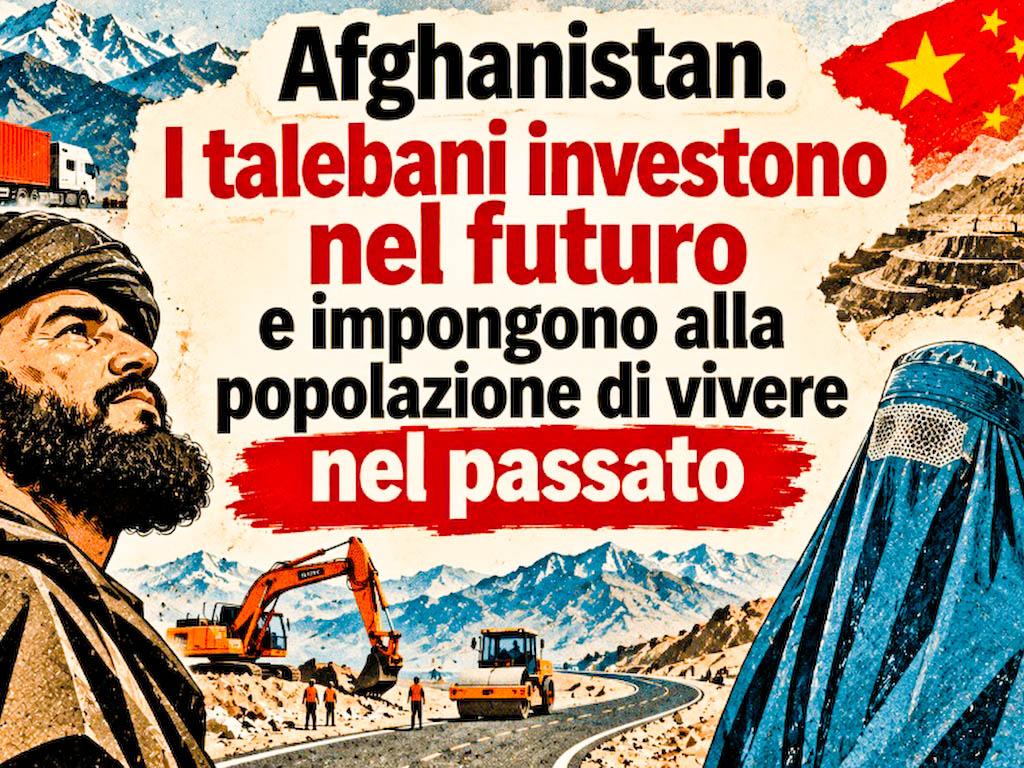
On 4 October 2026, Abdul Mansoor, Minister for Rural Development, attended the inauguration in Badakhshan of a road crossing the Wakhan Corridor and reaching the Chinese border at an altitude of over 5,000 metres. This is a remote and strategically important region, located close to Xinjiang, the Chinese region inhabited by the Muslim Uyghur minority, which is subjected by Beijing to a policy of control and repression that also makes use of advanced facial-recognition technologies. In Xinjiang, the Chinese government is also promoting the settlement of Han Chinese people from the country's central regions. Recently, the new county of Cenling was inaugurated.
The Wakhan road, approximately 70 per cent complete, was built in two years at a cost of five million dollars. Its importance goes far beyond connecting an isolated region: together with the Kandahar–Herat Road, which is still under construction, it will help establish an overland link between China and Iran. This project demonstrates Beijing's growing ability to extend its economic and strategic influence, despite Western sanctions and attempts by the United States and its allies to isolate the Taliban government.
The new Islamic Emirate therefore appears to have a development strategy firmly focused on the future. Roads, airports, railways, communications, international trade and the exploitation of natural resources are essential to making a country function and integrating it into regional economic networks. The Taliban have understood this. Their project, however, contains a fundamental contradiction: while seeking to modernise infrastructure and the economy, they want to keep society under the control of a hard-line religious doctrine that seeks to bring everyday life back to the patterns of the past.
This is not simply a rejection of modernity. It is a form of selective modernisation in which technology is accepted only when it serves the functioning of the state and the economy, while being prohibited or restricted whenever it might encourage personal autonomy, the free circulation of ideas or engagement with the outside world. It could be described as a form of technological discrimination.
Cars are permitted, but only on condition that their radios are not used. Laptop computers are also allowed, provided that access to the internet is restricted. The internet is centrally monitored, and a filtering system blocks access to websites considered immoral. Satellite phones and satellite dishes, on the other hand, are prohibited because they could facilitate the spread of ideas deemed contrary to Islam or contact with infidels. A tractor, an aeroplane or a bus, provided certain devices have been removed, are nevertheless regarded as legitimate, halal, instruments.
In other words, the regime does not want to give up the tools of contemporary society: it wants to decide which tools may be used, by whom and for what purposes. Modernity is accepted as a means of production, transport and control, but not as a space for freedom.
This choice is also reflected in domestic policy. The Second Emirate now seems more concerned with consolidating its power within the country than with promoting an international jihad, although its relations with several radical groups have not been severed. Daesh is the exception: it has become an enemy of the Taliban precisely on the battlefield of holy war, following years of shared opposition to the American presence.
The leadership in Kabul, in which Baradar and Haqqani play important roles, is seeking to accelerate the process of diplomatic and economic normalisation. Official recognition by Russia has already come, while recognition by India and China appears increasingly close. To achieve this, however, the government has not loosened its grip on civil rights. On the contrary, repression has intensified. Last August, public officials were even prohibited from using smartphones, a measure that risks further accelerating the departure of the few remaining skilled professionals in the country.
The brain drain is indeed one of Afghanistan's most serious problems. The government has attempted to retain technicians and professionals by bringing them into the administrative apparatus, but with limited success. It subsequently tried to replace qualified personnel with members of the Taliban movement. Faced with the exodus of university lecturers, Kandahar promoted the awarding of master's degrees to young Taliban members in 2025. This initiative reveals the conflict between the more pragmatic factions of the regime, concerned with the country's practical functioning, and the more orthodox elements, determined to impose their own religious interpretation on every aspect of social life.
The difficulties are not confined to education and administration. Following the departure of international forces in 2021, one of the first urgent priorities was to ensure that air transport continued to function. In a country where land connections had long been paralysed by war and insecurity, maintaining flights and managing airports were essential.
A solution was found immediately after the international coalition left Kabul airport. Turkish and Emirati technicians took over from Western personnel and restored the operation of the control towers, much to the Taliban's satisfaction. This led to a form of management entrusted to foreign operators, which also facilitated the entry of Chinese economic interests and, more recently, Russian ones.
This is an example of the new Emirate's pragmatic diplomacy. International relations do not necessarily follow ideological divisions. Turkey, for instance, can remain a member of NATO, pursue a power policy in the Middle East and compete with Saudi Arabia for religious influence in the Sunni world. Similarly, countries that do not share the Taliban's political vision can cooperate with Kabul when economic and strategic interests are at stake.
Afghanistan possesses natural resources that attract the attention of the major powers. The country produces oil from deposits in the Amu Darya basin, which it shares with Turkmenistan. In January 2023, the Taliban signed a 25-year agreement with the Chinese company Xinjiang Central Asia Petroleum, with the aim of reaching daily production of 15,000 barrels of crude oil.
But the potentially most strategic wealth lies underground in the south-east of the country. At Khanneshin, in Helmand Province, there is a significant deposit of rare earth elements, minerals essential to numerous advanced technologies and particularly sought after by China, which wants to strengthen its independence in semiconductor production and other technological sectors. According to estimates by the US Geological Survey, the total value of Afghanistan's mineral reserves could reach 89 billion dollars. These are complemented by large copper deposits and significant lithium resources, which are essential for the production of rechargeable batteries.
These are enormous resources, especially when compared with Afghanistan's gross domestic product, which stands at around 19 billion dollars. The problem is that this potential wealth does not automatically translate into better living conditions for the population. Investments and trade agreements can strengthen the government and attract foreign capital without ensuring that their benefits reach the communities living in the areas affected by mining activities.
The road network is also becoming increasingly important in the country's economic strategy. Tensions and blockages along energy routes in the Strait of Hormuz have increased the value of overland connections, as demonstrated by the oil tankers leaving Iran and heading towards Pakistan.
The first major paved road to be completed was the one between Kandahar and Kabul. The motorway towards Herat, a distance of 557 kilometres, is expected to become operational by 2028. The aim is to restore the so-called Ring Road, the circular road network connecting Afghanistan's main cities, which was built in the 1960s and severely damaged by the successive wars that began in 1979.
The government also wants to provide the country with a railway network. An initial section is expected soon to connect Herat with the border crossing at Islam Qala, near the Iranian frontier. Such projects could help overcome Afghanistan's geographical isolation and turn it into a transit hub for trade between Central Asia, the Middle East and South Asia.
Meanwhile, an entrepreneurial class is taking shape in the main cities, benefiting from relative stability, inflation of around 5 per cent, public contracts and the recovery of international trade. These are entrepreneurs who managed to survive the collapse of 2021 and who often resent the moral edicts issued from Kandahar. Nevertheless, they appreciate the improvement in security and the economic opportunities it brings. Here too, modernisation benefits certain sectors of society without changing the system of political and religious control imposed on the majority of the population.
Another major infrastructure project is the gas pipeline intended to transport natural gas from Turkmenistan through Afghanistan to Pakistan and India. This is a project conceived in the 1990s that remained stalled for decades, partly because of attacks by the Taliban, who today celebrate it as one of the main opportunities for economic development.
The project is particularly significant because it involves countries that have often had difficult political and religious relations. Pakistan and India, historical enemies, are brought together here by a shared economic interest; Turkmenistan gains access to new markets, while Afghanistan can secure revenue and strengthen its role as a regional energy corridor.
In August 2024, the Afghan mullah Abdul Baradar, regarded as one of the architects of the Doha agreements, took part remotely in a meeting with Turkmen Foreign Minister Raşit Meredow to formalise the agreement. Work is progressing, and the pipeline, which will have a total length of more than 1,800 kilometres, has already reached Herat.
But while major infrastructure projects are transforming the country's economic geography, the everyday lives of millions of Afghans remain marked by poverty.
Afghanistan is hungry. Its social indicators continue to place it among the lowest-ranked countries in international statistics. In the vast rural areas, subsistence farming predominates: small-scale farmers have only hand tools and a few cattle used to pull their ploughs.
The labour required by businesses comes largely from people who leave the countryside and move to the cities. Kabul now has a population of more than six million. More recently, internal migration has been compounded by the arrival of numerous refugees expelled from Iran and Pakistan. In the absence of trade union representation and effective mechanisms for protecting workers, employment conditions often depend on the discretion of employers. Data on workplace accidents also remain difficult to access.
Afghanistan is thirsty, and the problem could become even more serious. The overexploitation of water resources and the effects of climate change are threatening the water supply of cities. According to some forecasts, by 2030 Kabul could face a severe water crisis. The Emirate is expanding infrastructure for water collection and distribution, but these projects are also causing tensions with neighbouring countries. This is the case with Iran, which lies downstream of the Hari Rud basin and fears the impact of Afghan projects on its own water supply.
Fifteen kilometres east of Herat, the Pashdan Dam has been completed. It was built on the basis of a 2011 project which the Taliban had sabotaged at the time. The facility, currently being filled, is expected to generate two megawatts of electricity and provide water to irrigate 13,000 hectares of agricultural land. The reservoir will hold 54 million cubic metres of water. Its construction, however, has submerged a road and several settlements.
It is therefore a country where dams, roads and gas pipelines are being built, yet millions of people continue to live in conditions of extreme insecurity and deprivation. The most dramatic contrast, however, concerns the condition of women.
The human cost of the Taliban's modernisation project is the segregation of approximately 21 million Afghan women, who have progressively been deprived of their fundamental rights and confined to a condition of dependence and subordination. They cannot participate freely in public life, are excluded from numerous areas of education and employment, and are subjected to a system of rules that even restricts their ability to move around and communicate.
Repression has also spread to the worlds of information and culture. Television sets are still permitted, but within the regime there are factions that would like to reinstate the ban imposed in 1996. At that time, the few citizens who owned a television were forced to display their destroyed sets publicly, carrying the remains through the streets of their neighbourhoods. Today, music, theatre, cinema and games are either prohibited or subject to severe restrictions. The intention is for the population to abandon these forms of entertainment and turn exclusively to mosques and religious “a cappella” chants.
But the strict rules imposed on the population do not apply to everyone. A new Taliban elite is consolidating its position and enjoying increasingly obvious privileges. Unlike the leaders of the past, many of the new rulers spent years in the Emirates, in an environment far removed from the religious austerity they now impose on their fellow citizens. Members of this privileged class can travel to friendly countries, own luxury cars and the latest smartphones, and flaunt a wealth that contrasts sharply with the poverty of the population. Polygamy, also permitted under their interpretation of religious law, becomes another sign of privilege: four wives are spoken of, while rumours about extramarital relationships remain under cover.
This growing distance between rulers and the ruled is fuelling increasingly deep resentment. A father supporting four children and paying rent and everyday expenses is often forced to work two shifts a day. The exclusion of women from employment has deprived many families of an indispensable source of income. Added to this are new taxes and the cost of healthcare, which many people are forced to obtain from private clinics.
A labourer earns an average of around 200 dollars a month, while rent for a two-room flat in Herat can exceed 100 dollars. For many families, living with dignity has become almost impossible.
The most visible consequences of this crisis are street children. Minors aged between four and fourteen wander through the outskirts of towns, surviving on handouts or rummaging through rubbish. Some manage to return home periodically; others have been driven away by their families or no longer have anywhere to live. They are the most painful face of a society in which grand promises of development cannot even meet the most basic needs of its youngest members.
The social costs of the Taliban's illusion that they can rebuild a society modelled on life in the time of the Prophet are therefore enormous. But the regime knows that it cannot afford a popular uprising. Fear of an insurrection similar to the one that broke out in neighbouring Iran in December 2025 helps explain its determination to further strengthen the security apparatus. The idea is gaining ground of creating a paramilitary force modelled on Iran's Revolutionary Guards, capable of defending the regime not only against external enemies but also against possible internal uprisings.
The so-called morality police, whose members, dressed in white, used to visit homes to offer advice on the virtuous behaviour required by Islam, have failed to contain public discontent. Repression has moved from recommendations to outright violence. Last June, in Herat, the Taliban opened fire on a crowd during a spontaneous demonstration that erupted following the arrest of dozens of young women accused of not wearing the veil correctly. The city is still waiting for their release.
This is the real contradiction of Taliban Afghanistan. While the government builds roads towards China, opens trade corridors, seeks investors for its mines and prepares to join the major Asian energy networks, it imposes on its citizens a way of life based on segregation, censorship and fear.
The Taliban want to bring Afghanistan into the future of the global economy, but they do not want its people to enter the future of freedom. For themselves, they are building bridges to the world; for the Afghans, they are building walls.
The original: Afghanistan. I talebani investono nel futuro e impongono alla popolazione di vivere nel passato
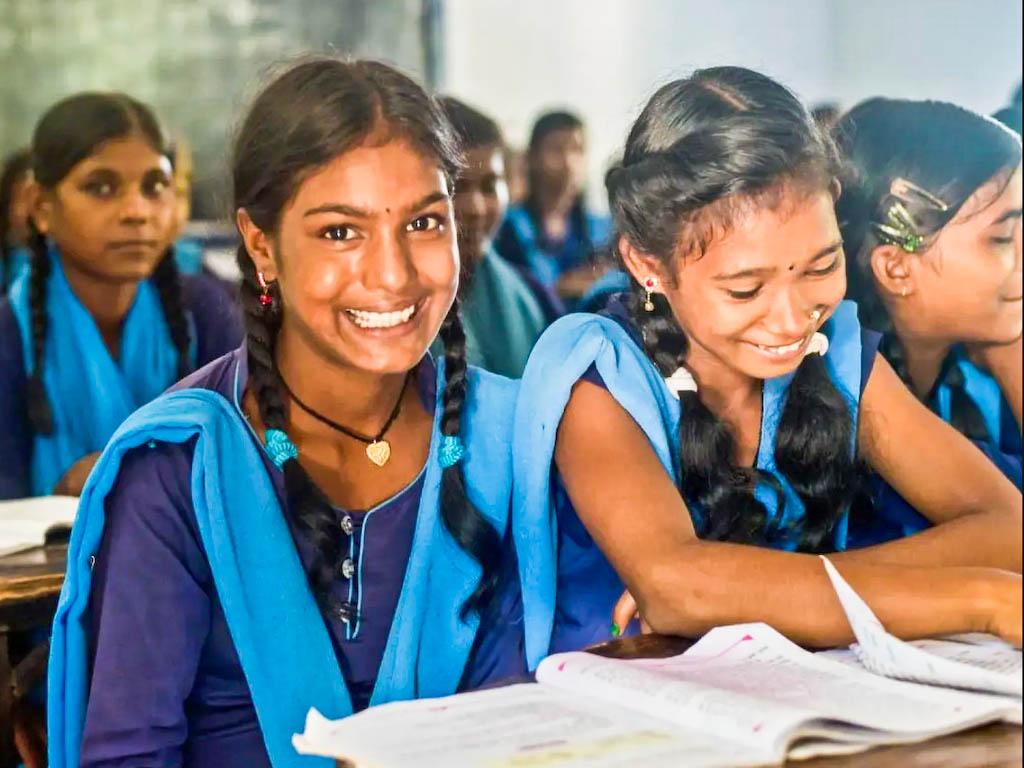 Gender gaps in education are narrowing worldwide, but early marriage remains a major obstacle to girls' education, according to a new report by the United Nations Educational, Scientific and [...]
 A Palestinian family has been under siege for days, forced to remain locked inside its own home; olive groves have been set ablaze, homes destroyed, and their owners threatened and forced to abandon [...]
 In Italy, one can say whatever one wishes against our civilization, and even when accusations and criticism are unfounded, those who make them suffer no consequences and are not held accountable. [...]
 Every age has had its principal social classes, those upon which peace, wars, wealth, poverty, rights and happiness depended. In the Middle Ages, they were the aristocrats and the serfs; during the [...]
 The Taliban have introduced new laws which, in practice, legalise domestic violence against women and children. Afghanistan’s supreme leader, Mullah Hibatullah Akhundzada, signed a decree in [...]
 Philosophy has examined, on the one hand, the need to preserve the individual and his or her identity and, on the other, the necessity of building and living within a community. How can the self and [...]
 Livelihoods – especially in the rural north – have become increasingly fragile, yet federal and state authorities have failed to provide effective responses to the growing vulnerability. [...]
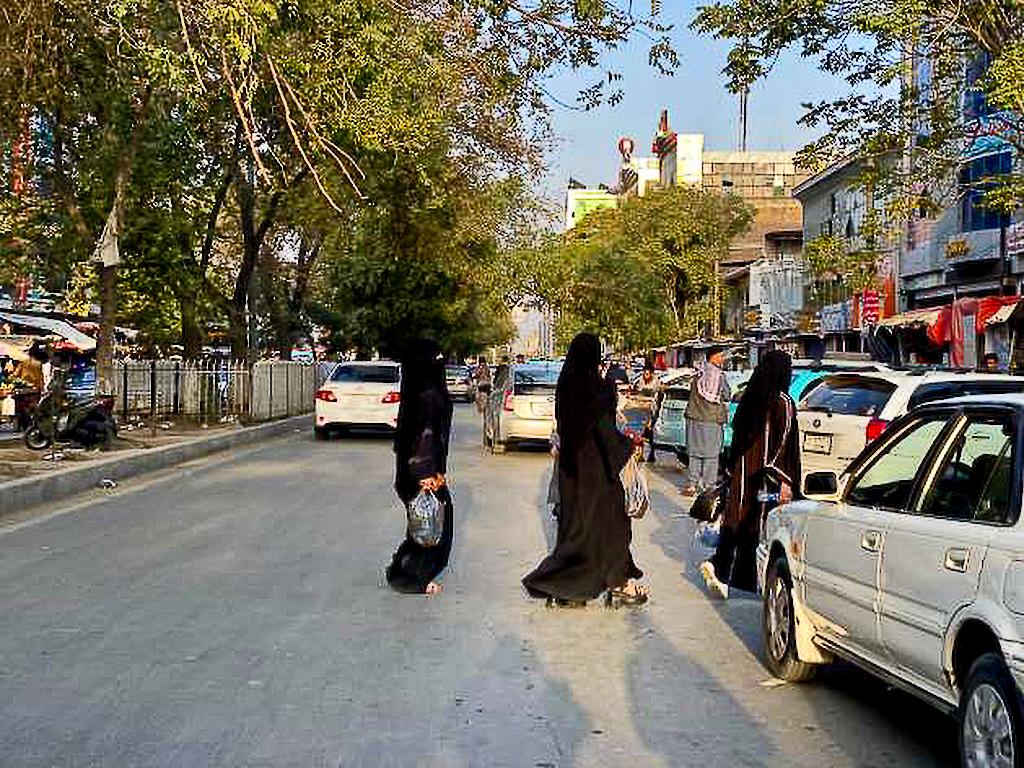 Inside, rusty shelves line the walls, empty soft-drink cans hanging on them add a splash of colour, and an old table covered with a worn cloth stands in a corner. To passers-by, the shopkeeper is a [...]
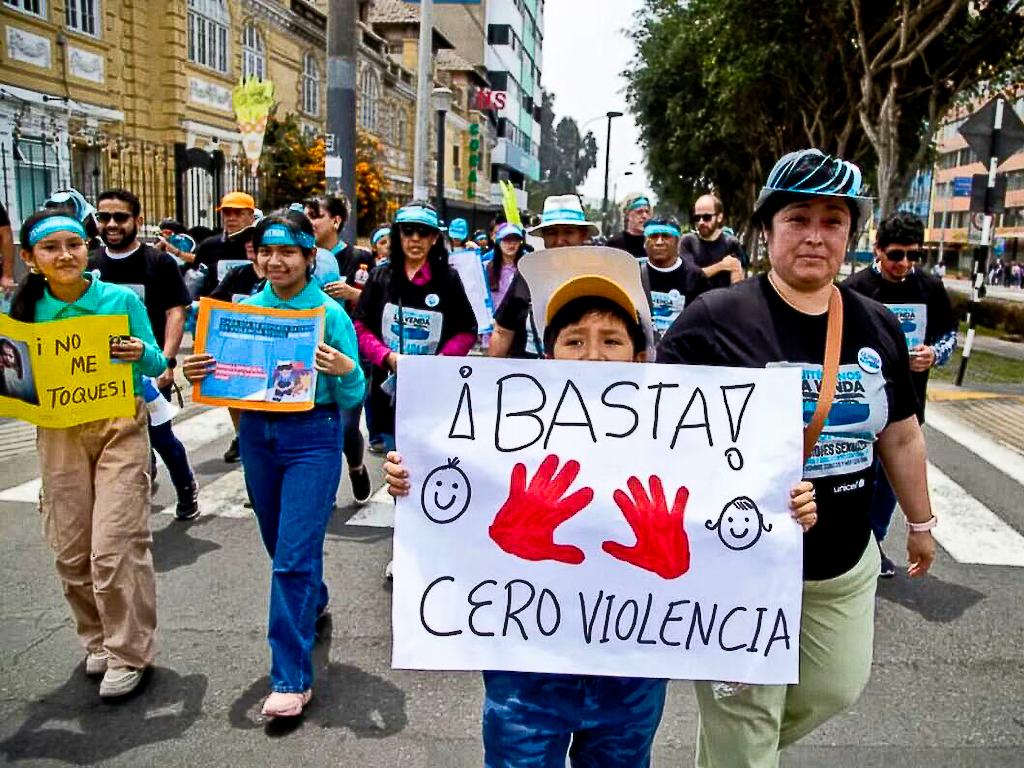 Over a seven-year period, between 2015 and 2022, 53,318 children and young people were killed in Latin America, evidence that violence continues to pose a serious threat to the lives and well-being [...]
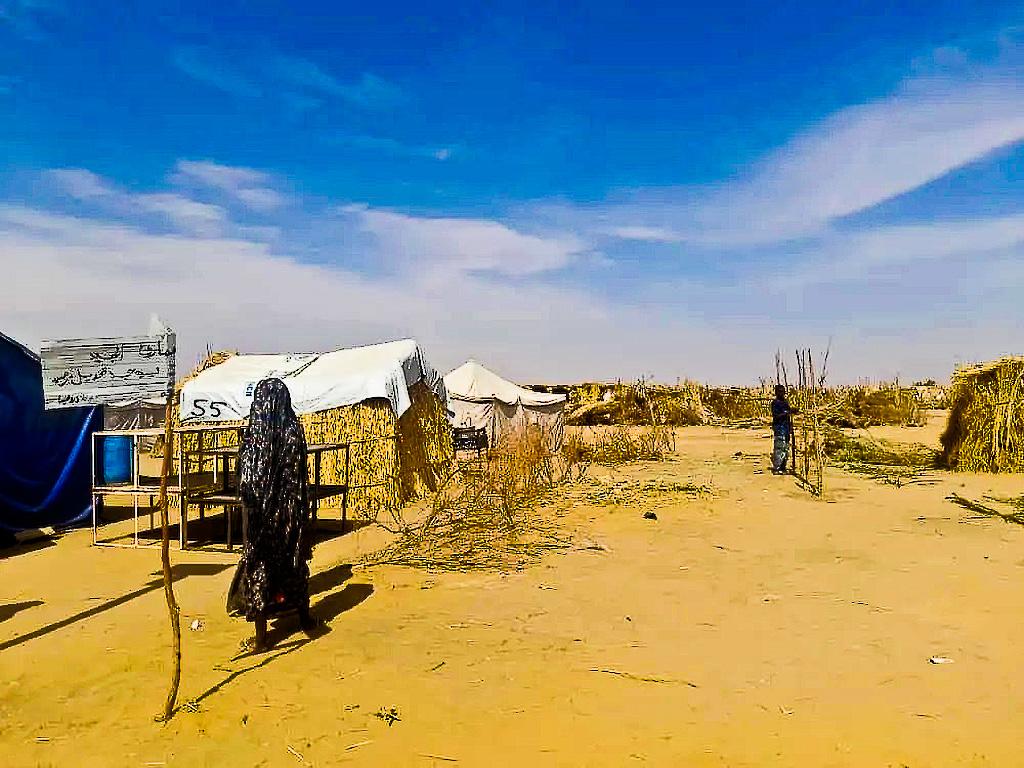 The camp hosts nearly 15,000 people from the western Darfur region who fled attacks by the UAE-backed Rapid Support Forces after the group seized the city of El Fasher on 26 October, killing [...]
Info
Email: jampypezzi@gmail.com - tel. +39 328 732 6990 / +243 991 457 856
This blog is made in 4 languages: it en fr es



 EDitt | Web Agency
Leave a comment