
Justice, Peace, Integrity
of Creation
Justice, Peace, Integrity
of Creation
By John Paul Pezzi, Mccj
Justice, Peace, Integrity
of Creation
By John Paul Pezzi, Mccj
Justice, Peace, Integrity
of Creation
By John Paul Pezzi, Mccj
Justice, Peace, Integrity
of Creation
By John Paul Pezzi, Mccj
Gender gaps in education are narrowing worldwide
IPS 15.10.2026 Corrispondente IPS Translated by: Jpic-jp.orgProgress has been recorded worldwide over recent decades, but significant disparities remain, particularly in African and Asian countries where child marriage and early pregnancy hinder young women's ability to continue their education.
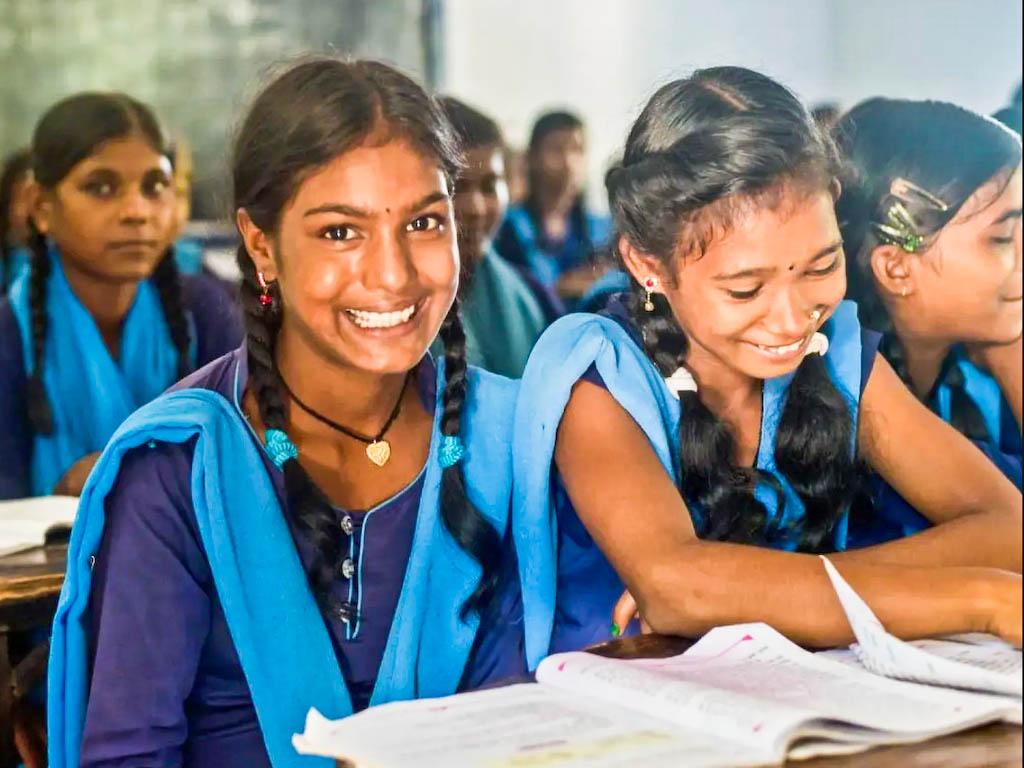
Gender gaps in education are narrowing worldwide, but early marriage remains a major obstacle to girls' education, according to a new report by the United Nations Educational, Scientific and Cultural Organisation (UNESCO).
Khaled El-Enany, UNESCO Director-General, said that “over recent decades, the world has made great strides towards gender equality in education, with as many girls as boys enrolled in schools from pre-primary to secondary education.”
“However, far too many girls still face barriers to accessing education, completing their studies and reaching their full potential at school,” El-Enany pointed out.
The new UNESCO report stresses that child marriage and early pregnancy continue to jeopardise progress in girls' education.
Very few young women return to school after giving birth in some regions, “highlighting the need to end child marriage, prevent early pregnancies and guarantee young mothers' right to continue their education”, the report states.
In its review of progress over recent decades, UNESCO found that Nepal narrowed a 33-percentage-point gap between girls and boys in lower secondary education completion rates between 1990 and 2024.
Saudi Arabia reduced its gender gap in higher education enrolment by three-quarters between 2006 and 2022.
In Cambodia, girls were 22 percentage points behind boys in primary school completion in 1981, but by 2024 they were 11 points ahead.
In Costa Rica, the difference in upper secondary education completion rates in favour of girls fell from 12 to seven percentage points between the periods 2011–2017 and 2018–2024.
However, national averages conceal gender disparities in rural areas and among poor households.
In Angola, although gender parity has been achieved among the wealthiest households, among the least privileged families there are only 30 girls for every 100 boys who complete upper secondary education.
In India, gender parity has been achieved in urban areas, but in rural areas there are only 59 girls for every 100 boys who complete upper secondary education.
UNESCO reviewed 47 countries – Haiti in the Caribbean and the remaining countries in Africa, Asia and the Pacific – which still had marked gender gaps in education as recently as 2000.
In 18 of these countries, it found that equality had been achieved or that the situation had been reversed; 15 had made substantial progress, while 14 were advancing slowly or had made no progress.
The countries lagging furthest behind in this last group are Afghanistan, Benin, Burkina Faso, Chad, Mali, Mozambique, Niger and Zimbabwe.
According to the UNESCO study, girls are more likely than boys to complete primary and secondary education at the expected age. However, they face pressure to leave school and start a family, whereas boys can afford to repeat a year and complete their studies later.
In 2024, at lower secondary level, 11 per cent of boys and eight per cent of girls were at least two years older than the expected age for their school year.
Regarding child marriage and early pregnancy, the report states that, worldwide, the proportion of girls married before the age of 18 fell from 25 per cent in 2000 to 18 per cent in 2025. However, it remains at 25 per cent in Central and Southern Asia and 31 per cent in sub-Saharan Africa.
An estimated six million pregnant girls and young mothers aged 10 to 19 were out of school in sub-Saharan Africa in 2024, and fewer than five per cent of pregnant girls and young mothers in the region returned to school.
On a positive note, countries such as Cameroon, the Central African Republic, São Tomé and Príncipe, Sierra Leone, Tanzania and Togo have ended bans preventing married, pregnant and parenting young women from pursuing their education.
According to UNESCO's data, 58 per cent of countries guarantee in their legal frameworks the right to education without discrimination on the grounds of sex or gender, but only 35 per cent explicitly protect the right to education of pregnant girls and young mothers.
The report also warns that, despite progressive policies, financial difficulties, stigma and a lack of practical support continue to prevent many girls and young women from completing their education.
A young woman may have the legal right to return to school after pregnancy, but she may be unable to afford transport, find childcare, access adequate water and sanitation facilities, travel safely or overcome the stigma she faces at school, the document explains.
Reducing education costs and targeting financial assistance can help close gender gaps.
As an example, the report cites the case of rural China, where three subsidies – covering school fees, textbooks and living expenses – increased enrolment among girls from poor families by seven percentage points.
See: Se acortan las brechas de género en la educación en el mundo
Photo: Students at a school in India, where gender parity has been achieved in urban areas, though not in rural regions. Panjwani / UNICEF
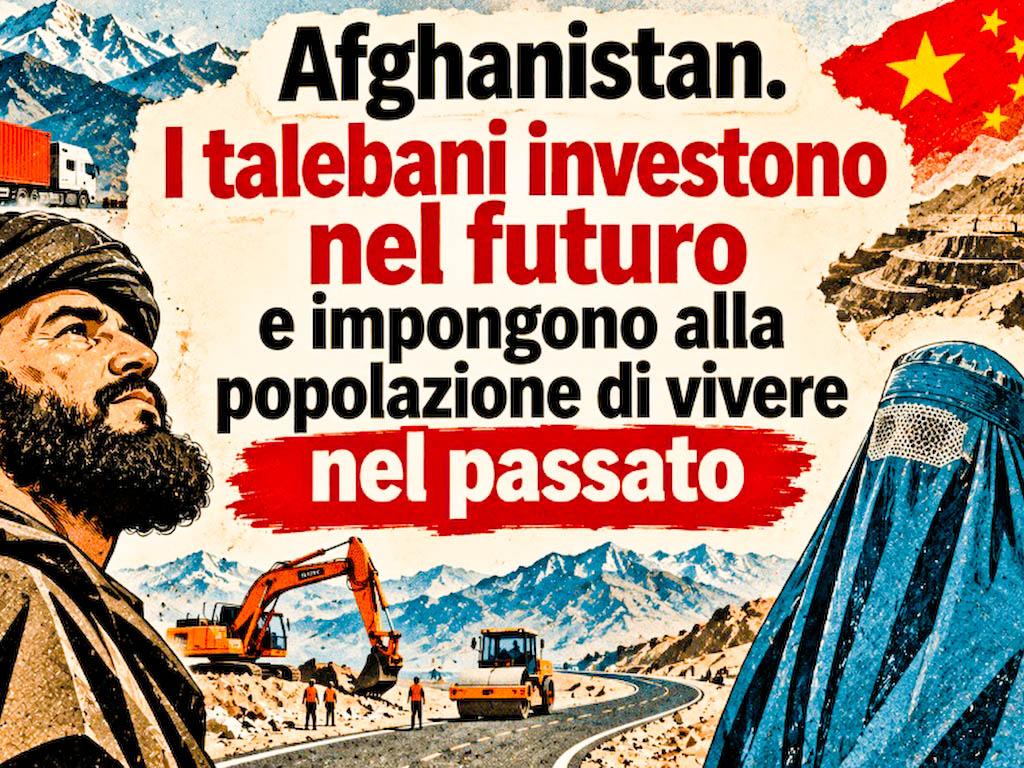 On 4 October 2026, Abdul Mansoor, Minister for Rural Development, attended the inauguration in Badakhshan of a road crossing the Wakhan Corridor and reaching the Chinese border at an altitude of over [...]
 A Palestinian family has been under siege for days, forced to remain locked inside its own home; olive groves have been set ablaze, homes destroyed, and their owners threatened and forced to abandon [...]
 In Italy, one can say whatever one wishes against our civilization, and even when accusations and criticism are unfounded, those who make them suffer no consequences and are not held accountable. [...]
 Every age has had its principal social classes, those upon which peace, wars, wealth, poverty, rights and happiness depended. In the Middle Ages, they were the aristocrats and the serfs; during the [...]
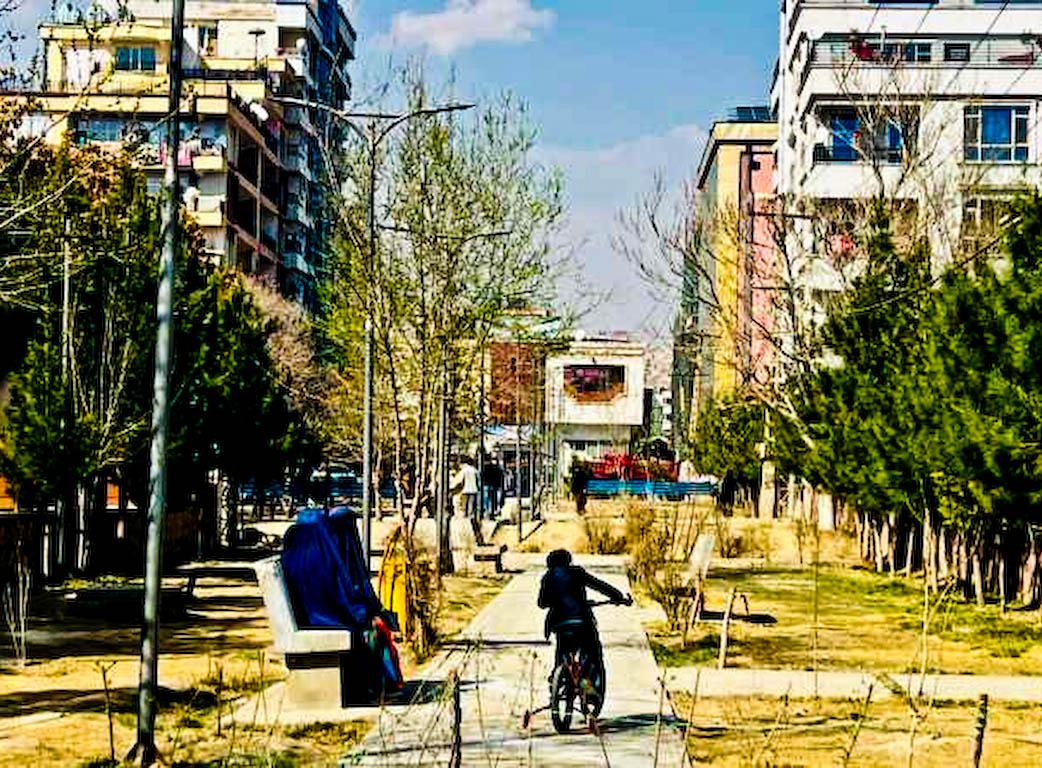 The Taliban have introduced new laws which, in practice, legalise domestic violence against women and children. Afghanistan’s supreme leader, Mullah Hibatullah Akhundzada, signed a decree in [...]
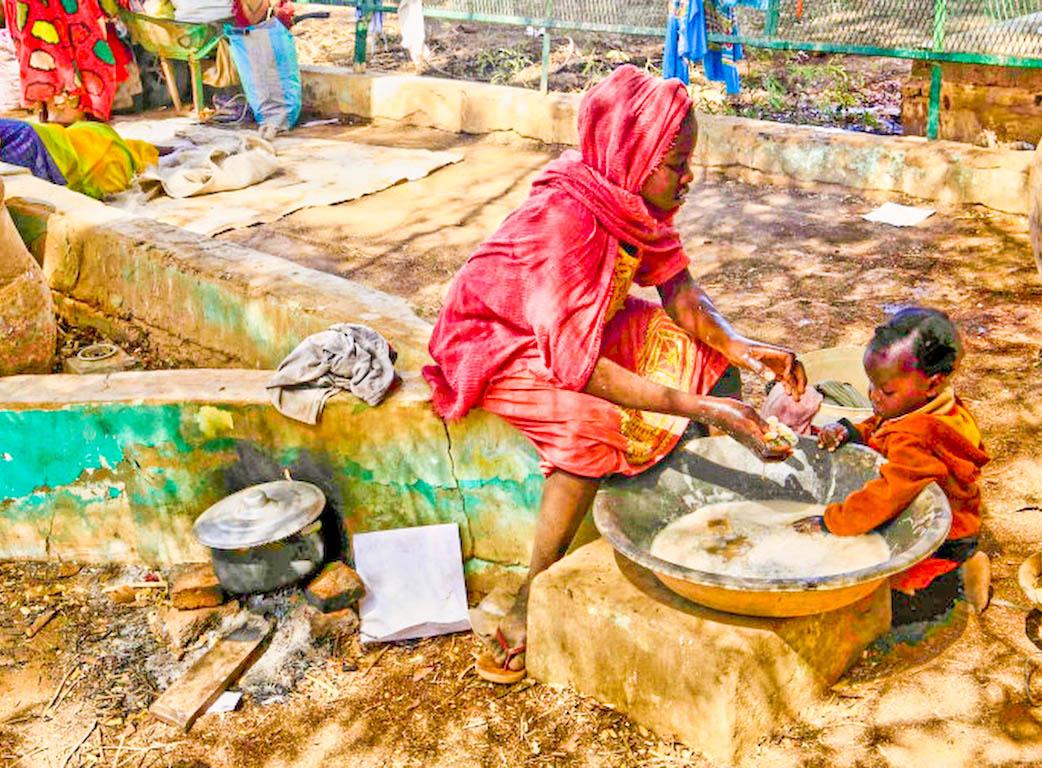 Philosophy has examined, on the one hand, the need to preserve the individual and his or her identity and, on the other, the necessity of building and living within a community. How can the self and [...]
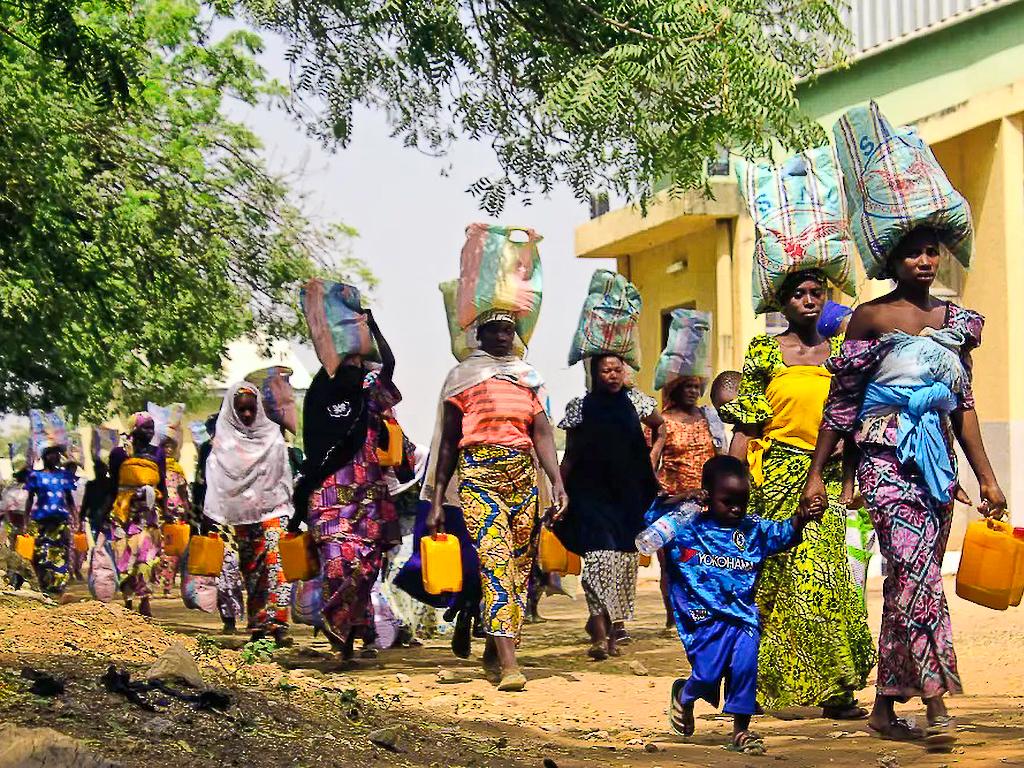 Livelihoods – especially in the rural north – have become increasingly fragile, yet federal and state authorities have failed to provide effective responses to the growing vulnerability. [...]
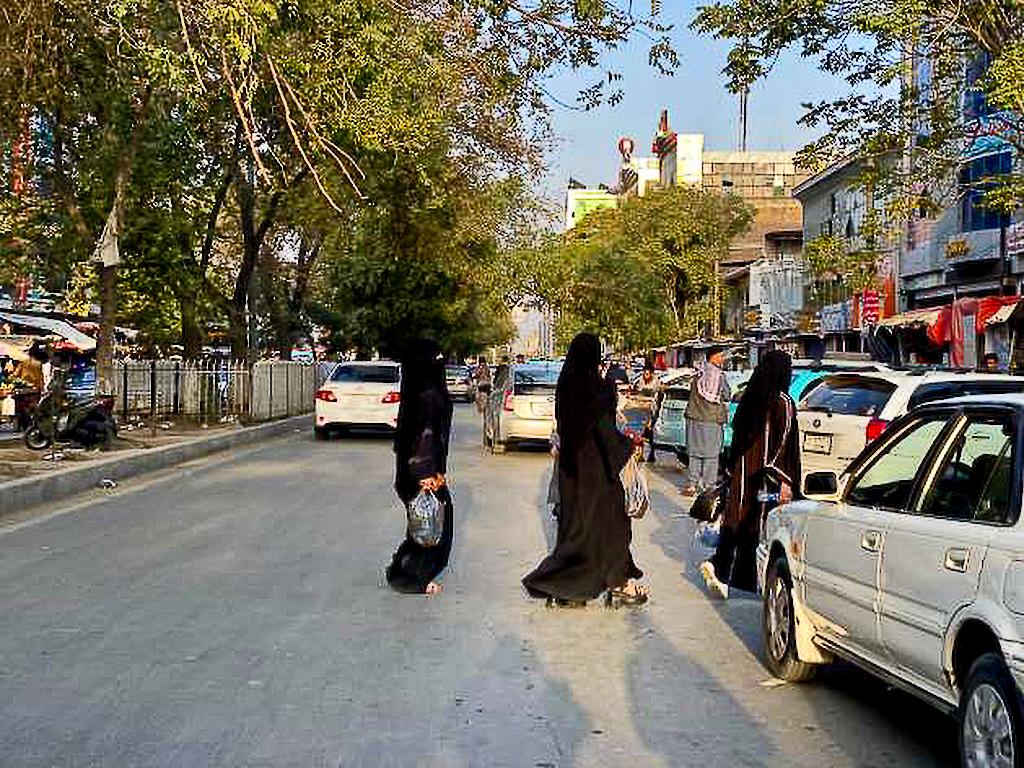 Inside, rusty shelves line the walls, empty soft-drink cans hanging on them add a splash of colour, and an old table covered with a worn cloth stands in a corner. To passers-by, the shopkeeper is a [...]
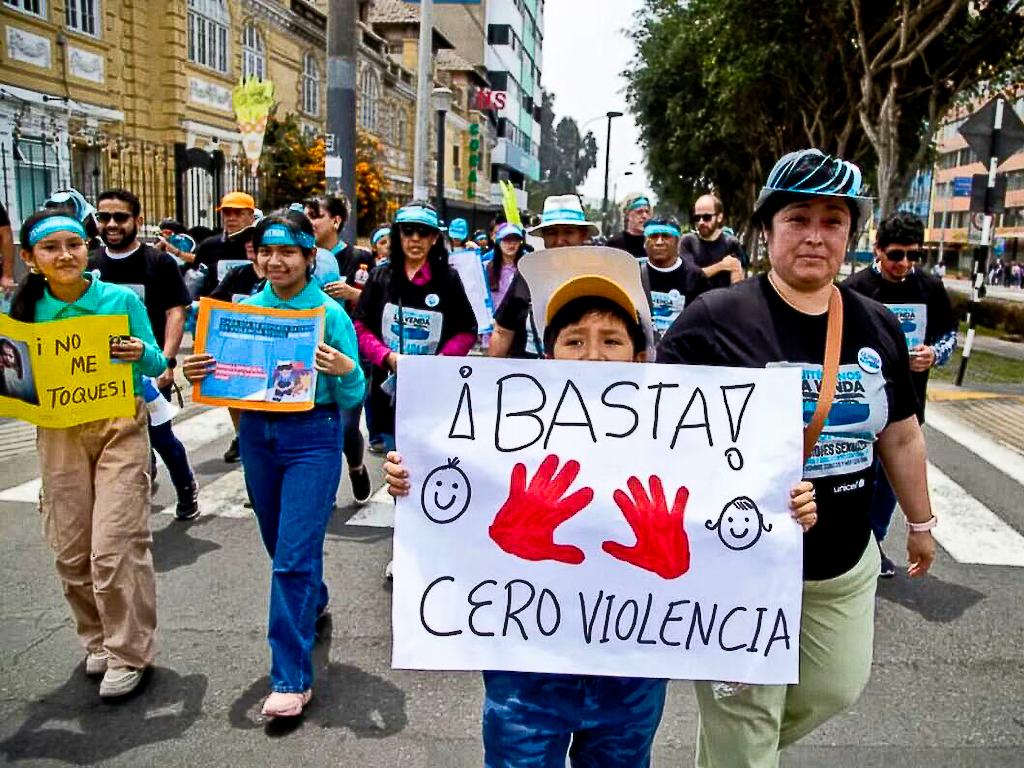 Over a seven-year period, between 2015 and 2022, 53,318 children and young people were killed in Latin America, evidence that violence continues to pose a serious threat to the lives and well-being [...]
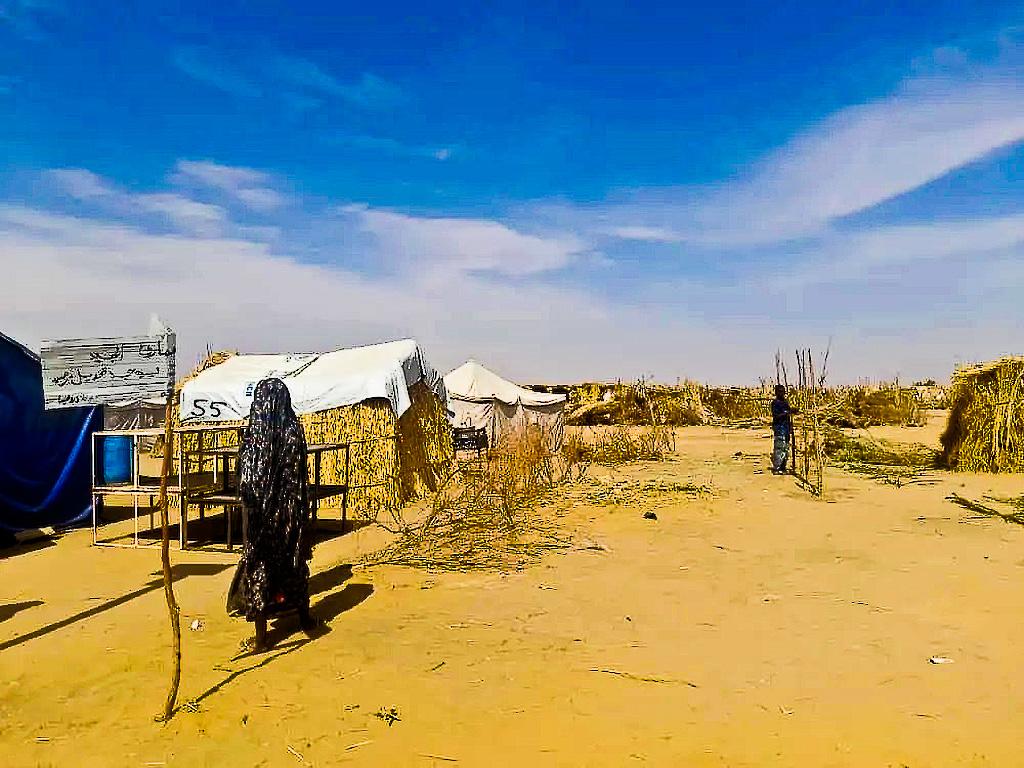 The camp hosts nearly 15,000 people from the western Darfur region who fled attacks by the UAE-backed Rapid Support Forces after the group seized the city of El Fasher on 26 October, killing [...]
Info
Email: jampypezzi@gmail.com - tel. +39 328 732 6990 / +243 991 457 856
This blog is made in 4 languages: it en fr es

 EDitt | Web Agency
Leave a comment