
Justice, Peace, Integrity
of Creation
Justice, Peace, Integrity
of Creation
By John Paul Pezzi, Mccj

Justice, Peace, Integrity
of Creation
By John Paul Pezzi, Mccj

Justice, Peace, Integrity
of Creation
By John Paul Pezzi, Mccj

Justice, Peace, Integrity
of Creation
By John Paul Pezzi, Mccj
Disarming technology, serving peace: politics as a preventive responsibility
Butembo 25.11.2026 Jpic-jp.org Translated by: Jpic-jp.orgThe theme of Pope Leo XIV’s message for the 60th World Day of Peace, which will be celebrated on 1 January 2027, is: “Disarming technology, serving peace. Politics as a preventive responsibility”. Faced with the dangerous drift towards algorithmic warfare and the illusion of security entrusted to machines, there is an urgent need to rethink progress at its roots, restore politics to its primary vocation of prevention and place human conscience at the heart of every decision.
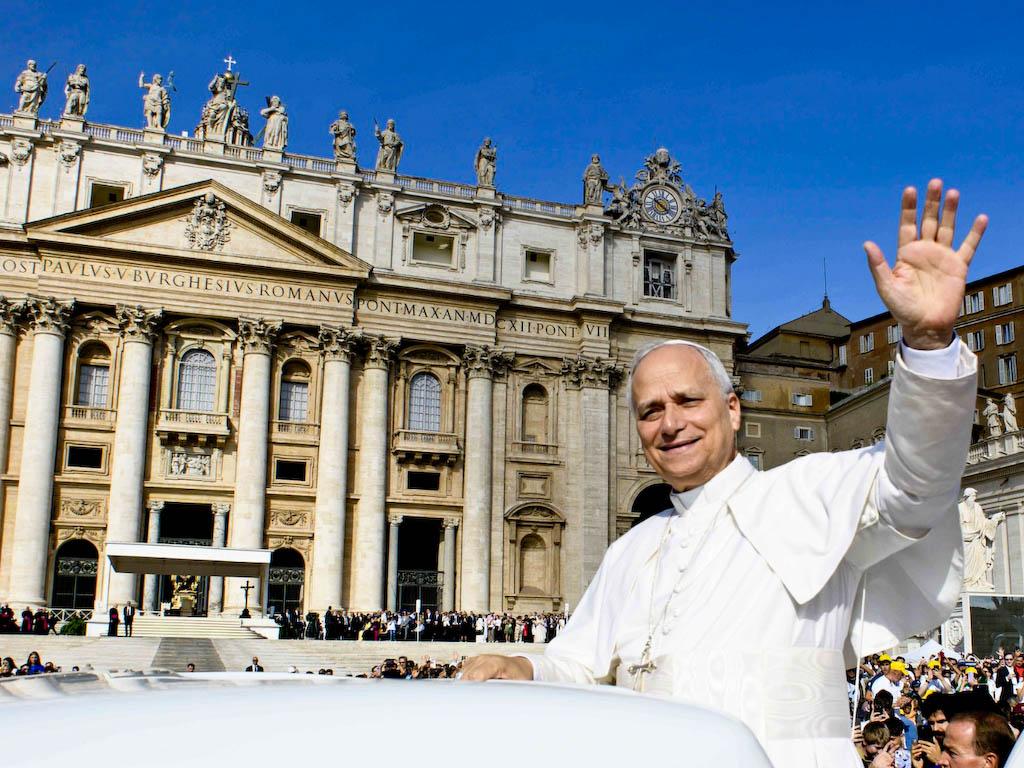
The theme chosen by Pope Leo XIV for his Message for the World Day of Peace, which will be celebrated on 1 January 2027, is entitled “Disarming technology, serving peace. Politics as a preventive responsibility”. This message touches the heart of the contradictions of our modern age. At a time when technological progress and artificial intelligence are advancing at a relentless pace, Leo reminds us forcefully that no technological tool can replace human conscience, particularly when it comes to safeguarding the lives and dignity of peoples.
The message is structured around three essential themes and seeks to encourage personal reflection, cultural debate and political commitment.
1-. Rejecting automated warfare and the myth of the algorithm
The first challenge raised by the papal message concerns the growing militarisation of technology and the insidious use of artificial intelligence in military decision-making processes.
§ The problem. The use of autonomous weapons systems and predictive simulation software tends to sanitise armed conflict. By reducing human casualties and military strategies to mere statistical calculations or ‘acceptable’ damage, technology dehumanises warfare and destroys compassion.
§ The Pope’s response. Citing the encyclical Magnifica humanitas (no. 198), the Pope reminds us that “no algorithm can make war morally acceptable”. Decisions concerning life and death can never be delegated to a machine. Moral responsibility must remain firmly in human hands, since only human beings are capable of justice and mercy.
2-. From technological reactivity to the preventive responsibility of politics
The second part challenges the tendency of governments to manage crises in a purely reactive manner, relying blindly on armed deterrence and the race to develop cutting-edge technologies and surveillance systems.
§ The problem. Politics that abandons its primary mission of dialogue and social justice inevitably turns to technological power to maintain a fragile balance based on fear, hegemony and short-term economic interests.
§ The Pope’s response. Genuine politics must rediscover its vocation of preventive responsibility. This means that we must not wait for conflicts to erupt before intervening militarily or technologically. Rather, there is an urgent need to address the deep-rooted causes of instability: glaring inequalities, poverty, injustice and the exploitation of resources. Investing in prevention means, first and foremost, investing in education, healthcare, integral human development and international cooperation.
3-. Towards international regulation and an ethic of the common good
Finally, the message issues an urgent and solemn appeal to the international community to unite around shared and binding ethical rules.
§ The perspective. Just as major historical treaties have sought to prevent the proliferation of weapons, humanity today needs rigorous international agreements to strictly regulate the use of artificial intelligence and defence technologies.
§ The objective. Disarming technology does not mean rejecting scientific progress, but rather placing it under the guidance of the ethics of universal fraternity. The aim is to ensure that the tools created by human intelligence serve exclusively the dignity of every individual and the building of lasting peace.
Conclusion. Taking our destiny back into our own hands
Ultimately, Pope Leo XIV’s message is not merely a theoretical warning against the excesses of technocracy; it is an urgent call to action. It urges us not to surrender our freedom or our moral conscience to the fascination of machines and strategic calculations.
Restoring politics as a preventive responsibility and disarming technology means resolutely choosing to place human beings – in all their vulnerability and greatness – at the centre of every decision. This is the essential condition for ensuring that technological progress does not become the tomb of our humanity, but rather a driving force towards a truly universal fraternity.
Read the full message: Towards an “unarmed and disarming” peace
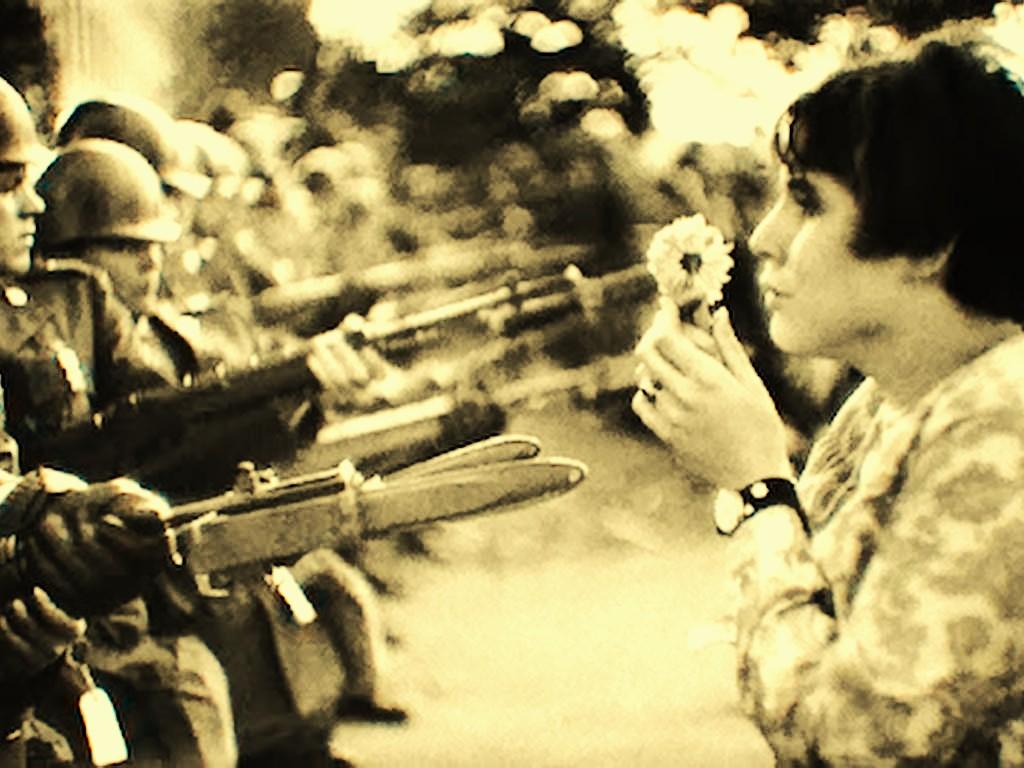 We no longer seem capable of genuine dialogue. One reason is that we can no longer bear silence, which confronts us with ourselves even before it confronts us with others, and which is the [...]
 As Daniele Rocchetti clearly points out, Just War theory did not arise in order to justify war but rather to limit it. From its very beginnings, it sought to subject the use of armed force to strict [...]
 1. The Violence of the Allied Bombing
Every single darkened stone bears witness, in the most tangible way, to a deeply painful wound that has never fully healed, inflicted in February 1945. Only [...]
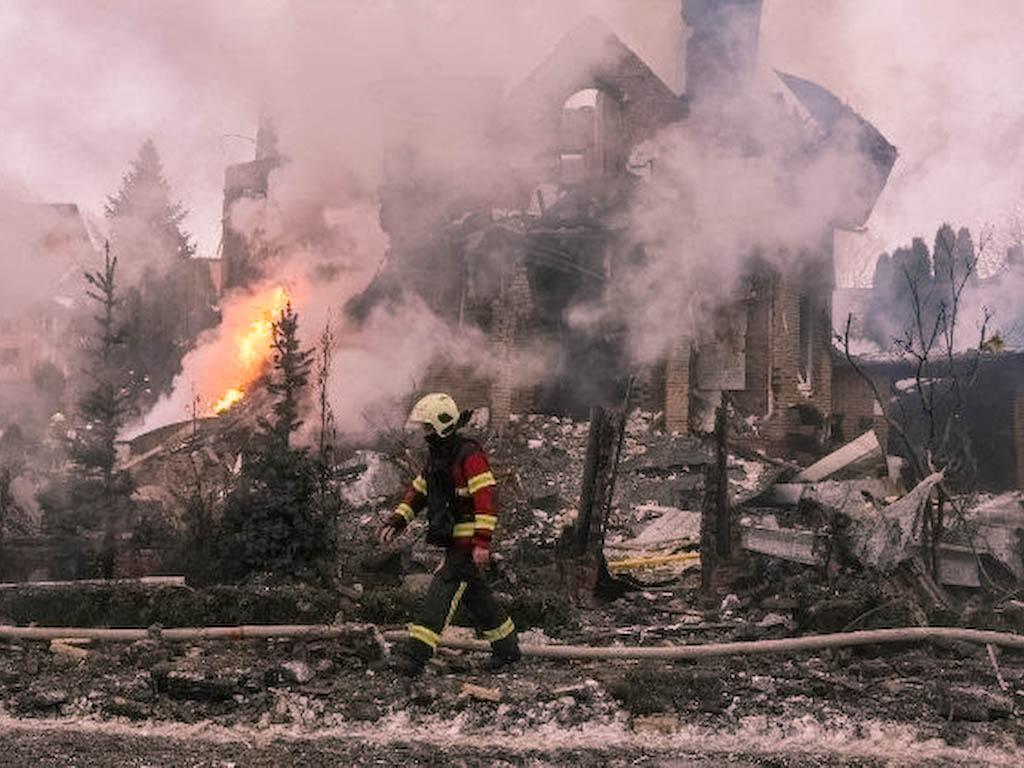 For several years, and through many public meetings, I have explained how meaningless it has become to speak of a “just war” after the atomic bombings of Hiroshima and Nagasaki. I have [...]
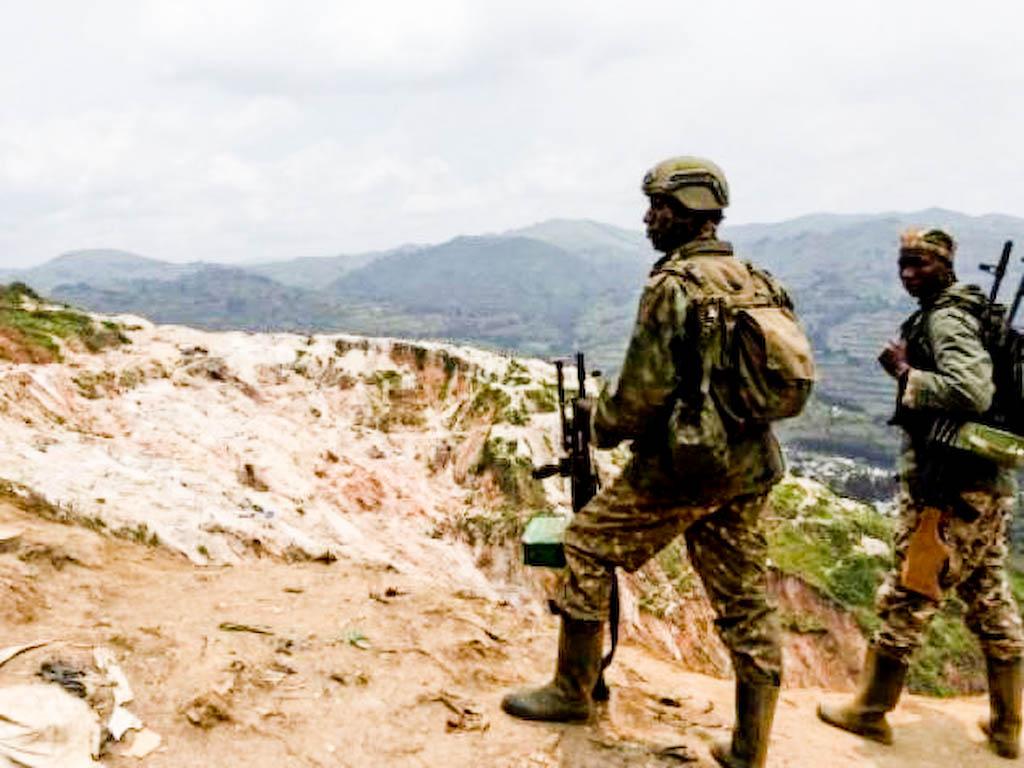 “Thanks” to the war in the Middle East, the AFC/M23 movement, supported by Rwanda and occupying part of eastern Democratic Republic of the Congo, can no longer export smuggled gold to [...]
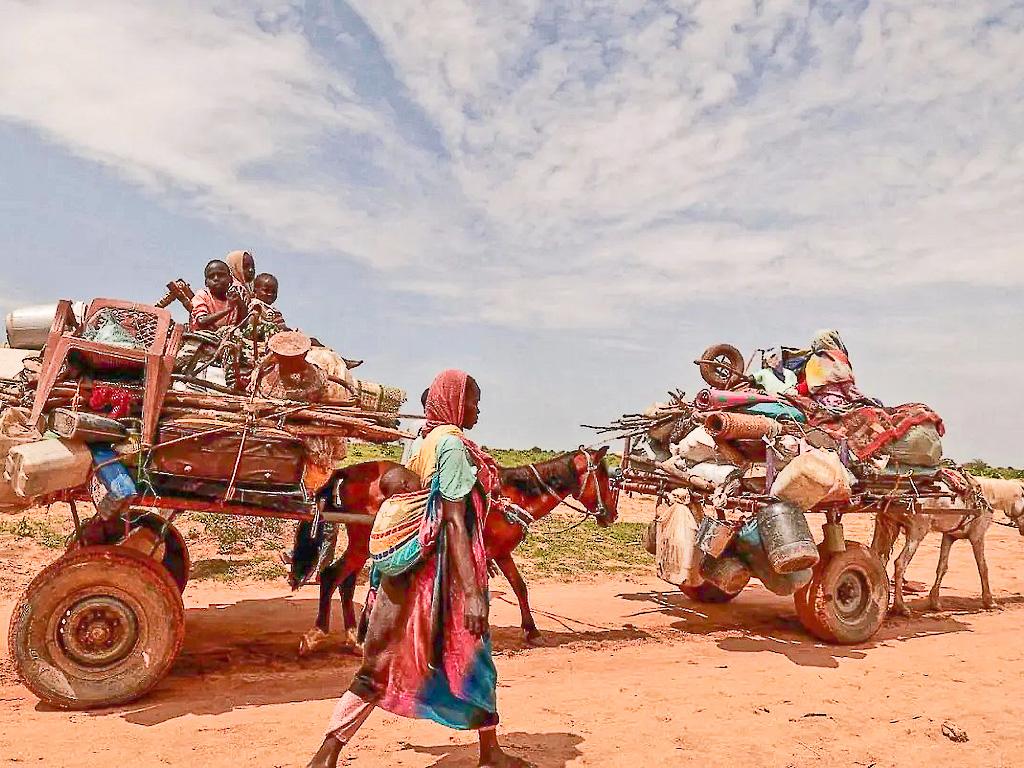
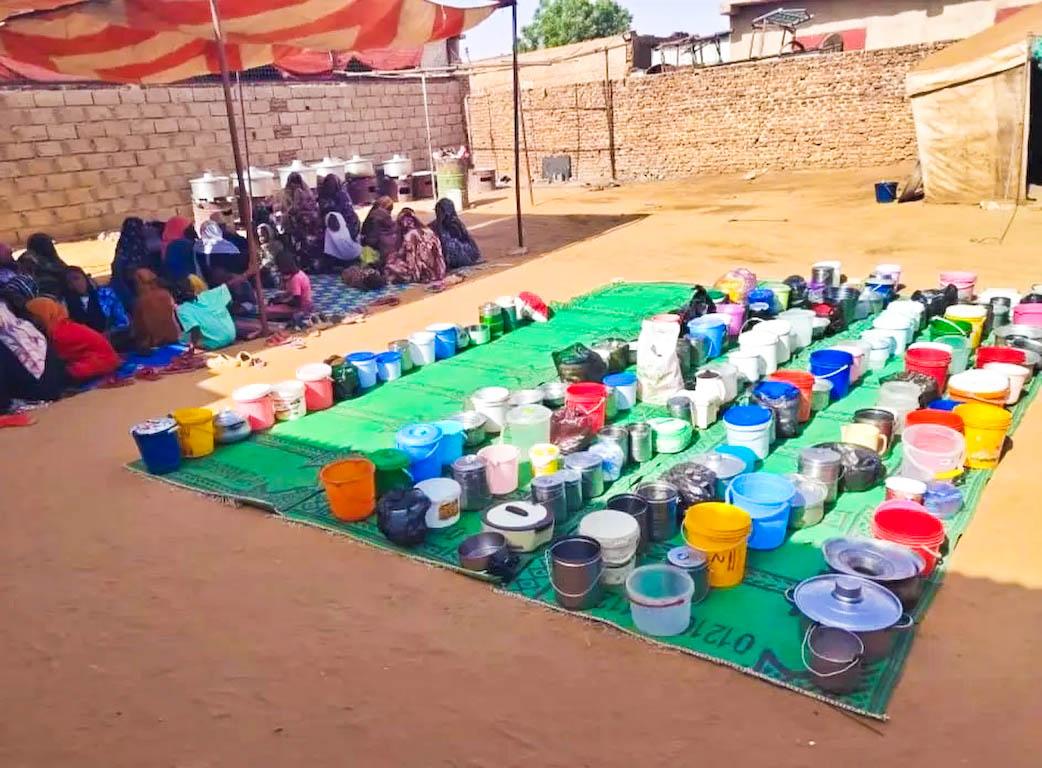 On an ordinary morning in El Obeid, Azza al-Amin kneads bread dough in her narrow kitchen as a drone buzzes angrily in the distance. She keeps working. Hundreds of people are counting on her. [...]
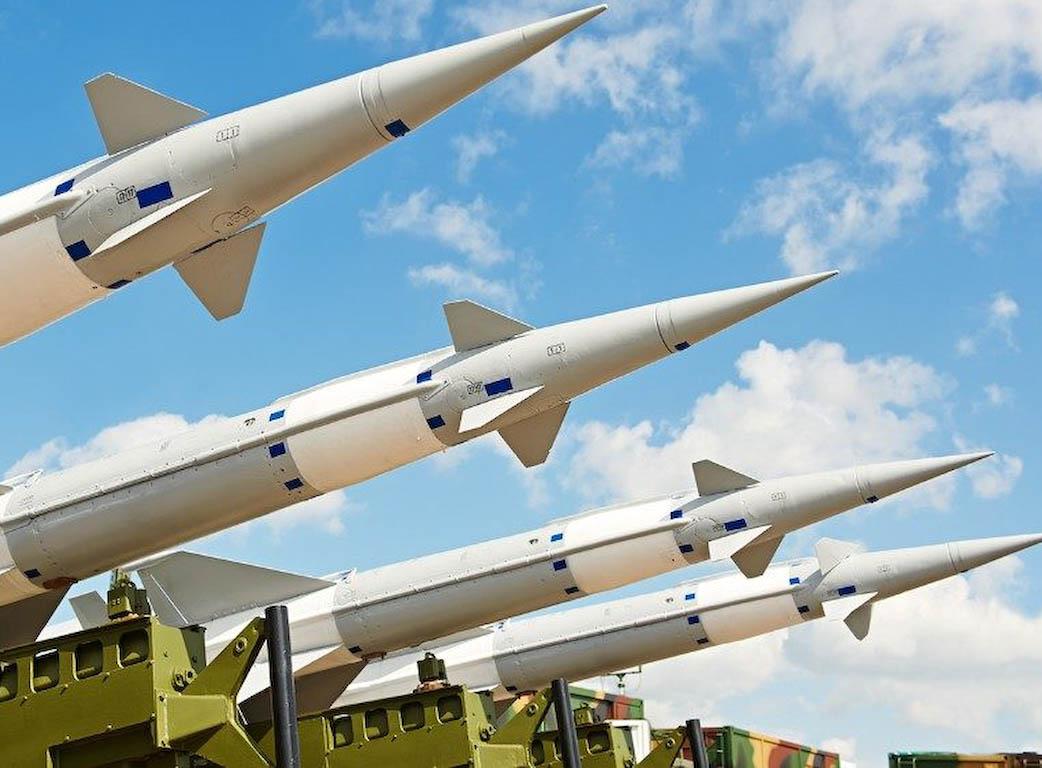 Global military spending has experienced a significant acceleration in recent years, reaching levels not seen since the end of the Second World War. The latest data from the International Monetary [...]
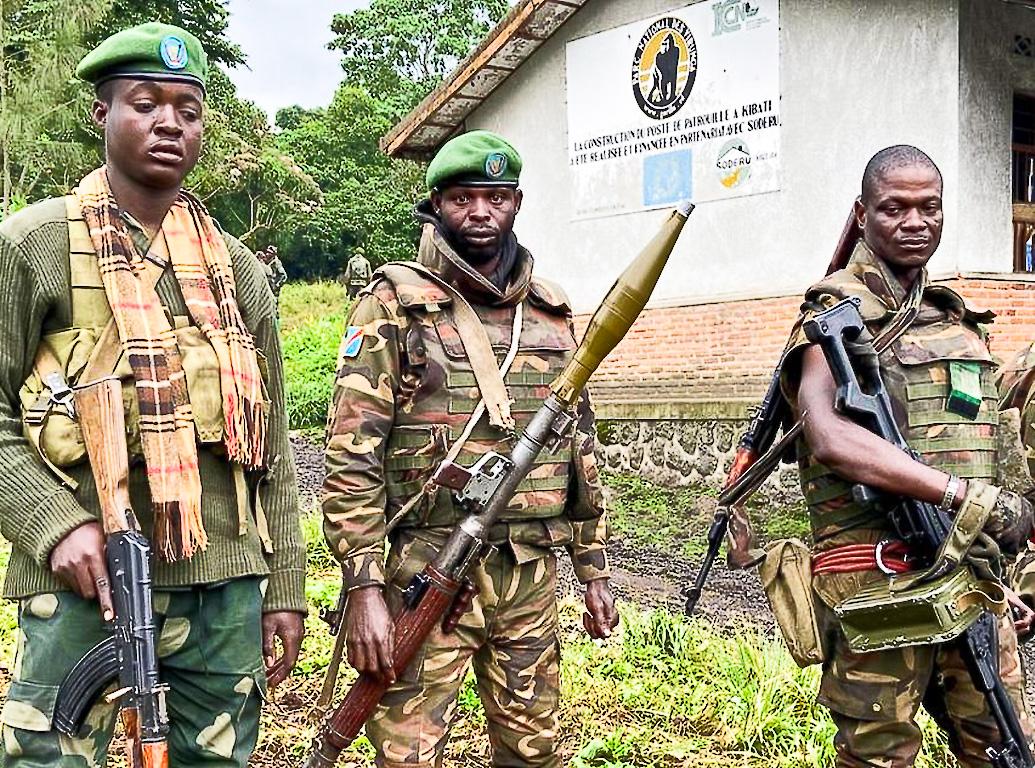 “The territorial expansion of the Congo River Alliance/March 23 Movement (AFC/M23),” the report states, “has reached unprecedented levels, jeopardising regional stability.” [...]
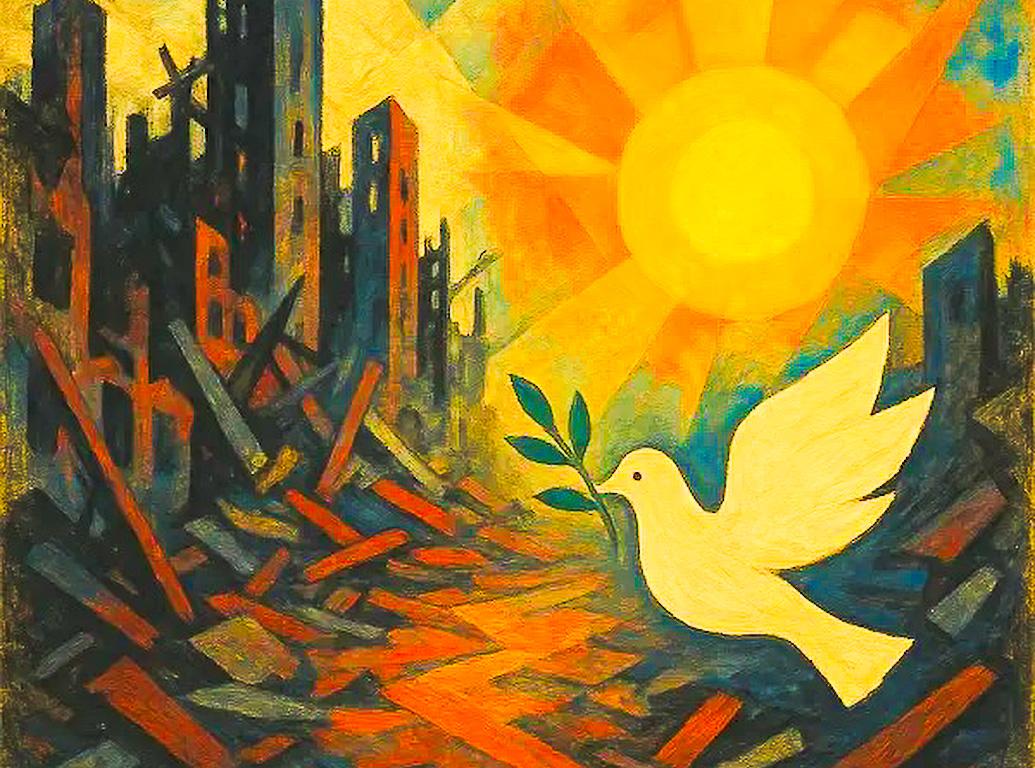 A small booklet published posthumously in 1933 by the biologist René Quinton, Maximes sur la guerre, appreciated and used by Mussolini, has at its core this sentence: “War is killing, to [...]
 How can a soldier recite the Lord’s Prayer in battlefield liturgies? O reckless man!
You call God Father while you place the knife at your brother’s throat.
Hallowed be thy name. What [...]
Info
Email: jampypezzi@gmail.com - tel. +39 328 732 6990 / +243 991 457 856
This blog is made in 4 languages: it en fr es


 EDitt | Web Agency
Leave a comment