Justice, Peace, Integrity
of Creation
Justice, Peace, Integrity
of Creation
By John Paul Pezzi, Mccj
Justice, Peace, Integrity
of Creation
By John Paul Pezzi, Mccj

Justice, Peace, Integrity
of Creation
By John Paul Pezzi, Mccj
Justice, Peace, Integrity
of Creation
By John Paul Pezzi, Mccj
Leaving Behind a Word as “Weapon” Is Not an Act of Surrender
Osservatore Romano 06.06.2026 Chiara Giaccardi Translated by: Jpic-jp.orgIn an age in which, following the death of God, the attribute of omnipotence has been transferred to the human being (and especially to the male), words tend to become genuine weapons: weapons of attack—perhaps even pre-emptive attack—before they become weapons of defence.
We no longer seem capable of genuine dialogue. One reason is that we can no longer bear silence, which confronts us with ourselves even before it confronts us with others, and which is the indispensable condition for listening. Contrary to what might appear obvious, the first act of communication is listening, where silence prepares a space for encounter rather than confrontation.
Women are, in many respects, better placed in this regard, because they are more accustomed to listening to the signals of their own bodies or to perceiving those of the children they carry, or have carried, within them. This is not an "essentialist" argument, but simply a "situated" one, since our existence is inseparable from our embodied condition.
The second reason lies in radical individualism, that abstraction—in the literal sense, since it "draws us out of" the relationships that constitute who we are—with which our culture, or rather the dominant ideology, is thoroughly imbued. Even though science, from biology to quantum physics, tells us that everything is interconnected, we continue to think—even about freedom itself—in terms of separation and, worse still, in terms of the sovereignty of the self.
Although Hannah Arendt had already declared that the greatest mistake of political philosophy was to equate freedom with sovereignty, we persist in thinking along these doubly misleading lines: the self, conceived as a separate individual, is sovereign. Yet the language of sovereignty is the language of war, of conflict between rival sovereignties. This is true both of interpersonal relationships and of geopolitics. Within such a framework, dialogue can only become polarised and belligerent, aimed at destroying or delegitimising the other rather than understanding them.
Today, with the rise of the digital world, we are beginning to believe that artificial intelligence can resolve our disputes because we ourselves are no longer capable of reaching agreement. Thus, the dream of the philosopher and mathematician Gottfried Wilhelm Leibniz is becoming reality. At the beginning of the eighteenth century, he wrote: "The day will come when we shall no longer say, 'Let us discuss,' but rather, 'Let us calculate.'"
Indeed, Google has developed what it calls the "Habermas Machine", named after the great philosopher who recently passed away and who devoted his life's work to the study of communicative rationality. He would surely not have welcomed the idea that what is most profoundly human should be delegated to a technological device.
Should we resign ourselves to this? Certainly not. Where, then, should we begin again? Unarmed words may well be the best place to start.
Disarmament is never an act of surrender; rather, it overturns the logic of action and reaction, a logic that inevitably leads to escalation and always leaves behind the dead and the wounded. It is a proposal embodied in a gesture rather than merely expressed in a programme—a gesture that inaugurates a new relational framework.
It takes courage to renounce weapons. Yet it also requires a sense of our own limits, without which fantasies of omnipotence spread unchecked, bringing with them their devastating consequences. For a sovereign self that imagines itself all-powerful can only become violent.
The most disarmed of all words is prayer. As the very root of the word suggests, prayer springs from our awareness of our own vulnerability, from our lack of self-sufficiency, from our recognition of our fragility, from the need not so much to ask as to entrust ourselves. And perhaps, quite simply, to give thanks. We need only think of the Magnificat and of the strength that flows not from power but from what Giaccardi calls deponence: the acceptance of one's own limitations, accompanied by an attitude of active openness and responsibility.
For between the arrogance of power and the anguish of powerlessness there lies a third way, one that rejects every form of dualism: the way of deponence.
The term is borrowed from Latin grammar, where certain verbs—significantly those expressing some of the deepest dimensions of human existence, such as nascor ("I am born"), morior ("I die"), experior ("I experience"), and loquor ("I speak")—have a passive form but an active meaning. They point to the inseparable union of activity and receptivity, of choosing and receiving, which characterises our human condition.
The unarmed word is a deponent word.
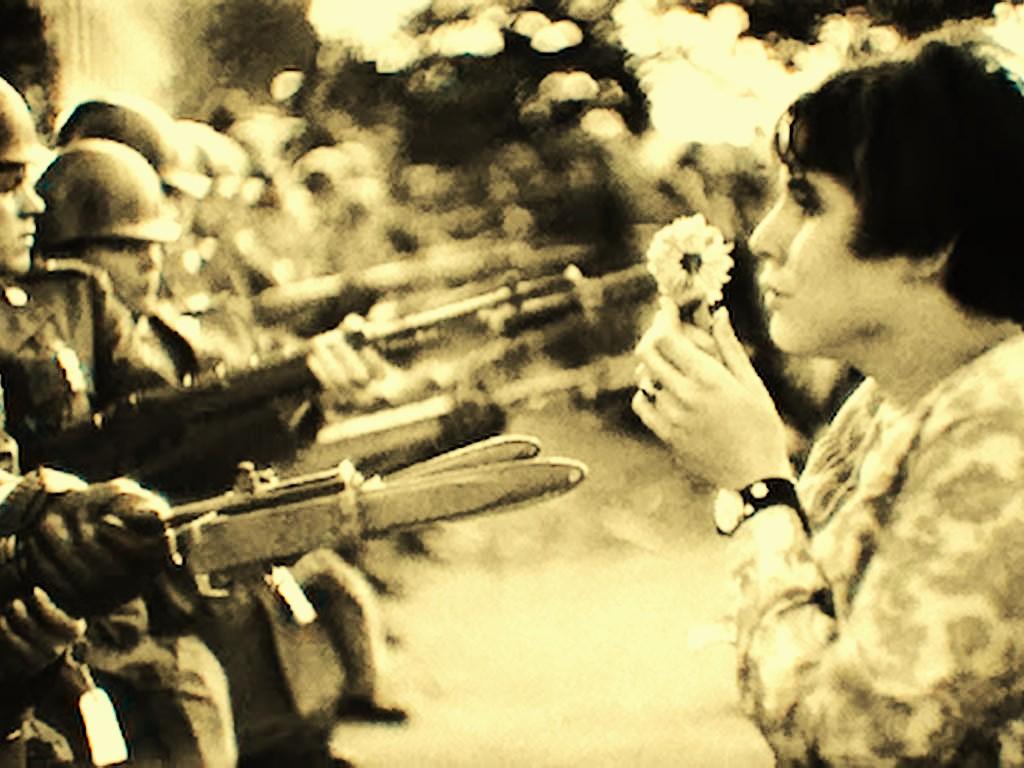
Disarmament is not docility or passive resignation. It is the capacity to act differently, to break the cycle of domination and violence. It is to kneel before armed soldiers ready to fire—not as an act of defiance, but as an invitation to renounce violence by affirming the sacredness of human life, even at the cost of one's own.
The unarmed word is also the word of poetry which, as the poet Mahmoud Darwish wrote, "speaks the truth without proclaiming it." It neither imposes the truth nor claims to possess it.
The unarmed word accepts that reality always retains an element of opacity and mystery. It prefers to suggest rather than to define. It recognises that there is always something beyond what we are able to express.
Today, however, language—imitating the methods of science—claims instead to possess reality in complete transparency, to master what by its very nature always eludes our grasp. The contemporary ideal of language has become datafication: the translation—and reduction—of everything that exists into data, into a language that promises control over reality and the ability to manipulate both the world and human beings.
The unarmed word is the word of hope. It does not say, "Everything will turn out all right," but rather, "It is worth committing ourselves." It says yes regardless of the outcome, because hope is not optimism but faithful perseverance.
The unarmed word can flourish only on the soil of fraternity and sisterhood. It springs from the awareness that we are all bound together in relationship and that: "Every word we give to the world is written upon someone's flesh." (Francesca Mannocchi)
The unarmed word disarms. It invites us to abandon confrontation in favour of encounter, doing so by setting an example, accepting risk, and making both the gesture and the intention behind it something sacred.
Such are the unarmed words of Simone Weil, Madeleine Delbrêl, Etty Hillesum, but also of Margherita Guidacci, Mariangela Gualtieri, Chandra Livia Candiani, and so many other women who have grasped what is essential and have offered it to us in words capable of touching the human heart.
The unarmed word lays bare the violence of those who need weapons in order to impose themselves. Yet it does so by refusing the logic of victors and vanquished, pointing instead towards the path of our shared humanity.
In an age in which words are so often wielded as instruments of domination, manipulation and exclusion, choosing the unarmed word is neither weakness nor naïveté. It is an act of freedom. It is the courage to renounce the illusion of omnipotence in order to rediscover the strength born of relationship, humility and trust.
Only words that have been disarmed can truly become words of peace. They do not seek to conquer; they seek to meet. They do not silence the other; they make space for the other. They do not close reality within rigid definitions; they remain open to mystery, to dialogue and to hope.
Perhaps this is the most urgent task of our time: to recover a language capable not merely of communicating, but of creating communion.
 As Daniele Rocchetti clearly points out, Just War theory did not arise in order to justify war but rather to limit it. From its very beginnings, it sought to subject the use of armed force to strict [...]
  1. The Violence of the Allied Bombing
Every single darkened stone bears witness, in the most tangible way, to a deeply painful wound that has never fully healed, inflicted in February 1945. Only [...]
1. The Violence of the Allied Bombing
Every single darkened stone bears witness, in the most tangible way, to a deeply painful wound that has never fully healed, inflicted in February 1945. Only [...] 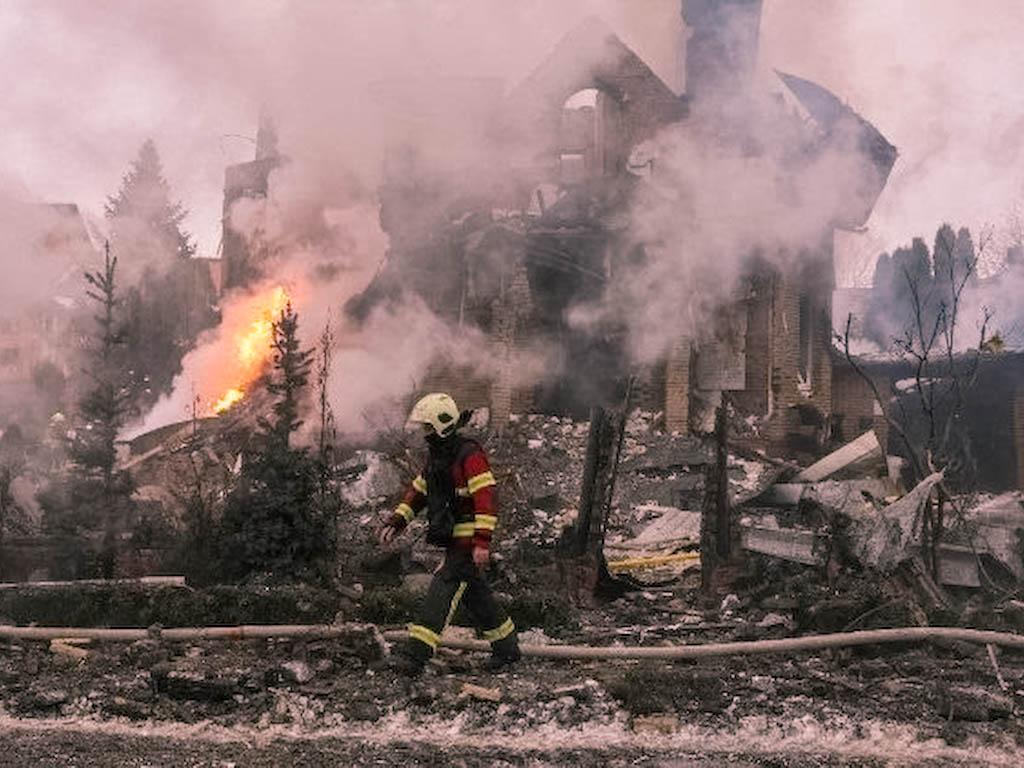 For several years, and through many public meetings, I have explained how meaningless it has become to speak of a “just war” after the atomic bombings of Hiroshima and Nagasaki. I have [...]
 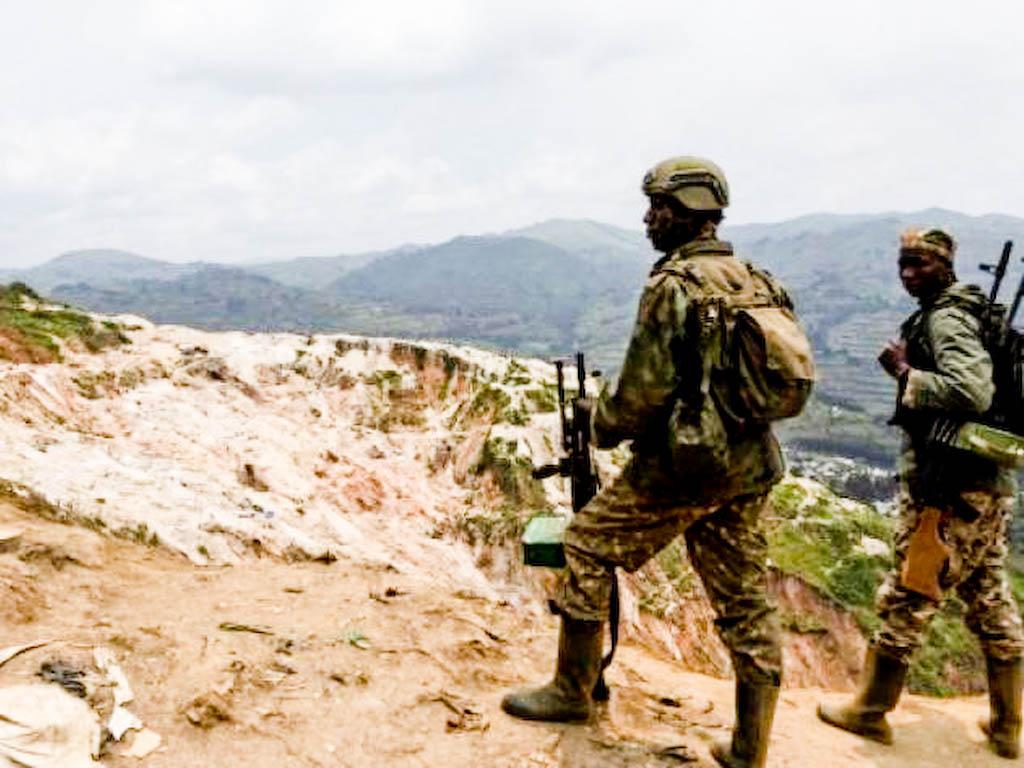 “Thanks” to the war in the Middle East, the AFC/M23 movement, supported by Rwanda and occupying part of eastern Democratic Republic of the Congo, can no longer export smuggled gold to [...]
 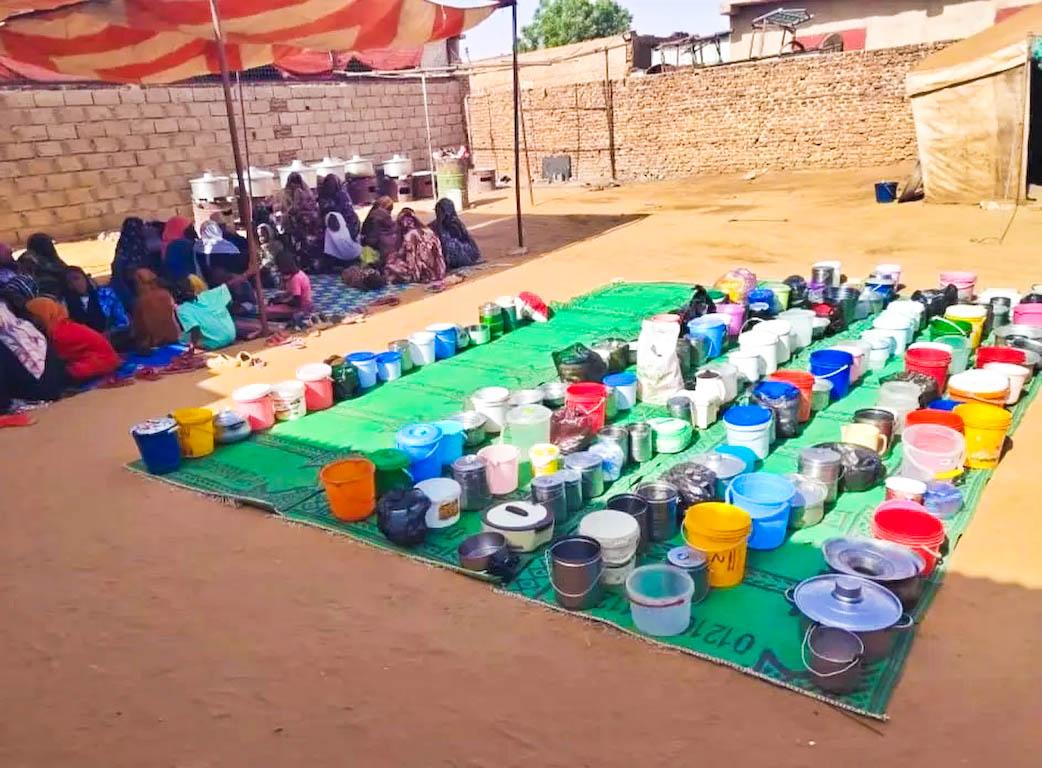 On an ordinary morning in El Obeid, Azza al-Amin kneads bread dough in her narrow kitchen as a drone buzzes angrily in the distance. She keeps working. Hundreds of people are counting on her. [...]
 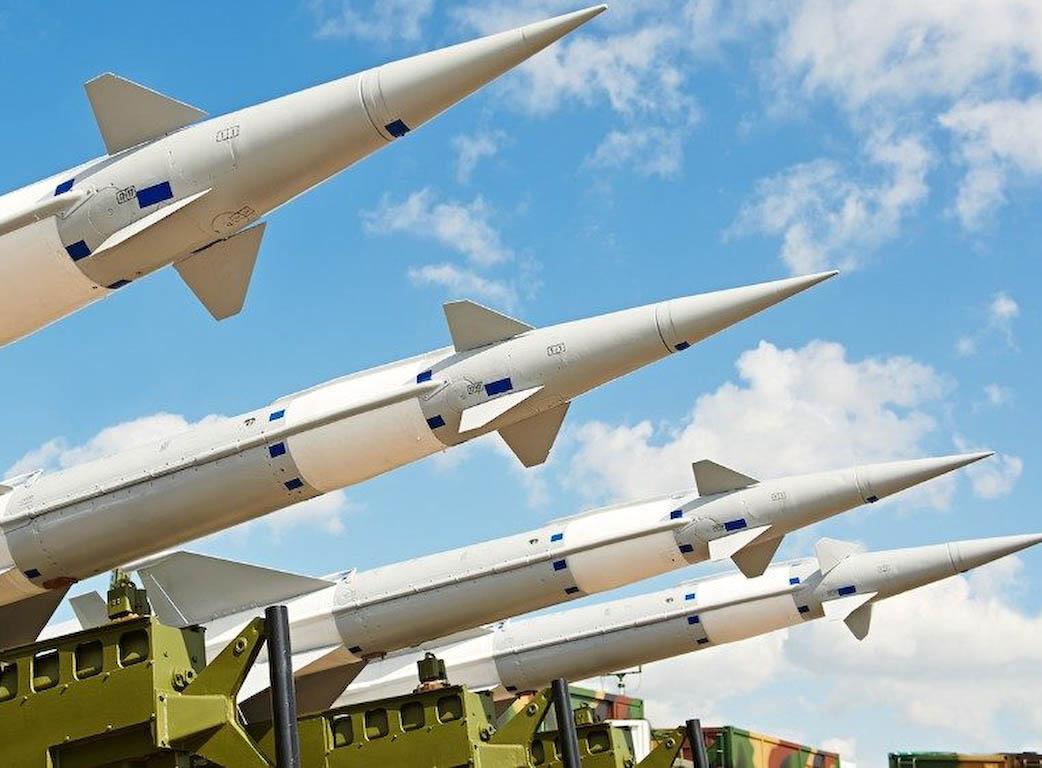 Global military spending has experienced a significant acceleration in recent years, reaching levels not seen since the end of the Second World War. The latest data from the International Monetary [...]
 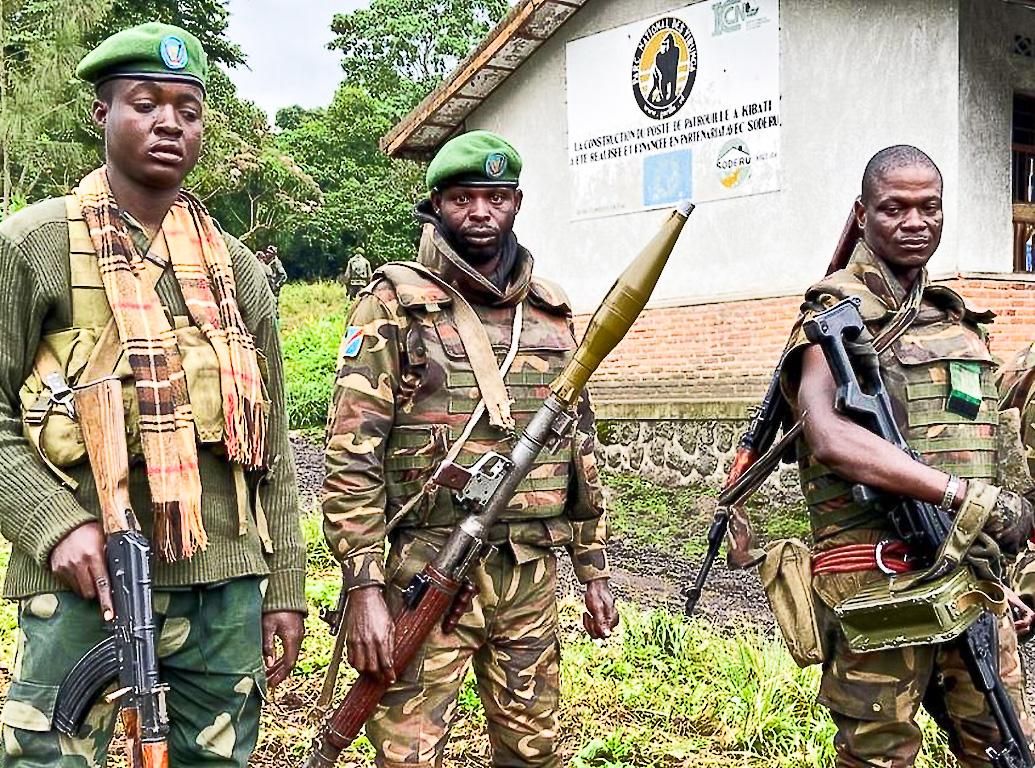 “The territorial expansion of the Congo River Alliance/March 23 Movement (AFC/M23),” the report states, “has reached unprecedented levels, jeopardising regional stability.” [...]
 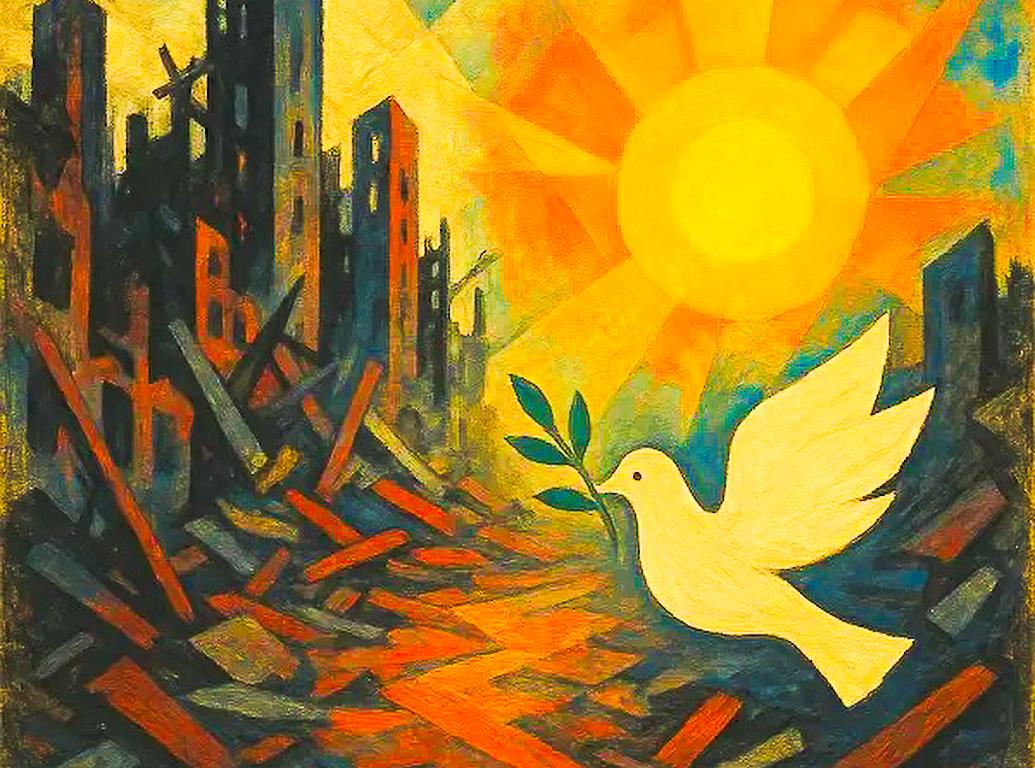 A small booklet published posthumously in 1933 by the biologist René Quinton, Maximes sur la guerre, appreciated and used by Mussolini, has at its core this sentence: “War is killing, to [...]
 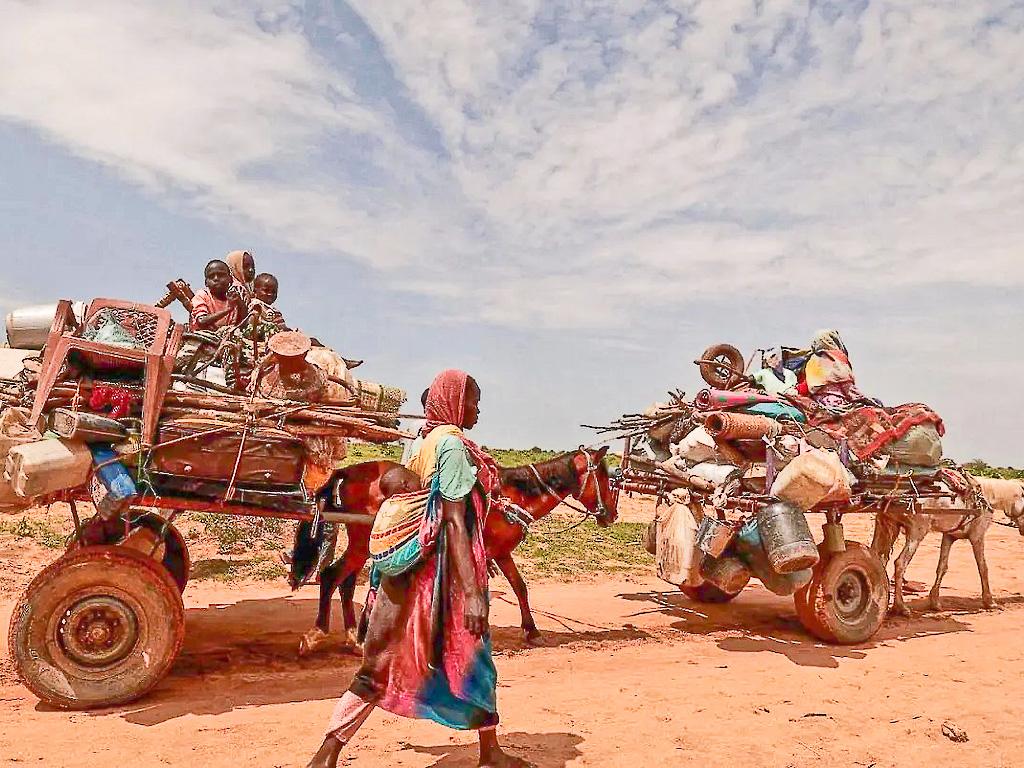 How can a soldier recite the Lord’s Prayer in battlefield liturgies? O reckless man!
You call God Father while you place the knife at your brother’s throat.
Hallowed be thy name. What [...]
How can a soldier recite the Lord’s Prayer in battlefield liturgies? O reckless man!
You call God Father while you place the knife at your brother’s throat.
Hallowed be thy name. What [...] 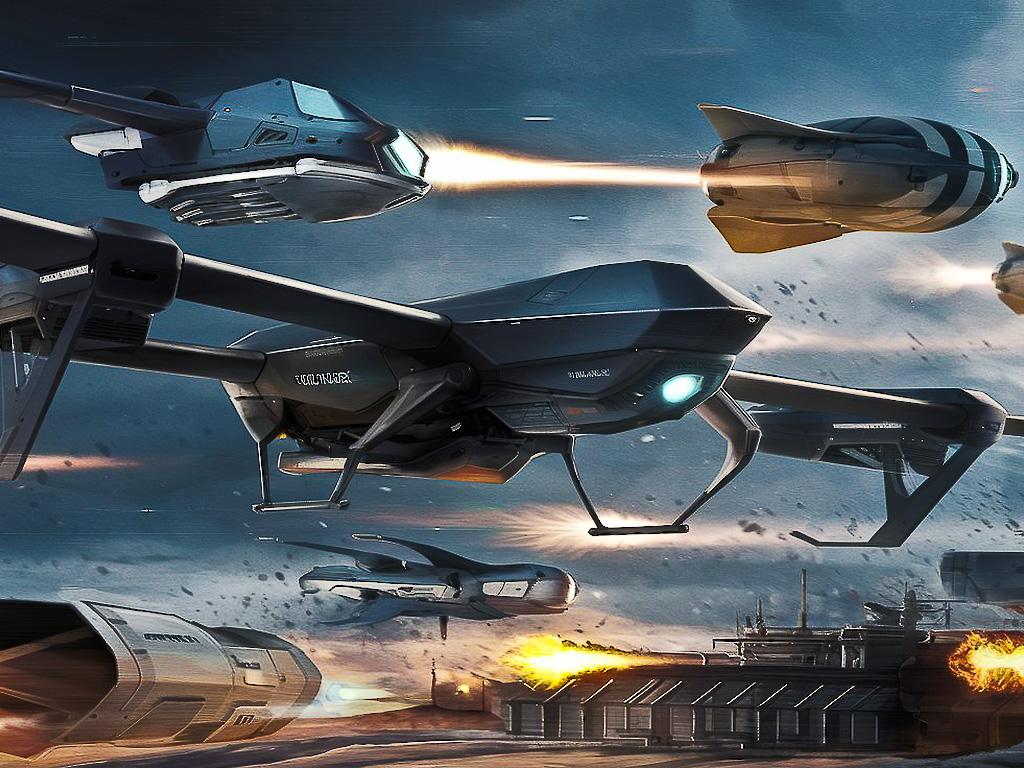 The list drawn up this year includes Amazon, Anduril Industries, Meta, Northrop Grumman, Palantir Technologies, Space Exploration Technologies and Vanguard. These computing and technology giants are [...]
 Info
Email: jampypezzi@gmail.com - tel. +39 328 732 6990 / +243 991 457 856
This blog is made in 4 languages: it en fr es

 EDitt | Web Agency
Leave a comment