
Justice, Peace, Integrity
of Creation
Justice, Peace, Integrity
of Creation
By John Paul Pezzi, Mccj
Justice, Peace, Integrity
of Creation
By John Paul Pezzi, Mccj

Justice, Peace, Integrity
of Creation
By John Paul Pezzi, Mccj

Justice, Peace, Integrity
of Creation
By John Paul Pezzi, Mccj
Modern war without limits
https://labarcaeilmare.it 16.04.2026 Daniele Rocchetti Translated by: Jpic-jp.orgIn the past, people spoke of a “just war” and listed the conditions under which a war could truly be considered just. Today, it has become impossible to establish such conditions, and war is nothing but destruction without measure.
For several years, and through many public meetings, I have explained how meaningless it has become to speak of a “just war” after the atomic bombings of Hiroshima and Nagasaki. I have written extensively on paragraph 67 of Pacem in Terris and on the expression alienum a ratione, where Pope John XXIII states unequivocally that in the nuclear age war is no longer compatible with moral and political reason, because its destructive effects exceed any possible proportional or discriminating control.
And yet, observing what is happening in this period of global disorder, I sometimes think it would not be a bad idea to recover certain insights linked to the notion of “just war”. An ancient concept, already envisaged by Cicero, developed by Saint Ambrose and Saint Augustine, who in a Christianised world sought to reconcile the Gospel with the reality of war, and later systematised in the Middle Ages by Saint Thomas Aquinas, who defined its fundamental criteria.
The reasons for calling war just no longer exist
The doctrine of just war was born as a restraint, not as a justification. It was an attempt—perhaps naïve but necessary—to impose moral limits on organised violence. It established strict conditions: a just cause, legitimate authority, last resort, proportionality. It was not a green light for war, but a barrier against its abuse. Today, that barrier has been dismantled piece by piece.
Contemporary wars rarely meet even one of those criteria. “Just cause” has become a flexible slogan, bent to geopolitical convenience. Defence easily turns into preventive attack, security into expansion of influence. Moral language survives, but it is emptied: it serves more to legitimise than to limit.
Legitimate authority is another declining myth. Decisions that once required broad consensus are now taken by narrow executives, often without real democratic oversight. Wars begin without formal declarations, without clear accountability, in a grey zone that dissolves all constraint.
Even more serious is the disappearance of the principle of last resort. Diplomacy has become a formality rather than a genuine effort. Negotiations are often mere simulations, instruments to buy time or build domestic consensus, while the military option remains permanently on the table, ready and already planned.
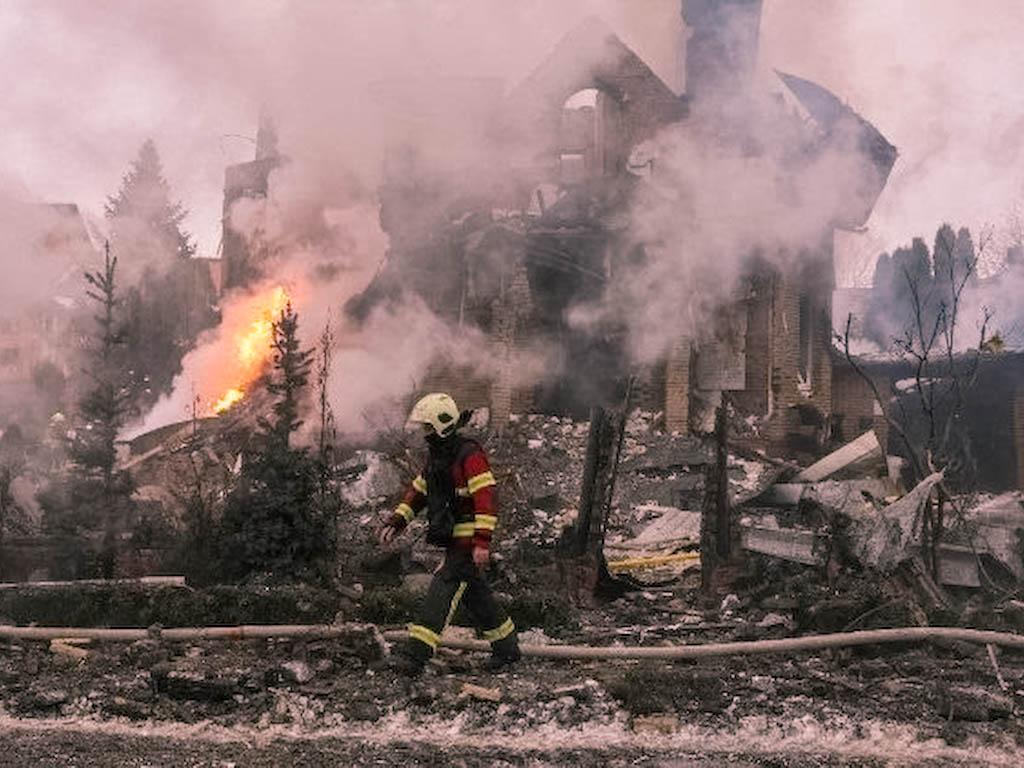
Then there is proportionality, now reduced to an empty word. Modern technologies allow precise destruction, but precision is not justice. Entire areas are devastated in the name of limited objectives. Collateral damage is anticipated, accepted, and accounted for. Not avoided.
The principle of distinction between civilians and combatants is perhaps the most openly violated. Today’s wars are fought in cities, among people, and civilians inevitably become targets. Not by mistake, but by the very structure of the conflict. When everything becomes a battlefield, no one is truly protected.
Moral constraints have been abandoned
The truth is more uncomfortable: moral constraints have not been overcome, they have been abandoned. Not because they have become obsolete, but because they are inconvenient. They limit action, impose responsibility, require coherence. And coherence is the first casualty of modern war.
We continue to speak of values, rights, justice. But these words no longer restrain anything. They function as cover, not as guidance. The gap between what is said and what is done has never been so wide.
The doctrine of just war, with all its limitations, at least had the merit of recognising that war is an evil to be contained. Today, by contrast, war is managed, administered and normalised. It is no longer seen as the ultimate exception, but as one instrument among others in the politics of conflict. In a brutal way, it is even regarded as a possible—and increasingly inevitable—solution to political and international tensions.
And when war becomes an instrument, limits disappear. Not because they no longer exist, but because it is no longer convenient to respect them.
Andrea Riccardi, in the Corriere della Sera of 1 May 2026, adds another reflection under the title Modern wars cannnot be won.
We are in a season in which war, once described as a “scourge” in the Charter of the United Nations, has become the principal “instrument” of international politics. It is now easy to enter into conflict, but then impossible to exit it, either through negotiation or through victory. This can be seen in the negotiations taking place in Islamabad between the United States and Iran, mediated by Pakistan, which continue without any point of agreement being reached. The Iranian regime, deprived of its Supreme Leader following the killing of Ali Khamenei, who had led the country since 1989, struggles to present itself as a unified and coherent interlocutor for the United States, which would like to withdraw from the situation with dignity.
Since 1st March, the situation has further deteriorated with the crisis in the Strait of Hormuz, through which around 20 per cent of global oil and gas production passes, and which had never previously been closed. The conflict began with Israeli and American bombardments against Iranian targets, both military and industrial or political. The Tehran regime appeared weakened by the economic crisis and by protests that had erupted since autumn 2025 under the slogan “Woman, Life, Freedom”, followed by more recent demonstrations in early January, all of which were brutally repressed. Nevertheless, the country continues to resist military pressure despite destruction and sanctions.
This is not so much the expression of internal cohesion—although the bombardments have strengthened it despite the regime’s continued unpopularity—as it is a feature of twenty-first-century warfare. The military disparity between the United States and Israel on one side and Iran on the other is evident, but—given the current state of armaments and deterrence—force alone is no longer sufficient to bring Tehran to its knees. This is a condition repeated in many situations, due to the level reached by military capabilities, regardless of the possession of nuclear weapons.
Moreover, it has been more than four years, since 24 February 2022, that Russians and Ukrainians have been fighting, with a heavy toll of deaths and a high cost in destruction, borne almost entirely by Ukraine following the Russian invasion. The aggression was intended as a Blitzkrieg, a lightning war, to bring down the government of Volodymyr Zelensky and install one favourable to Moscow, also relying on the fragile cohesion of a recently formed state, partly Russian-speaking and with Russian minorities.
Ukrainian resistance came as a bitter surprise to Vladimir Putin, who had been confident of a rapid victory. Western support, which began even before the invasion, proved vital, but equally decisive was the unified reaction triggered by the aggression, which strengthened Ukrainian cohesion. Thus, with some variations, the conflict has effectively turned into a war of positions, while bombardments continue. It is a clear example of how contemporary war tends to become protracted, causing severe damage and human losses.
Donald Trump had promised a rapid solution to the Russia–Ukraine.
It was he himself, during his first term in office, who promoted the Doha Agreement with the Taliban in 2020, which brought an end to twenty years of presence in Afghanistan by American and allied troops, with the withdrawal taking place the following year. By that decision, he brought to a close a war that could not be concluded. The tragic death toll amounted to 241,000, including more than 65,000 Afghans allied with the coalition, and over 85,000 Taliban fighters and associated groups. Within the Western coalition, there were more than 3,500 deaths, including 57 Italians. One must also not forget the number of Afghans who had believed in democracy and the emancipation of women, and who were forced to flee or now find themselves in danger.
This very long boots on the ground operation, made even more difficult by Afghanistan’s extremely rugged terrain, today illustrates the difficulty—or even the impossibility—of winning wars of this kind, despite the immense military and technological power deployed. The Soviet experience in the country had already foreshadowed this. Yet the lesson of history is often obscured by the exaltation of force and military means.
The discourse on war and peace consistently developed by Pope Leo XIV is grounded in the tragic experience of the conflicts of the twentieth and twenty-first centuries: it is not the result of a kind of traditional “softness”, but of a deep evangelical inspiration combined with a global reading of reality. Pope Francis wrote: “Every war leaves the world worse than it found it.” He added: “We can no longer think of war as a solution, given that the risks will probably always be greater than the hypothetical usefulness attributed to it. Faced with such reality, it is now very difficult to uphold the rational criteria developed in earlier centuries for speaking of a possible ‘just war’. Never again war!”, he concluded. War remains a “useless massacre”.
This is a rational conviction in the face of bellicose shortcuts that become a tunnel from which one cannot escape, paying a heavy price in human lives and placing the economies of many countries under strain.
The comments from our readers (1)
 We no longer seem capable of genuine dialogue. One reason is that we can no longer bear silence, which confronts us with ourselves even before it confronts us with others, and which is the [...]
  As Daniele Rocchetti clearly points out, Just War theory did not arise in order to justify war but rather to limit it. From its very beginnings, it sought to subject the use of armed force to strict [...]
  1. The Violence of the Allied Bombing
Every single darkened stone bears witness, in the most tangible way, to a deeply painful wound that has never fully healed, inflicted in February 1945. Only [...]
1. The Violence of the Allied Bombing
Every single darkened stone bears witness, in the most tangible way, to a deeply painful wound that has never fully healed, inflicted in February 1945. Only [...] 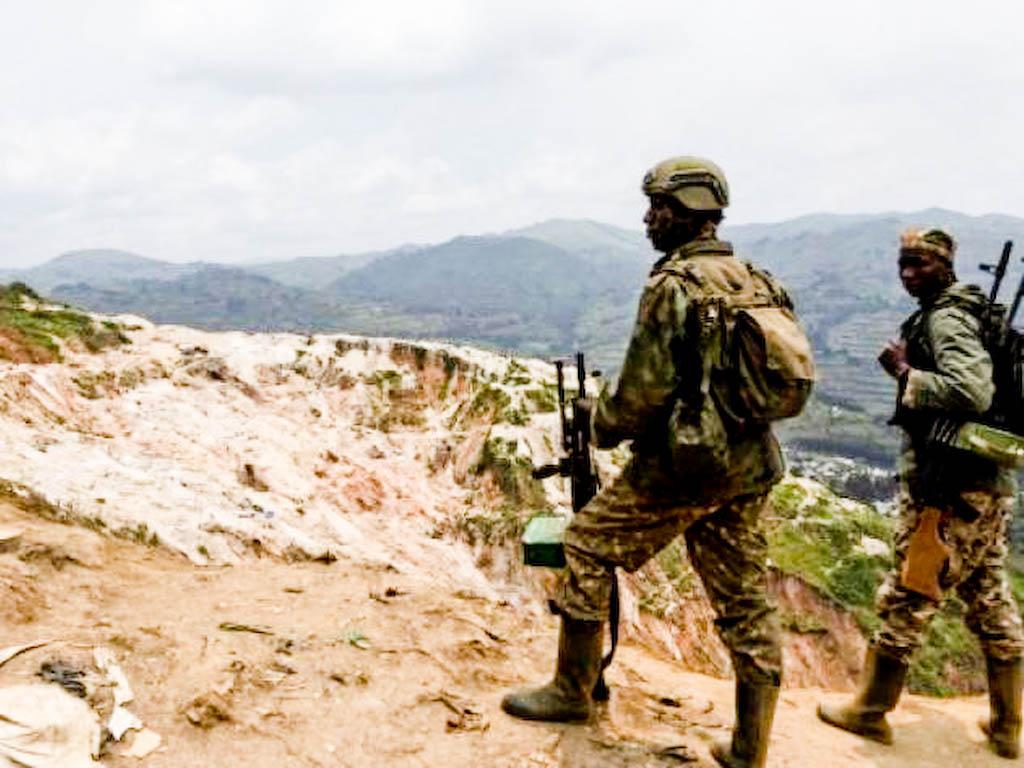 “Thanks” to the war in the Middle East, the AFC/M23 movement, supported by Rwanda and occupying part of eastern Democratic Republic of the Congo, can no longer export smuggled gold to [...]
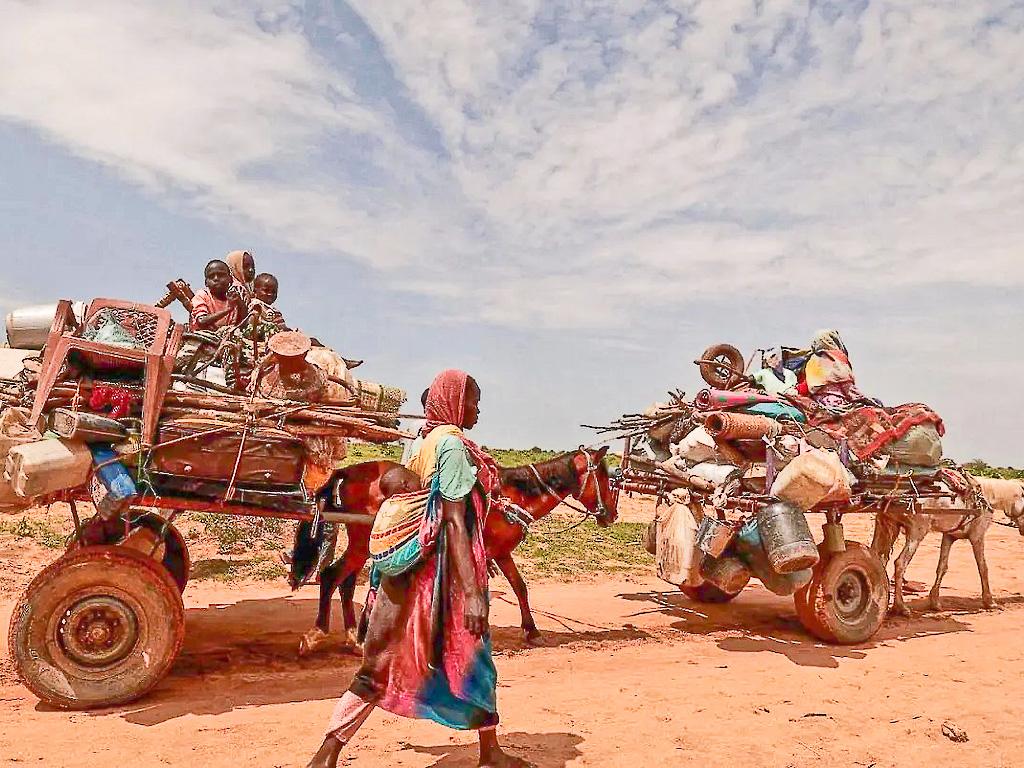
 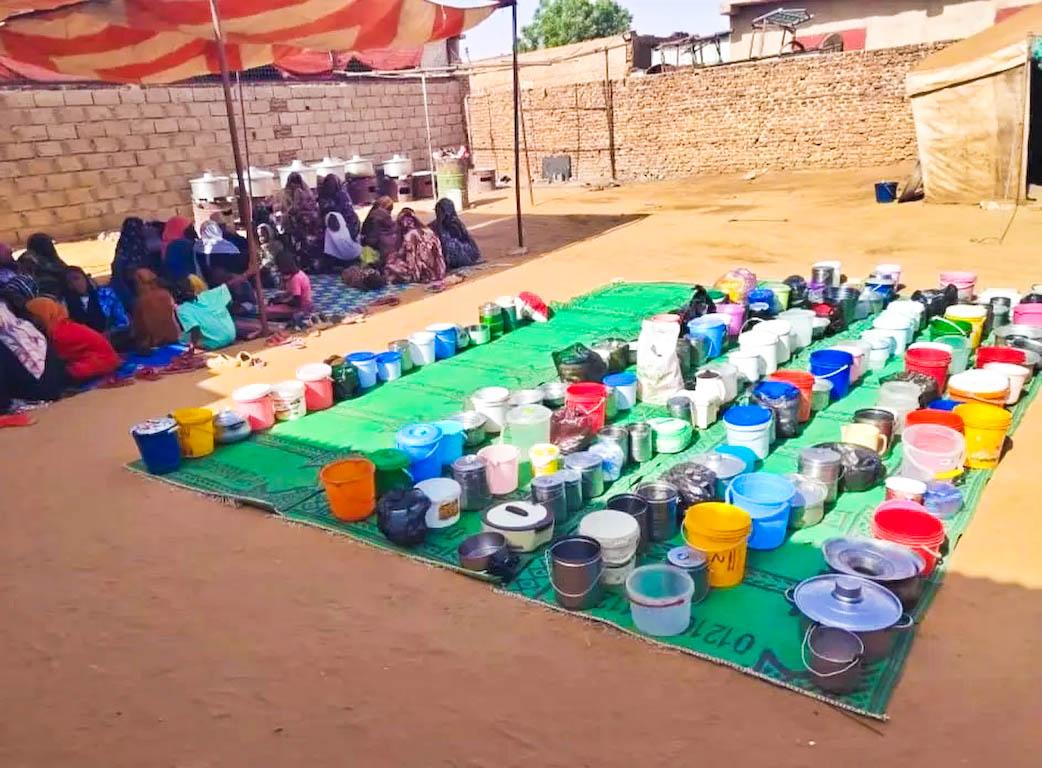 On an ordinary morning in El Obeid, Azza al-Amin kneads bread dough in her narrow kitchen as a drone buzzes angrily in the distance. She keeps working. Hundreds of people are counting on her. [...]
 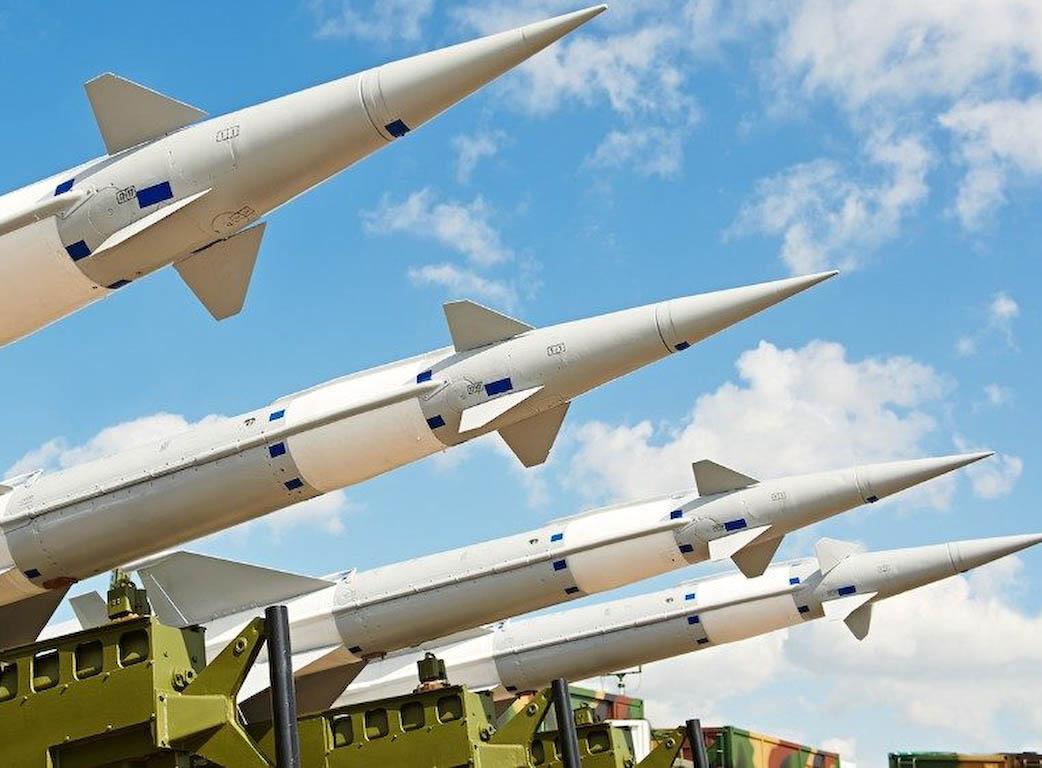 Global military spending has experienced a significant acceleration in recent years, reaching levels not seen since the end of the Second World War. The latest data from the International Monetary [...]
 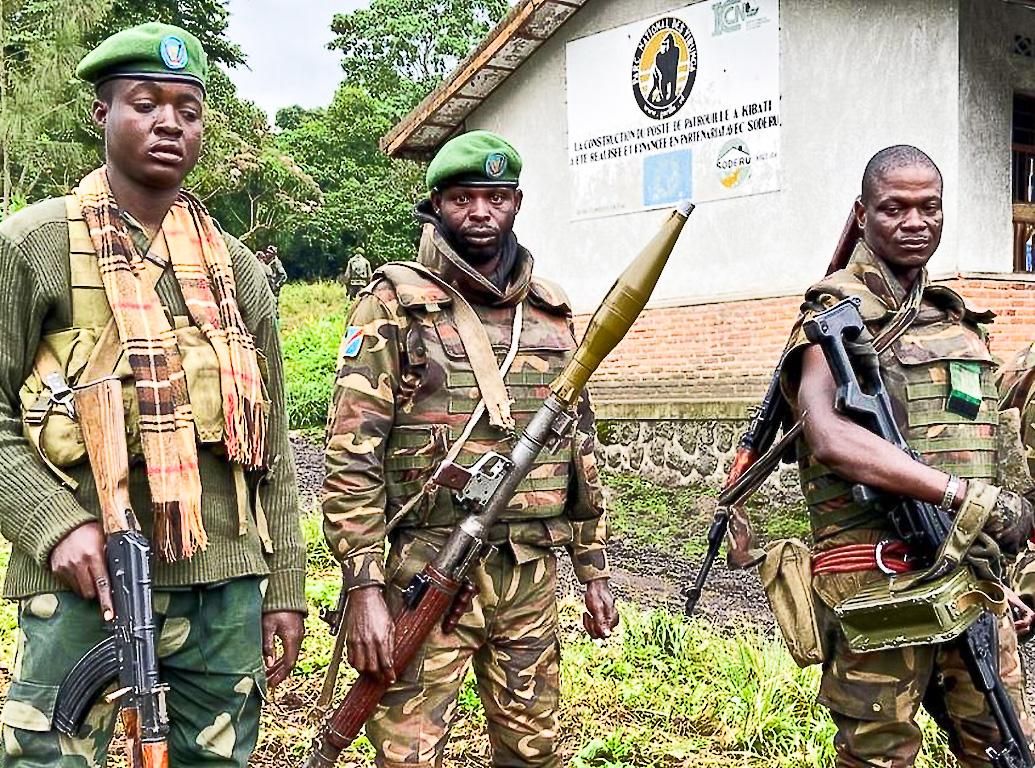 “The territorial expansion of the Congo River Alliance/March 23 Movement (AFC/M23),” the report states, “has reached unprecedented levels, jeopardising regional stability.” [...]
 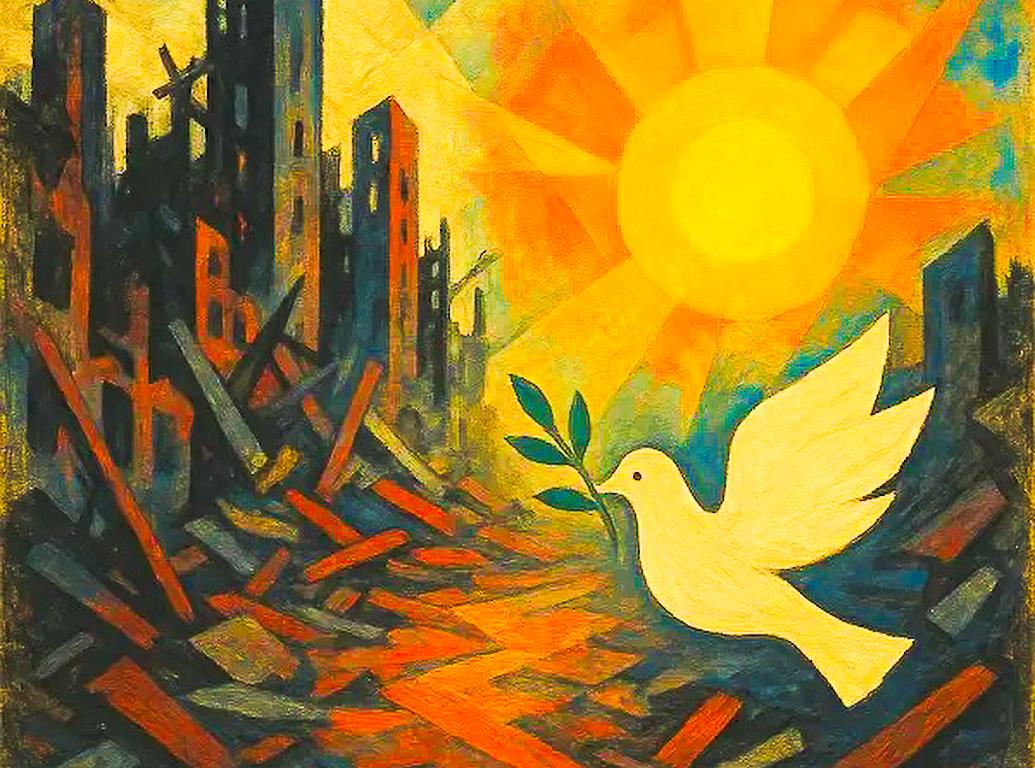 A small booklet published posthumously in 1933 by the biologist René Quinton, Maximes sur la guerre, appreciated and used by Mussolini, has at its core this sentence: “War is killing, to [...]
  How can a soldier recite the Lord’s Prayer in battlefield liturgies? O reckless man!
You call God Father while you place the knife at your brother’s throat.
Hallowed be thy name. What [...]
How can a soldier recite the Lord’s Prayer in battlefield liturgies? O reckless man!
You call God Father while you place the knife at your brother’s throat.
Hallowed be thy name. What [...] 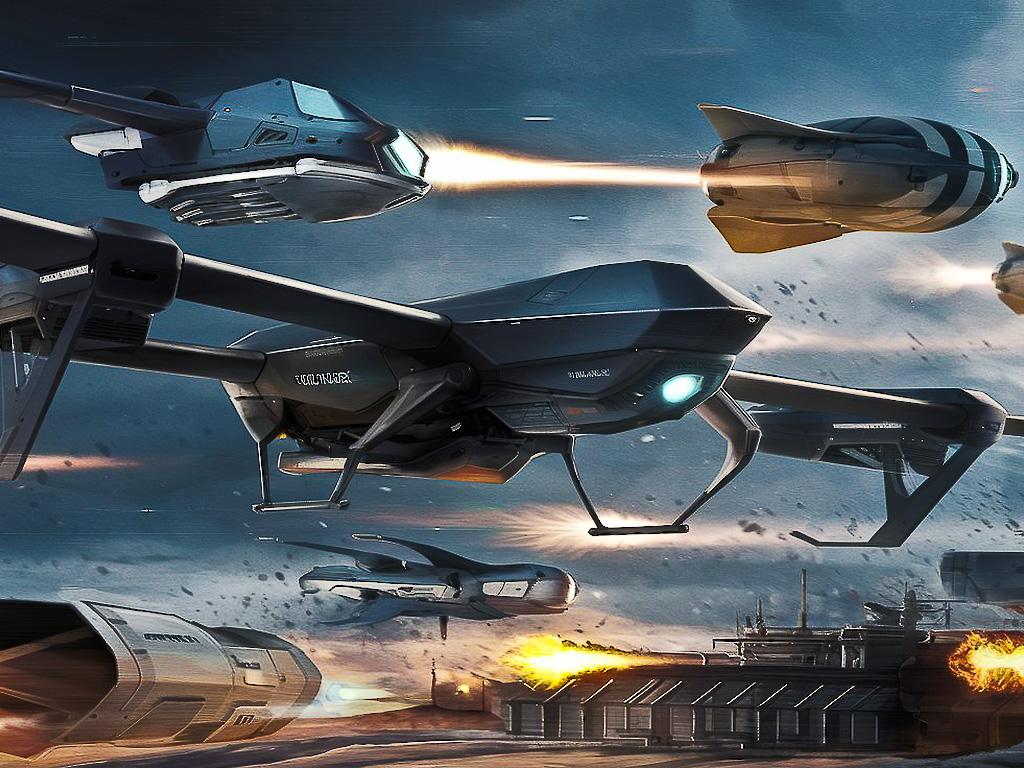 The list drawn up this year includes Amazon, Anduril Industries, Meta, Northrop Grumman, Palantir Technologies, Space Exploration Technologies and Vanguard. These computing and technology giants are [...]
 Info
Email: jampypezzi@gmail.com - tel. +39 328 732 6990 / +243 991 457 856
This blog is made in 4 languages: it en fr es


 EDitt | Web Agency
Leave a comment