Justice, Peace, Integrity
of Creation
Justice, Peace, Integrity
of Creation
By John Paul Pezzi, Mccj
Justice, Peace, Integrity
of Creation
By John Paul Pezzi, Mccj
Justice, Peace, Integrity
of Creation
By John Paul Pezzi, Mccj

Justice, Peace, Integrity
of Creation
By John Paul Pezzi, Mccj
Africa’s Rainforest Switches Sides
Attualità, Clima 14.04.2026 Ouest-France Translated by: Jpic-jp.orgFor decades, Africa’s tropical forests played the role of benevolent climate giants, absorbing vast quantities of the carbon dioxide humanity releases into the atmosphere. But a major scientific discovery has now overturned long-held assumptions. An international study reveals that, since 2010, African forests are no longer allies in the fight against climate change: they have become its adversaries. The shift occurred silently, far from public attention. Today, the Congo Basin and its immense expanses of vegetation release more carbon than they capture. This reversal marks an unprecedented ecological turning point and calls into question our capacity to contain climate change.
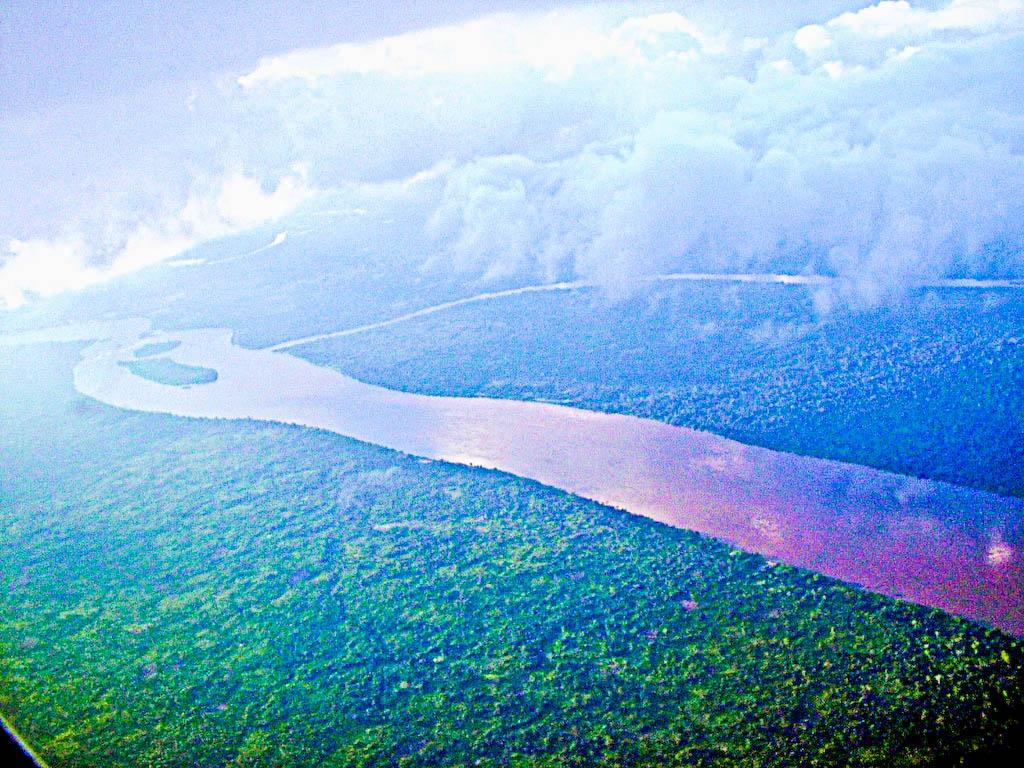
From Carbon Sink to Carbon Source: A Historic Reversal
Until only a few years ago, scientists believed they could rely on a natural climatic safety valve. Africa’s tropical forests were regarded as one of the planet’s three great forest lungs, alongside the Amazon and the forests of South-East Asia. For more than three decades, they absorbed the equivalent of two billion tonnes of carbon dioxide each year — a colossal quantity that partially offset human emissions.
Yet satellite data and direct field measurements gathered by researchers from the Université libre de Bruxelles, the Centre de coopération internationale en recherche agronomique pour le développement and other leading institutions now tell a very different story. Between 2010 and 2018, forests in the Congo Basin emitted approximately 0.6 gigatonnes of CO₂ annually on a net basis, while absorbing only 0.4 gigatonnes. The balance no longer holds. The Earth’s climate system has effectively lost one of its most important safeguards.
How a Forest Carbon Sink Functions
To understand this dramatic reversal, it is first necessary to grasp the basic mechanism that makes forests natural allies of the climate. A tropical forest functions as a vast biological carbon-capture system. As trees grow, they absorb CO₂ from the atmosphere through photosynthesis and store it in their trunks, leaves and roots.
As long as the forest continues to expand — with more trees growing than dying and decomposing — the balance remains favourable for the climate. The forest acts as a carbon sink, meaning it removes more carbon from the atmosphere than it releases. This is precisely what occurred in Central Africa for decades. The forests of the Congo, immense and ancient, continued to grow and accumulate biomass.
But this equilibrium depends on a fragile assumption: the forest must remain intact and stable. Once disturbances intervene, the balance rapidly reverses. A tree that dies and decays releases the carbon it had stored. A degraded forest, where mortality exceeds growth, becomes a net source of emissions.
Why the Congo Forests Are Changing Role
The principal driver behind this reversal bears a name well known to climatologists: climate change itself. Average temperatures in Central Africa have risen significantly over the past two decades. This warming has been accompanied by disruptions to rainfall patterns: some regions are experiencing more frequent and intense droughts, while others face increasingly erratic precipitation.
Despite their apparent resilience, African tropical forests remain remarkably sensitive to climatic variations. They evolved over millions of years within a relatively stable environment and adapted to highly specific conditions. When temperature and humidity diverge too rapidly from the norm, the trees begin to suffer. Growth slows. Vulnerability to disease and pests increases. Above all, extreme climatic events such as prolonged droughts kill trees directly.
At the same time, human pressure has not diminished. Deforestation for agriculture, legal and illegal logging, and habitat fragmentation continue to weaken forest ecosystems. Combined with climate change, these human disturbances are creating an explosive situation: forests are becoming increasingly fragile, fragmented and exposed to ever more extreme weather conditions.
The Silent Degradation of the Forests
What makes the phenomenon particularly insidious is that it is not always accompanied by visible clear-cutting. The forests are not disappearing overnight. Instead, they are degrading progressively, almost imperceptibly to the untrained eye. Trees are dying at an accelerated rate, replaced by poorer vegetation with a far lower capacity for carbon storage. Researchers describe this process as “accelerated woody mortality”.
Imagine an old tropical forest as a complex living organism. Its oldest and largest trees account for the majority of stored carbon. When these centuries-old giants die — whether from drought, increasingly violent storms or opportunistic diseases — the carbon they contained is released back into the atmosphere. And if regeneration does not keep pace, if younger trees fail to compensate for the loss, the forest shifts from asset to liability: it becomes a net emitter of carbon.
The process is also self-reinforcing. A degraded forest becomes more vulnerable to fires. Fires release enormous quantities of carbon and further fragment forested areas. These fragments become isolated ecological islands, increasingly exposed to edge effects, where microclimatic conditions change dramatically.
The Alarming Figures Behind the Transformation
The scale of the phenomenon must be fully understood in order to grasp its seriousness. Between 2010 and 2018, the forests of the Congo Basin emitted an additional net 0.2 gigatonnes of CO₂ per year compared with the 1990s. To place this in perspective, this is equivalent to the current annual emissions of France. Yet these emissions come from a region long considered one of the world’s great climatic safety valves.
Estimates indicate that tree mortality has increased by 60 per cent over twenty years in certain regions of the Congo Basin. At the same time, the growth rate of surviving trees has declined. This double dynamic — accelerated mortality combined with slower growth — explains why the balance has reversed so dramatically. Researchers controlled the data for deliberate fires and other obvious human disturbances, and the climatic signal nevertheless remained dominant.
Another troubling indicator concerns the fate of the released carbon. Part escapes directly into the atmosphere as CO₂. Another portion is processed by soil micro-organisms or released as methane because of water saturation in forest soils. Far from slowing climate change, the African tropical rainforest is now contributing to its acceleration.
Consequences for the Global Climate
This reversal in the role of African forests comes at a critical moment in the climate crisis. The world has already exceeded 1.1 degrees Celsius of warming since the pre-industrial era, and the window for remaining below 1.5 degrees is rapidly closing. Climate models had assumed that tropical forests would continue to play a moderating role. That assumption must now be reconsidered.
The loss of such a vast carbon sink means that emission-reduction efforts will need to be intensified elsewhere. It makes the objective of achieving carbon neutrality even more difficult. Governments and corporations that relied on tropical forest growth to offset their emissions are now being forced to rethink their decarbonisation strategies.
There is also a risk of cascading effects. If the Congo Basin continues to deteriorate and becomes a sustained net source of emissions, other tropical forests could follow a similar trajectory. The Amazon, already weakened by deforestation, may reach a comparable tipping point. At that stage, climate feedback mechanisms could accelerate in a non-linear and catastrophic manner.
Solutions Exist, but Urgent Action Remains Insufficient
The scientific diagnosis is clear: the degradation of African forests must be halted and their regeneration enabled. This means drastically reducing deforestation, ending unsustainable logging practices, and protecting forests from the impacts of climate change. In theory, the solutions exist. Well-managed forest reserves can recover. Degraded forests can be restored. Ambitious climate policies can mitigate thermal shocks.
But on the ground, the sense of urgency has not yet translated into sufficient action. Funding for forest protection remains inadequate. Economic pressure to convert land to intensive agriculture persists. And climate change continues to accelerate, threatening to render restoration measures obsolete before they can even bear fruit.
The transformation of the Congo Basin forests from carbon sinks into net carbon emitters represents far more than a local environmental setback. It is a global warning signal demonstrating how fragile our natural systems are in the face of the climate change humanity has unleashed. The forests that were expected to help save us are themselves in peril. Restoring this broken balance will require immediate, unwavering and worldwide mobilisation.
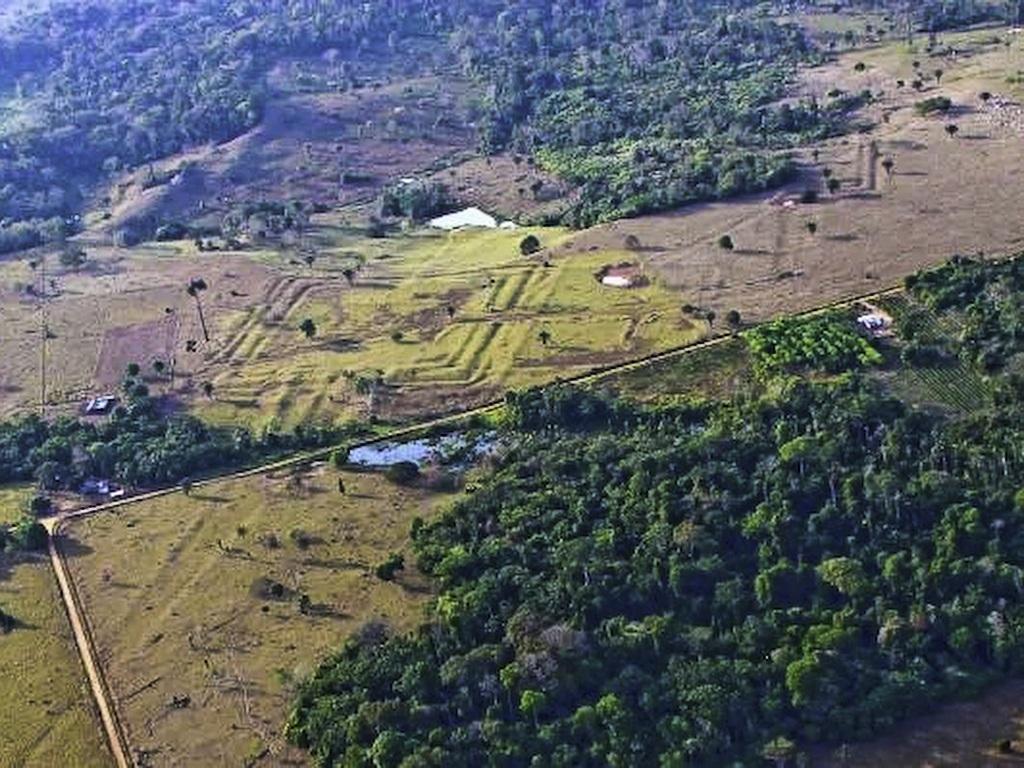 The Amazon was not always the wild forest we know today. Between approximately 600 BC and AD 850, a civilisation known as Aquiry profoundly reshaped the south-western Amazon basin. Its inhabitants [...]
  Thousands of trees were planted in the Sahara without success. Then 500 tortoises achieved what no one had expected, and the desert has begun to turn green again, visible even from space.
The [...]
Thousands of trees were planted in the Sahara without success. Then 500 tortoises achieved what no one had expected, and the desert has begun to turn green again, visible even from space.
The [...]  “Each of us uses around 18 kilograms of sand every day,” said Pascal Peduzzi, Director of UNEP’s Environmental Data Centre, during the presentation of the report in his Swiss city [...]
  It would be wrong and superficial to criticise the Conference on the grounds that no binding agreements were reached, since the Santa Marta Conference was explicitly not designed as a negotiation [...]
  Climate change is no longer a distant threat. Across the Pacific, it has become an everyday reality, reshaping coastlines, livelihoods and the fragile balance between people and their environment. [...]
 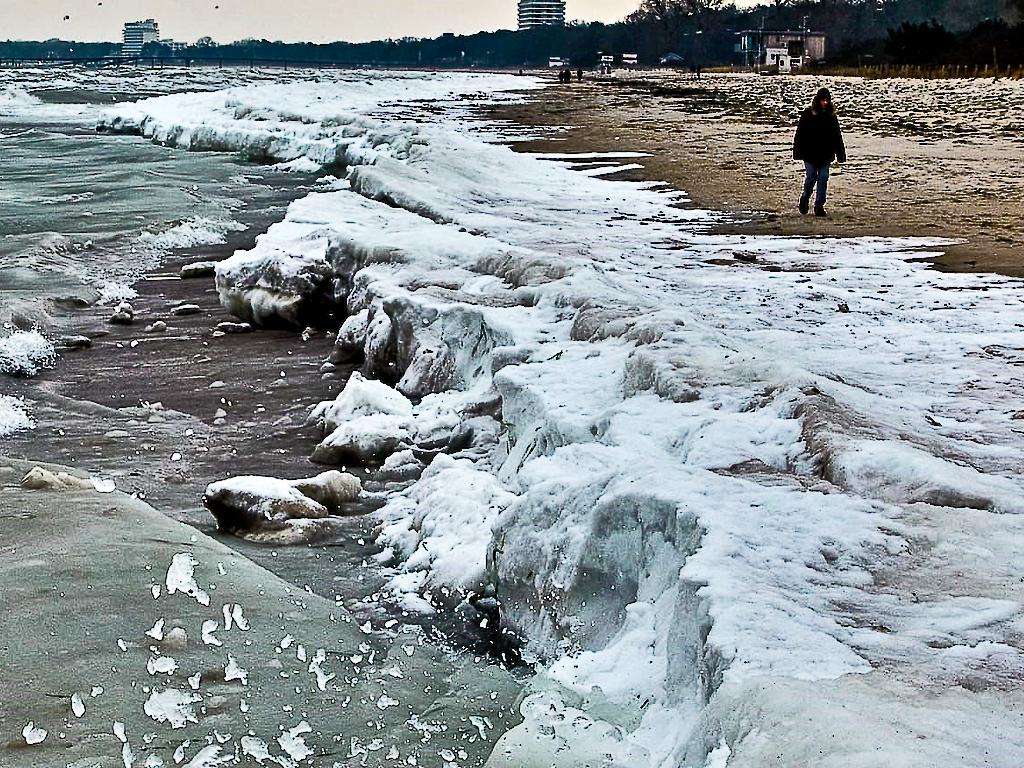 The seabed of the Baltic Sea is only one example of how wars have contaminated the oceans. After the Second World War, between 40,000 and 60,000 tonnes of chemical weapons were abandoned in the [...]
 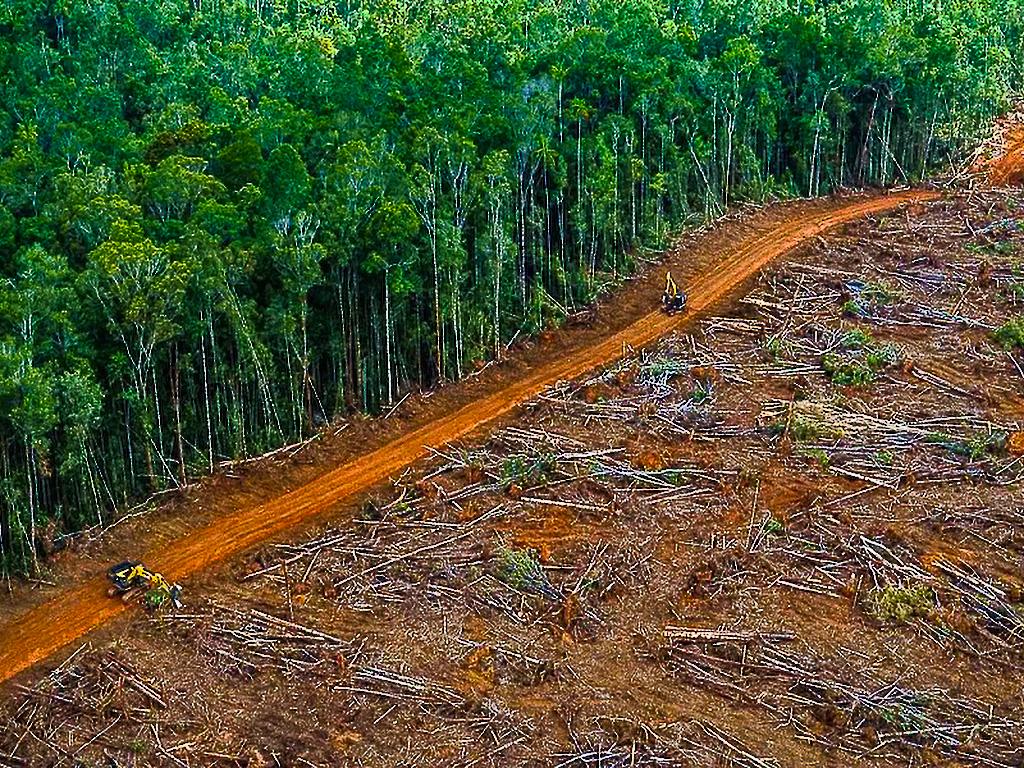 A study published a few weeks ago in Nature Climate Change concluded that deforestation has killed more than half a million people in the past two decades, between 2001 and 2020. A frightening [...]
 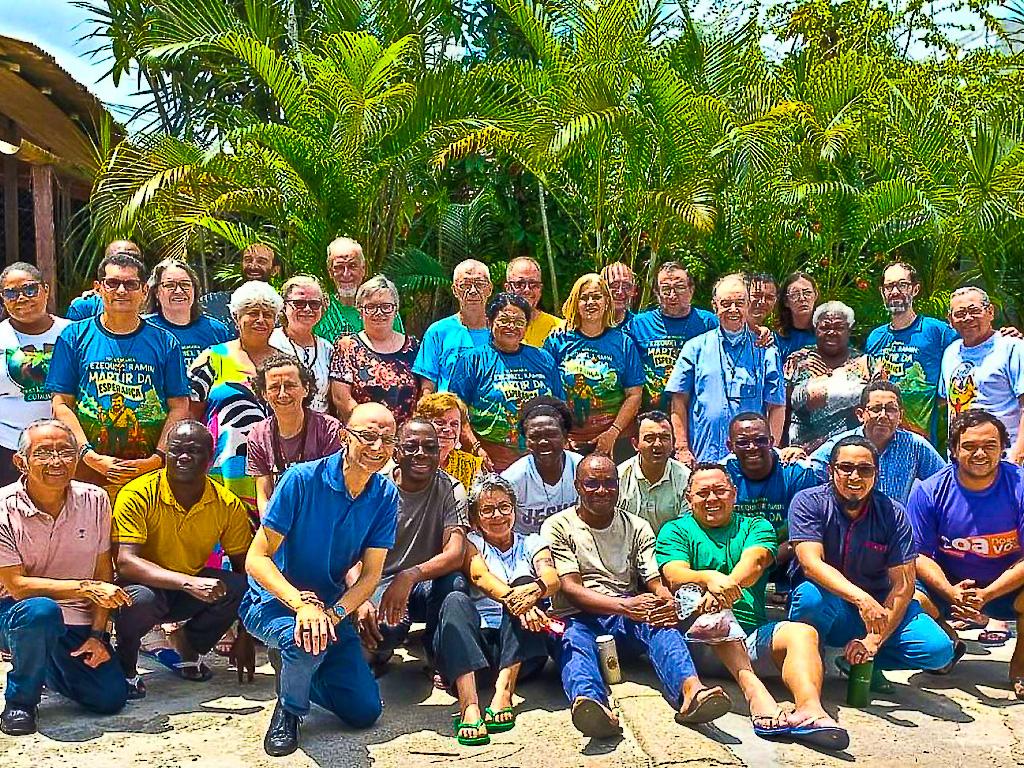 COP30, at the moment of its gathering, gives the impression of a shared desire to assemble declarations of principle and political frameworks to establish “good intentions” and [...]
 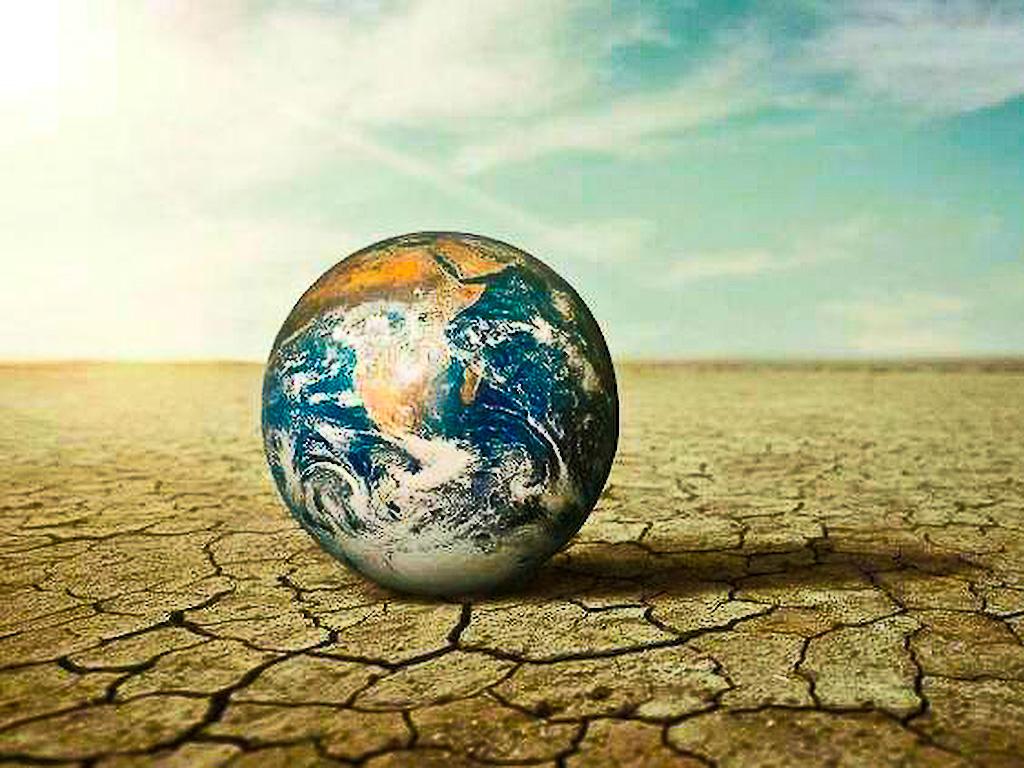 Let’s try an extremely difficult summary. During the first days, we all essentially deluded ourselves. The Brazilian presidency had indeed released draft texts that included “also” [...]
  In a world shaken by crises, this exhibition reminds us that beauty — whether natural, artistic, or cosmic — remains a source of hope. As Dostoevsky said, “Beauty will save the [...]
 Info
Email: jampypezzi@gmail.com - tel. +39 328 732 6990 / +243 991 457 856
This blog is made in 4 languages: it en fr es





 EDitt | Web Agency
Leave a comment