Justice, Peace, Integrity
of Creation
Justice, Peace, Integrity
of Creation
By John Paul Pezzi, Mccj
Justice, Peace, Integrity
of Creation
By John Paul Pezzi, Mccj
Justice, Peace, Integrity
of Creation
By John Paul Pezzi, Mccj
Justice, Peace, Integrity
of Creation
By John Paul Pezzi, Mccj
Thousands of Trees Failed – Then 500 Tortoises Performed a Miracle
RSE Magazine 29.06.2026 Claire Morel Translated by: Jpic-jp.orgDid you know that 500 African spurred tortoises could help transform the Sahel into a green oasis? Thousands of trees were planted in the Sahara without success. Then 500 tortoises achieved what no one had expected.
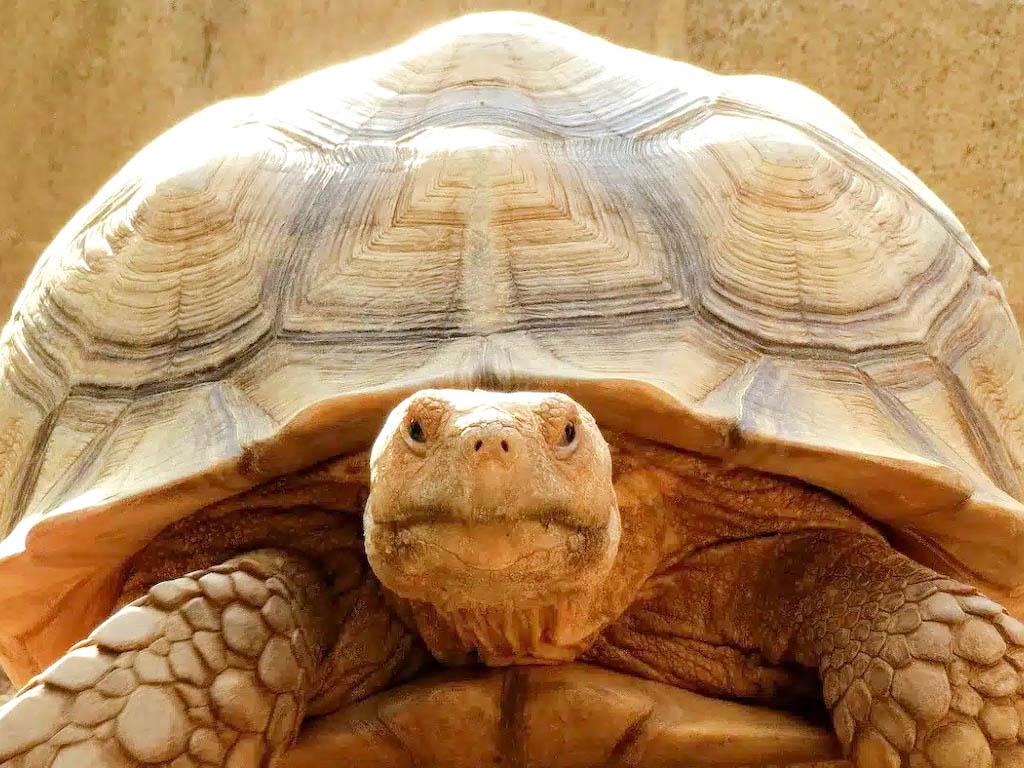
Thousands of trees were planted in the Sahara without success. Then 500 tortoises achieved what no one had expected, and the desert has begun to turn green again, visible even from space.
The Sahel region, stretching along the southern edge of the Sahara, has long endured extreme climatic conditions. Daytime temperatures frequently exceed 60°C before falling sharply at night, creating a highly hostile environment. The hardened surface crust of the soil prevents rainwater from penetrating the ground and accelerates the process of desertification. However, a project launched in 2021 may be changing this reality. It involves releasing 500 African spurred tortoises in order to make these arid landscapes more hospitable to biodiversity.
The Intervention and Its Promise
In 2021, along the southern fringe of the Sahara, specialists from the International Union for Conservation of Nature (IUCN), in partnership with Save Our Sulcata (SOS), released 500 African spurred tortoises into an almost barren landscape, reports L'Internaute. The African spurred tortoise (Centrochelys sulcata), the largest tortoise native to Africa, was selected because it excavates burrows reaching depths of between 10 and 15 metres.
These tunnels break through the hardened soil crust, allowing rainwater to infiltrate the ground and creating conditions that encourage seed germination. Five years later, satellite imagery reveals patches of green emerging across the sand, suggesting that the method is beginning to produce encouraging results.
What the Tortoises Actually Do
The tortoises' role extends well beyond digging burrows. By turning over the soil, they alter its structure, improve its ability to retain moisture, and create a more stable microclimate around the entrances to their burrows. These conditions soon attract insects and micro-organisms, while increasingly dense vegetation gradually becomes established.
For this reason, they are often described as "ecosystem engineers". Their ecological role is comparable to that of keystone species, whose activities are essential for restoring degraded ecosystems. As vegetation spreads, birds and small vertebrates begin to colonise these newly created green refuges.
A Local Success Story
Since 1992, the Village des Tortues at Noflaye, Senegal, has cared for more than 300 tortoises and has supported conservation through breeding and release programmes. Monitoring indicates a survival rate of over 80 per cent after four years, confirming that this approach can be effective over the long term.
Despite these encouraging results, the IUCN continues to classify the African spurred tortoise as Endangered, owing to habitat loss, climate change and other human-induced pressures.
Towards Lasting Ecological Resilience
The initial findings are promising, but reintroducing tortoises alone will not be enough to halt desertification. Long-term success will also depend on rainfall patterns, sustainable land management and political stability.
This project demonstrates the value of integrated ecological solutions. It builds upon traditional Sahelian farming practices, such as the half-moon water-harvesting technique, while extending their impact over much larger areas and over longer periods through the ecological work carried out by the tortoises.
Photo. Claire Morel. © RSE Magazine
For the half-moon water-harvesting technique, see https://fr.wikipedia.org/wiki/Demi-lune_(agriculture)
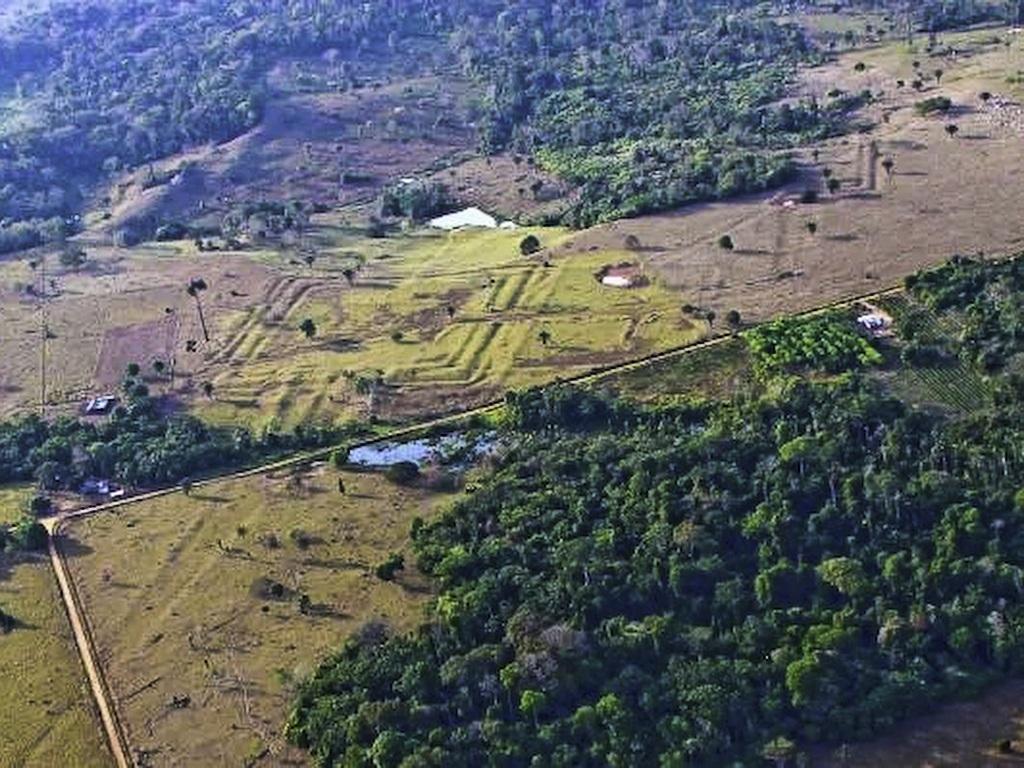 The Amazon was not always the wild forest we know today. Between approximately 600 BC and AD 850, a civilisation known as Aquiry profoundly reshaped the south-western Amazon basin. Its inhabitants [...]
  “Each of us uses around 18 kilograms of sand every day,” said Pascal Peduzzi, Director of UNEP’s Environmental Data Centre, during the presentation of the report in his Swiss city [...]
 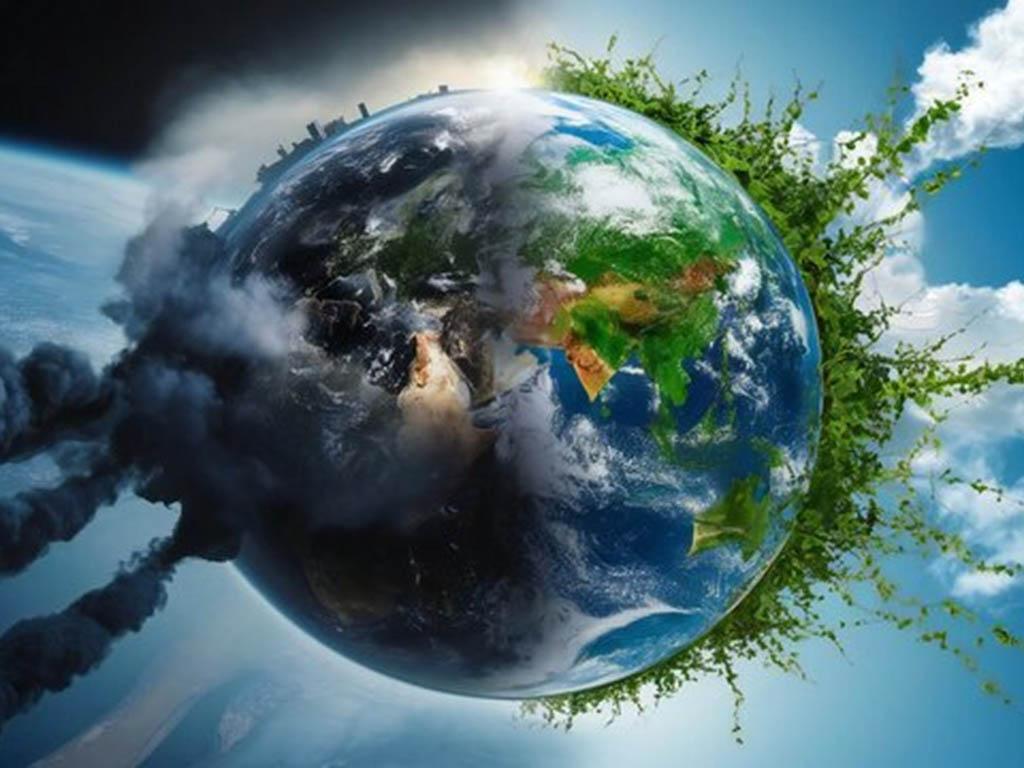 It would be wrong and superficial to criticise the Conference on the grounds that no binding agreements were reached, since the Santa Marta Conference was explicitly not designed as a negotiation [...]
 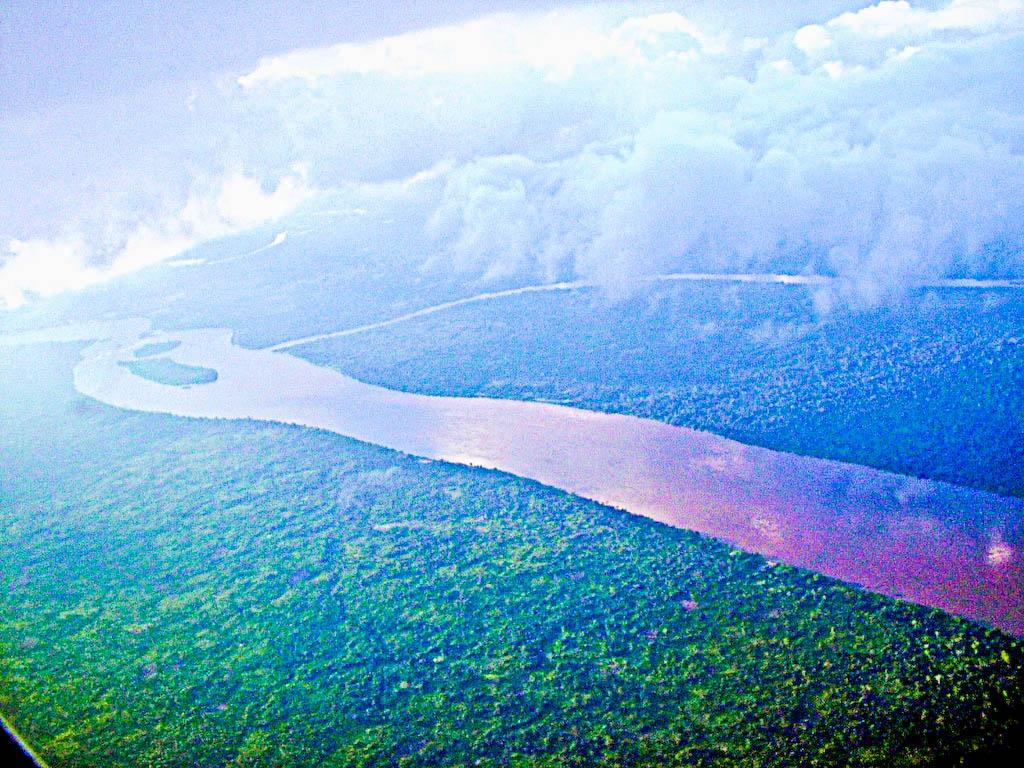 From Carbon Sink to Carbon Source: A Historic Reversal
Until only a few years ago, scientists believed they could rely on a natural climatic safety valve. Africa’s tropical forests were [...]
From Carbon Sink to Carbon Source: A Historic Reversal
Until only a few years ago, scientists believed they could rely on a natural climatic safety valve. Africa’s tropical forests were [...] 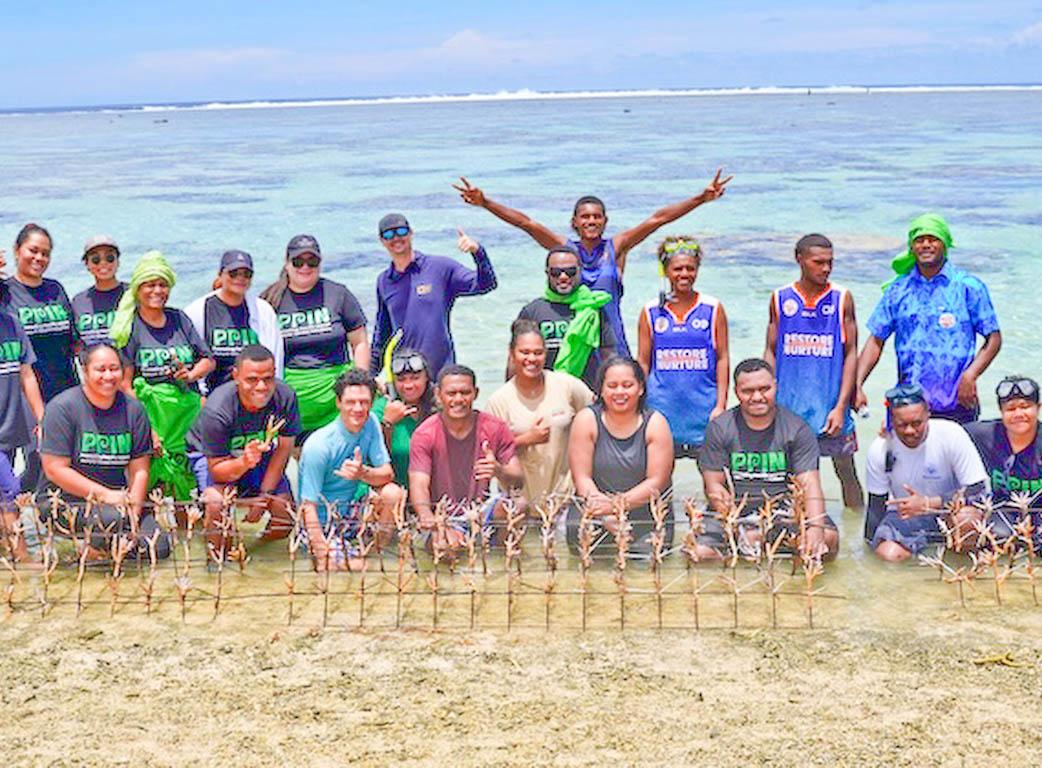 Climate change is no longer a distant threat. Across the Pacific, it has become an everyday reality, reshaping coastlines, livelihoods and the fragile balance between people and their environment. [...]
 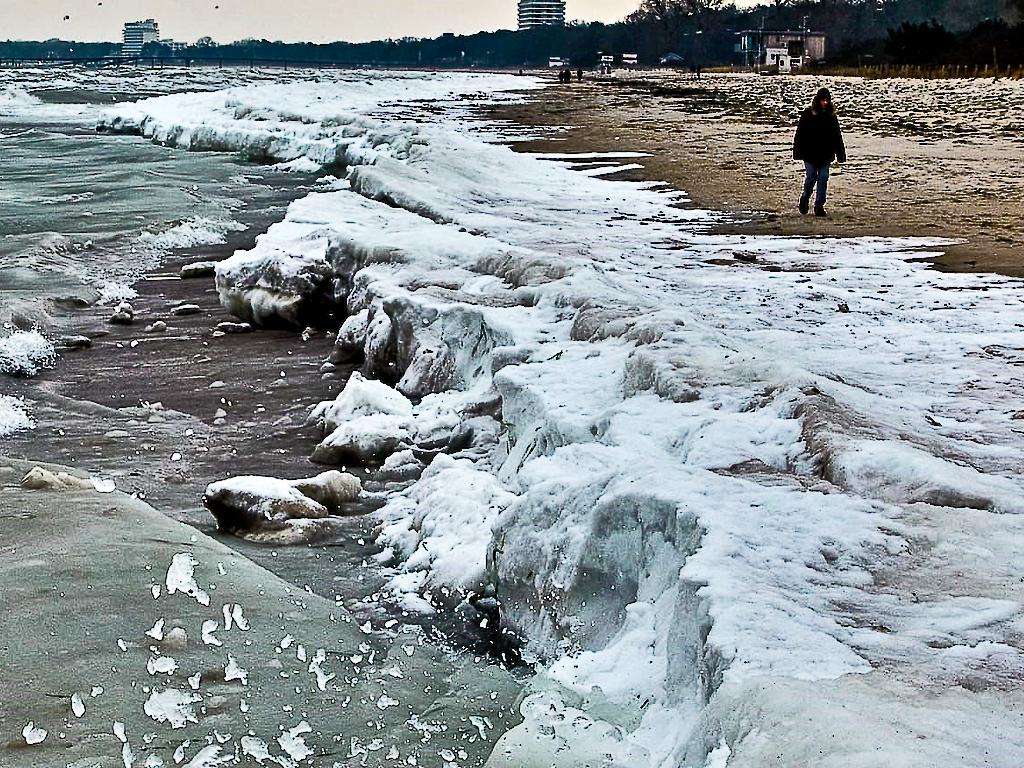 The seabed of the Baltic Sea is only one example of how wars have contaminated the oceans. After the Second World War, between 40,000 and 60,000 tonnes of chemical weapons were abandoned in the [...]
 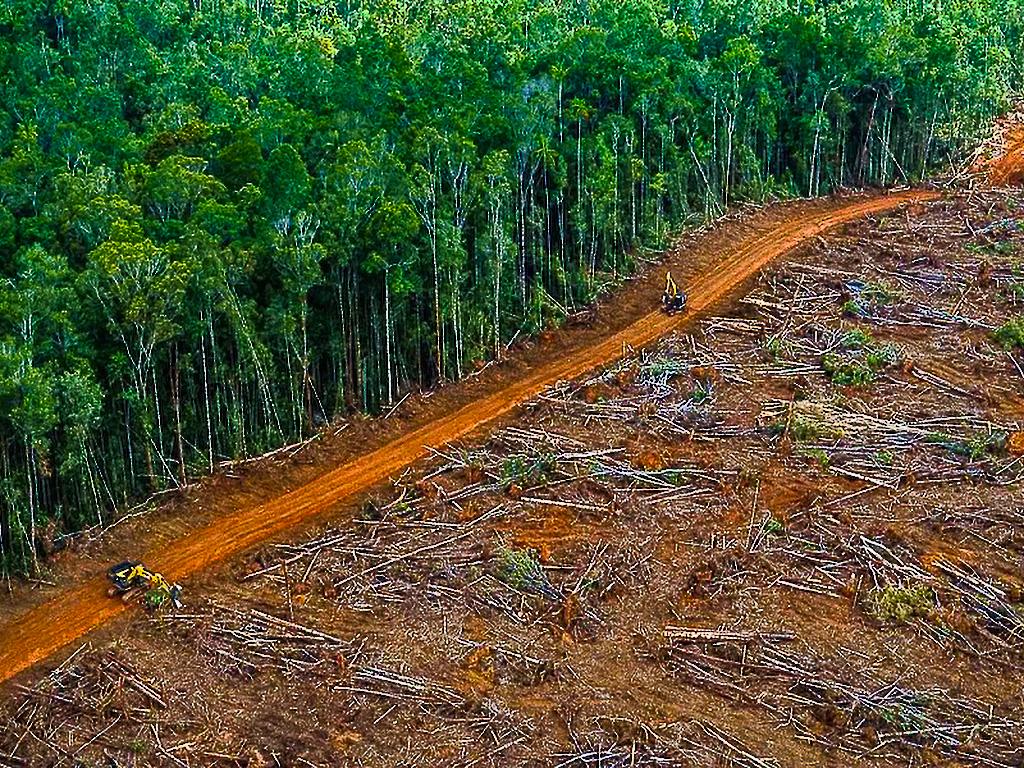 A study published a few weeks ago in Nature Climate Change concluded that deforestation has killed more than half a million people in the past two decades, between 2001 and 2020. A frightening [...]
 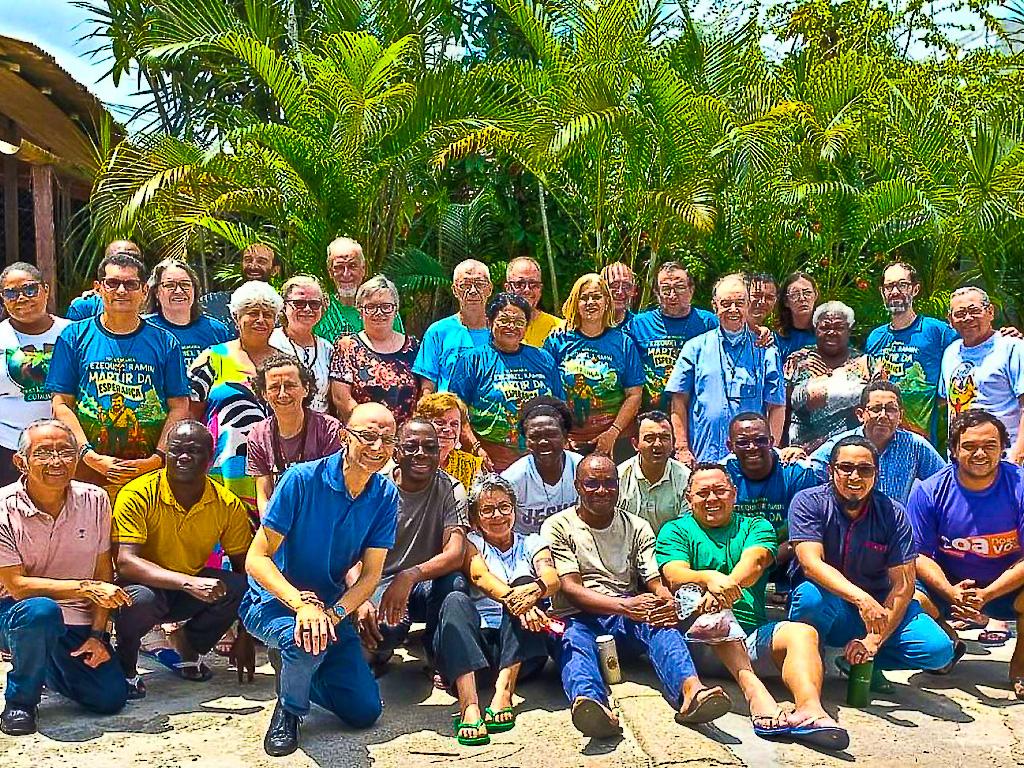 COP30, at the moment of its gathering, gives the impression of a shared desire to assemble declarations of principle and political frameworks to establish “good intentions” and [...]
 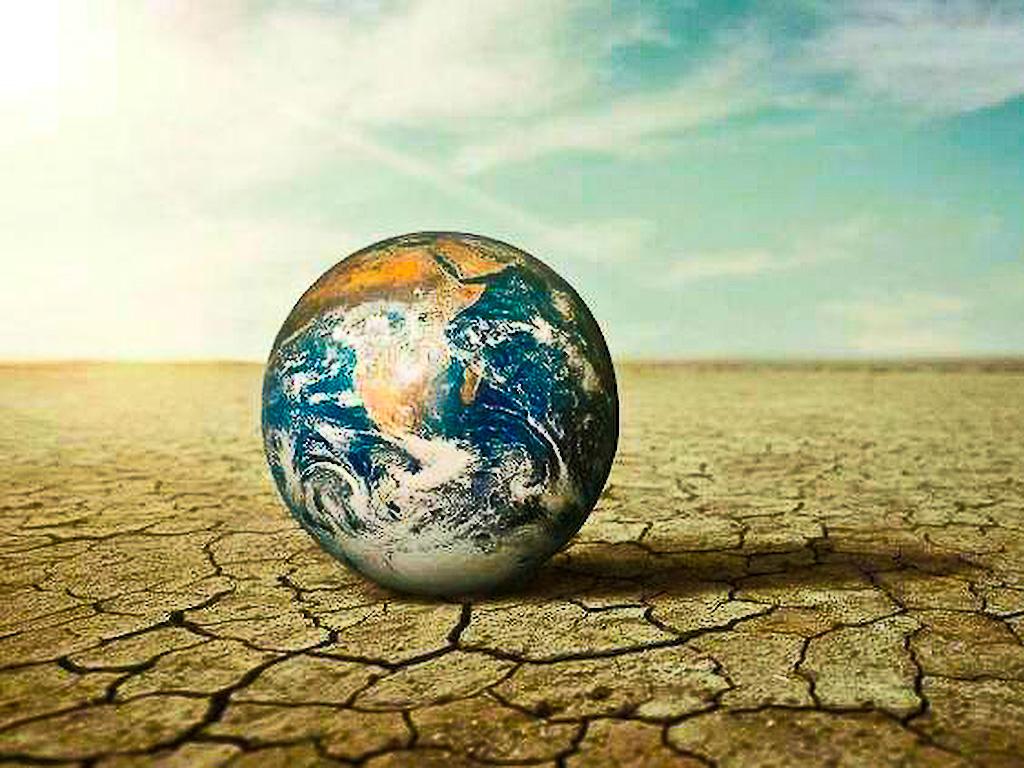 Let’s try an extremely difficult summary. During the first days, we all essentially deluded ourselves. The Brazilian presidency had indeed released draft texts that included “also” [...]
  In a world shaken by crises, this exhibition reminds us that beauty — whether natural, artistic, or cosmic — remains a source of hope. As Dostoevsky said, “Beauty will save the [...]
 Info
Email: jampypezzi@gmail.com - tel. +39 328 732 6990 / +243 991 457 856
This blog is made in 4 languages: it en fr es


 EDitt | Web Agency
Leave a comment