Justice, Peace, Integrity
of Creation
Justice, Peace, Integrity
of Creation
By John Paul Pezzi, Mccj
Justice, Peace, Integrity
of Creation
By John Paul Pezzi, Mccj
Justice, Peace, Integrity
of Creation
By John Paul Pezzi, Mccj

Justice, Peace, Integrity
of Creation
By John Paul Pezzi, Mccj
The Amazon reveals traces of a vast civilisation hidden beneath its canopy
Futura 30.07.2026 Cécile Breton Translated by: Jpic-jp.orgFor centuries, the Amazon rainforest was regarded as a vast expanse that had remained almost untouched. But a new study reveals that it conceals traces of a civilization far larger than previously imagined, challenging our understanding of the history of the world's largest tropical rainforest
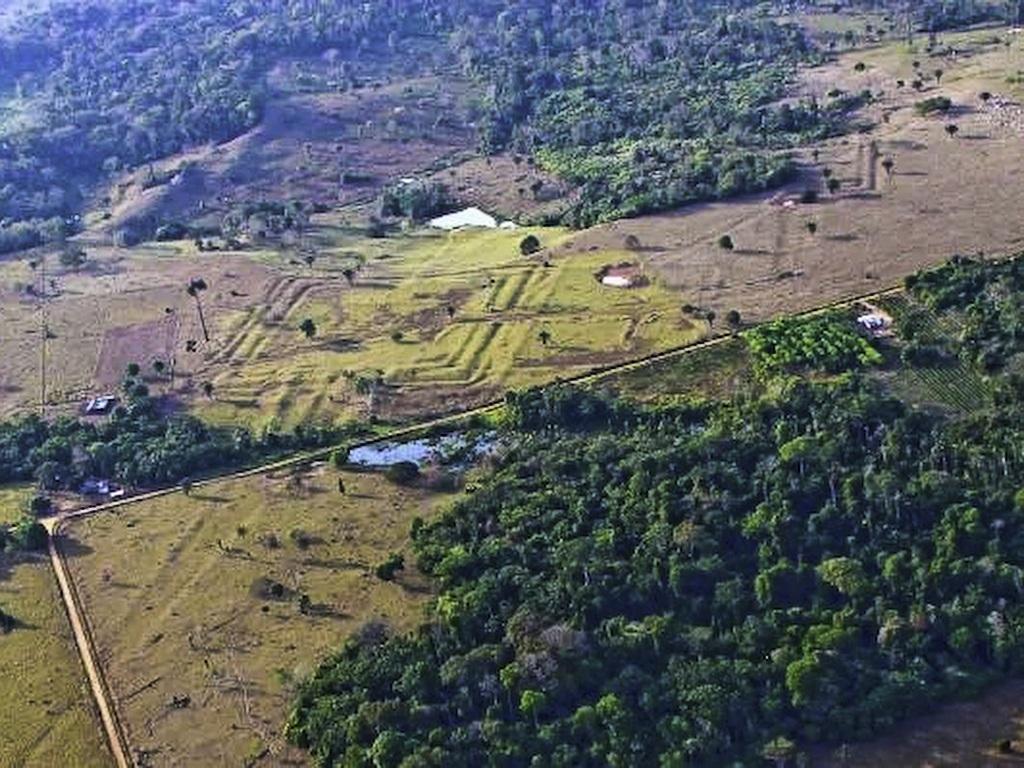
The Amazon was not always the wild forest we know today. Between approximately 600 BC and AD 850, a civilisation known as Aquiry profoundly reshaped the south-western Amazon basin. Its inhabitants dug immense earthworks forming geometric patterns, linked by straight roads whose remains can still be seen in places today.
A new study, published in Nature, nevertheless reveals that this society was probably far more extensive than previously thought. By combining data from aerial LiDAR surveys with archaeological discoveries already known, researchers estimate that the Aquiry may have constructed as many as 30,000 earthworks across an area of up to 183,000 km². Its population is thought to have peaked at between 1.2 and 3 million inhabitants around AD 200.
For archaeologist and anthropologist Martti Pärssinen of the University of Helsinki, this discovery has profoundly changed his perception of the Amazon. After flying over the first geoglyphs in the early 2000s, he says he recently realised that these structures could be up to ten times more numerous than he had imagined.
LiDAR reveals hundreds of invisible structures
If this civilization remained largely unknown for so long, it is because the forest gradually reclaimed the land after its disappearance, around AD 850. LiDAR surveys have revealed geometric earthworks that had remained invisible because the majority of the constructions are now hidden beneath the Amazonian canopy.
To locate them, researchers used LiDAR, a technology that sends laser pulses from an aircraft. Some of these beams pass through gaps in the vegetation, reach the ground and then return to the sensor, making it possible to reconstruct the terrain without clearing the forest.
The scientists thus mapped nearly 4,500 km² by flying over several long transects in the Brazilian state of Acre. The result: 432 earthworks were recorded, 396 of which had never previously been identified. According to Martti Pärssinen, such a concentration in an area representing less than 3% of Greater Amazonia suggests that many other regions may still contain similar remains.
An Amazon shaped by human beings
These findings challenge a long-standing assumption: that the Amazon remained largely untouched until modern times. Instead, the researchers describe a landscape alternating between forests, inhabited clearings, cultivated land and large ceremonial spaces.
At the heart of these clearings probably stood the immense geometric earthworks, surrounded by long wooden houses accommodating large communities. The inhabitants cultivated maize, cassava, squash and cotton, among other crops, while the surrounding forests were enriched with carefully tended fruit and nut trees. The roads connecting the different sites would also have encouraged exchanges and gatherings, where ceremonies, festivals and community events were held.
Despite this major advance, one mystery remains. Researchers still do not know why this civilisation, which flourished for nearly 1,500 years, disappeared between AD 850 and 1000. It is a question that future explorations of the Amazon rainforest may perhaps help to answer.
Photo. This aerial view reveals a tiny portion of the thousands of earthworks that may still be hidden beneath the Amazon rainforest. © Martti Pärssinen
 Thousands of trees were planted in the Sahara without success. Then 500 tortoises achieved what no one had expected, and the desert has begun to turn green again, visible even from space.
The [...]
Thousands of trees were planted in the Sahara without success. Then 500 tortoises achieved what no one had expected, and the desert has begun to turn green again, visible even from space.
The [...]  “Each of us uses around 18 kilograms of sand every day,” said Pascal Peduzzi, Director of UNEP’s Environmental Data Centre, during the presentation of the report in his Swiss city [...]
  It would be wrong and superficial to criticise the Conference on the grounds that no binding agreements were reached, since the Santa Marta Conference was explicitly not designed as a negotiation [...]
  From Carbon Sink to Carbon Source: A Historic Reversal
Until only a few years ago, scientists believed they could rely on a natural climatic safety valve. Africa’s tropical forests were [...]
From Carbon Sink to Carbon Source: A Historic Reversal
Until only a few years ago, scientists believed they could rely on a natural climatic safety valve. Africa’s tropical forests were [...]  Climate change is no longer a distant threat. Across the Pacific, it has become an everyday reality, reshaping coastlines, livelihoods and the fragile balance between people and their environment. [...]
  The seabed of the Baltic Sea is only one example of how wars have contaminated the oceans. After the Second World War, between 40,000 and 60,000 tonnes of chemical weapons were abandoned in the [...]
 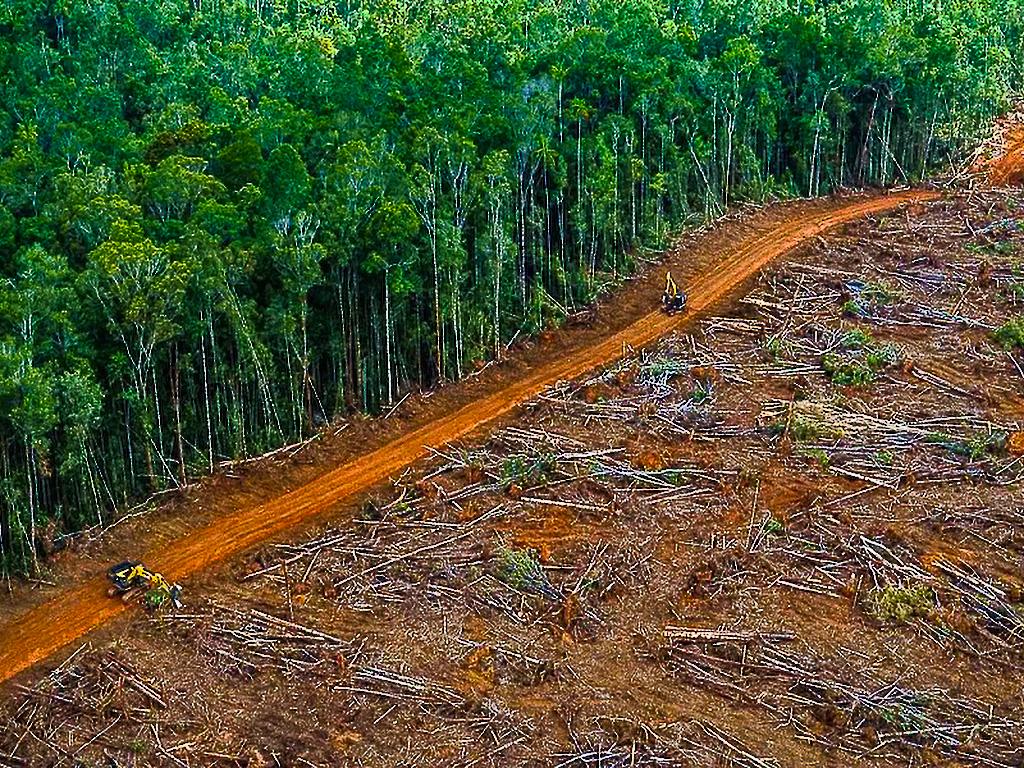 A study published a few weeks ago in Nature Climate Change concluded that deforestation has killed more than half a million people in the past two decades, between 2001 and 2020. A frightening [...]
 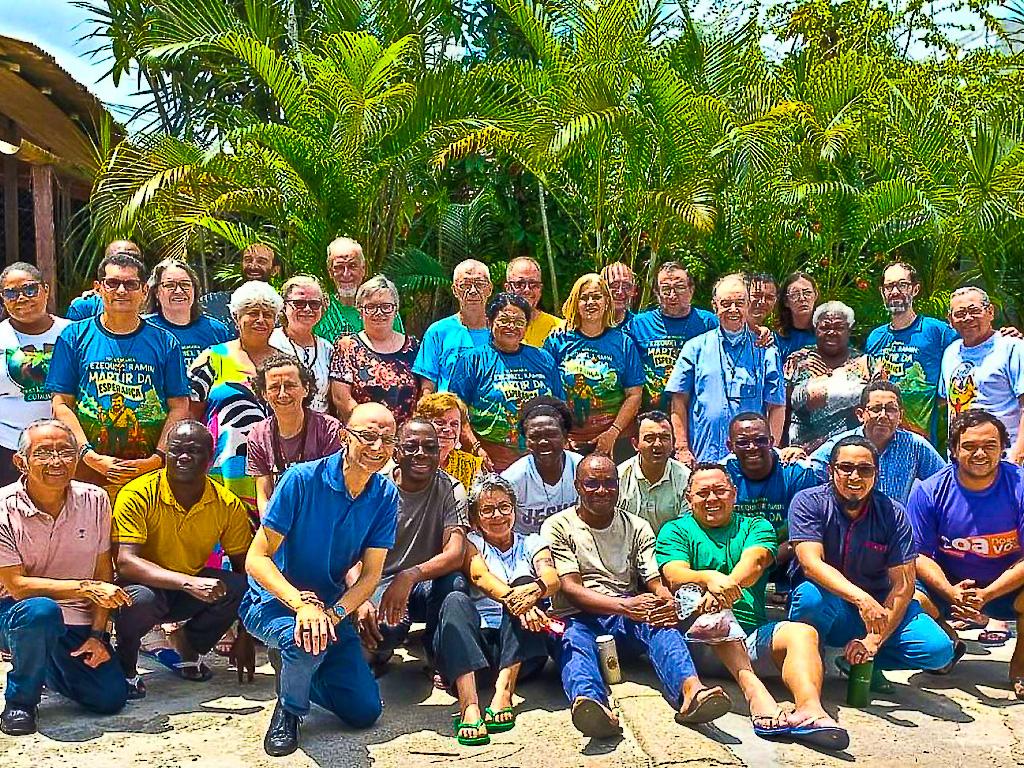 COP30, at the moment of its gathering, gives the impression of a shared desire to assemble declarations of principle and political frameworks to establish “good intentions” and [...]
 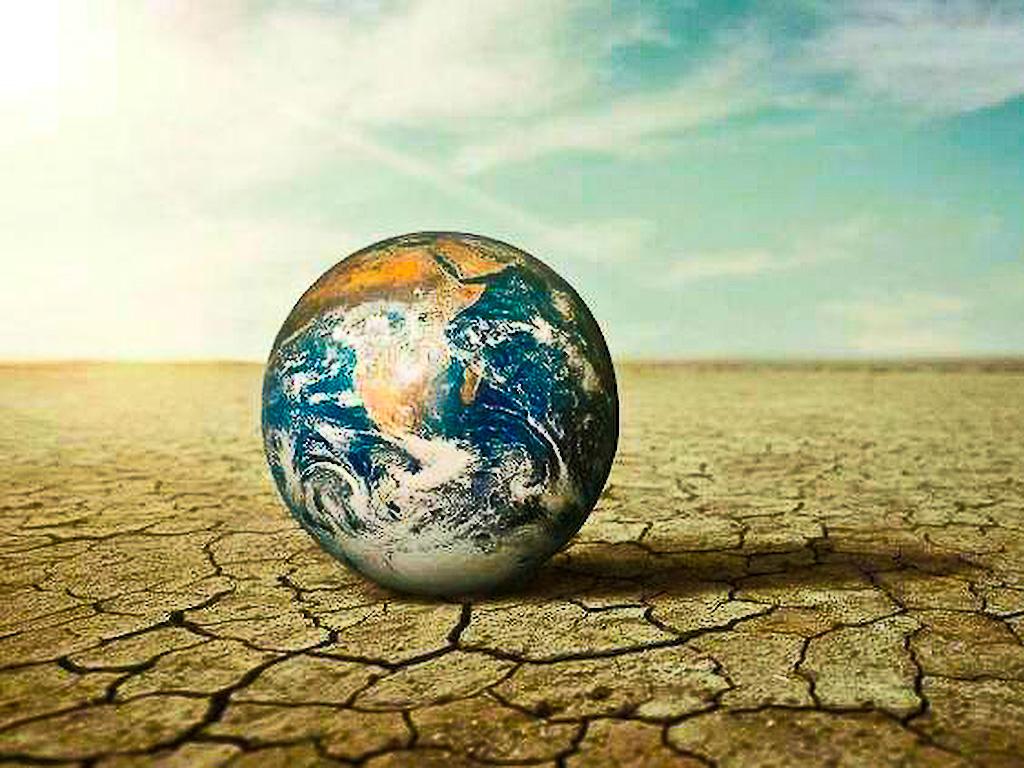 Let’s try an extremely difficult summary. During the first days, we all essentially deluded ourselves. The Brazilian presidency had indeed released draft texts that included “also” [...]
  In a world shaken by crises, this exhibition reminds us that beauty — whether natural, artistic, or cosmic — remains a source of hope. As Dostoevsky said, “Beauty will save the [...]
 Info
Email: jampypezzi@gmail.com - tel. +39 328 732 6990 / +243 991 457 856
This blog is made in 4 languages: it en fr es





 EDitt | Web Agency
Leave a comment