
Justice, Peace, Integrity
of Creation

Justice, Peace, Integrity
of Creation
By John Paul Pezzi, Mccj

Justice, Peace, Integrity
of Creation
By John Paul Pezzi, Mccj

Justice, Peace, Integrity
of Creation
By John Paul Pezzi, Mccj

Justice, Peace, Integrity
of Creation
By John Paul Pezzi, Mccj
The Smile That Never Fades: The Stream of Dawn
Butembo 26.05.2026 jpic-jp.org Translated by: Jpic-jp.orgIn African traditions, stories shared around the fireside are not told merely to entertain: they illuminate the heart, impart wisdom, and remind us of the value of kindness. This text is a poetic meditation on self-giving, generosity, and the power contained within a simple smile. The stream that continues to flow despite the drought, and the old man sustained by the faithful smile of his wife, remind us that no act of love is ever lost. Very often, it is the simplest gestures that restore courage to those who suffer.

My friends, I am going to tell you a story that speaks to the heart, a story like clear water flowing gently through the soul, a lesson for a joyful life.
Once upon a time, there lived side by side a pond and a little stream. Both possessed water, yet their hearts were very different. One day, the pond asked its neighbour: “My friend, why do you keep running on without ever stopping?” The stream replied gently: “I carry the water that God entrusted to me all the way to the river.”
The pond found these words most peculiar and answered scornfully: “Ah! What foolishness! This year the sun will burn even more fiercely than last year, and you will dry up long before reaching the sea. You would do far better to keep your water for yourself: you will need it.”
The stream smiled and answered calmly: “If I must soon dry up, then I would rather it happen after I have done good and fulfilled my purpose.” And so the stream continued on its way, singing joyfully, for a generous heart never grows weary. Moreover, as the proverb says: “Flowing water never gives off a foul smell.”
A few days later, the sun became scorching. Yet the trees lining the banks of the stream offered it their shade. Birds came to drink there, singing softly. Flowers blossomed in delight, and animals rested upon its banks in gratitude. A farmer, too, loved this stream, because it crossed his field and restored life to his crops. All who saw it wished it blessings and prosperity. Indeed, good deeds are a remedy against sorrow.
The pond, remaining motionless in its selfishness, gradually began to emit a nauseating odour. The animals that came to drink fled immediately, for its water brought sickness. As popular wisdom reminds us: “What serves no purpose eventually rots.”
Life itself took no pleasure in the pond and allowed it to dry up completely. But life looked lovingly upon the stream because it had never ceased doing good. Its waters reached the river, then the great ocean which welcomed them with joy; the sun drew them heavenward as vapour; the vapour became great clouds that travelled to pour rain upon the mountains where springs are born… and the stream was filled once more with fresh waters and continued to flow gently onward. A heart that gives is never lost: it always returns laden with blessings.
That stream is the image of those who bring joy to others, often simply through a smile, which is a silent act of love.
Long ago, far away in the midst of the sea, there existed an isolated island inhabited by lepers. It was a place of suffering and sorrow: some bore open wounds, others were exhausted by life itself, and still others were crushed beneath the weight of sadness. Yet amid all this pain, marked as it was by death, there lived an old man who was very different. His body suffered like that of his companions, but his eyes retained a strange light and his face remained serene. He spoke gently, showed compassion towards others, and never became angry. He resembled a spring of hope in the midst of despair. As a local saying declares: “A good heart is a remedy that cannot be bought.”
One day, a man responsible for caring for the sick asked himself: “Where does this old man draw the strength to live without sinking into despair?” He began discreetly observing him and noticed that every morning before dawn, while the night had not yet disappeared, the old man slowly dragged himself towards the fence surrounding the settlement. Every day he sat in exactly the same place and waited in silence. He was not waiting for the sunrise, nor was he gazing at the beauty of the sea. His eyes remained fixed on the other side of the fence… until a frail old woman with eyes full of tenderness appeared.
She brought neither food, nor medicine, nor gifts. She brought a smile. A smile of love, of faithfulness — the smile of a heart that had never ceased loving. And as soon as the old man caught sight of that smile, his face lit up as though with an inner sun. He smiled too. They spoke without words, communicating only through their eyes and their smiles. That brief moment became for him like the bread that nourished his soul throughout the entire day.
As the proverb says: “A kind word and a smile lift up the broken heart.” After those few minutes, the old man would return to his hut strengthened anew for life.
One day, the attendant asked him: “My father, who is that woman?” The old man replied: “She is my wife.” Then he continued softly: “Before they brought me here, she cared for me in secret, searched for remedies, and every day she applied to my body an ointment she had discovered. Yet she always left a small part of my face untouched so that she could still kiss me. When the illness did not disappear, they brought me here. But she never abandoned me. She came to live nearby so that she could look upon me each morning… and when she smiles at me, I know that I am still alive.”
Yes, my friends, the proverb speaks the truth: “True love does not abandon us in times of trial.” The world is filled with suffering, yet there still exist people like the stream, and others like the smile of dawn — a true smile born of a heart capable of self-giving. Even today, someone is waiting for a smile, a kindly glance, a word of goodness, because: “A smile is a lamp lit within the heart, and its light travels far.”
True love is neither possession nor selfishness: it is the offering of oneself. One does not need to be wealthy to offer such a great gift. A smile itself is already a gift — one that can become a remedy and lighten the suffering of others, a sign of genuine love.
 One day, a man sat down beside his son and said to him in a solemn voice: “My boy, in our lives there is only one true crime: murder. Always stay away from that path. Never lay a hand on [...]
 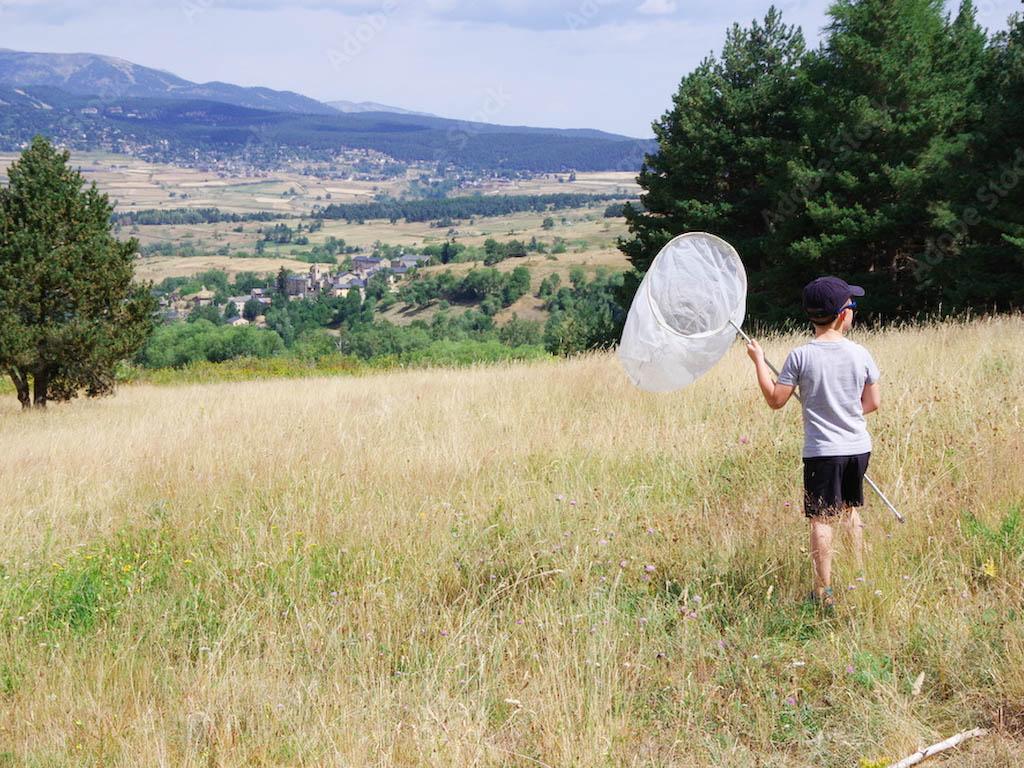 Once upon a time, in a village at the foot of a green mountain, there lived a boy called Elijah.
Elijah had a passion: butterflies. Not for studying them, nor for admiring them, but for keeping [...]
Once upon a time, in a village at the foot of a green mountain, there lived a boy called Elijah.
Elijah had a passion: butterflies. Not for studying them, nor for admiring them, but for keeping [...] 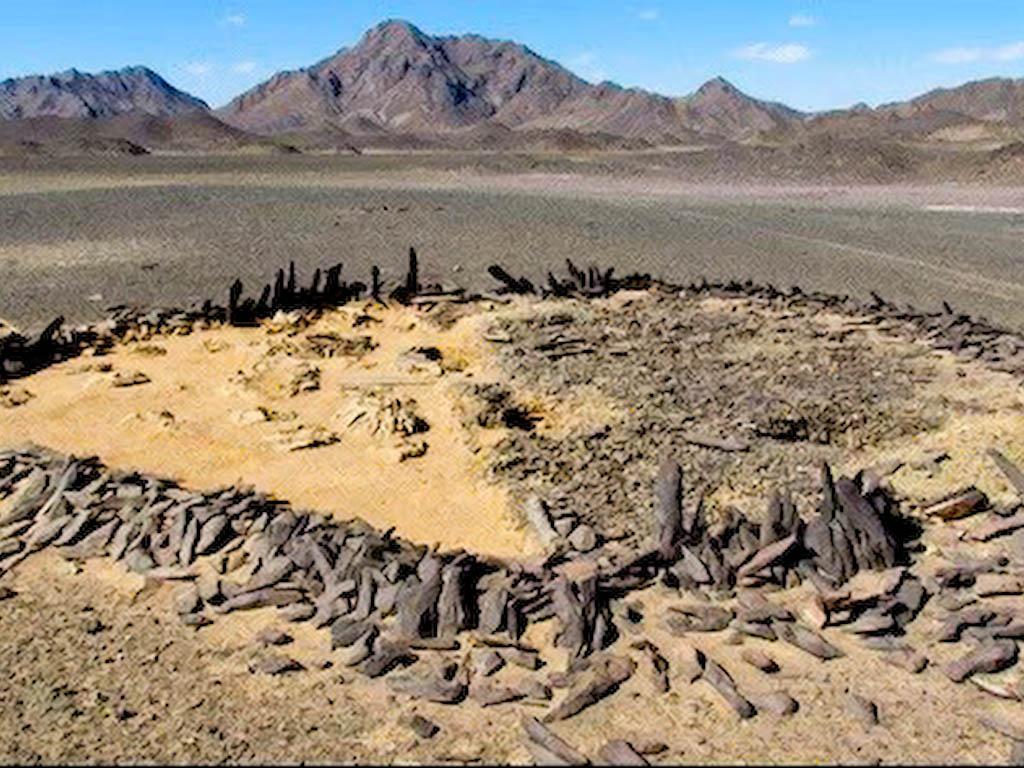 Between the Nile and the Red Sea lies the Atbaï Desert, one of the least explored regions of north-eastern Africa from an archaeological point of view. Long hidden beneath the sands, the remains [...]
  Once upon a time, in a small and peaceful village, there stood a carpenter’s workshop. Inside were many work tools: the saw, the plane, the hammer, the nails, the sandpaper, the file, the axe, [...]
  Let us listen carefully—both with intellect and discernment—to the story of the mwelele tree (a species of Ficus sycomorus) and the blind men in search of an elephant, for it is truly [...]
  If I were to ask God for a gift, a single gift, a heavenly gift, I would ask Him, I believe without hesitation, to grant me the supreme art of the smile. It is what I most envy in certain people. It [...]
 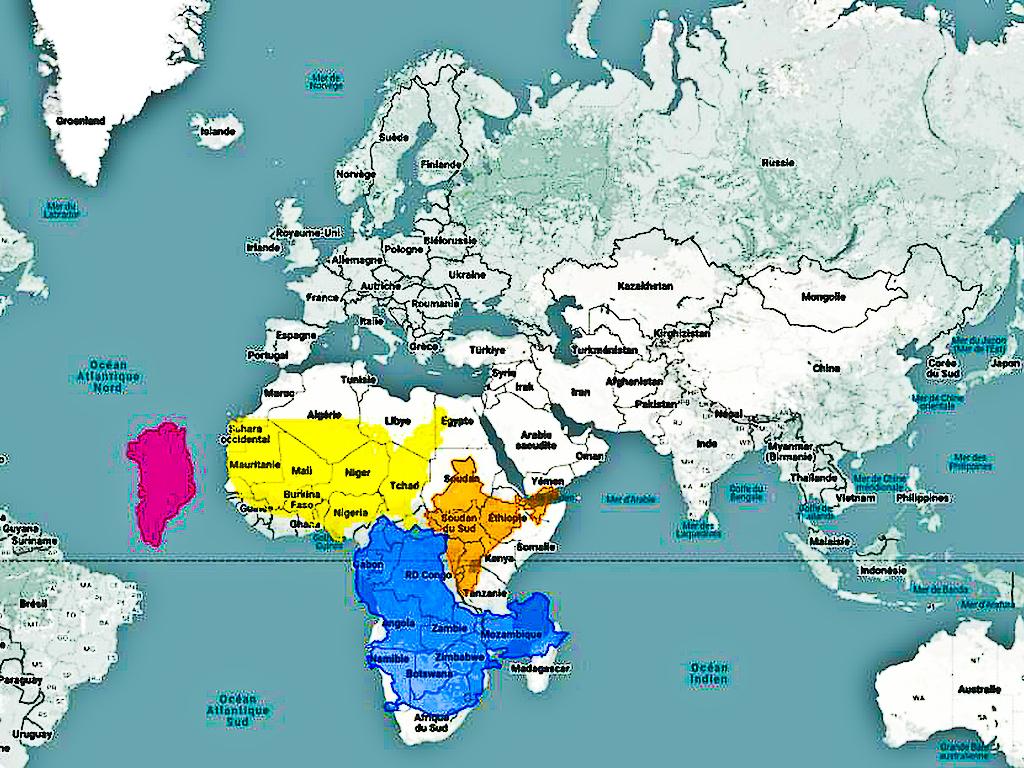 Greenland suffers from a serious case of the frog that wants to be as big as the ox. When you look at it on Google Maps, it parades with all the grandeur of a continent, appearing almost as large as [...]
  After many, many years spent alone, walking alone, singing alone and eating alone, Nasilele became bored with her loneliness and, one day, said to Nyambe: “I feel very sad and always feel like [...]
  Contemporary African art is experiencing a period of significant international visibility, with artists reshaping the global landscape and bringing new perspectives, histories and identities from the [...]
 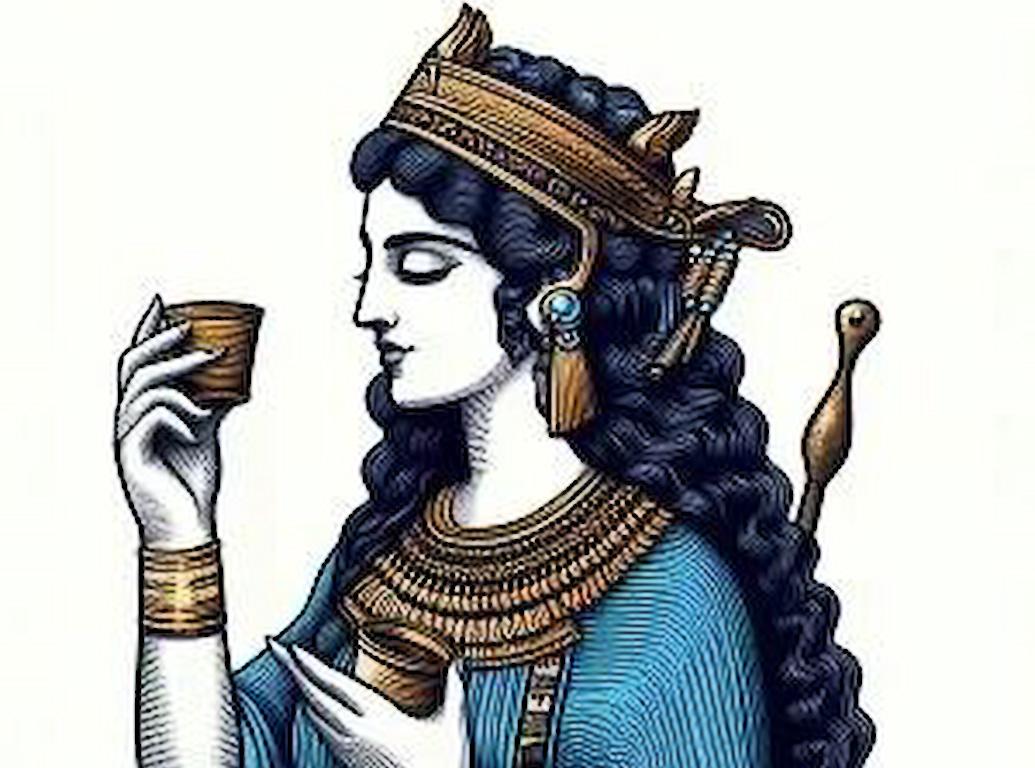 Long overshadowed by the canonical figures of the Western tradition, Enheduanna is nevertheless the first known author in history. More than 4,000 years ago, in Mesopotamia, this high priestess [...]
 Info
Email: jampypezzi@gmail.com - tel. +39 328 732 6990 / +243 991 457 856
This blog is made in 4 languages: it en fr es





 EDitt | Web Agency
Leave a comment